
Reviewed · PASTEL DE NATA WORKSHOPS
Porto: Pastel de Nata Cooking Class from Scratch
The best thing about this Porto class is that you make the dough from scratch, not just spoon filling into ready-made pastry. That extra step turns a familiar café treat into a useful kitchen lesson. I like the clear, shared format, and I like that the class ends with warm pastéis de nata and a recipe you can use at home.
The main consideration is that this is a group workshop, so you will not spend the whole 2.5 hours working alone at a counter. Participants take turns with each stage. Children under 15 cannot join the group class, late arrivals are refused entry, and the meeting point depends on the option you book.
Key points at a glance
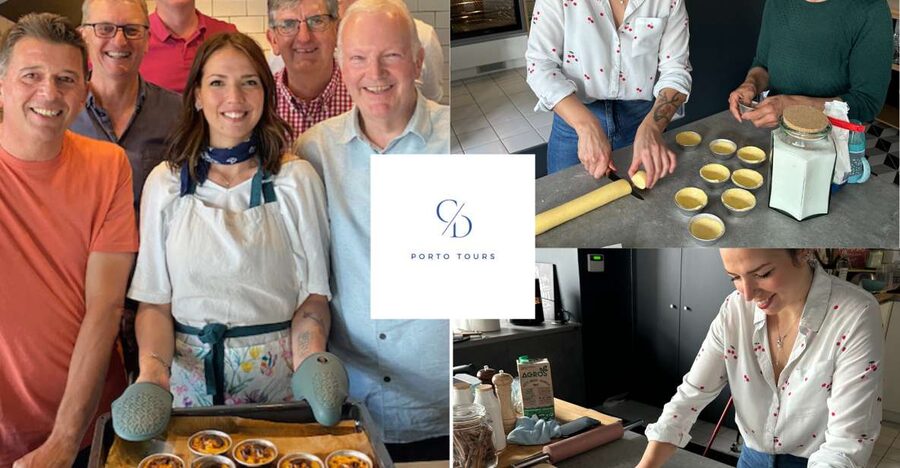
- The pastry is made from scratch: You learn the dough as well as the custard filling, which is the part many shorter classes skip.
- A social, shared format: Groups can include up to 12 adults, with two to four people often handling each task while the rest watch and learn.
- Warm pastries at the finish: You eat the results fresh from the oven, with some sessions providing extra pastéis to take home.
- English-speaking hosts: Hosts have included Clara, Ana, Mariah, Vanessa, Maria, Anna, and others, with the teaching style described as friendly, funny, and patient.
- Wine and pastry stories: A glass of regional wine accompanies the class while the host discusses Portuguese food and culture.
- Strict start time: The door closes when the workshop begins. Plan to arrive early, because there are no exceptions for late entry.
Making the pastry, not just watching it

Pastel de nata looks simple in a bakery case: flaky pastry, a little custard, and a browned top. The pastry is the real lesson. A workshop that uses premade dough can show you how to fill and bake the tarts, but it leaves out the technique that gives the shell its delicate layers.
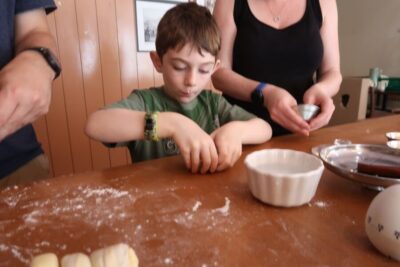
Here, you work through the dough from the beginning. You learn how the pastry is handled and shaped before the custard goes in. That makes the class more useful if you want to recreate the dessert at home. The recipe matters, but so does the feel of the dough and the order of the steps.
The filling is prepared as part of the same process. Your instructor explains each stage and breaks the work into manageable jobs. You do not need to be an experienced baker. The class is designed around group participation, so the process feels less daunting than making a technically demanding pastry alone.
I particularly like this approach for first-time bakers. You see the complete method without having to produce a perfect batch unaided. At the same time, the class does not reduce the experience to a demonstration. You get a chance to take part in the work.
Other classes where you cook in Porto:
- Porto: Pastel de Nata Cooking Class with Port Wine – Sé
★ 4.8 · 888 reviews - Lisbon: Pastel de Nata Baking Class
★ 4.9 · 2,106 reviews - Porto: Pastel de Nata Cooking Class with Grandma’s Recipe
★ 5.0 · 1,565 reviews
A 2.5-hour workshop in a modern show kitchen
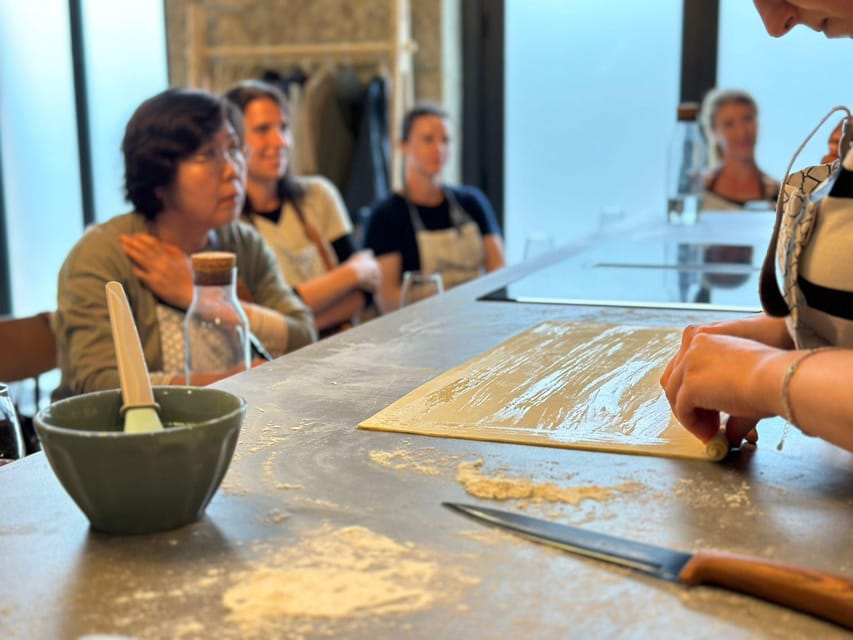
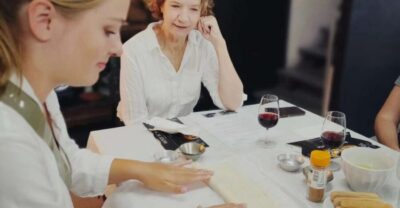
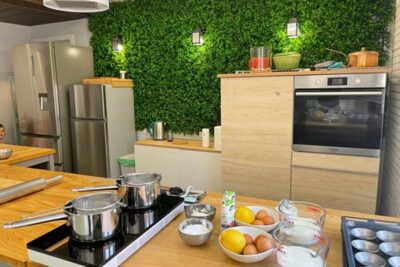
The setting is a modern show kitchen with a large table where the group sits together. That arrangement shapes the experience. Instead of standing in separate stations and losing sight of the instructor, you can watch the demonstration, ask questions, and talk with the people around you.
The maximum group size is 12 adults. That is small enough for the host to keep the group together, though the amount of hands-on time depends on attendance. In a smaller session, you may get more individual attention. One class had only four participants and felt especially personal.
In a full group, the work is shared. Two to four people may handle a particular step while the others observe, then the next task goes to another set of participants. This keeps the pastry moving and gives everyone a role across the session, but you should not expect to make an entire batch from start to finish by yourself.
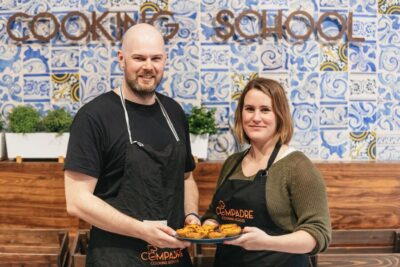
That shared format is also part of the social appeal. The class brings together people from different countries and gives solo visitors an easy way to meet others. Hosts make a point of learning names and backgrounds, and the tone is informal rather than stiff.
How the class unfolds
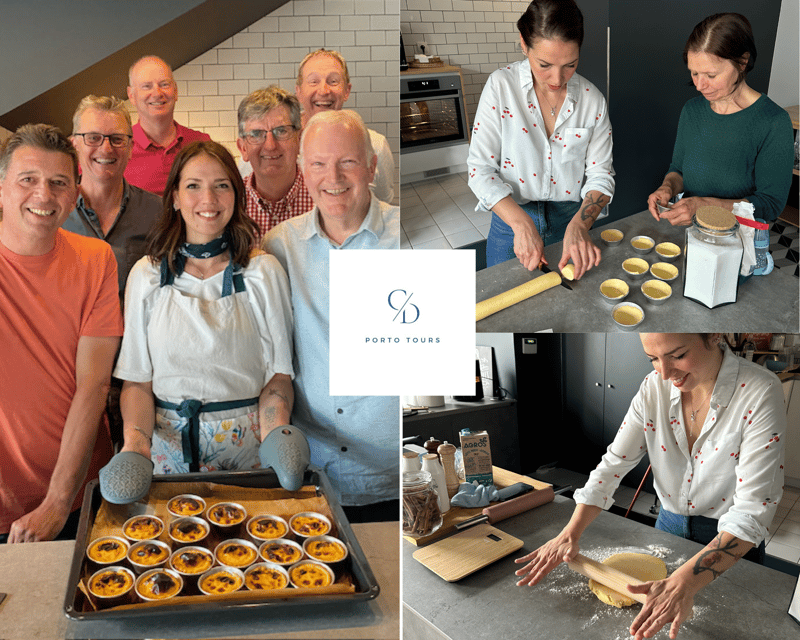
Your host starts with an introduction to Portuguese pastry and the place of pastel de nata in local food culture. The conversation continues as you work, so the history does not feel like a separate lecture. You hear why the pastry matters while your hands are busy with the dough and filling.
The next stage is the dough. This is the most valuable part for anyone who wants more than a pleasant afternoon snack. The instructor explains the process, demonstrates the technique, and invites participants to try it in turn. Pay close attention here, since this is where small handling details can affect the final texture.
Once the pastry is ready, the class moves to the custard. The host breaks down the ingredients and method in plain English. You can ask questions as the mixture comes together, and the step-by-step approach works well even if you rarely bake.
The prepared pastries then go into the oven. While they cook, the social side of the workshop comes forward. You share the regional wine, hear food stories, and talk with the group. This waiting period is not wasted time. It gives the host a chance to discuss Portuguese cooking and lets the group relax before the tasting.
At the end, you eat the pastéis while they are warm. Depending on the batch and the session, you may have some left to take away. A digital recipe is provided through a QR code, which is useful because the class relies on technique as much as ingredients.
What the guides add
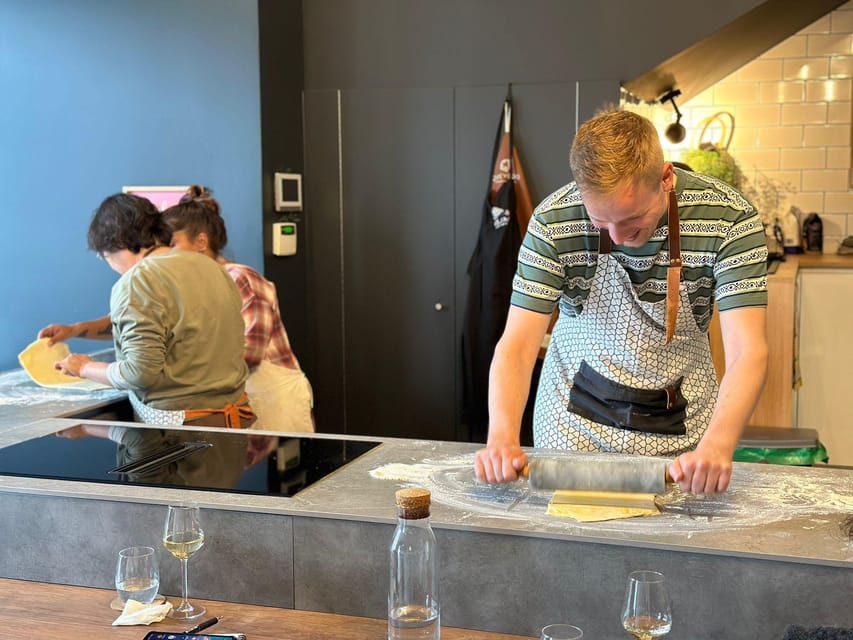
The host makes a big difference here. The experience has been led by several instructors, including Clara, Ana, Mariah, Vanessa, Maria, Anna, and Klara. Their personalities vary, but the teaching style described for the class is consistent: friendly, patient, clear, and willing to keep the group laughing.
Mariah is noted for drawing everyone into the conversation and making the group feel comfortable quickly. Clara is associated with clear explanations, patience, and useful tips. Ana is described as energetic and engaging, while Vanessa has a reputation for creating a relaxed atmosphere. These details matter because a cooking class can feel awkward if the instructor rushes or lets only the confident participants take over.
The best hosts do more than read a recipe. They explain why a step matters, watch the group, and make room for people who are less comfortable in the kitchen. This class appears to work well on that front. Still, a group lesson always depends partly on the particular host and the size of the session.
If you want an intensive pastry course with close, individual correction, this is probably not the right format. If you want a friendly introduction that teaches the full process without pressure, it is a better match.
Other places to bake your own in Porto:
- Porto: Pastel de Nata Pastry-Making Workshop
★ 4.9 · 1,542 reviews - Porto: Tile Painting and Cocktails in Downtown Porto
★ 4.9 · 484 reviews - Porto center- Workshop “A nata do BJ” making pasteis de nata
★ 4.9 · 79 reviews - Porto: Tile Painting Workshop with Tea and Port Wine
★ 4.9 · 66 reviews
Wine, stories, and the taste at the end
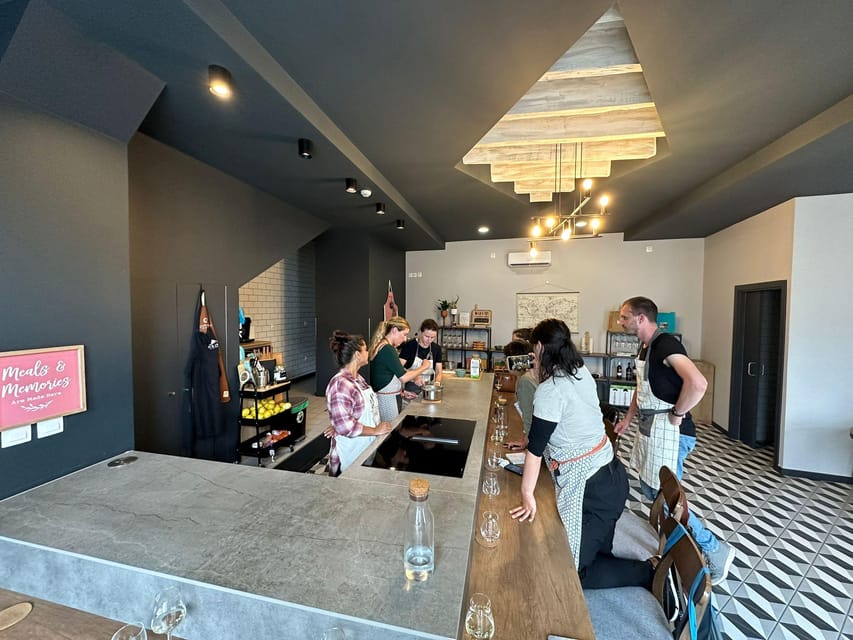
The booking includes a glass of regional wine. It is a small detail, but it suits the class. You sip while discussing Portuguese food, and the wine gives the waiting time a clear purpose rather than making the session feel like a long baking demonstration.
The alcohol is optional in the practical sense, but the activity is for adults. Portugal’s minimum age for drinking alcohol is 18. Smoking indoors, intoxication, pets, and unaccompanied minors are not allowed.
The final tasting is the payoff. Pastel de nata is best appreciated warm, when the pastry is crisp and the custard is soft. Eating one immediately after making it gives you a useful reference point for future attempts at home.
Some classes produce enough for each participant to eat several and take one or two away. The exact amount is not guaranteed in the basic inclusions, so think of the take-home pastries as a pleasant possibility rather than the main reason to book.
Is $50 a fair price?
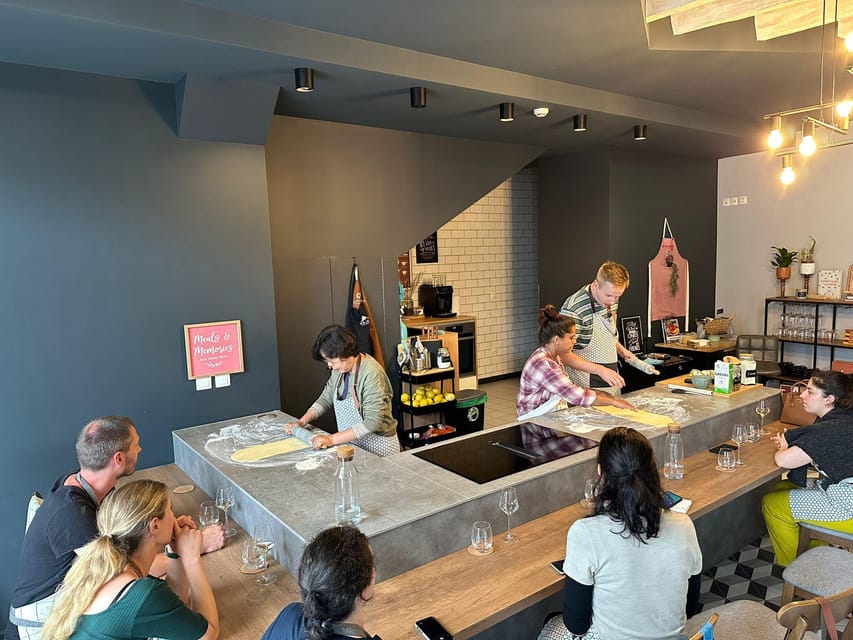
At $50 per person, this costs more than buying a few pastéis in a bakery. That comparison is not quite fair, since the price includes a 2.5-hour class, instruction, ingredients, the finished pastries, a glass of wine, and a recipe for home use.
The value comes from learning the dough. If the class only demonstrated the custard or used ready-made pastry, I would be less enthusiastic about the price. The full method gives you a better chance of making the dessert again after your Porto visit.
You also pay for the setting and the host. The group table, English instruction, food conversation, and guided participation turn a snack into an activity. It is especially good value if you enjoy cooking, want a break from sightseeing, or are looking for something social on a rainy day.
The price is less attractive if you only want to taste Portuguese pastries. Porto has plenty of bakeries for that. Book this if you want to understand how the pastry is made and spend time with a small international group.
Timing and booking details that matter
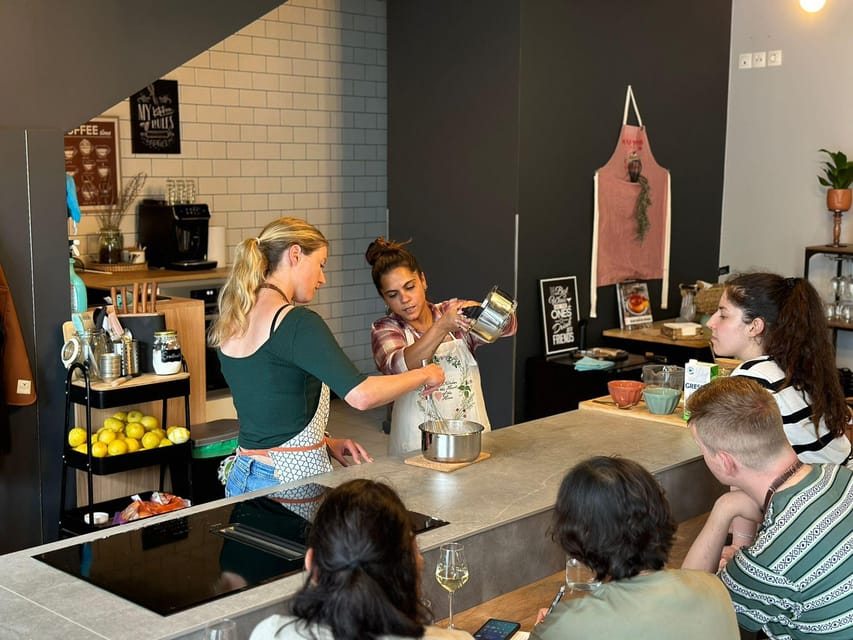
The workshop lasts 2.5 hours, and starting times vary. Check the exact time and meeting point attached to your chosen option. Hotel pickup and drop-off are not included, so you need to make your own way there.
Arrive early. The door closes at the scheduled start time, and late entry is not allowed. This is unusually strict, but it protects the class flow once food preparation has begun. Do not assume you can call ahead and join after the first demonstration.
Free cancellation is available up to 24 hours before the start for a full refund. You can also reserve now and pay later, which helps if your Porto plans are still shifting.
Only booked participants may enter. A partner or family member cannot wait inside unless they also have a reservation. Families with children under 15 need to request a private workshop instead.
Who will enjoy this class most?
I would recommend it to adults who like food, want a practical souvenir, and enjoy meeting people during a trip. It works particularly well for couples, solo visitors, and small groups of friends who want a slower activity between walking tours and restaurant meals.
It is also a good rainy-day choice. You stay indoors, sit around a shared table, and finish with something warm to eat. The pace is relaxed, but there is enough participation to keep the session from feeling passive.
Baking beginners should feel comfortable here. The class breaks the process into small steps, and the work is shared. You do not need to arrive with special skills.
This is not suitable for people with gluten intolerance or lactose intolerance. It is also not suitable for children under 15 in the group format. Families should ask about a private class, and minors must be accompanied by an adult.
Should you book the Porto pastel de nata class?
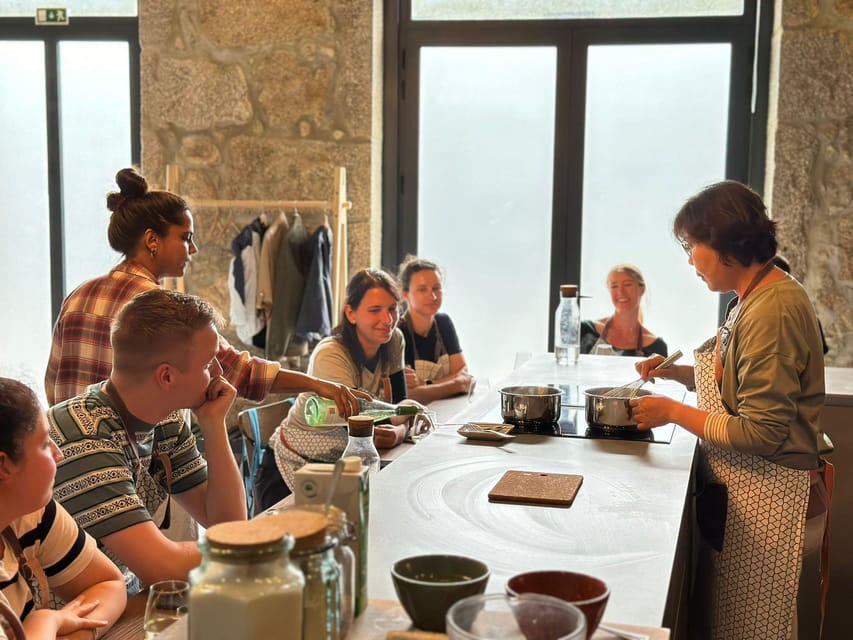
Book it if you want more than a bakery stop. The full dough lesson is the strongest reason to choose this workshop, and the warm pastries, wine, cultural conversation, and friendly hosts make the 2.5 hours feel like a proper Porto activity rather than a basic cooking demonstration.
Skip it if you dislike group participation or need a highly personal baking lesson. You may have to watch during some steps while other participants work, and the strict start time requires careful planning.
For most adults who enjoy food and want a useful memory of Portugal, I think the $50 price is reasonable. You leave with a better understanding of pastel de nata, a digital recipe, and the chance to taste your own batch fresh from the oven.
FAQ
How long does the pastel de nata class last?
The workshop lasts 2.5 hours.
Is the class taught in English?
Yes. The experience includes a live English-speaking guide.
Do I make the pastry dough from scratch?
Yes. This workshop includes making the dough as well as preparing the pastel de nata filling.
Is wine included?
Yes. A glass of regional wine is included with the pastry class.
Can children join the group workshop?
No. Children under 15 are not allowed in the group workshop. Families with younger children need to request a private workshop.
What happens if I arrive late?
You will not be allowed to enter once the workshop has started. The door closes at the scheduled time, with no exceptions.
Just added in Porto
- Wine experience with a sommelier★ 5.0 · 55 reviews
- Winery Tour and Wine Tasting Quinta da Portela de Baixo in Lamego★ 5.0 · 81 reviews
- Porto: Tuk tuk Tours with Port Wine Tasting★ 4.5 · 65 reviews
- The Beautiful Story of Porto: Guided Tour with Entry Tickets★ 4.8 · 111 reviews
- Porto: Royal Oporto Tour na Real Companhia Velha★ 4.8 · 395 reviews
- Porto: Entry Ticket at WOW – The Wine Experience Museum★ 4.7 · 356 reviews
- Porto Wine Tasting Experience with Portuguese Tapas Plate★ 4.7 · 356 reviews
- Porto: WOW Daily Ticket★ 4.7 · 42 reviews
Pastel de Nata Workshops, compared.
Pastel de Nata Cooking Class with Grandma’s Recipe
Read our review →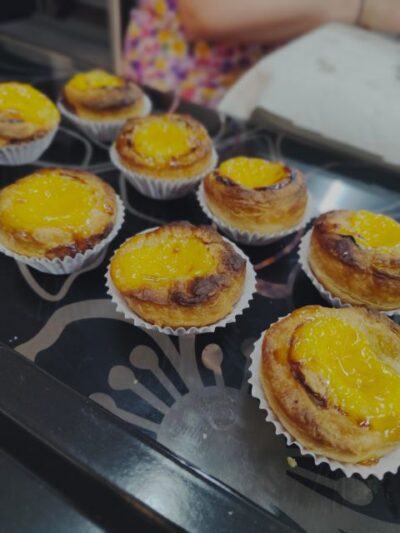
Pastel de Nata Cooking Class with Port Wine – Sé
Read our review →

Browse the lists this tour appears in