
Reviewed · PASTEL DE NATA WORKSHOPS
Lisbon: 2-Hour Pastel de Nata Cooking Class
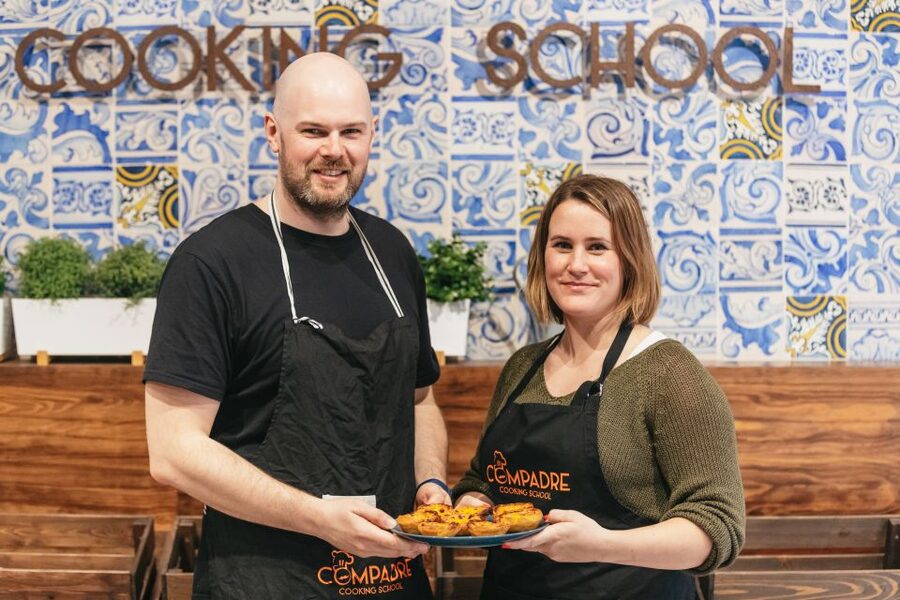
Lisbon’s famous egg tart is easy to buy, but learning how it comes together gives you a better taste of Portugal. In this two-hour class, Anna and Marta guide you through pastel de nata, then add a second local recipe such as farófios or cod fritters.
I like the clear, friendly teaching and the chance to sit down with the group after cooking. I also like that you leave with two recipes, not just a stomach full of pastries. The main drawback is that this is a light food experience, not a full lunch, and much of the dough and custard preparation is kept simple.
Key points to know before booking
- Two Portuguese recipes in two hours: Pastel de nata is the star, with a second local dish or dessert included.
- Anna and Marta lead the class: Expect English instruction, practical tips, food stories, and a relaxed teaching style.
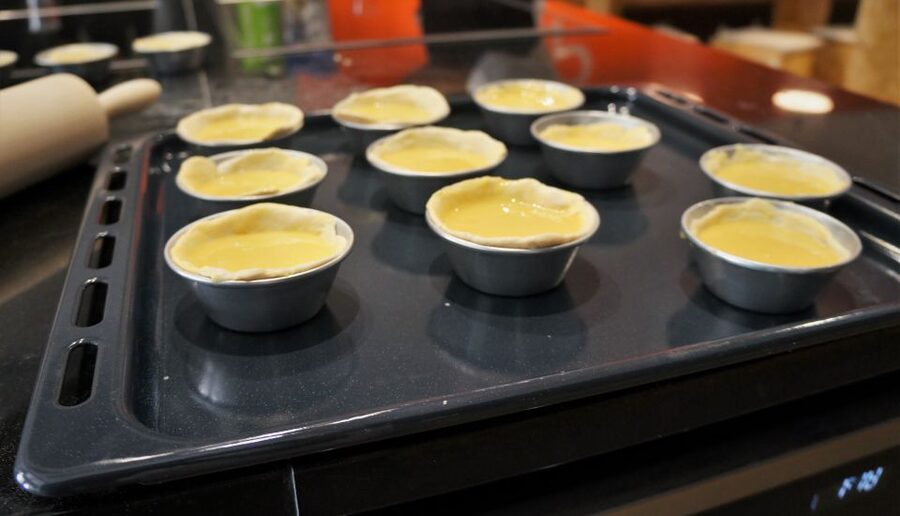
- You do not make every element from scratch: The pastry dough may be prepared in advance, and the custard is straightforward.
- The final tasting is social: You sit down with the group to eat the finished treats and can take some home.
- The price is $64 per person: That includes ingredients, equipment, instruction, insurance, tea, and both recipes.
- Plan for standing: You will be on your feet for about 1 hour and 20 minutes, so comfortable shoes matter.
Making pastel de nata in a Lisbon kitchen

Pastel de nata is Portugal’s best-known pastry: a small, crisp tart filled with softly set egg custard. It has roots in nineteenth-century monasteries and became a national symbol, now found in bakeries far beyond Portugal.
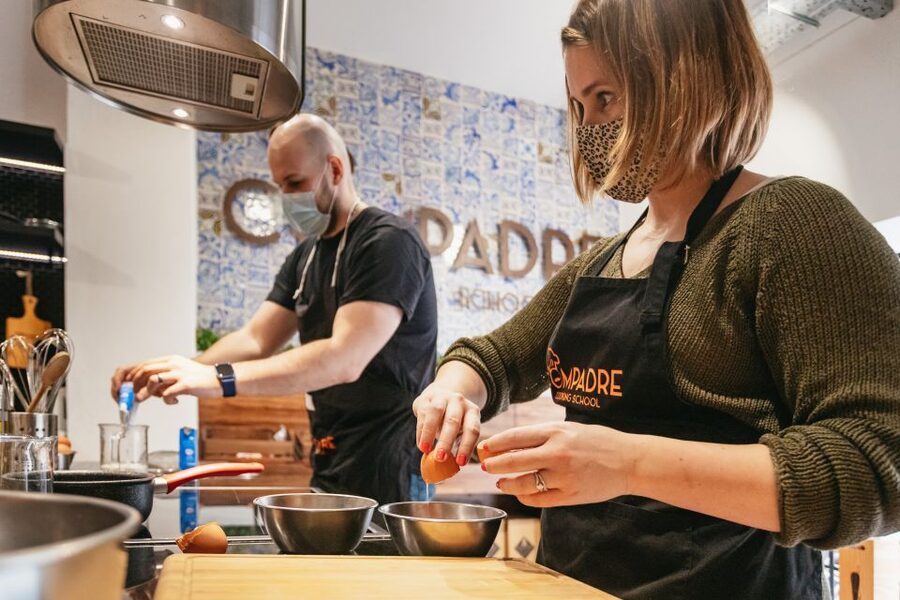
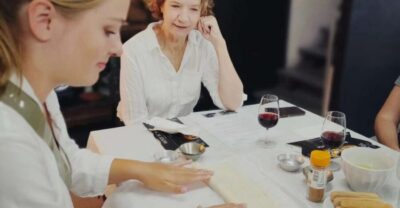
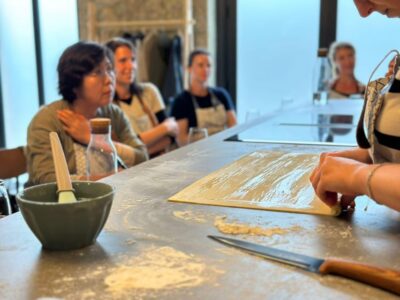
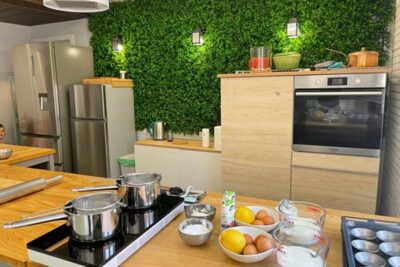
The class turns that familiar bakery purchase into a hands-on lesson. You work in a local kitchen with the ingredients and utensils provided, following each stage under the direction of an English-speaking instructor.
I like this format because it gives you more than a demonstration. You are not simply watching a chef prepare a tray of tarts. You handle the pastry, help shape the cases, and learn the small details that affect the finished result.
At the same time, keep your expectations sensible. This is a beginner-friendly workshop, not a professional pastry course. The dough is prepared in advance in some sessions, and the custard is very simple. That makes the class approachable, but it also means you will not spend two hours mastering every part of the pastry from the first ingredient onward.
Other classes where you cook in Lisbon:
- Lisbon: Pastel de Nata Baking Class
★ 4.9 · 2,106 reviews - Lisbon: Traditional Portuguese Cooking Class
★ 4.9 · 592 reviews - Lisbon: Pasteis de Nata Baking Class
★ 5.0 · 134 reviews
What happens during the two-hour class
The experience begins at the local partner’s kitchen in Lisbon. Make sure you enter Lisbon as the city when placing the address, since the meeting information depends on the city being listed correctly.
After getting settled, the instructors introduce the recipe and explain the place pastel de nata holds in Portuguese food culture. Anna is often praised for her storytelling, while Anna and Marta together keep the class moving and make the instructions easy to follow.
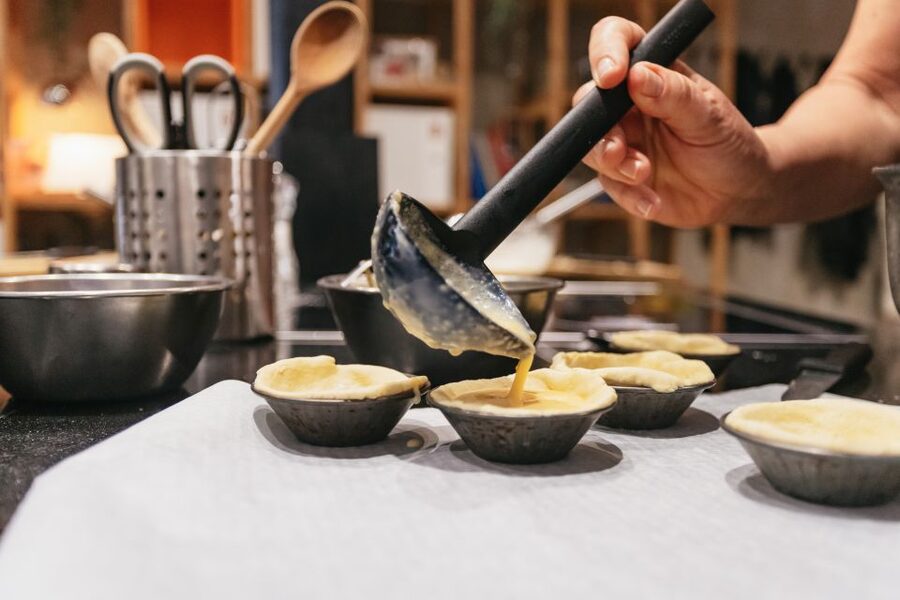
You then begin the pastry work. The focus is on getting the tart cases right, since the pastry must hold the custard while baking into a light, crisp shell. You learn practical tricks for shaping the dough and producing a good result at home.
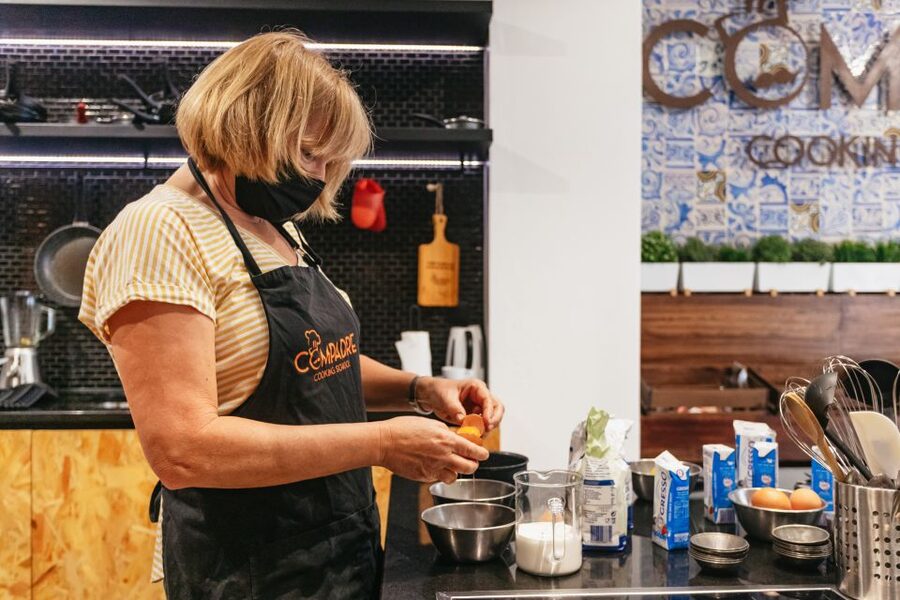
The custard stage is less complicated. That is useful for a short class because you can concentrate on texture, filling, and the final bake rather than wrestling with a long technical recipe. If you already bake, you may find this part basic. If you are new to pastry, the plain explanation is a benefit.
The class also includes a second Portuguese recipe. The exact dish can vary, but past sessions have included farófios, a meringue and custard dessert, and cod fritters. This second recipe gives the class more range and introduces you to a savory or sweet side of Portuguese cooking beyond the famous tart.
At the end, you sit down and eat what you have made. Tea is included, and a light meal is described as part of the experience. I would not schedule this as your only midday meal, though. The food is mainly the pastries and the second recipe you prepare, so plan another proper lunch or dinner if you need something substantial.
There may also be bags available for taking some of your pastries away. That is useful if you are baking more than you can eat, though the warm tarts can be hard to save.
Why the instructors make a difference

A short cooking class depends heavily on the people leading it. Anna and Marta receive especially strong praise for keeping the mood casual while still explaining the steps carefully.
That balance matters. The class needs enough instruction for you to repeat the recipes at home, but not so much technical talk that the two hours feel like school. The teaching style is aimed at beginners, with clear directions and useful corrections along the way.
Anna is also noted for sharing the story behind pastel de nata and suggesting shops to try afterward. That turns the class into a small food introduction to Lisbon. You learn how the pastry is made, why it matters locally, and where you might continue your tasting around the city.
The social side is another plus. You cook alongside people from different places and ages, then share the food at the end. If you arrive alone, this gives you a natural way to meet others. One solo participant was able to book the class, and vegetarian needs were accommodated in one reported session.
You should not expect a private lesson unless your booking specifically says so. The experience is designed around a shared kitchen and a shared table. That is part of its charm, but it also means the pace is set for the group.
A closer look at the two recipes
Other places to bake your own in Lisbon:
- Lisbon: Azulejos’ Design Create Your Own Tile Workshop
★ 4.9 · 420 reviews - Lisbon: Pastel de Nata Masterclass at a Real Bakery
★ 4.9 · 132 reviews - Porto: Pastel de Nata Cooking Class with Grandma’s Recipe
★ 5.0 · 1,565 reviews - Porto: Pastel de Nata Pastry-Making Workshop
★ 4.9 · 1,542 reviews
Pastel de nata
The tart is the central lesson, and the class focuses on the details that make it work at home. You learn how to form the pastry, prepare the filling, and bake the tarts so they have a crisp base and creamy center.
The supplied recipe is one of the most useful takeaways. Pastel de nata looks simple in a bakery display, but small choices in pastry thickness and filling make a big difference. The class gives you a practical starting point rather than just a list of ingredients.
Do not expect to recreate every bakery condition in your home kitchen. Professional bakeries may use different ovens, tins, and production methods. Still, the techniques are simple enough for a home baker to try, and the instructors explain the process in a way that beginners can follow.
The second Portuguese recipe
The additional recipe keeps the class from becoming a one-item pastry lesson. Farófios have appeared in the class, as have cod fritters. These examples show the range of Portuguese cooking, from a light dessert made with meringue and custard to a savory preparation based on cod.
The exact second recipe is worth confirming when you book if you have a strong preference or a dietary concern. The activity promises two Portuguese recipes, but it does not guarantee one specific extra dish in every session.
I like this part because it gives you a second recipe to take home and try. You leave with a small Portuguese menu rather than only a recipe for the country’s most famous sweet.
How much cooking do you really do?
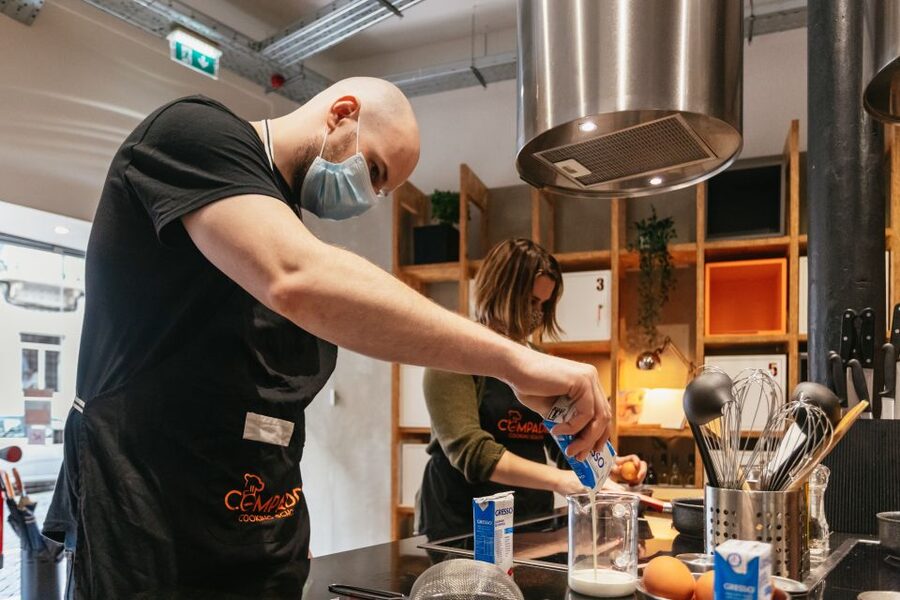
This is the most important point for people comparing cooking classes. You take part in the preparation, but not every component is made from raw ingredients in front of you.
The pastry dough may be prepared in advance, and the custard is described as very simple. That reduces the amount of technical pastry work. It also keeps the class within two hours and makes it suitable for people who do not cook often.
If your goal is a relaxed introduction to Portuguese food, this is a good setup. You learn the key shaping and filling techniques, hear useful background, and get to eat the result without spending a long afternoon on a complex bake.
If you want an intensive pastry workshop with laminated dough, detailed oven science, or several versions of custard, this class may feel too light. The experience is better understood as a cultural cooking activity with practical baking rather than advanced culinary training.
Is $64 per person good value?

At $64 per person, the price is fair if you value instruction, food, and the social setting together. Your fee covers ingredients, cooking equipment, utensils, an instructor, insurance, tea, and two recipes.
You are also paying for the convenience of a prepared kitchen and a guided activity in English. Buying a few pasteis de nata in Lisbon would cost far less, of course. The value comes from learning how to make them, understanding their place in Portuguese food culture, and taking the recipes home.
The second recipe helps the price make more sense. You are not spending the entire session on a single tart, and you finish with more food to taste. The class also supplies what you need, so you do not need to buy ingredients or bring cooking equipment.
I would see it as good value for couples, families, solo visitors, and anyone who likes food-based activities. It is less appealing if you only want to eat a pastry or if you are measuring value strictly by the amount of food served.
The practical details that matter
The class lasts two hours, but you should expect to stand for about 1 hour and 20 minutes. That is manageable for many people, though it may be tiring if you have back problems. The activity is specifically not recommended for people with back problems.
Wear comfortable shoes. You do not need to bring cooking equipment or ingredients, since those are provided. Pets and smoking are not allowed.
Instruction is in English. The activity does not include pickup or drop-off, so you need to make your own way to the kitchen. The meeting point is the local partner’s kitchen, not a general city-center meeting location.
Tea is included, but other beverages are not. The description also refers to coffee and a light meal, while one experience did not provide the advertised tea and coffee at the expected time. I would treat the pastries and second recipe as the reliable food portion and ask about drinks if that detail matters to you.
The cancellation policy is friendly: you can cancel up to 24 hours in advance for a full refund. You can also reserve now and pay later, which helps if your Lisbon plans are still shifting.
Dietary needs and the standing time

Portuguese cooking is not especially vegan-friendly, and the activity asks vegan participants to contact the local supplier beforehand. Do that before booking rather than assuming the recipes can be changed on the day.
Vegetarian accommodation has been possible in at least one session, but the information does not promise a vegetarian or vegan menu for every class. Ask in advance about the exact second recipe and any substitutions.
The class is also a poor fit if you cannot comfortably stand for much of the session. There is time to sit and eat at the end, but the preparation itself takes place standing in the kitchen.
Families can find the class approachable. An eight-year-old took part in one session, and the simple instructions suit beginners. Children should still be comfortable following kitchen directions and standing for part of the class.
What to do with the recipes afterward
The real benefit of a cooking class appears after your holiday. A recipe card is easy to forget, but a dish you made yourself gives you a better chance of trying it again.
Take notes if you want to repeat the pastel de nata at home. Pay attention to how thinly the pastry is shaped, how full the cases are, and how the custard looks before baking. Those small details are more useful than simply copying ingredient quantities.
You can also use the recipes to share a piece of Lisbon with friends or family. One participant planned to make pasteis for colleagues after returning home. Just remember that the best results will depend on your own tins, oven, and ingredients.
I also like the way the class encourages you to keep tasting in Lisbon. After learning the basics, you can compare your work with pasteis from bakeries around the city and in Belém. That gives you a better eye for pastry texture and custard flavor.
Who should book this Lisbon cooking class?
I would recommend it to you if you want a short, social activity that connects food with local culture. It works especially well on a day when you want a break from museums, viewpoints, and city walking.
It suits beginner cooks, families with older children, couples, and solo visitors. The class is friendly without requiring previous baking experience, and the two-hour length fits neatly into a busy Lisbon itinerary.
You may want to skip it if you need a full meal, have significant back problems, or want advanced pastry training. Vegans should contact the provider before booking, since the recipes are not automatically suited to a vegan diet.
Should you book the pastel de nata class?
Book it if the idea of making Lisbon’s signature tart sounds more appealing than simply buying one. The strongest reasons are the approachable teaching from Anna and Marta, the useful pastry tips, the second Portuguese recipe, and the chance to share the finished food at the table.
Go in knowing what you are getting: a relaxed, beginner-level kitchen activity, not an intensive pastry apprenticeship. At $64, it offers solid value when you count the ingredients, instruction, recipes, tasting, and cultural context.
For most food-minded visitors, I think it is a smart two-hour addition to Lisbon. Just eat a proper meal elsewhere, wear comfortable shoes, and confirm dietary or drink arrangements before you arrive.
FAQ
How long does the pastel de nata cooking class last?
The class lasts two hours.
How much does the class cost?
The listed price is $64 per person.
What recipes will I make?
You will make pastel de nata and one other traditional Portuguese recipe. The additional recipe can vary, with past sessions including farófios and cod fritters.
Is the class taught in English?
Yes. The instructor language is English.
Are ingredients and cooking equipment provided?
Yes. Cooking equipment, utensils, and ingredients are included.
Are tea and coffee included?
Tea is listed as included. Other beverages are not included, and coffee is not guaranteed in the provided activity information.
Does the class provide hotel pickup and drop-off?
No. Pickup and drop-off are not included.
Can I take food and recipes home?
You receive the recipes for both treats, and bags may be available for taking some prepared pastries away.
Is the class suitable for vegans or people with back problems?
The activity is not automatically vegan-friendly, so vegan participants should contact the local supplier beforehand. It is not recommended for people with back problems because you will stand for about 1 hour and 20 minutes.
Just added in Lisbon
- Half day Spa Water Therapy experience at THE SPA at Corinthia Lisbon★ 4.5 · 51 reviews
- Lisbon Cinematic Photoshoot with Top-Rated Photographer★ 5.0 · 76 reviews
- Central Lisbon E-Bike Tour★ 5.0 · 168 reviews
- Small-Group Sailing Tour on the Tagus River from Lisbon★ 5.0 · 78 reviews
- Lisbon Sailing Catamaran Public Cruise with drinks★ 5.0 · 304 reviews
- Alfama and the Castle of Saint George Skip the line Tour★ 5.0 · 53 reviews
- City Centre Run in Lisbon★ 5.0 · 164 reviews
- Boat tours in the Óbidos Lagoon★ 5.0 · 100 reviews
Pastel de Nata Workshops, compared.
Pastel de Nata Cooking Class with Grandma’s Recipe
Read our review →
Pastel de Nata Cooking Class with Port Wine – Sé
Read our review →

Browse the lists this tour appears in