

Reviewed · PASTEL DE NATA WORKSHOPS
Lagos: Bake Pastel de Nata – Class in Lagos, Algarve
The best part of this Lagos class is that you do not just eat pastel de nata, you make it from pastry to custard to oven. Joana and her co-instructors keep the mood relaxed, explain each step clearly, and add local tips along the way. My two favorite touches are the hands-on work and the warm social setting, where solo visitors, couples, families, and people from several countries cook at the same table.
I also like that you finish with hot pastéis de nata and, in some sessions, a little port wine while the pastries bake. The main consideration is value: at $53 per person, this is not a cheap snack stop, and one portion of the work may feel more guided than fully independent. Still, the recipe, instruction, and shared kitchen time make it more than a pastry tasting.
Key points to know before booking
- You make each part from scratch: Learn the custard, puff pastry, filling, shaping, and baking process.
- Joana is a welcoming local host: Her instruction includes practical baking advice, personal stories, and tips for Lagos and Portugal.
- The class is limited to 10 people: Small numbers make it easier to ask questions and get help.
- Fresh pastries are served at the end: You eat the pastéis de nata while they are still warm from the oven.
- Port wine may accompany the wait: It adds a distinctly Portuguese finish while the pastries bake.
- You receive the recipe afterward: A PDF arrives by email, so you can try the method at home.
Making Pastel de Nata in the heart of Lagos

Pastel de nata is one of Portugal’s defining sweets: crisp pastry wrapped around a soft baked custard, usually eaten warm. In Lagos, this class turns that familiar treat into a practical cultural activity rather than another item ordered at a café.
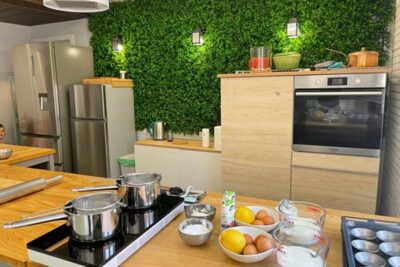
The setting is The Kitchen, a cooking-class and private-event space in central Lagos. The room has been described as clean, attractive, and well arranged for shared cooking. That matters because pastry work requires room for bowls, tools, ingredients, and trays without everyone bumping elbows.
You do not need to arrive as a skilled baker. The class is designed around clear instruction, and the process is broken into manageable stages. If your pastry skills are limited to opening a packet of biscuits, you should still be able to follow along.
The class runs for about two hours. That is enough time to work through the recipe, wait for the pastries to bake, and eat the result without giving up half a day of sightseeing.
Other places to bake your own in Lagos:
- Pastel de Nata Baking Class – Portugal’s Famous Custard Tart
★ 5.0 · 74 reviews - Lisbon: Pastel de Nata Baking Class
★ 4.9 · 2,106 reviews - Porto: Pastel de Nata Cooking Class with Grandma’s Recipe
★ 5.0 · 1,565 reviews
Starting with pastry, custard, and careful guidance

The lesson covers the four basic jobs needed for pastéis de nata:
- Preparing the puff pastry
- Making the creamy custard
- Joining pastry and filling
- Baking the finished tarts
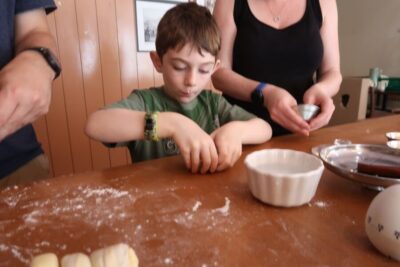
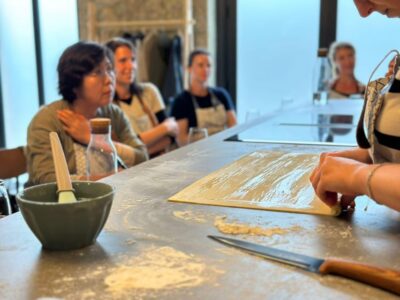
The pastry is the part that benefits most from an instructor nearby. Handling puff pastry takes some care, and Joana leads the group through the method rather than simply handing out prepared shells. That gives you a better sense of how the pastry is shaped and why the final texture depends on the preparation.
Next comes the custard. You learn how the filling is made and how it is combined with the pastry. The class is not presented as a professional pastry-school course, so you should not expect a long technical lecture on Portuguese baking. Instead, the focus is on a recipe you can understand and repeat.
That practical approach is a strength. You are not just watching someone else produce perfect pastries. You get to handle the ingredients, follow the sequence, and see how the parts come together.
At the same time, the amount of individual work can vary with the group. One person who attended with family felt there could have been more participation in some preparation steps. If you want a completely independent workshop, where every task is yours from start to finish, ask how the session is organized when you arrive.
Joana’s relaxed teaching style
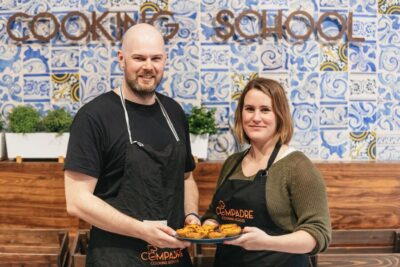
Joana is the instructor most often associated with this class, with Patricia, Margareta, Lara, and other co-instructors also appearing in sessions. The consistent theme is friendly, patient teaching. Directions are given in English and Portuguese, and the class welcomes people with different levels of baking experience.
I like the way this kind of teaching suits a holiday setting. You are learning, but you are not being graded. The atmosphere is light, and the instructors keep the group moving while allowing time for questions and conversation.
Joana also shares local suggestions and personal observations about Portugal. That adds a useful layer to the class, especially if you are new to Lagos and want ideas beyond the main sights. The cooking itself remains the focus, but the interaction helps connect the recipe with the place where it belongs.
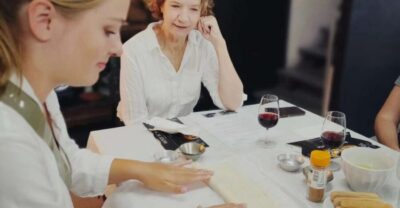
The social side is a large part of the appeal. A solo visitor can join without needing a partner, and couples or families have an easy activity that does not depend on beach weather. The group size is capped at 10, which is small enough for personal help but large enough for the table to feel sociable.
Several nationalities may be represented in one session. You can share stories while working, compare holiday plans, and learn how other people approach food at home. That conversation is not a formal part of the recipe, but it often becomes one of the most enjoyable parts of the afternoon.
Waiting for the oven with port wine

Once the pastries are shaped and filled, they go into the oven. The waiting period is put to good use. Sessions may include port wine, giving you a chance to sample one of Portugal’s best-known drinks while the custard sets and the pastry browns.
This is a small touch, but it helps the class feel like a Portuguese food experience rather than a standard baking lesson. You are not rushed out as soon as the tray goes into the oven. The wait becomes time for conversation, local tips, and the final part of the group activity.
The pastries are served fresh after baking. Pastel de nata is at its best warm, when the pastry is crisp and the custard is soft. You can judge the result immediately, and the contrast between the homemade batch and the many café versions you may have tried around Portugal becomes part of the fun.
A few sessions have included a game at the end, adding another playful note. The exact format may vary, so do not book the class solely for that extra activity. The dependable finish is the tasting itself.
Same base, a different kind of day out:
- Lagos: Combo Dolphin and Benagil Tour with Marine Biologist
★ 4.7 · 2,352 reviews - Lagos: Ponta da Piedade Rock Formations Guided Boat Tour
★ 4.9 · 2,290 reviews - Boat trip to the grottos at Ponta da Piedade, Lagos
★ 5.0 · 1,197 reviews - Boat Trip to Ponta da Piedade from Lagos
★ 5.0 · 1,016 reviews
What you take home besides a sweet tooth

The most useful souvenir is the PDF recipe sent by email after the class. This gives you a written record of the process instead of relying on memory after two hours of mixing, shaping, and tasting.
You also leave with a better sense of the work behind a Portuguese pastry that can look simple in a bakery display. The recipe has several stages, and seeing them in order makes it easier to repeat at home.
One practical tip comes from the class itself: if you want to buy the small baking tins used for pastéis de nata, ask the instructors where to find them. A nearby shop has been recommended for this purpose. That turns the recipe into a more realistic home project, since the right tins help create the familiar shape.
The recipe is not only for experienced bakers. Several people who described themselves as uncertain in the kitchen still felt able to try it again at home. Clear instruction and a written recipe make a difference here.
You should keep your expectations sensible. Your home oven, pastry tins, and ingredients may differ from those used in Lagos. The class teaches the method, but your first attempt at home may not look exactly like the tray you eat at the end.
Is $53 a fair price?
At $53 per person, the class costs more than buying several pastéis de nata at a bakery. If all you want is a taste of the pastry, this is not the economical choice. A café stop will be faster and much cheaper.
The value comes from the activity. Your price covers the ingredients, tools, instruction, hands-on preparation, tasting, and the recipe PDF. You are also paying for a small group and a host who spends time helping people through the process.
I think the price is reasonable for visitors who enjoy cooking or want an indoor activity with a clear local connection. It is less compelling for someone who dislikes group classes, does not want to bake, or is mainly looking for a quick dessert.
The small group helps justify the cost. With no more than 10 people, you should have a better chance to receive help than in a large demonstration class. Still, one family group felt that their teenager being charged as an adult made the outing expensive. Consider the total cost carefully if you are booking for several people.
The booking terms also offer some flexibility. You can reserve now and pay later, and cancellation is free up to 24 hours before the class for a full refund. Starting times vary, so check availability before planning the rest of your day.
Who will enjoy this Lagos cooking class?

This class is a strong choice for:
- Couples who want a shared activity away from the beach
- Solo visitors who enjoy meeting people around a table
- Families with children or teenagers interested in cooking
- Beginners who want patient instruction
- Experienced home bakers looking for a Portuguese recipe
- Food lovers who want more context than a bakery visit provides
It also works well as a change of pace during a Lagos stay. The Algarve is known for beaches, cliffs, and boat trips, but a cooking class gives you a different way to spend two hours.
You should think twice if you want a quiet, private lesson. The social element is central, and the class works best when you are happy to talk and share the kitchen. You should also allow a little flexibility in your schedule. One lively session ran beyond the advertised two hours because the group enjoyed staying and talking.
Useful details before you go

The activity takes place in Lagos, in the Algarve, at The Kitchen, a central cooking-class space. The address and exact meeting details should be checked when booking because the supplied information does not give a street address.
Instruction is available in English and Portuguese. The group limit is 10 people, and all cooking tools and ingredients are supplied. You do not need to bring baking equipment.
Wear something comfortable for working in a kitchen. The class involves preparation, handling pastry, and waiting for the oven, so it is better suited to practical clothing than to a tightly scheduled sightseeing outfit.
The overall rating is 4.9 out of 5 from 198 ratings, with especially strong praise for the instructors, clean kitchen, clear explanations, welcoming atmosphere, and fresh pastries. A small number of reservations remain: the class may feel costly for a family, and some people may want more independent preparation or more pastries to take away.
Should you book the pastel de nata class?

Book it if you want to learn a Portuguese recipe, meet people, and eat the result warm from the oven. The combination of hands-on work, local guidance from Joana and her co-instructors, port wine, and a take-home recipe gives the class more substance than a simple tasting.
Skip it if your priority is the lowest-cost way to sample pastel de nata, or if you prefer private activities with no group conversation. For most food-minded visitors in Lagos, though, this is a pleasant two-hour break from the usual sightseeing, with a useful recipe and a sweet reward at the end.
FAQ

How much does the Lagos pastel de nata class cost?
The class costs $53 per person.
How long does the class last?
The scheduled duration is two hours, although a lively group may occasionally stay longer.
Where does the class take place?
It takes place in Lagos, Algarve, at The Kitchen, a cooking-class and private-event space in a central location.
What languages are available?
Instruction is available in English and Portuguese.
How many people can join the class?
The class is limited to 10 participants.
Are ingredients and cooking tools included?
Yes. The ingredients and cooking tools needed for the pastries are included.
Do I receive the recipe after the class?
Yes. You receive a PDF of the recipe by email after the experience.
Can I cancel for a full refund?
Yes. You can cancel up to 24 hours in advance for a full refund.
Can I reserve now and pay later?
Yes. The booking option allows you to reserve a place and pay later, helping you keep your plans flexible.
Just added in Lagos
- TUK TUK Tour around Lagos Old & New Town & beaches – Best way to know Lagos★ 5.0 · 488 reviews
- Wild and Wonderful West Coast Full Day Tour★ 5.0 · 92 reviews
- Small group Wine Tasting Tour from Lagos★ 5.0 · 145 reviews
- Sunset Yoga at Lagos’s beautiful beach by el Sol Lifestyle★ 5.0 · 52 reviews
- Sunrise SUP Caves Tour in Lagos – Small Group Experience★ 5.0 · 49 reviews
- NEW Lagos-Watching Dolphins and Benagil Cave with Biologists★ 4.5 · 147 reviews
- Sagres Sunset Small Group Tour from Lagos★ 5.0 · 94 reviews
- Sagres & Cape St. Vincent Half-Day Tour★ 5.0 · 116 reviews
Pastel de Nata Workshops, compared.
Pastel de Nata Cooking Class with Grandma’s Recipe
Read our review →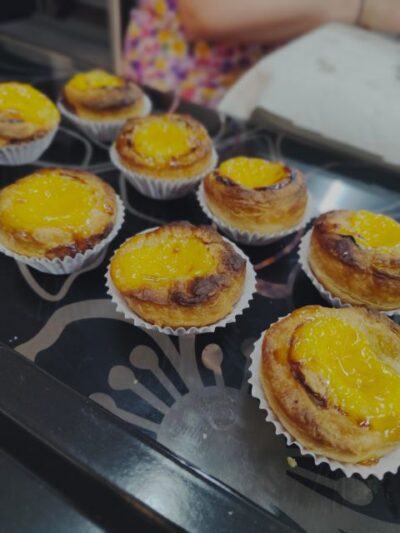
Pastel de Nata Cooking Class with Port Wine – Sé
Read our review →
Browse the lists this tour appears in