
Reviewed · COOKING CLASSES
Lisbon: Portuguese Cooking Class for Beginners
Portuguese food is at its best around a shared table, and this class lets you help make the meal before sitting down to eat it. You prepare three dishes in a small group, then enjoy the results with wine, tea, and coffee.
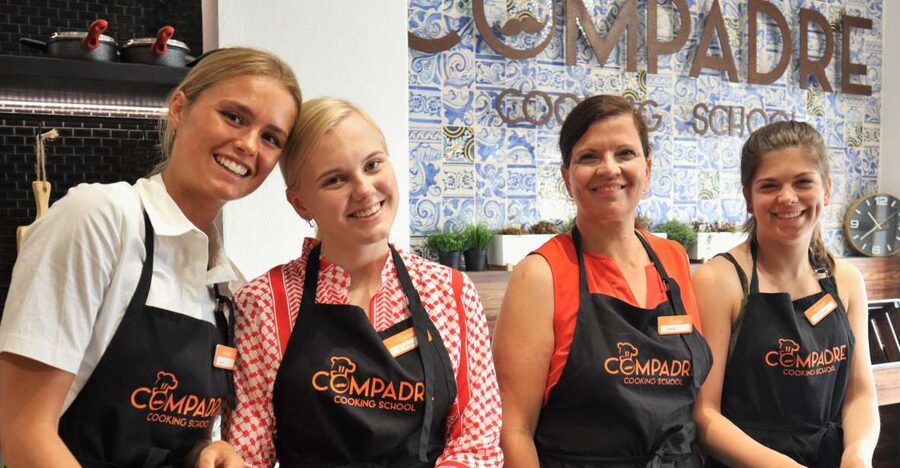
I like the mix of hands-on cooking and cultural context. Instructors such as Anna and Marta explain where the dishes and ingredients fit into Portuguese life, while patient guidance keeps beginners involved. The recipes you receive afterward make the $88 price more useful than a one-off meal.
The main drawback is physical: you stand for at least two hours, so this is not a good pick if you have serious back problems. Hotel pickup is not included either, so you must make your own way to Compadre Cooking School in Lisbon.
Key points to know before booking
- Three dishes in three hours: You cook several parts of a Portuguese meal rather than watching a demonstration.
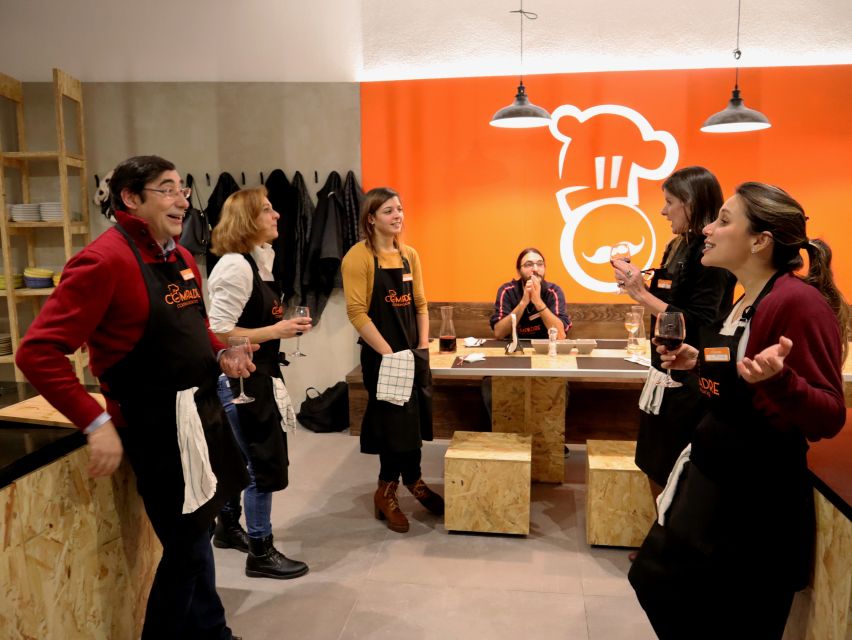
- Small group of up to six: The size allows the instructor to help you directly at the counter and stove.
- Portuguese food comes with a story: Anna, Marta, and the other instructors explain the history and cultural role of the recipes.
- Meal and drinks are included: Sit down to eat what you prepared, with wine, tea, and coffee served as part of the experience.
- Recipes go home with you: Use the supplied recipes to recreate the dishes for friends and family.
- Comfortable shoes matter: You will be on your feet for at least two hours.
Cooking Portuguese food at Compadre Cooking School

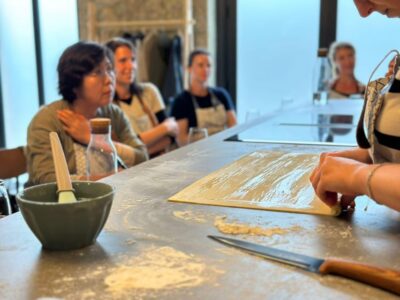
This is not a class where you sit at a desk while a chef does all the work. You step into the kitchen, handle ingredients, follow the preparation, and help bring several dishes together.
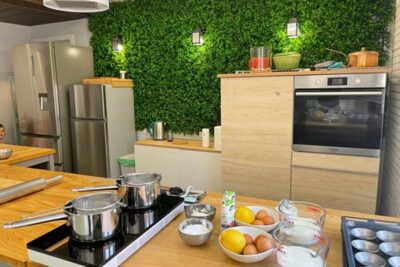
The setting is Compadre Cooking School in Lisbon. The exact starting time varies, so you need to check availability when booking. Since there is no hotel pickup, plan your route to the school before class day and allow enough time to arrive without rushing.
The class lasts three hours. That is long enough to cover preparation, cooking, conversation, and a proper meal, but short enough to fit into a busy Lisbon visit. I would place it on a day when you want a break from museums and walking, though you should not expect a completely restful afternoon. The cooking itself keeps you standing for much of the session.
The group is limited to six participants. That small size matters more in a cooking class than it does on a standard sightseeing tour. You have a better chance to see each step, ask questions, and get help with a knife, pan, or unfamiliar ingredient. It also makes the final meal feel more like a shared table than a scheduled restaurant stop.
Other classes where you cook in Lisbon:
- Lisbon: Pastel de Nata Baking Class
★ 4.9 · 2,106 reviews - Lisbon: Traditional Portuguese Cooking Class
★ 4.9 · 592 reviews - Lisbon: 2-Hour Pastel de Nata Cooking Class
★ 4.8 · 461 reviews
A beginner-friendly lesson with real participation
The class is designed for beginners, so you do not need advanced kitchen skills. The instructors guide you through each stage and help with preparation and cooking rather than assuming you already know Portuguese methods.
That hands-on approach suits someone who wants more than a recipe card. You learn how the dishes come together, why certain ingredients matter, and how food connects to Portuguese family life and social customs. The lesson gives the meal a sense of place, not just a list of ingredients.
English and Portuguese are available. The instructors named in the feedback include Anna and Marta, both praised for explaining steps clearly, working at a comfortable pace, and keeping the mood light. That patience is useful if you are nervous in the kitchen or rarely cook at home.
You should still expect a group activity. You may share tasks, wait briefly while another person completes a step, or work alongside people with different cooking speeds. For most people, that is part of the appeal. The small group makes it easier to talk with people from different countries while you prepare lunch or dinner together.
Three dishes, including seafood and possible adjustments

You prepare three different dishes during the session. The exact menu is not specified in advance here, so you should confirm the current dishes if you have strong dietary preferences or want to know precisely what you will cook.
The available feedback refers to cod and prawn dishes, as well as chicken piri-piri. One participant who was not keen on seafood received a chicken piri-piri option, with adjustments made to the cod and prawn recipes. That suggests the team can sometimes adapt the menu, but you should tell the school about dietary needs ahead of time rather than assume every request can be met.
The seafood element is worth noting. Cod is deeply tied to Portuguese cooking, and prawns are another familiar part of the country’s coastal food traditions. If you enjoy seafood, the menu may give you a useful introduction to dishes you might otherwise order without understanding how they are prepared.
If you prefer meat or do not eat seafood, ask about substitutions before booking. The supplied information confirms one successful accommodation, but it does not promise a set range of vegetarian, vegan, allergy-safe, or other special menus.
The three-dish format also gives you variety. You are not spending the whole class perfecting one complicated recipe. Instead, you get a broader taste of Portuguese cooking and several recipes to try at home.
Food stories make the meal more memorable

The instructors explain the background of the recipes and ingredients, including how the dishes relate to Portuguese people and daily life. That conversation is one of the best reasons to choose a cooking class instead of simply booking a meal.
Food in Portugal is closely linked to family, tradition, and hospitality. Around the table, people share dishes, conversation, and time together. The class uses that idea in a practical way: you cook as a group, then eat together after the work is done.
The cultural talk is not presented as a separate lecture that takes you away from the cooking. It is woven into the steps. As you prepare a dish, you hear more about its place in Portuguese cooking and the ingredients passed down through generations.
You may also get practical Lisbon advice along the way. The available feedback describes the instructors offering recommendations about Portugal in addition to cooking guidance. That can be useful early in your visit, when you are still deciding what foods to try and where to look for them.
I like this balance. You learn enough history to understand the food, but the class remains active and social. It is especially helpful if you enjoy knowing why a dish matters, not just whether it tastes good.
Same base, a different kind of day out:
- Lisbon City Center Tour – The Unmissable Lisbon
★ 5.0 · 22,234 reviews - Lisbon: Sintra, Pena, Regaleira, Cabo da Roca & Cascais
★ 4.7 · 19,656 reviews - Lisbon: Jerónimos Monastery Entrance Ticket
★ 4.1 · 14,164 reviews - Lisbon: History, Stories and Lifestyle Walking Tour
★ 4.8 · 10,902 reviews
The sit-down meal is part of the value

After cooking, you sit down and eat the dishes you helped prepare. This full meal is included in the price, along with wine, tea, and coffee.
That final meal gives the three-hour class a satisfying shape. You start by learning, continue by working, and finish by sharing the results. It also lets you taste the food in the setting for which it was prepared, rather than packing up immediately after the last pan is washed.
Wine is served while cooking and eating according to the experience details provided. One past participant also described the wine as unlimited, but the formal inclusions only specify beverages, so I would not treat unlimited wine as a guaranteed promise. If you do not drink alcohol, tea and coffee are included as alternatives.
The meal is social rather than private. You share the table with the other members of your group, which can be a pleasant way to meet people during a Lisbon stay. If you are looking for a quiet, formal dining experience, this may feel more casual than you want. If you like food, conversation, and a little teamwork, it fits well.
What the $88 price really covers

At $88 per person, this is not simply a cooking lesson. You are paying for a three-hour activity, an instructor, equipment, ingredients, a full meal, beverages, and recipes to use later.
The strongest value comes from the combination of instruction and food. A regular meal would give you something to eat, while a standard demonstration might teach you something without giving you much practice. Here, you take part in preparing three dishes and then eat them.
The recipes add lasting value. You receive the instructions after class, and the school also provides access to a larger Portuguese cookbook through a QR code according to one participant. The supplied details confirm that recipes are provided, though the size and format of any additional cookbook may vary.
The price makes the most sense if you would pay separately for a good meal and enjoy a guided cultural activity. It is less appealing if you dislike group cooking, do not want to stand for a long period, or mainly want a quick meal without instruction.
There is also no hotel transfer. That is normal for a central cooking class, but remember to budget your own time and transport to Compadre Cooking School. The meeting point is in Lisbon, not a separate town in the wider Lisbon District.
Who will enjoy this class most
I would recommend this experience to:
- First-time visitors who want an introduction to Portuguese food beyond restaurant menus
- Couples, friends, and solo participants who enjoy small-group activities
- Beginners who want direct help rather than a demanding professional lesson
- People who like meeting others over a shared meal
- Anyone who wants recipes to recreate Portuguese dishes at home
- Food lovers curious about cod, prawns, chicken piri-piri, and the stories behind them
It also works well for a rainy day or for a change of pace after several hours of sightseeing. You get a warm indoor activity with food at the end, and the three-hour schedule is easy to fit into a Lisbon itinerary.
I would be more cautious if you have back problems, dislike seafood, or need strict dietary control. The class requires at least two hours of standing, and the menu is not fully described in advance. Ask about adaptations before you reserve.
Children are not specifically discussed in the available information, so families should confirm age suitability directly with the school. The formal restrictions list pets and smoking as not allowed.
Practical details that affect your day
Wear comfortable shoes. This is the clearest packing advice because you will be standing and moving around the kitchen for much of the class.
The class is offered in English and Portuguese. If you book in English, you can expect the instructor to explain the recipes and steps in that language, while Portuguese may be used by the staff and other participants as well.
You can cancel up to 24 hours in advance for a full refund. The reserve-now, pay-later option also keeps your plans flexible, since you can hold a spot without paying at the time of booking.
The overall rating is 4.9 from 78 ratings, with repeated praise for the food, the instructors’ patience, the historical explanations, and the friendly group atmosphere. The most consistent strength is not one particular recipe. It is the way the class combines clear teaching, shared cooking, and a proper meal.
Keep your schedule flexible after class if you want to linger over coffee or conversation, but do not assume the session will run beyond its stated three hours. Check the available start time before planning nearby activities.
Should you book the Lisbon Portuguese cooking class?

Book it if you want to understand Portuguese food by preparing it yourself. The small group, three-dish format, cultural explanations, full meal, and take-home recipes give you more than a standard restaurant visit for the money.
I would especially choose it early in a Lisbon trip. The food background can help you make better choices at later meals, and the instructors may offer useful suggestions about Portuguese dishes and local eating.
Skip it if standing for two hours will be difficult, if you want a private class, or if you need a menu that is guaranteed to meet strict dietary requirements. For everyone else, this is a practical, social way to spend three hours and take a piece of Portuguese cooking home with you.
FAQ
Where does the cooking class take place?
The class takes place at Compadre Cooking School in Lisbon, Portugal.
How long does the class last?
The cooking class lasts three hours.
How many people are in the group?
The class is limited to six participants.
Which languages are available?
Instruction is available in English and Portuguese.
What is included in the price?
The price includes the instructor, cooking equipment, ingredients, a full meal, beverages, recipes, and insurance.
Are hotel pickup and drop-off included?
No. Hotel pickup and drop-off are not included.
Do I need to bring anything?
Bring comfortable shoes. You will be standing for at least two hours.
Can I cancel the booking?
Yes. You can cancel up to 24 hours in advance for a full refund. A reserve-now, pay-later option is also available.
Just added in Lisbon
- Half day Spa Water Therapy experience at THE SPA at Corinthia Lisbon★ 4.5 · 51 reviews
- Small-Group Sailing Tour on the Tagus River from Lisbon★ 5.0 · 78 reviews
- Lisbon Cinematic Photoshoot with Top-Rated Photographer★ 5.0 · 76 reviews
- Central Lisbon E-Bike Tour★ 5.0 · 168 reviews
- Lisbon Sailing Catamaran Public Cruise with drinks★ 5.0 · 304 reviews
- Alfama and the Castle of Saint George Skip the line Tour★ 5.0 · 53 reviews
- City Centre Run in Lisbon★ 5.0 · 164 reviews
- Boat tours in the Óbidos Lagoon★ 5.0 · 100 reviews
Cooking Classes, compared.
Pastel de Nata Cooking Class with Grandma’s Recipe
Read our review →
Pastel de Nata Cooking Class with Port Wine – Sé
Read our review →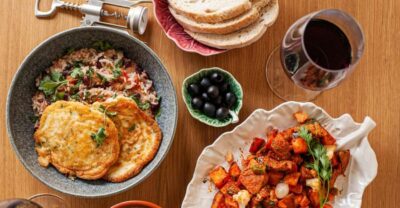


Pastel de Nata Baking Class – Portugal’s Famous Custard Tart
Read our review →Browse the lists this tour appears in