

Reviewed · WALKING TOURS
Lisbon: Best of City Private Walking Tour
Lisbon’s story comes alive on foot, from the grand geometry of Baixa to the tangled lanes of Alfama. This private tour gives you a useful first look at the city, with time for the Carnation Revolution, Fado, the 18th-century earthquake, and Portugal’s changing identity.
I like the personal guide and the built-in food stops: a pastel de nata, a tapa, and wine turn a history walk into a taste of daily Lisbon. I also like the route’s range, from Rossio’s open square to Alfama’s maze-like streets. The main drawback is pace: three hours covers a lot, so you will see monuments from outside rather than tour their interiors.
Key points to know before you book
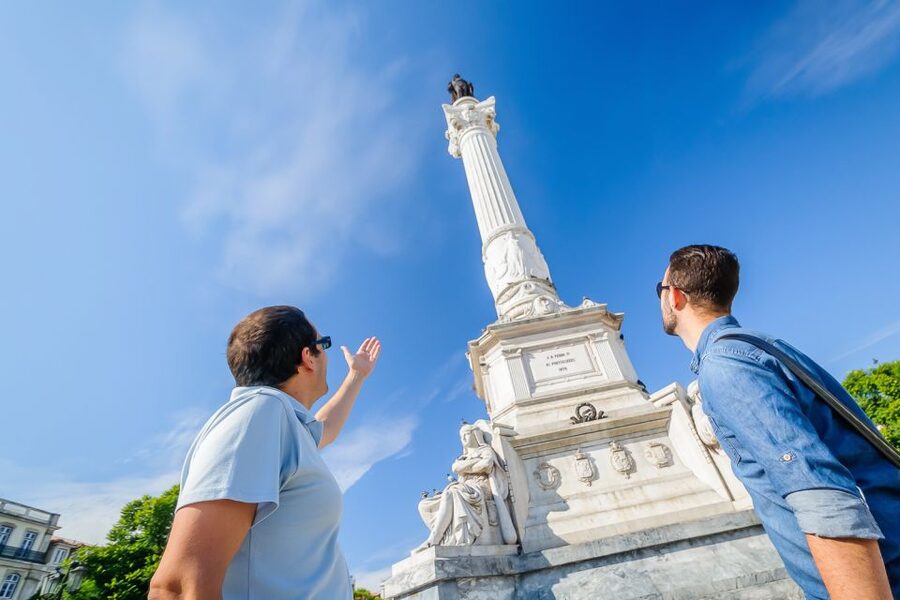
- A private introduction to Lisbon: Your own guide can answer questions, adjust the pace, and offer ideas for the rest of your stay.
- A strong first-day route: Rossio, Restauradores, Carmo, Chiado, Baixa, Alfama, and Praça do Comércio give you a broad city overview.
- History tied to real places: Hear about the 1755 earthquake at Baixa and the fall of Portugal’s dictatorship at Carmo Square.
- Three small food and drink stops: The tour includes a Pastel de Nata, one tapa, and a wine tasting.
- Guides praised for warmth and flexibility: Names mentioned include João, Filipa, Ines, Beatriz, Carolina, Pedro, Tiago, Catarina, Raquel, and Julia.
- A walking tour, not a monument tour: Entrance fees and guided visits inside attractions are not included.
Why this private walk works well as a first look at Lisbon
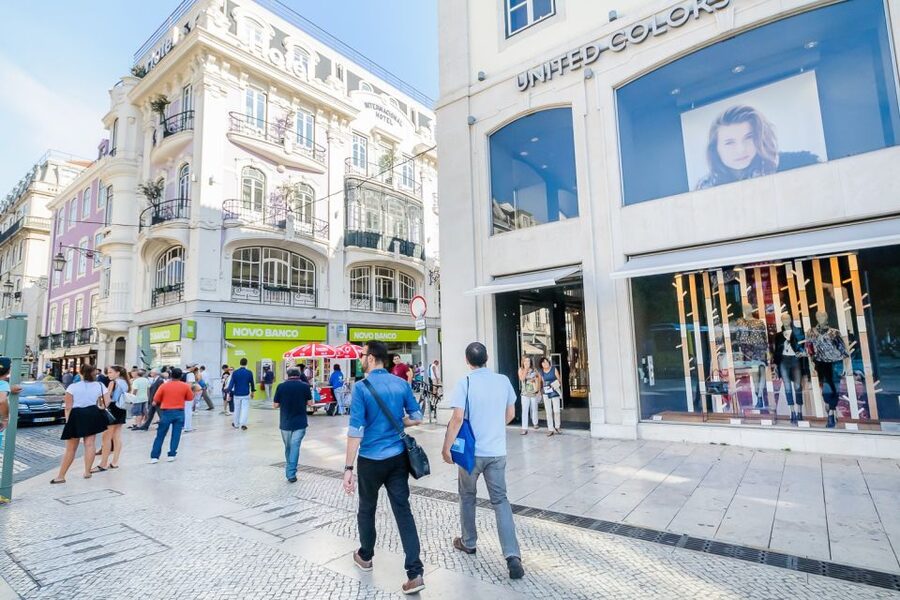
At $102 per person, this is not the cheapest way to see Lisbon. It is a private tour, though, so the value changes with your group size. For a couple, the cost buys personal attention and the chance to shape the conversation. For a family or small group, the per-person price may feel more reasonable, especially with food and wine included.
I see the tour as an orientation rather than a complete sightseeing day. You will not spend long inside a church or museum. Instead, you move through several parts of central Lisbon and learn how they fit together. That makes the tour useful at the start of a stay, when you want to understand where you are before choosing restaurants, Fado venues, viewpoints, or paid attractions.
The meeting point is Praça Dom Pedro IV, usually called Rossio Square, in front of the column of King Pedro IV. The tour ends at the same meeting point according to the standard arrangement, although the route itself finishes at Praça do Comércio. Hotel pickup is available for hotels in Lisbon’s city center, so confirm that option when booking if you prefer not to make your way to Rossio.
Other guided walks in Lisbon:
- Lisbon: History, Stories and Lifestyle Walking Tour
★ 4.8 · 10,902 reviews - Best of Lisbon Small-Group Guided Walking Tour
★ 5.0 · 4,869 reviews - Lisbon: Food and Wine Small Group Walking Tour
★ 4.9 · 4,082 reviews
Rossio Square and the city’s central stage
Rossio is a good place to begin because it sits at the center of old and modern Lisbon. Your guide uses the square to set the scene, explain the city’s layout, and introduce the history you will see repeated throughout the walk.
This is not simply a quick photo stop. Rossio helps you understand how Lisbon functions as a city of gathering places. From here, the route leads toward Restauradores and the rebuilt Baixa district, so you begin with a broad view before moving into smaller streets.
The tour’s private format matters here. You can ask your guide to explain a detail that catches your eye, or pause briefly without holding up a large group. Guides such as Pedro Osorio were praised for answering questions about history, politics, and culture, while other guides, including Rachel, were appreciated for giving enough information without flooding people with names and dates.
That balance is important. Lisbon has plenty of stories, but a three-hour walk works best when the history stays connected to what you are looking at.
Restauradores and the long memory of Portugal
At Restauradores Square, the large obelisk commemorates Portugal’s restoration of independence from Spain in 1640. It is a simple landmark with a large national story behind it, and your guide can place that story within Portugal’s wider past.
This stop also gives the tour a chance to move between grand public spaces. Rossio and Restauradores are open, formal squares, while later parts of the route become more intimate and irregular. I like that change of scale because it keeps the walk from feeling like a string of similar plazas.
You should expect the guide to talk rather than take you inside an attraction here. The tour includes views of major sites and historical explanation, but it does not include guided visits inside monuments or entrance tickets. If the obelisk, nearby churches, or another site catches your interest, make a note of it for a later visit.
Carmo Square and the Carnation Revolution
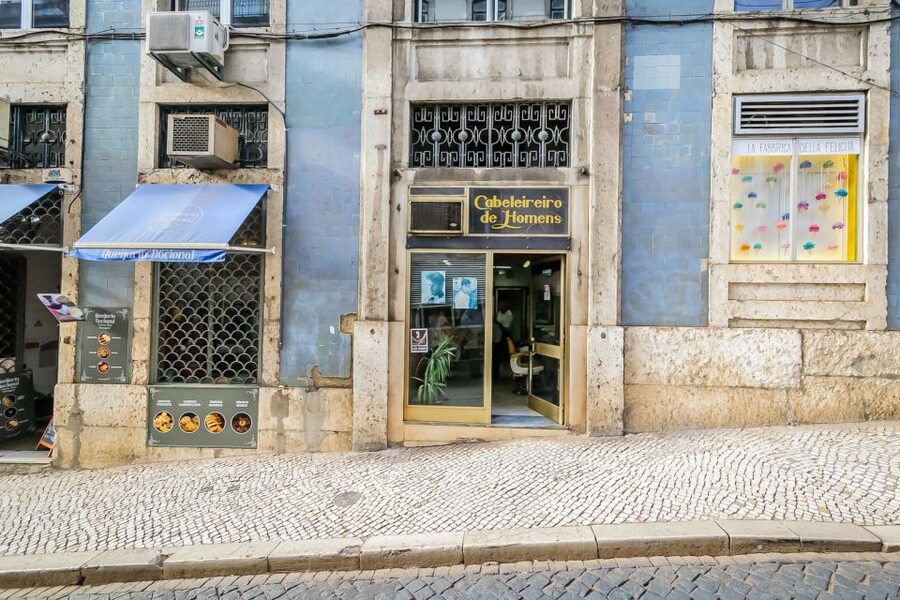
Carmo Square is one of the most meaningful stops on the route. It is associated with the Carnation Revolution of 1974, when Portugal’s dictatorial regime fell after 48 years. Your guide connects the square to that turning point, giving modern Portuguese history a clear physical setting.
This part of the walk is especially useful if you know little about Portugal beyond its older royal and maritime stories. The tour does not treat Lisbon as a city frozen in the past. It links old buildings and public squares to the political changes that shaped present-day Portugal.
The Carmo Church is another visual highlight. The tour takes you to the church area, but the cost does not include an interior visit. That is worth noting if you want to explore the ruins or other monuments at length. The private walk gives you context and a look from outside, then keeps moving.
Guides have also been praised for adjusting to real conditions. Beatriz reportedly moved a start time earlier when a group arrived sooner than expected. That kind of flexibility is helpful, but you should still contact the operator after booking if you have a tight schedule.
Same base, a different kind of day out:
- Lisbon City Center Tour – The Unmissable Lisbon
★ 5.0 · 22,234 reviews - Lisbon: Sintra, Pena, Regaleira, Cabo da Roca & Cascais
★ 4.7 · 19,656 reviews - Lisbon: Jerónimos Monastery Entrance Ticket
★ 4.1 · 14,164 reviews - Lisbon: Sunset Boat Party Cruise with DJ and Open Bar
★ 4.5 · 10,378 reviews
Chiado, where Lisbon feels polished and literary
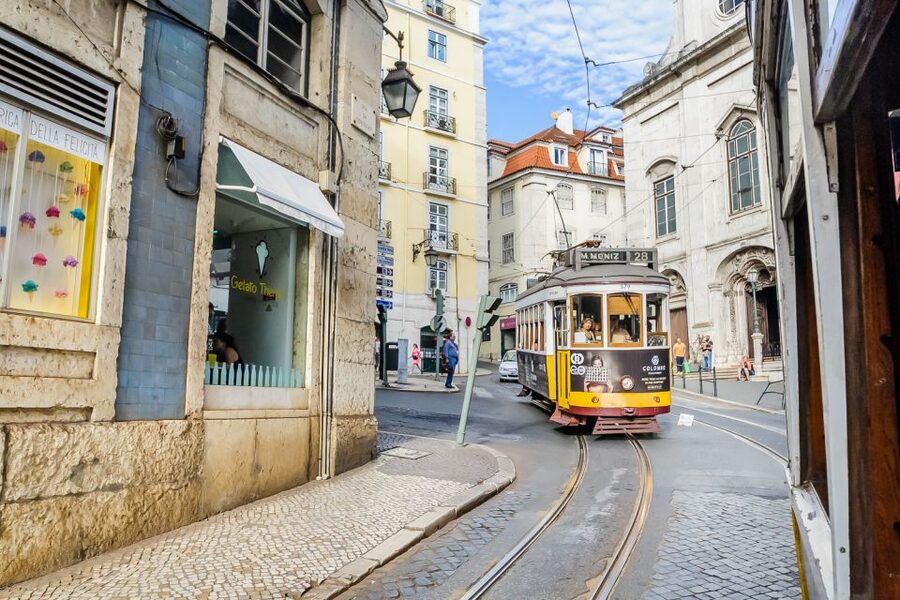
From Carmo, the route continues through Chiado. This elegant district is known for old cafés, boutiques, theaters, and bookstores. It is one of the places where Lisbon’s commercial and cultural sides meet, and it provides a different mood from both Baixa and Alfama.
I like Chiado as part of this route because you can see how the city changes block by block. The architecture feels more refined, the streets invite browsing, and the cafés offer a practical pause from the monuments. Rachel was singled out for patiently allowing time to shop in stores along the way, so you can ask your guide about a brief stop if your group has a particular interest.
The tour includes a Pastel de Nata, Portugal’s famous custard tart. It is a small inclusion, but it makes sense here. You are not just hearing about Lisbon’s food culture in the abstract. You get a chance to try one of the country’s best-known pastries during the walk.
The food stop is not a full meal. Plan to eat separately if you need lunch or dinner, especially since the standard tour lasts three hours. For a shore excursion, the operator says lunch can be excluded and the tour can be shortened to fit your time in Lisbon. Contact the operator after booking so that flexibility is confirmed rather than assumed.
Baixa and the city rebuilt after disaster
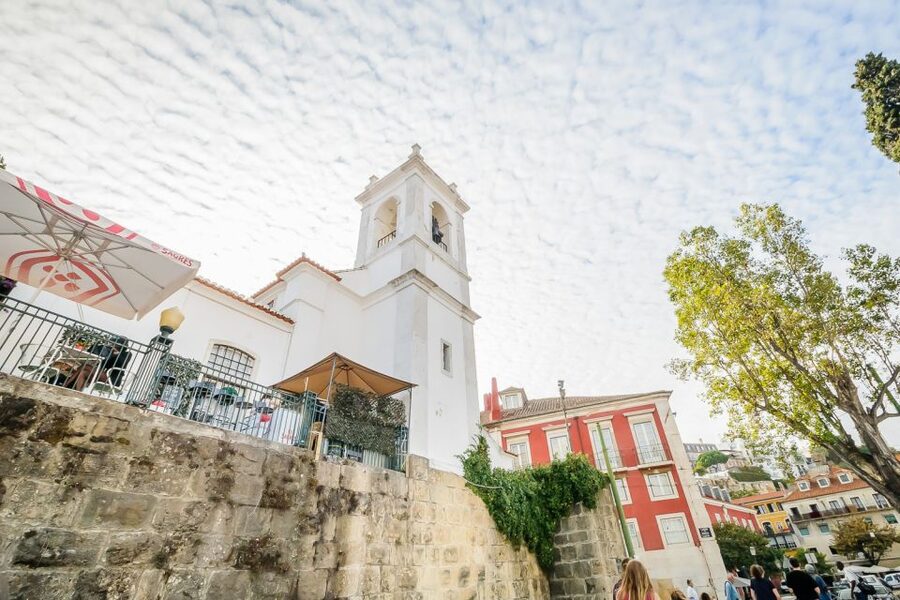
Baixa gives the tour its clearest lesson in urban planning. After the 18th-century earthquake destroyed much of Lisbon, this central district was rebuilt according to new rules, with a more organized street plan and construction methods intended to improve safety.
Your guide can explain why Baixa looks so different from Alfama. The contrast is the point. In Baixa, the city feels planned and measured. In Alfama, streets twist and narrow in ways that reflect a much older pattern.
This section is valuable because the earthquake is not presented as a detached date in a history lesson. You see the result in the shape of the streets and the way the downtown district was designed. Guides including Pedro and Carolina were praised for explaining both the past and present city, which is the kind of broad context that makes this stop useful.
The route moves through public spaces rather than focusing on a single attraction. That keeps the walk efficient, but it also means you should not expect long architectural lectures at every building. Ask questions as you go. A private guide is most useful when you use that access.
Alfama’s lanes and Lisbon’s Fado tradition
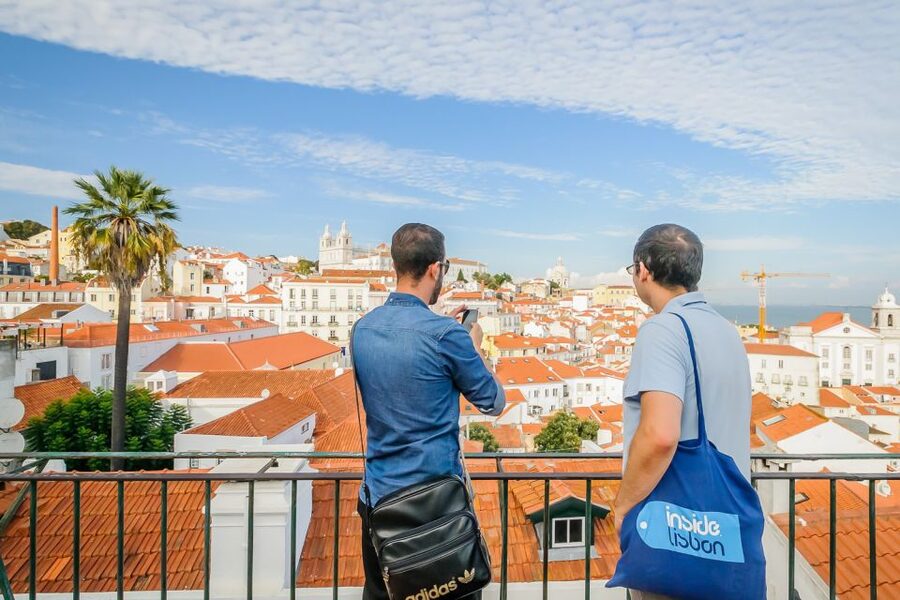
Alfama is the most atmospheric part of the walk. Its small squares and narrow alleyways feel far removed from the orderly streets of Baixa. The route introduces you to the Moorish character of the neighborhood and to the idea that parts of Alfama preserve an older pattern of Lisbon life.
This is where comfortable shoes matter most. You are walking for three hours through central Lisbon, including a maze of narrow streets. The pace can be adjusted, and an older couple described the three-hour pace as manageable, but the tour still requires steady walking. If your group includes tired teenagers, older family members, or anyone who needs frequent pauses, tell the guide at the start.
Your guide also talks about Fado, Lisbon’s own musical genre, while pointing out hidden Fado restaurants in Alfama. The tour does not include a Fado performance, so think of this as an introduction rather than an evening show. You will finish with a better sense of where Fado belongs in the city, then you can choose a venue for another night.
This is also a section where personal storytelling can make a big difference. Miguel was praised for bringing local history to life, while Rossana was noted for using funny historical details to keep children engaged. The guide you receive may shape the tone, but the private format gives you room to say if you want more history, more food advice, or a lighter pace.
The tasting stops make the history easier to remember
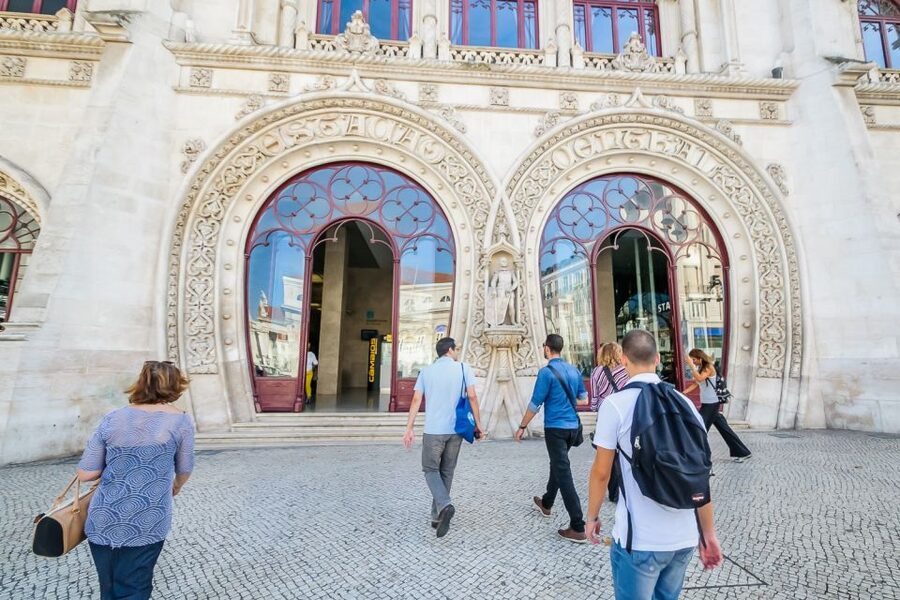
Food is woven into the walk in three modest ways: a Pastel de Nata, one tapa, and wine tasting. The tapa may include items such as sausage, ham, cheese, and bread, based on the tasting described by one participant. Treat this as a snack rather than a meal.
The wine stop is at a local bar before the route ends. It gives you a chance to sit briefly, talk with your guide, and ask for practical advice about the rest of your visit. Several guides were praised for restaurant suggestions, ideas for other Portuguese cities, and help with planning family activities.
I value that kind of advice because it can be more useful than another list of monuments. Ask about where to eat, which districts to return to, and how to reach your hotel or the next part of your itinerary. One guide even helped explain how to buy metro tickets, which is the sort of small skill that can save time later.
There is no promise that every group receives exactly the same tasting sequence or stop length, so allow the guide to manage the timing. The included food and drink add value, but the main benefit remains the private explanation of the city.
Praça do Comércio and the end of the route
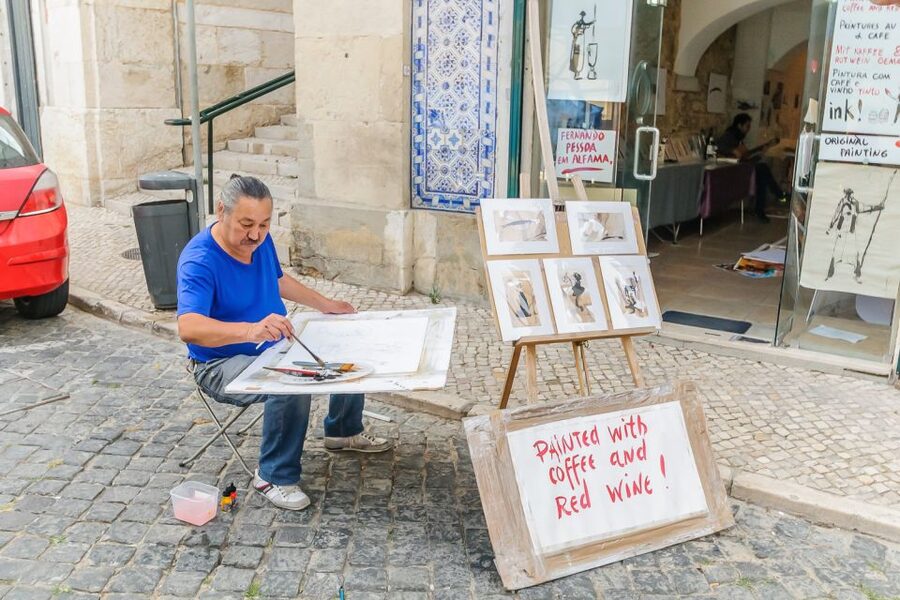
The tour finishes at Praça do Comércio, one of Lisbon’s largest and most impressive squares. It once served as the entrance hall of the city, facing the river and welcoming people arriving by water.
This is a satisfying final stop because it opens the route back out again. You have moved from broad central squares into Chiado’s streets and Alfama’s lanes, then return to a grand public space. It gives you a clear place to continue exploring after the tour, even though the activity itself ends back at the stated meeting point.
Since the standard information lists the activity as ending at Rossio, confirm the exact final arrangement with your guide on the day. That small check is useful if you have a restaurant reservation, a train, or a ship departure.
What the guide can add to your Lisbon stay
The strongest part of this experience is the guide-to-group relationship. You receive a private group with a live guide in English, Spanish, or Portuguese. The guide names connected with particularly warm feedback include João, Filipa, Ines, Beatriz, Beatriz’s fellow guide Carolina, Pedro Osorio, Tiago, Catarina, Raquel, Julia, Nina, Miguel, and Rossana.
That does not guarantee a specific person unless you request and confirm one. It does show the range of guide styles available. Some were praised for humor, some for family-friendly storytelling, some for strong English, and others for giving practical transport and restaurant advice.
I would tell your guide what you want within the first few minutes. You might prefer architecture, politics, food, Fado, shopping, or simple orientation. One of the advantages of a private tour is that the conversation does not have to follow a fixed script.
The pace also seems adaptable. A guide waited when a group was delayed by an arrival mix-up, and another group appreciated a tour that stayed interesting without becoming too talk-heavy. Still, punctuality is polite and protects your three hours. If you are arriving from a cruise port or airport, arrange the timing directly with the operator.
Who should book this Lisbon walking tour?
I would choose this tour if you are visiting Lisbon for the first time and want a clear introduction before exploring on your own. It also suits families, couples, and small groups who prefer questions and conversation over a large scheduled group.
It works well for people who want a mix of history, neighborhoods, food, and practical tips. The route is also useful if you have only a short stay and want to see several central districts without arranging separate visits.
I would look elsewhere if your priority is spending hours inside monuments, visiting museums, or attending a full Fado performance. Those are not included. You should also think carefully about the three-hour walking format if anyone in your group has limited stamina, although the pace can be discussed with the guide.
The 4.9 rating from 601 reviews reflects unusually strong satisfaction, especially with the guides’ warmth, humor, flexibility, and ability to explain Lisbon without overloading the group. At $102 per person, I see the tour as a premium orientation, not a bargain sightseeing ticket. For the right group, the private attention, three food and drink inclusions, and broad route make the cost easier to justify.
FAQ
How long is the Lisbon private walking tour?
The tour lasts three hours. Starting times depend on availability.
Where does the tour start?
Meet at Praça Dom Pedro IV, also called Rossio Square, in front of the column of King Pedro IV.
Where does the tour end?
The activity information says the tour ends back at the meeting point. The route finishes at Praça do Comércio, so confirm the exact final arrangement with your guide.
Which languages are available?
Live guides are available in English, Spanish, and Portuguese.
Are monument entrance fees included?
No. The tour does not include entrance tickets or guided visits inside monuments.
What food and drink are included?
You receive a Pastel de Nata, one tapa, and a wine tasting. These are snacks and tastings rather than a full meal.
Should you book it?
Book this tour if you want a personal, story-led introduction to Lisbon that covers the city’s major central districts in one morning or afternoon. You will see Rossio, Restauradores, Carmo, Chiado, Baixa, Alfama, and Praça do Comércio while gaining useful ideas for the rest of your stay.
Skip it if you want extended interior visits or a full meal and evening entertainment. For most first-time visitors who value a private guide, local tastings, and practical advice, this is a strong way to get your bearings fast.
Just added in Lisbon
- From Lisbon: Horseback Riding on Comporta Beach★ 4.7 · 167 reviews
- Lisbon: City Highlights Segway Tour★ 4.9 · 422 reviews
- Lisbon: Street Art Tuk Tuk Tour★ 4.9 · 372 reviews
- Lisbon: Segway Medieval Tour of Alfama and Mouraria★ 4.9 · 420 reviews
- LISBON Street Art Tour★ 5.0 · 371 reviews
- Évora and Monsaraz with Regional Wine Tasting from Lisbon★ 4.5 · 229 reviews
- Private Lisbon-Arrábida Wine Tour: 3 Wineries, Coast & Heritage★ 5.0 · 450 reviews
- Évora and Megaliths Full-Day Tour from Lisbon★ 4.7 · 456 reviews
Walking Tours, compared.
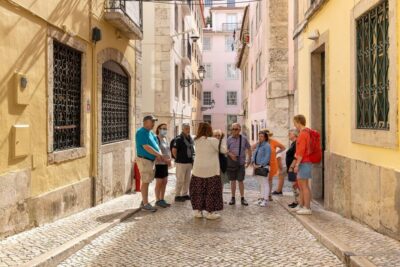

Best of Lisbon Small-Group Guided Walking Tour
Read our review →
Porto Walking Tour, Lello Bookshop, River Cruise and Cable Car
Read our review →

Best of Lisbon Walking Tour: Rossio, Chiado & Alfama
Read our review →
Experience Porto’s Charm: 3-Hour Guided Walking Tour
Read our review →
Browse the lists this tour appears in