
Reviewed · WALKING TOURS
Best of Lisbon Private Walking Tour
Lisbon reveals itself in layers on this private walk: Roman beginnings, medieval Alfama, the devastation of the 1755 earthquake, and the orderly Baixa rebuilt afterward. In about three hours, you move from the broad waterfront at Praça do Comércio through narrow lanes, grand squares, churches, viewpoints, and the literary quarter of Chiado.
I like the private format, which lets your guide adjust the pace, answer questions, and point you toward restaurants, shops, and places worth returning to. I also like the route’s useful mix of famous sights and city texture, from the tiled Casa dos Bicos to the crooked streets of Alfama and the elegant shops around Rua Augusta.
The main drawback is time. The advertised route includes many stops, and three hours is not enough for a full visit at every one. If you linger in Alfama, stop often for photos, or need a slower uphill pace, you may not reach every listed landmark. Tell your guide at the start what matters most.
Key points to know before booking
- Start at Lisbon’s grand waterfront: Praça do Comércio gives you an immediate sense of the city’s scale and past importance.
- See two very different Lisbons: Alfama brings medieval lanes and steep hills, while Baixa offers broad streets rebuilt after the 1755 earthquake.
- A private guide can change the emphasis: Guides such as Tiago, Samuel, Beatriz, Natalia, Kleiber, Claudia, and Jose are praised for adapting walks and offering practical advice.
- Expect hills and roughly three miles of walking: Lisbon’s slopes are part of the experience, but they can affect how many stops you reach.
- The route ends in Chiado: Praça Luís de Camões is a handy finish near cafés, shops, and the city’s cultural quarter.
- At $84.69 per person, the value depends on your group: The cost buys a private English-language walk, rather than a place on a large shared tour.
Starting at Praça do Comércio
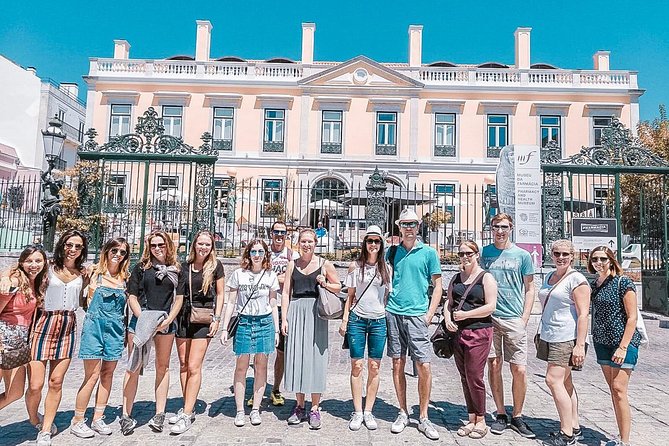
Meet your guide at Praça do Comércio, the huge square opening onto the Tagus River. It is a fitting place to begin because it introduces Lisbon as a port city and sets up the story of the earthquake and rebuilding that shape much of the route.
You spend about ten minutes here, hearing why the square matters and how its grand arcades and open waterfront fit into Lisbon’s past. This is also a practical meeting point near public transportation, so it is relatively easy to reach from other parts of the city.
From here, the walk passes beneath the Arco da Rua Augusta, one of Lisbon’s most photographed landmarks. Your guide explains the meaning of the arch and the role it plays at the entrance to Baixa. The stop is brief, only around five minutes, but it gives you a good orientation to Rua Augusta and the streets extending inland.
A short walk brings you to Casa dos Bicos, one of Lisbon’s oldest buildings, dating from 1523. Its diamond-shaped stone façade makes it easy to spot, and the stop adds a quieter architectural note after the wide spaces of the waterfront. You do not need to budget for an admission ticket at any of the scheduled stops.
Other guided walks in Lisbon:
- Lisbon: History, Stories and Lifestyle Walking Tour
★ 4.8 · 10,902 reviews - Best of Lisbon Small-Group Guided Walking Tour
★ 5.0 · 4,869 reviews - Lisbon: Food and Wine Small Group Walking Tour
★ 4.9 · 4,082 reviews
Lisbon Cathedral and the lanes of Alfama
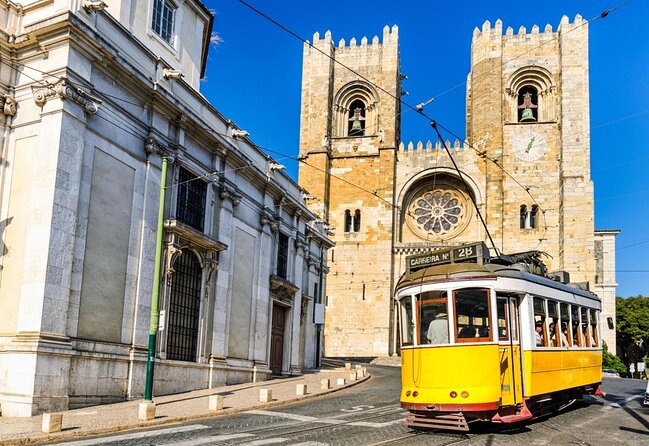
The Sé Cathedral is one of the major early stops. Construction began in the 12th century, making it Lisbon’s oldest church, and the guide takes you inside to explain its architecture. Ten minutes is enough for a focused introduction, though not for a long, quiet visit.
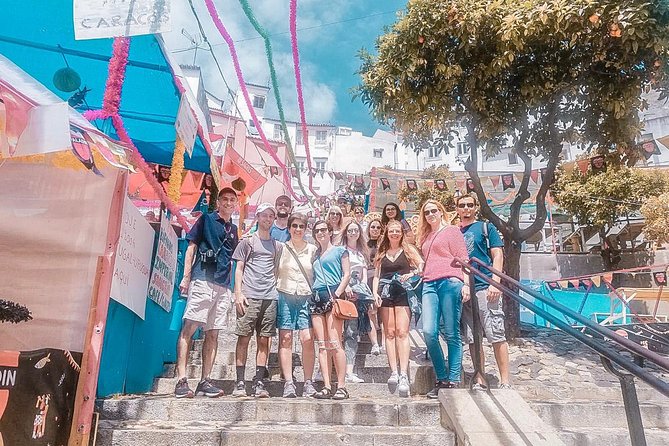
The real change in mood comes in Alfama. This is Lisbon’s oldest neighborhood, with narrow, twisting streets dating back to the 8th century. Allow about 25 minutes here, although the private format may lead to more time if your group wants to explore the lanes slowly or stop for photographs.
Alfama is where the route feels least like a checklist. The streets are irregular, the hills are noticeable, and the route can include small lanes away from the main path. One guide may focus on architecture, another on local customs or changes in the neighborhood. Telma, Claudia, and other guides are particularly praised for explaining how Alfama’s design developed over time.
This is also the section where the walk demands the most from your legs. One account describes about three miles of walking with plenty of hills. If you find uphill walking difficult, say so early. The guide can slow down, make extra stops, or spend more time in one area, but that may mean skipping other sights later.
Views from Portas do Sol
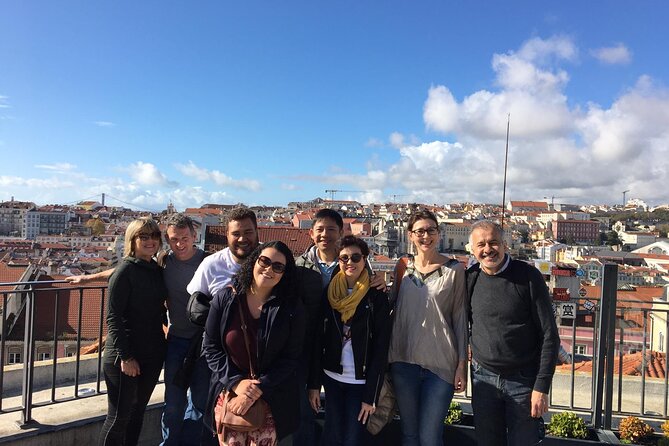
Miradouro das Portas do Sol is the route’s main viewpoint and one of the best places to pause. From here, you can take in rooftops, church towers, the Tagus, and the layered slopes of old Lisbon. The stop lasts about ten minutes, giving you time for photos while your guide points out landmarks below.
The National Pantheon and the Church of São Vicente de Fora are seen from a distance rather than visited inside. São Jorge Castle is also viewed as the fortress above the city that protected Lisbon for centuries. These brief explanations help you place the city’s major buildings, but you should not book this walk expecting admission to the castle or a full interior visit at the pantheon.
That distinction matters. The route covers a lot of ground, but it is primarily an orientation walk. You see and understand many landmarks, then decide which ones deserve a separate visit later.
Baixa and the streets rebuilt after disaster
The walk returns toward Baixa, Lisbon’s downtown district. Baixa has a very different feel from Alfama: streets are straighter, squares are more open, and the buildings reflect the planned rebuilding that followed the 1755 earthquake and tsunami.
The stop lasts about 15 minutes, followed by a short look at Rua Augusta. This important street has been central to Lisbon since the 18th century and connects Praça do Comércio with Rossio. It is a useful place to learn how the city’s shopping and civic life fit together.
Praça Dom Pedro IV, usually called Rossio, gets about ten minutes. The square is described as Lisbon’s oldest, with imposing 18th-century buildings around it. Here you can better understand the contrast between medieval Alfama and the more ordered center.
The Elevador de Santa Justa receives a brief five-minute stop. Your guide explains why this iron lift was built in this part of the city and how it connects the lower streets with the higher district. Keep your expectations clear: the walk is designed to show the lift and explain it, not necessarily to include a ride.
The route also passes the memorial to Lisbon’s Jewish victims, a small but serious reminder of a painful episode in the city’s past. Nearby, Casa do Alentejo offers a different surprise: a grand palace with Moorish influence in the middle of the city.
Same base, a different kind of day out:
- Lisbon City Center Tour – The Unmissable Lisbon
★ 5.0 · 22,234 reviews - Lisbon: Sintra, Pena, Regaleira, Cabo da Roca & Cascais
★ 4.7 · 19,656 reviews - Lisbon: Jerónimos Monastery Entrance Ticket
★ 4.1 · 14,164 reviews - Lisbon: Sunset Boat Party Cruise with DJ and Open Bar
★ 4.5 · 10,378 reviews
Rossio, São Domingos, and Lisbon’s harder stories
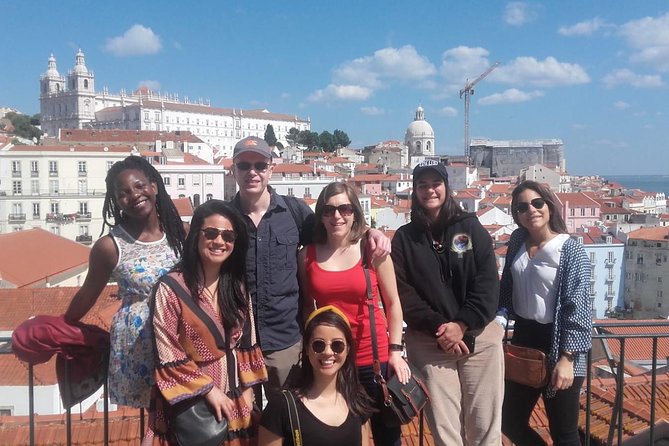
I appreciate that the route does not limit itself to postcard views. The Jewish memorial and Igreja de São Domingos bring more difficult and layered subjects into the walk.
São Domingos is presented as one of Lisbon’s most beautiful churches, but its importance is not only visual. The stop gives your guide room to explain the building and its place in the city. The church, the memorial, and the surrounding streets help you see Lisbon as a place shaped by faith, disaster, persecution, rebuilding, and daily life.
The route then reaches what is described as Lisbon’s Champs-Élysées, before passing Estação do Rossio. The station is considered Lisbon’s most beautiful train station, and its façade makes a quick five-minute stop worthwhile even if you are not taking a train.
These stops are close together, but the walk can feel full at this point. You have already crossed the waterfront, Alfama, Baixa, and Rossio. If you want a careful look inside every church or building, three hours will feel short.
Chiado and the final climb toward Carmo
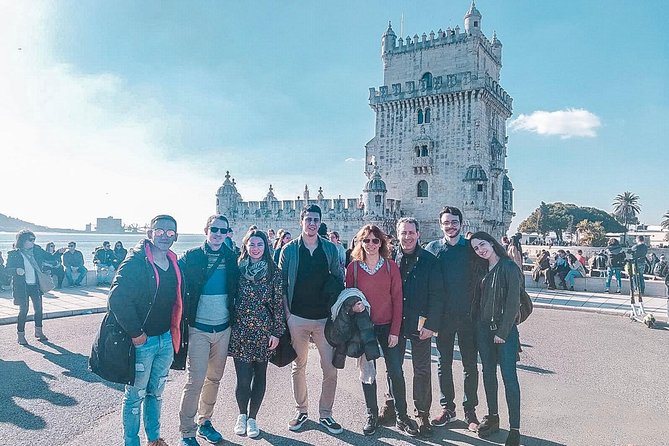
Chiado is the last major district on the route. It has been a meeting place for poets, writers, artists, and politicians since the 18th century, and it still feels more cultured and polished than the older streets below.
You spend about 15 minutes here before reaching the Carmo area. The Museu Arqueológico do Carmo occupies an unfinished church, a memorable remnant and an important symbol of Lisbon. The surrounding Carmo square is also attractive, giving you one more chance to pause before the tour ends.
The final stop is Praça Luís de Camões, a pleasant square in the center of town. It is a useful endpoint because you finish in Chiado rather than being returned to the starting point. From here, you can continue exploring, find food, shop, or use the area as a base for your next stop.
How the private format changes the walk
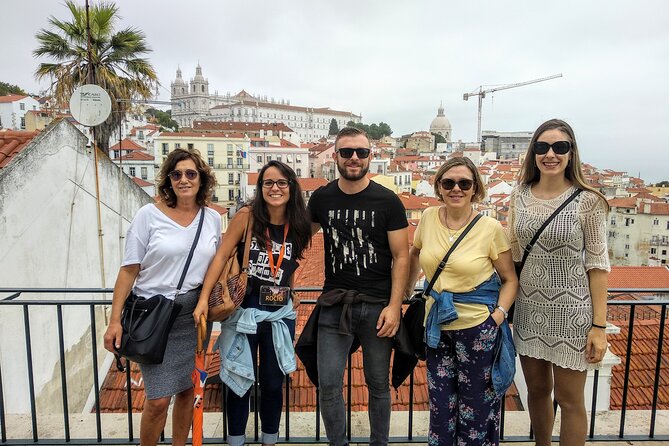
This is not a fixed, one-size-fits-all group route. Your guide can spend more time on subjects that interest you, adjust the pace, and suggest places to eat or explore afterward.
That flexibility is a real benefit for families, first-time visitors, and groups with mixed interests. Guides including Tiago, Samuel, Jose, Beatriz, Natalia, Kleiber, Claudia, and Ann-Elise are praised for making the walk personal, mixing historical facts with lighter stories, and answering questions without making the experience feel like a lecture.
Tiago is frequently described as funny, warm, and especially good at giving restaurant advice. Samuel is praised for handling groups with teenagers and for sending people away with useful recommendations. Beatriz is noted for changing the route around her group’s interests and even helping with shopping. Kleiber is described as cheerful and friendly, while Claudia receives praise for clear explanations of Lisbon’s past.
Guide quality can vary from person to person, as it does on any private tour. The strongest experiences seem to come when you use the flexibility well. Tell your guide if you care most about architecture, food, shopping, Roman remains, the earthquake, local culture, or photography.
What the $84.69 price buys you
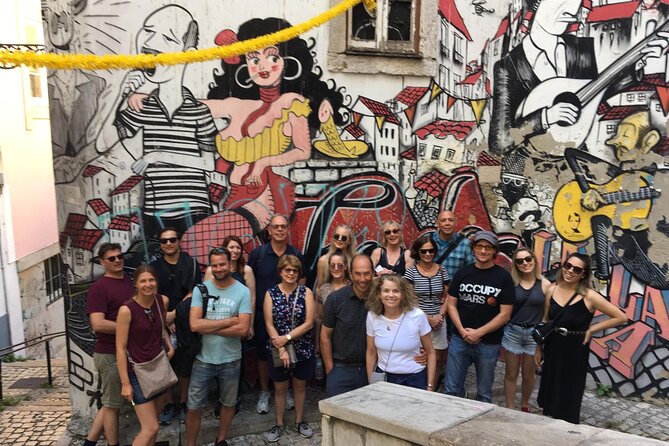
At $84.69 per person, this is not the cheapest way to walk through central Lisbon. The price makes more sense for a small private group that values a personal guide and does not want to follow a large party.
The tour includes an English-speaking guide, a mobile ticket, and no separate admission charges at the listed stops. It also offers group discounts, so the final value may improve if several people book together.
You are paying mainly for context and convenience. Anyone can walk through Baixa or look out from Portas do Sol, but a good guide links the squares, churches, earthquake damage, building styles, and neighborhood changes into one clear story. You also leave with practical suggestions for the rest of your stay.
I would consider it good value at the beginning of a Lisbon visit, especially if you have only a few days. The walk helps you decide where to return. If you prefer entering major monuments at length, taking public transportation between distant areas, or exploring independently, the price may be harder to justify.
Pace, weather, and practical planning
Choose comfortable shoes. The route includes hills, uneven streets, and roughly three miles of walking according to one detailed account. Alfama is the most demanding section, and the transition from the waterfront to the higher parts of the city is not flat.
Several starting times are offered, which helps you fit the walk around flights, meals, or other plans. The tour requires good weather. If poor weather causes cancellation, you are offered another date or a full refund.
You can cancel for a full refund up to 24 hours before the start time. Cancellations or changes made within 24 hours are not refunded or accepted. The meeting point is Praça do Comércio, and the walk ends at Praça Luís de Camões.
The tour is offered in English. Most people can participate, but the hills are worth taking seriously. If anyone in your group has trouble with uphill walking, mention it at the beginning and agree on priorities with the guide.
Who should book this Lisbon walk?
I would book this for a first visit, a short stay, or the opening morning of a longer Lisbon trip. It gives you a useful mental map and puts Alfama, Baixa, Rossio, Chiado, and Carmo into one connected story.
It also suits families and private groups who want room for questions. The guides are often praised for staying lively, offering fun facts, and talking comfortably with both adults and teenagers.
I would be more cautious if your main goal is to visit every interior. The route lists many sights, but the schedule is tight. One person was disappointed after seeing only some of the advertised places, while another noted that Santa Justa was not included as a full stop. This is the key booking tip: ask your guide at the start which landmarks you most want to cover.
Should you book the Best of Lisbon Private Walking Tour?
Book it if you want a personal introduction to central Lisbon, a guide who can adapt the pace, and practical suggestions for the rest of your trip. The 4.9 rating from 370 reviews and 98 percent recommendation rate reflect a very strong record, with repeated praise for Tiago, Samuel, Beatriz, Natalia, Kleiber, Jose, and Claudia.
Do not book it expecting a full museum-and-monument tour. Think of it as a lively city orientation with history, views, neighborhoods, and local advice. Prioritize your must-see stops, wear good shoes, and allow the guide to shape the route around your interests.
FAQ
How long does the Best of Lisbon Private Walking Tour last?
The tour lasts approximately three hours.
Where does the tour start and finish?
It starts at Praça do Comércio in Lisbon and ends at Praça Luís de Camões.
Is this a private tour?
Yes. Only your group participates, rather than joining a larger shared group.
What language is the tour offered in?
The tour is offered in English.
Does the tour include admission tickets?
The listed stops have no admission ticket charge. The experience mainly provides guided visits and explanations, and some landmarks are viewed from outside or at a distance.
What happens if the weather is poor?
The experience requires good weather. If it is canceled because of poor weather, you will be offered another date or a full refund. You can also cancel up to 24 hours before the start time for a full refund.
More walking tours in Lisbon
- Best of Lisbon Walking Tour: Rossio, Chiado & Alfama
★ 4.9 · 2,700 reviews - Age of Discoveries Walking Tour in Belém
★ 5.0 · 1,513 reviews - Lisbon Roots – Small group Food & Culture Walking Tour w/tastings
★ 5.0 · 910 reviews - Lisbon: Starter Walking Tour to the highlights in German
★ 4.9 · 781 reviews
Just added in Lisbon
- Half day Spa Water Therapy experience at THE SPA at Corinthia Lisbon★ 4.5 · 51 reviews
- Lisbon Cinematic Photoshoot with Top-Rated Photographer★ 5.0 · 76 reviews
- Central Lisbon E-Bike Tour★ 5.0 · 168 reviews
- Small-Group Sailing Tour on the Tagus River from Lisbon★ 5.0 · 78 reviews
- Lisbon Sailing Catamaran Public Cruise with drinks★ 5.0 · 304 reviews
- Alfama and the Castle of Saint George Skip the line Tour★ 5.0 · 53 reviews
- City Centre Run in Lisbon★ 5.0 · 164 reviews
- Private Guided Walking Tour in Lisbon★ 5.0 · 40 reviews
Walking Tours, compared.
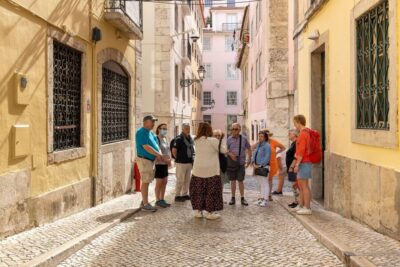
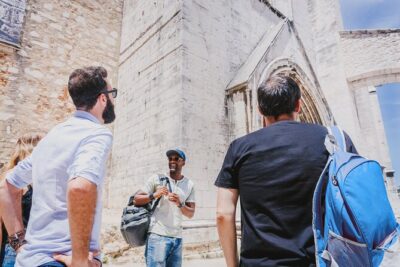
Best of Lisbon Small-Group Guided Walking Tour
Read our review →
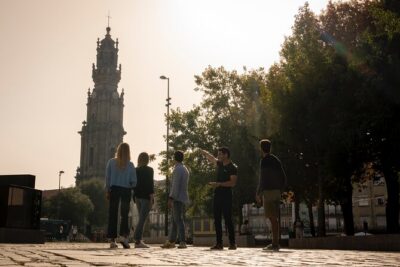
Porto Walking Tour, Lello Bookshop, River Cruise and Cable Car
Read our review →

Best of Lisbon Walking Tour: Rossio, Chiado & Alfama
Read our review →
Experience Porto’s Charm: 3-Hour Guided Walking Tour
Read our review →
Browse the lists this tour appears in