
Reviewed · FOOD & DRINK
Lisbon: Food and Culture 3-Hour Walking Tour
Lisbon’s food story makes far more sense when you eat it in the places that shaped it. This three-hour walk links an old tavern, Portugal’s first brewery, a famous café, a 17th-century palace, and one of Lisbon’s oldest pastry shops. Along the way, cod, pork liver, beer, custard pastries, and southern Portuguese cooking become part of the city’s story.
I like the small local venues and the way the tour connects food with Lisbon’s past. I also like that it is a proper meal, not a string of tiny samples: you taste four foods and should leave well fed. The main drawback is pace and access. You visit up to five venues in three hours, and the tour is not suitable for people with mobility impairments.
Key points at a glance
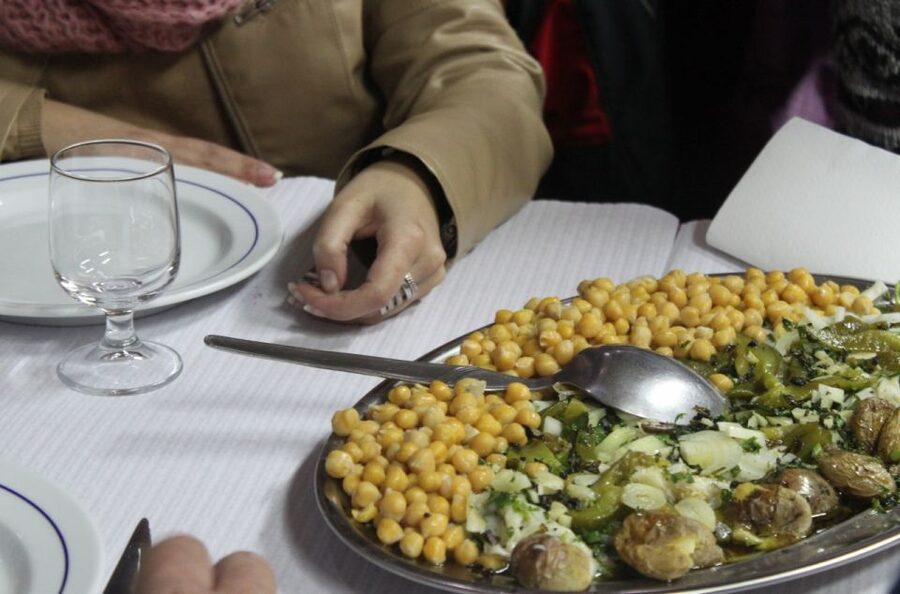
- Four substantial tastings: Expect cod, octopus, chickpeas, beer, pastries, southern Portuguese food, and possibly ginjinha.
- A food tour with a clear historical thread: Lisbon’s cuisine is explained through taverns, monasteries, cafés, palaces, and old family recipes.
- Memorable settings: Stops can include Rua das Flores Tavern, Trindade beerhouse, Café Lisboa, Casa do Alentejo, and Confeitaria Nacional.
- Strong guide-led experience: Claudio, Nina, and Fatima have each received especially warm praise for friendly, clear storytelling and useful local tips.
- Good for a hungry afternoon or evening: Lunch or dinner is included, and the portions can be enough to replace breakfast beforehand.
- Central meeting point: The walk begins at Café A Brasileira on Rua Garrett, near Baixa-Chiado metro station.
Lisbon on a plate, from cod to pork liver
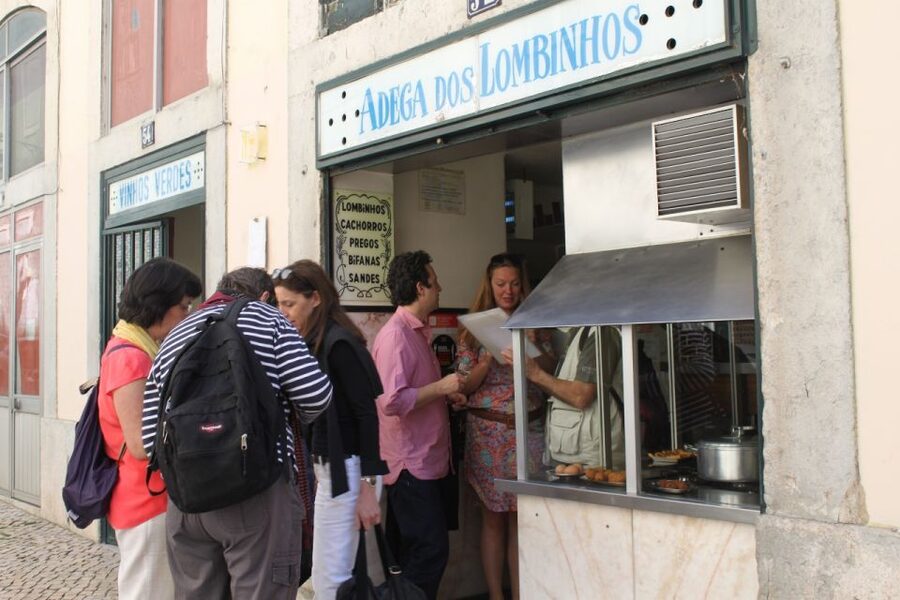
The clever idea here is to treat food as a map of Lisbon. You are not simply handed a pastel de nata and sent on your way. You learn why cod is so important, how old drinking houses became restaurants, and how southern Portuguese cooking leans on bread and aromatic herbs.
The walk includes lunch or dinner and four food tastings. Since the tour can visit up to five venues, you should expect several small servings rather than one formal restaurant meal. Still, the amount is generous. One person who joined the tour with Claudio noted that it was possible to feel full even without breakfast.
That is useful advice: eat lightly beforehand. You will want room for the savory dishes at the beginning and the sweets near the end.
The guide leads in English or German. Recent guides have included Claudio, Nina, and Fatima. Their roles matter here because the food itself is only half the experience. A good guide explains what is on the plate, answers questions, and points you toward other shops and restaurants for the rest of your stay.
Other guided walks in Lisbon:
- Lisbon: History, Stories and Lifestyle Walking Tour
★ 4.8 · 10,902 reviews - Best of Lisbon Small-Group Guided Walking Tour
★ 5.0 · 4,869 reviews - Lisbon: Food and Wine Small Group Walking Tour
★ 4.9 · 4,082 reviews
Starting at Café A Brasileira in Chiado
The meeting point is Café A Brasileira, Rua Garrett 120, at Largo do Chiado. It is close to the Baixa-Chiado metro station, making it a practical place to reach from other parts of central Lisbon.
You begin in one of Lisbon’s best-known café districts, then move through the city on foot. The central location means the tour fits well into a day spent around Chiado, Baixa, or nearby historic neighborhoods.
Wear comfortable clothes and shoes. The walk lasts three hours, and the route includes several venues rather than keeping you seated in one place. The activity is specifically not suitable for people with mobility impairments, so anyone concerned about walking should take that seriously before booking.
The group size is not given, so you should not assume a private tour. One booking happened to have only one guide and one group, but that was a lucky circumstance, not a promised feature. If you care about personal attention, ask about the expected group size before you reserve.
Rua das Flores Tavern and Lisbon’s traditional dishes

One of the most atmospheric stops is Rua das Flores Tavern. The setting is meant to feel like a step back in time, but the food is the main reason to pay attention.
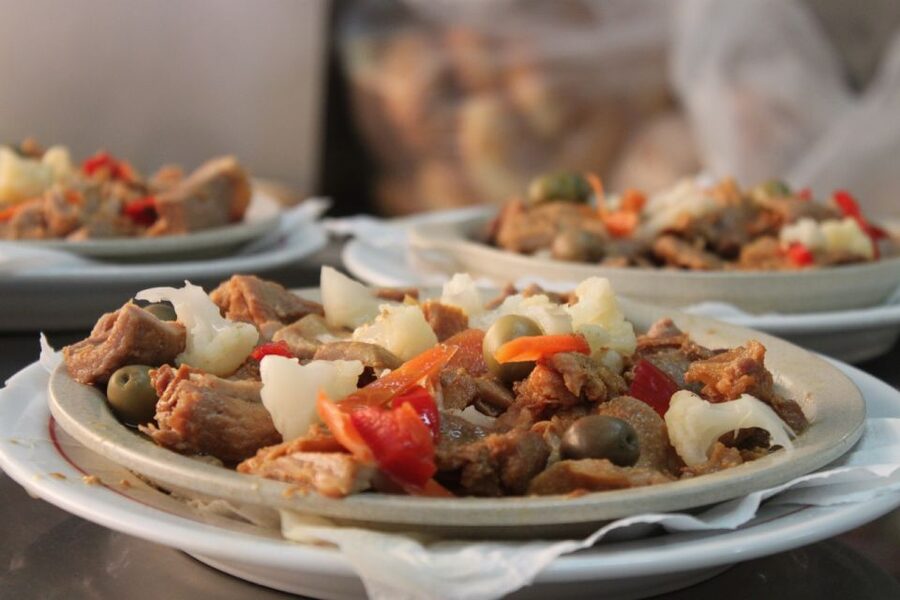
The menu is short and seasonal. Depending on the day, you might taste cod, tuna, or Iscas, a traditional dish made with pork liver. Since the menu changes, the exact dish cannot be guaranteed. That is a small tradeoff for food that follows the kitchen rather than a fixed tourist script.
I like this stop because it gives you a more honest picture of Portuguese cooking. Cod is famous outside Portugal, but dishes such as Iscas show a less polished, more local side of the table. You may not love every flavor, and that is part of the point. The guide gives you context, and you can decide what belongs on your own Lisbon food list.
This is also where the tour benefits from a relaxed guide. Claudio has been praised for making the walk feel authentic and easygoing, while Nina has been noted for explaining local dishes and venues clearly. The guide names can change, but the format gives you room to ask questions.
Trindade beerhouse in a former monastery
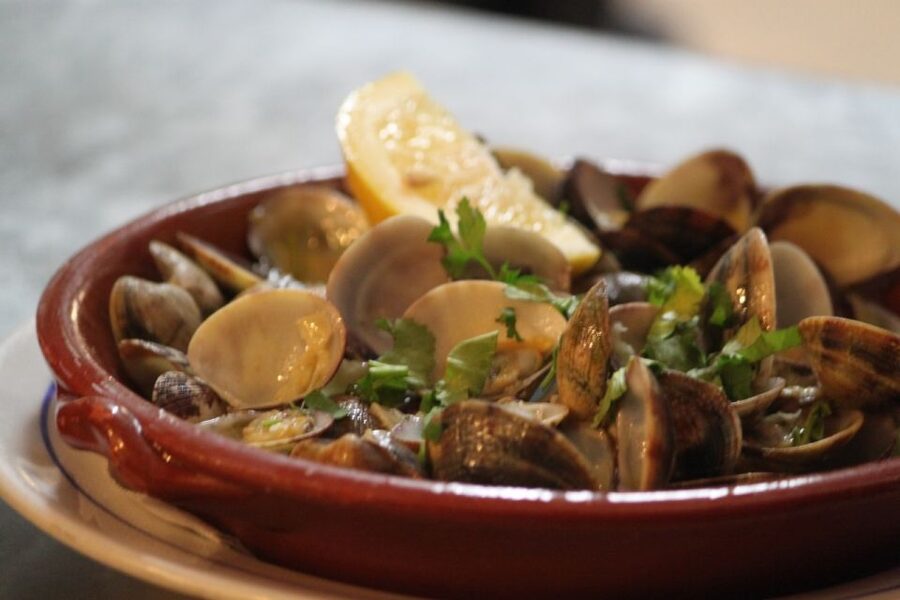
Next comes Trindade beerhouse, located in a former monastery. It is described as Portugal’s first brewery, later converted into a restaurant. The building gives the stop more weight than a simple drink in a bar.
Here you sample one of Lisbon’s well-known snack combinations: octopus and cod mixed with chickpeas and served with beer. The supplied details also mention spat as part of this tasting, though the exact serving may vary. It is a fine example of Portuguese cooking at its most practical, combining seafood, pulses, and a drink into something made for sharing.
The beerhouse is an important contrast with the tavern. The first stop focuses on a traditional menu that changes with the season. Trindade connects drinking culture, religious buildings, brewing, and restaurant life.
This is one reason the tour offers more than a normal food crawl. You are not just moving from snack to snack. Each setting explains something different about Lisbon’s eating habits and public life.
Same base, a different kind of day out:
- Lisbon City Center Tour – The Unmissable Lisbon
★ 5.0 · 22,234 reviews - Lisbon: Sintra, Pena, Regaleira, Cabo da Roca & Cascais
★ 4.7 · 19,656 reviews - Lisbon: Jerónimos Monastery Entrance Ticket
★ 4.1 · 14,164 reviews - Lisbon: Sunset Boat Party Cruise with DJ and Open Bar
★ 4.5 · 10,378 reviews
The crumbly Pastel Lisboa at Café Lisboa
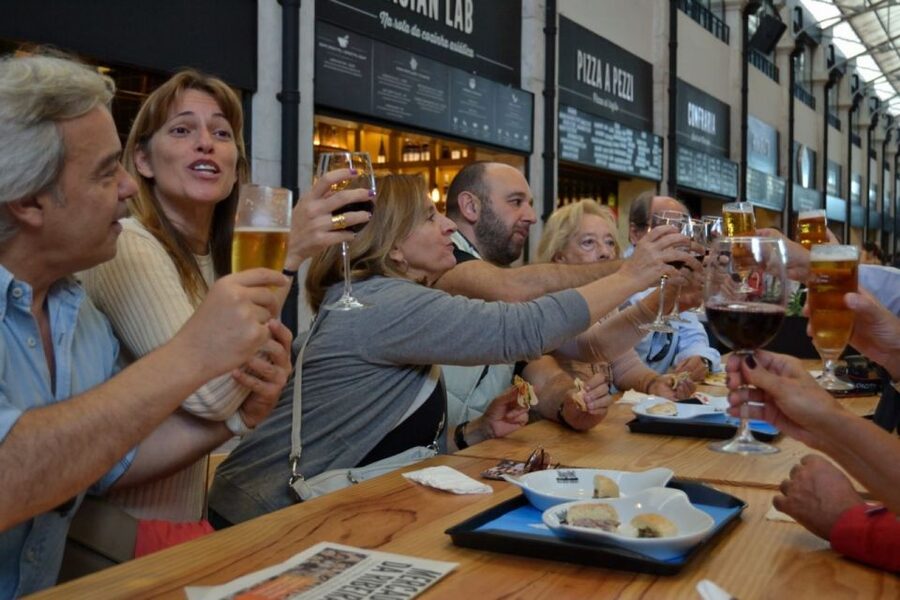
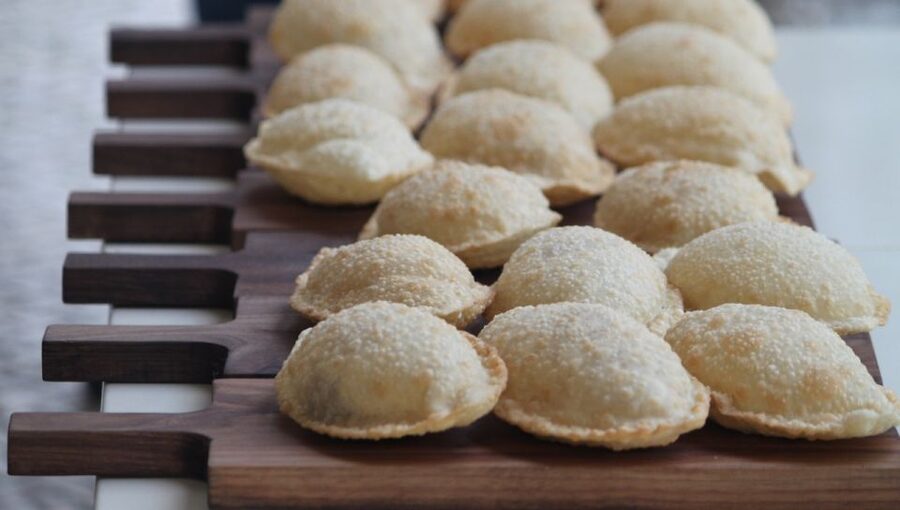
The sweet break comes at Café Lisboa, where you try a Pastel Lisboa. It is described as irresistibly crumbly, which tells you to expect a pastry with a delicate texture rather than a heavy dessert.
The name can be confusing if you are expecting only Lisbon’s famous custard tart. This tasting is separate from the later pastry stop at Confeitaria Nacional, where you sample a traditional custard tartlet. Having both lets you compare two different parts of Lisbon’s baking tradition.
For you, the café stop provides a welcome change after the savory food. It also keeps the tour from becoming too focused on cod and seafood. Portuguese cuisine has a strong sweet side, and pastries are an essential part of the city’s daily café culture.
The tour does not promise a long coffee break here, so think of it as a tasting stop rather than time to settle in with a book. The appeal is the pastry and the setting, not an extended café visit.
Casa do Alentejo and food from southern Portugal
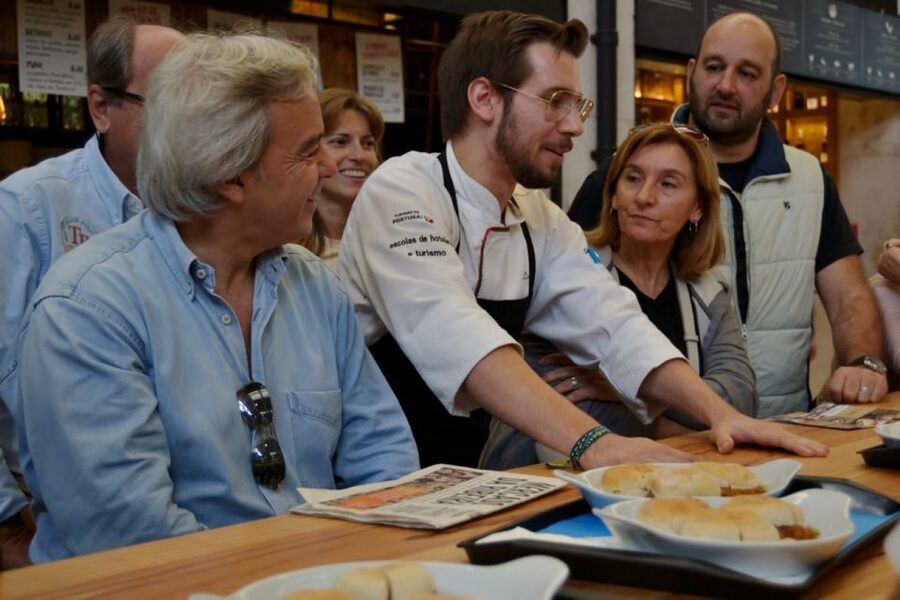
Casa do Alentejo may be the visual highlight. This 17th-century Moorish palace is now one of Lisbon’s most elegant restaurants. You go inside to taste food from Alentejo, in southern Portugal.
The cooking here is built around bread and aromatic herbs. That sounds simple, but it explains a great deal about the region’s food. Bread can become the base of a dish, while herbs provide much of the flavor. This is a useful reminder that Portuguese cuisine is not only grilled fish and custard pastries.
The palace setting also gives the food a stronger sense of place. You are not merely told about southern Portugal in a classroom-style explanation. You taste its cooking in an ornate historic building in the middle of Lisbon.
This stop may appeal most to anyone who wants architecture with their meal. If you are mainly looking for large portions or a long sit-down lunch, the three-hour format may feel brisk. The visit is one piece of a wider route, not a full restaurant evening at Casa do Alentejo.
Confeitaria Nacional, coffee, and custard pastry
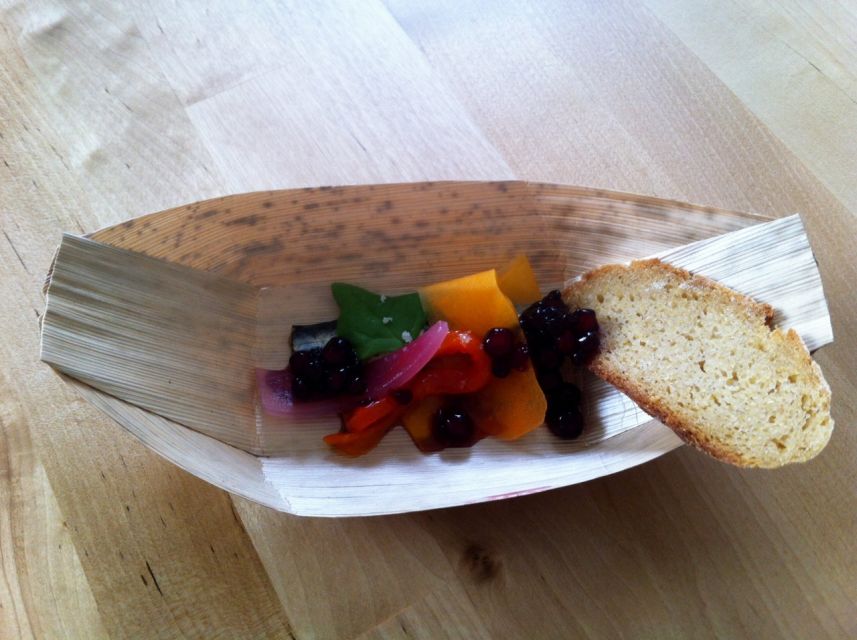
The final planned food stop is Confeitaria Nacional, Lisbon’s oldest establishment of its kind. It is known for traditional cakes and pastries, and you sample one of its custard tartlets with coffee.
A custard tart is familiar to many people before they arrive in Portugal, but tasting one in an old pastry institution gives it a more useful setting. You can connect the pastry to Lisbon’s café habits instead of treating it as a standalone snack.
This is also a sensible way to finish. After savory dishes, seafood, beer, and a Pastel Lisboa, you get a sweet bite and coffee. Four tastings may sound modest on paper, but the combination of food at several stops can make this a full meal.
The information also gives an alternative: you may go to the old tavern Amigos da Severa instead, where you can hear live fado and drink ginjinha, Lisbon’s cherry liqueur. That alternative adds music and a local drink, but it appears to depend on the tour’s arrangement. Do not assume you will receive both Confeitaria Nacional and Amigos da Severa in the same outing.
How much food do you really get for $93?
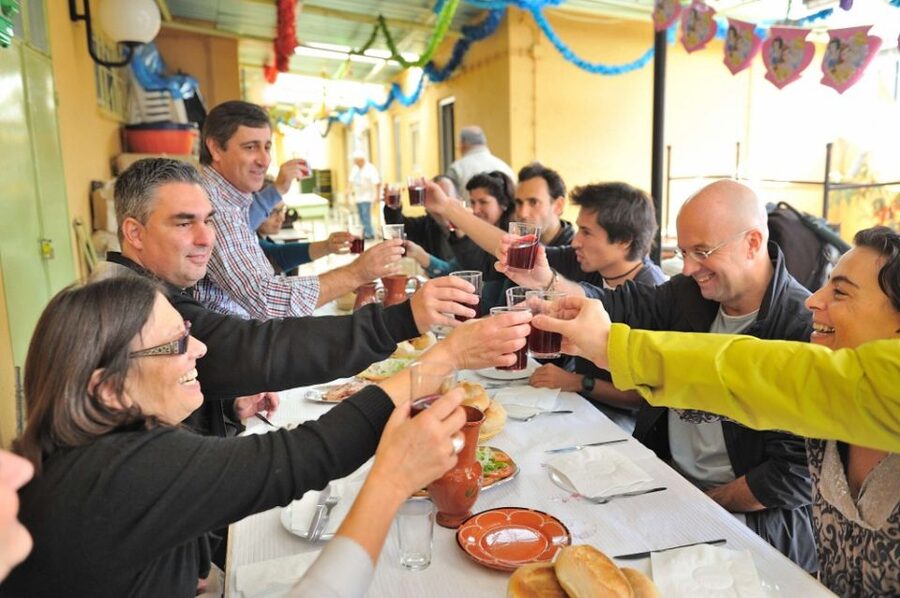
At $93 per person, this is not a cheap snack walk. The price includes the guide, lunch or dinner, and four food tastings. You are paying for the food, but also for access to several established venues and for the explanations that connect them.
I think the price makes the most sense if you plan to use the guide’s advice afterward. The tour can help you understand what to order elsewhere, which neighborhoods to explore, and how Portuguese dishes fit together. One recent German-language booking specifically praised the useful tips for other restaurants and shops.
The value is weaker if you want a long meal in one restaurant. This is a moving experience with several stops, and the food is divided into tastings. It is also less useful if you already know Lisbon’s cuisine well and prefer to choose every dish yourself.
For a first visit, though, the combination is solid. You receive a meal, four tastings, local context, and access to places you might not connect on your own. The route also covers a good range: savory tavern food, beerhouse snacks, pastries, southern Portuguese dishes, coffee, and possibly fado with ginjinha.
The guides make the difference
The most praised part of this experience is the human side. Fatima has been described as warm and generous with local advice, almost like a relative showing you her home city. Claudio has been praised for an authentic style and for creating an easy rapport with the group. Nina has been recognized for clear explanations and for bringing local dishes and venues to life.
Those comments point to what you should want from this tour: not a lecture, but a conversation. Ask about ingredients, order other dishes later, and request tips for restaurants or shops. The guide is your best source for making the food useful beyond these three hours.
The language options are English and German. If you book in English, you should expect the food and cultural explanations in that language, although the actual guide can vary by date.
Who should book this food walk?
I would recommend it most strongly for first-time visitors who want a quick introduction to Lisbon’s food culture without spending several days researching restaurants. It also suits families and curious eaters who like asking questions as they go.
The tour is a good match for you if:
- You want lunch or dinner included rather than only small bites.
- You enjoy historic buildings and traditional venues.
- You want to try cod, octopus, chickpeas, pork liver, pastries, and southern Portuguese food.
- You like having a guide explain what you are eating.
- You are happy to walk between several central venues.
I would think twice if you have limited mobility, dislike seafood, or want a predictable menu. Seasonal dishes mean the exact meal can change, and some stops may not suit every palate.
Book with at least a light appetite. Comfortable clothing matters, and you will need to reach Café A Brasileira on your own. Transfers are not included, but the meeting point is near Baixa-Chiado metro station.
Should you book the Lisbon Food and Culture tour?
Book it if you want Lisbon’s food explained through places, people, and old recipes rather than sampled from a single market stall. The palace, former monastery brewery, traditional tavern, and pastry shop give the three-hour route plenty of character.
Skip it if you need step-free access, want a private tour guaranteed, or prefer a fixed menu with no seasonal changes. For most first-time visitors who value local guidance and a filling meal, $93 is a reasonable price for the range of food and settings. The biggest bonus is the practical advice you can carry into the rest of your Lisbon stay.
FAQ
Where does the tour meet?
The meeting point is Café A Brasileira at Rua Garrett 120, Largo do Chiado, Lisbon. It is near the Baixa-Chiado metro station.
How long does the food tour last?
The walking tour lasts three hours.
What is included in the price?
The price includes a guide, lunch or dinner, and four food tastings.
Which languages are available?
The live tour guide is available in English or German.
Which foods might I taste?
Possible tastings include cod, tuna, Iscas made with pork liver, octopus, chickpeas, beer, Pastel Lisboa, southern Portuguese food, custard tartlets, coffee, and possibly ginjinha.
Will the tour visit Casa do Alentejo?
The route includes a visit to Casa do Alentejo, a 17th-century Moorish palace that now operates as a restaurant serving food from southern Portugal.
Is the tour suitable for people with mobility impairments?
No. The activity is listed as not suitable for people with mobility impairments.
Can I cancel the booking for a refund?
Yes. You can cancel up to 24 hours in advance for a full refund. You can also reserve now and pay later.
More Food & Drink in Lisbon
- Winner 2025 Undiscovered Lisbon Food & Wine Tour by Eating Europe
★ 5.0 · 6,390 reviews - Lisbon Small-Group Food Tour with 18 Tastings in Alfama District
★ 5.0 · 1,967 reviews - Lisbon: Baixa District Food Tour with Dinner and Drinks
★ 4.9 · 1,870 reviews - Devour Lisbon: The Ultimate Portuguese Food Tour
★ 5.0 · 1,782 reviews
More walking tours in Lisbon
- Best of Lisbon Walking Tour: Rossio, Chiado & Alfama
★ 4.9 · 2,700 reviews - Age of Discoveries Walking Tour in Belém
★ 5.0 · 1,513 reviews - Lisbon Roots – Small group Food & Culture Walking Tour w/tastings
★ 5.0 · 910 reviews - Lisbon: Starter Walking Tour to the highlights in German
★ 4.9 · 781 reviews
Just added in Lisbon
- Half day Spa Water Therapy experience at THE SPA at Corinthia Lisbon★ 4.5 · 51 reviews
- Lisbon Cinematic Photoshoot with Top-Rated Photographer★ 5.0 · 76 reviews
- Central Lisbon E-Bike Tour★ 5.0 · 168 reviews
- Small-Group Sailing Tour on the Tagus River from Lisbon★ 5.0 · 78 reviews
- Lisbon Sailing Catamaran Public Cruise with drinks★ 5.0 · 304 reviews
- Alfama and the Castle of Saint George Skip the line Tour★ 5.0 · 53 reviews
- City Centre Run in Lisbon★ 5.0 · 164 reviews
- Boat tours in the Óbidos Lagoon★ 5.0 · 100 reviews
Food & Drink, compared.
Douro Valley w/ Boat Tour, Wine Tasting & Lunch
Read our review →
Winner 2025 Undiscovered Lisbon Food & Wine Tour by Eating Europe
Read our review →

Douro Valley Tour: Wine Tasting, Cruise and Lunch from Porto
Read our review →
Porto Food & Wine Tasting Tour with Lunch or Dinner Option
Read our review →Browse the lists this tour appears in