
Reviewed · PORT WINE CELLAR TOURS
Vila Nova de Gaia: Port Wine Tasting with Cheese Pairing
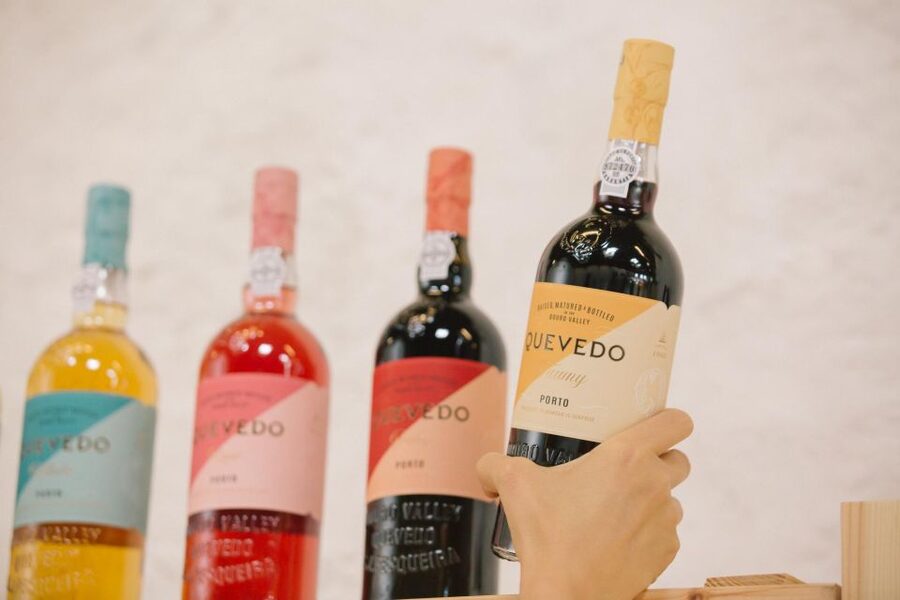
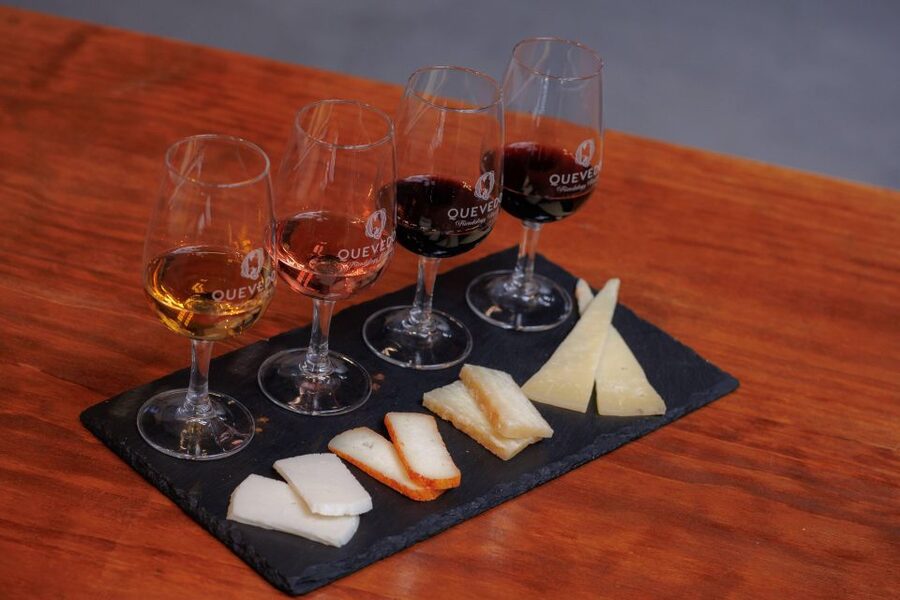
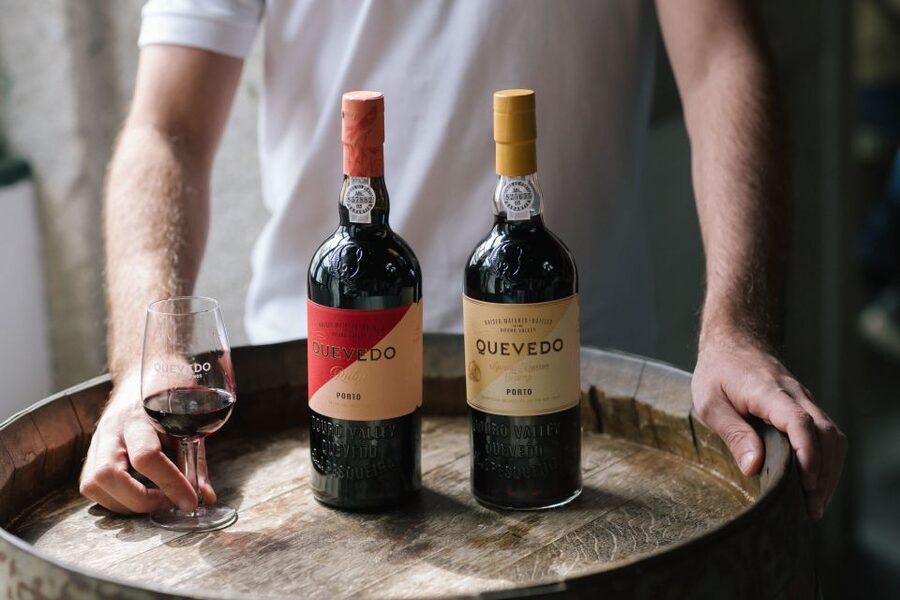
The clever part of this tasting is the pairing lesson. You do not simply sip three Ports and move on. You taste Crusted Port with aged sheep cheese, 10-Year-Old Tawny with paprika cheese, and 2009 Colheita White Port with Azorean cheese and jam, seeing how salt, tang, sweetness, and spice change the wine. I especially like the small groups and the chance to learn from guides such as Miguel, Fernando, Bruna, and Inês.
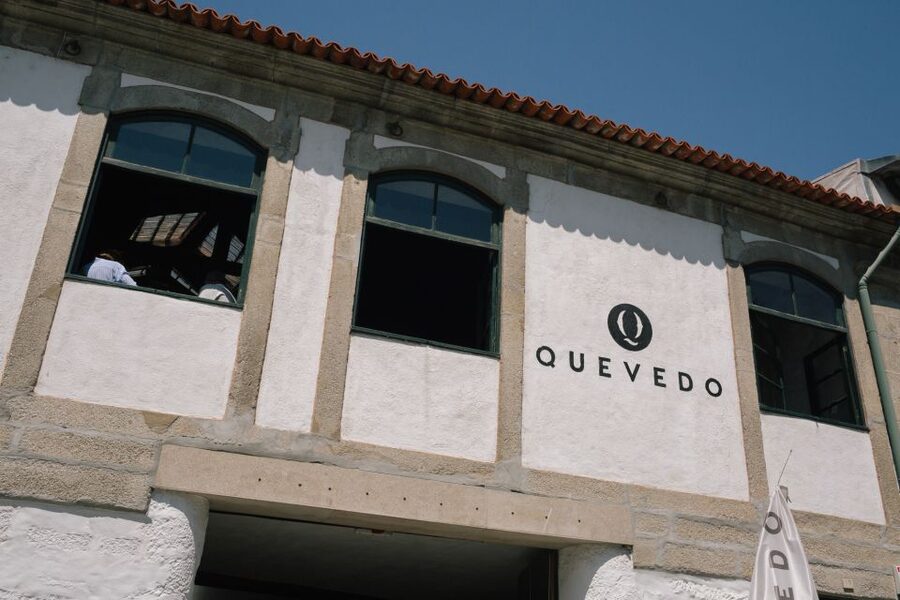
I also like the setting: a cozy Quevedo lodge close to the Douro riverfront, rather than a large production show. The $30 price is fair for three pours and three cheese pairings, though this is a tasting only, not a cellar or winery tour. If you want barrels, vineyards, and a longer visit, you will need a different experience.
Key points at a glance
- Three distinct Ports: Compare Crusted, 10-Year-Old Tawny, and 2009 Colheita White Port.
- Purposeful cheese pairings: Sheep cheese, paprika cheese, Azorean cheese, and local jam each alter the taste.
- Small group format: Numbers are limited to eight, giving you room to ask questions.
- Experienced local guides: Guides including Miguel, Fernando, Bruna, Inês, and Rafael explain Port in plain language.
- One-hour commitment: A useful fit between sightseeing stops in Vila Nova de Gaia.
- Good value at $30: Three 40ml glasses, three pairings, and guided instruction are included.
A focused Port lesson in Vila Nova de Gaia
Quevedo’s tasting takes place in Vila Nova de Gaia, across the Douro from Porto and close to the riverfront activity. You go to Quevedo Port Wine and speak with a local staff member before settling into the lodge.
The location matters. Gaia is the traditional home base for many Port houses, so this tasting gives you a convenient way to learn about the drink while already in the heart of Porto’s wine district. You can fit it around a walk beside the river, a visit to the upper level of Dom Luís I Bridge, or other Gaia stops.
The room is described as cozy, open, airy, and peaceful. That combination helps. Port tasting is more enjoyable when you can hear the guide and take your time rather than being pushed through a crowded retail room. The group limit of eight also keeps the conversation personal.
You should know what this experience does not include. There is no stated visit to a bodega, production floor, vineyard, or barrel room. This is a seated tasting with explanation. For many people, that is the right length and level of detail. If you want to see how Port is made in physical spaces, consider pairing this with a longer Douro Valley outing.
More tastings within reach of Porto:
- From Porto: Douro Valley w/ Boat Tour, Wine Tasting & Lunch
★ 4.7 · 19,061 reviews - Complete Douro Valley Wine Tour with Lunch, Wine Tastings and River Cruise
★ 5.0 · 12,920 reviews - Porto: Live Fado Show with Glass of Port Wine
★ 4.8 · 6,498 reviews
Why the family story adds context
Quevedo is a small, family-owned Port house with more than five generations of wine-making experience. The company began bottling under its own brand in 1993, after Portugal entered the European Union. That makes the house relatively new as a branded Port producer, even though its family background reaches much further back.
This is useful context during the tasting because it gives you two timelines to hold together. One is the old story of Port, the Douro Valley, and inherited wine-making knowledge. The other is the more recent story of a family creating its own label and bringing its wines directly to customers.
The wines are raised, matured, and bottled in the Douro Valley. Quevedo farms 100 hectares of vineyards and 25 hectares of organic olive groves across five properties. You do not tour those properties during this one-hour session, but the information helps explain why the tasting places so much emphasis on grape origin and differences in flavor.
The family’s view is simple: good wine begins in the vineyard. The five properties offer grapes with different aromas and flavors, which gives the producer material for several styles of Port. That idea becomes easier to understand once you taste three wines that do not all behave the same way.
The first pour: Crusted Port and aged sheep cheese
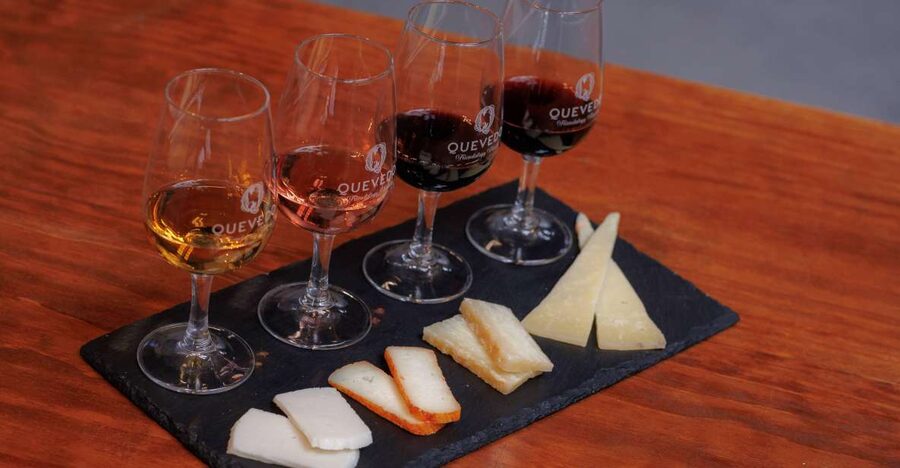
The tasting begins with Crusted Port paired with local aged sheep cheese. Crusted Port is a useful introduction because it shows a style that is less about a named vintage and more about blending and bottle aging. The cheese brings a firm, savory counterpoint.
You can pay attention to the balance here. Aged sheep cheese tends to bring salt and nuttiness, while Port brings fruit, sweetness, and warmth. The point is not to decide that one item is better alone. It is to notice how the cheese can make the wine seem rounder, while the wine softens the cheese’s sharper edges.
This is also a good first course for someone new to Port. You get a clear sense that Port is not only a dessert drink. It can work with salty food, and the pairing makes the tasting more active than simply sampling three glasses in sequence.
Each pour is 40ml unless otherwise noted. That is enough to assess the wine and compare it with the cheese, but it is not a full glass. If you are sensitive to alcohol or plan to continue drinking afterward, the modest serving size is worth keeping in mind.
The second pour: 10-Year-Old Tawny with paprika cheese
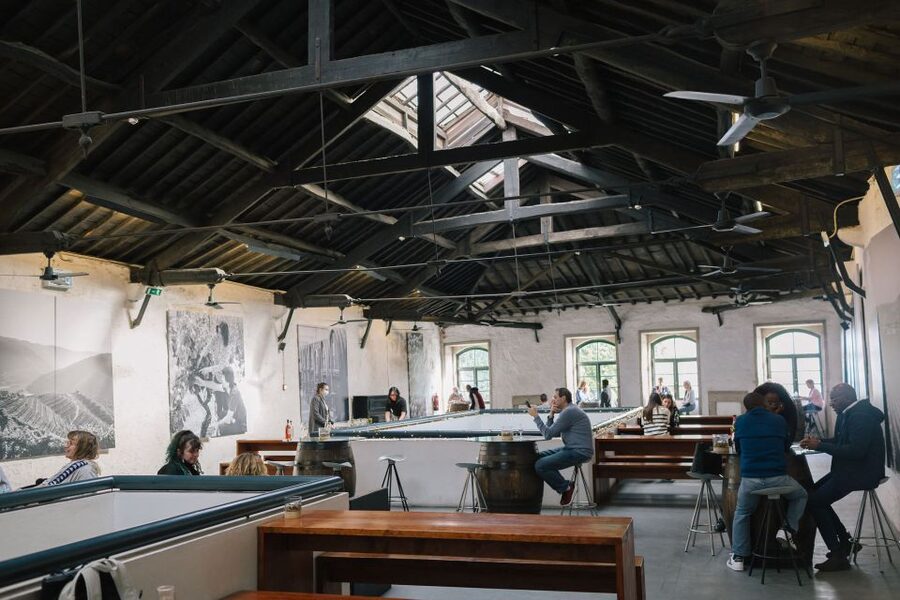
The 10-Year-Old Tawny comes with a mixed cow, goat, and sheep cheese aged with paprika. This is likely the most approachable pairing for many people because Tawny Port is often softer and more layered than a young, fruit-forward style.
The cheese is doing several jobs. The mixed milk gives it a broad flavor, aging adds firmness, and paprika brings a mild savory spice. Taste the Tawny first, then try it with the cheese. You may notice the wine’s dried fruit and mellow character shift when the paprika and salt arrive.
Several guides use this kind of comparison to explain why pairings are selected, not just to announce what is on the plate. That teaching is one of the strongest parts of the experience. Miguel has been praised for explaining how food changes the flavor of Port, while Fernando is noted for making the production process and regional background easy to follow.
If you already like Port, this pour gives you a chance to think about age in a practical way. If you are new to it, you get a gentle introduction to the idea that time in wood can change a wine’s texture and aroma.
More tastings and estates within reach of Porto:
- Douro Valley: Wine Tour with Lunch, Tastings & River Cruise
★ 4.6 · 6,081 reviews - Douro Valley: Historical Sites, Wine Experience, Lunch & Cruise
★ 5.0 · 5,133 reviews - Authentic Small Group Douro Wine Tour with Lunch & River Cruise
★ 5.0 · 4,775 reviews - Porto: Cálem Cellar Tour, Interactive Museum & Wine Tasting
★ 4.5 · 4,113 reviews
The third pour: 2009 Colheita White Port and Azorean cheese
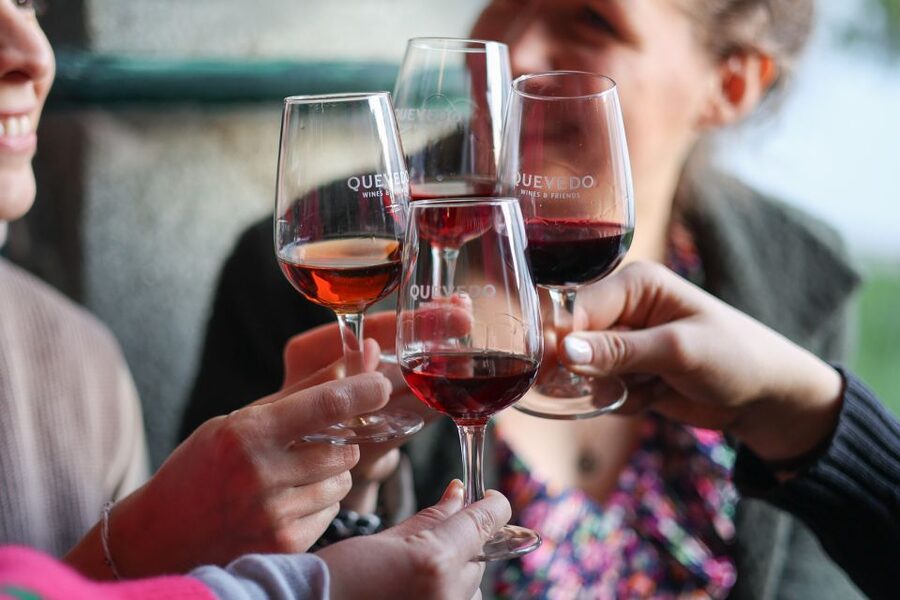
The final pairing is the most unusual: a 2009 Colheita White Port with a traditional Azores cheese aged for seven months, plus local jam. This is a fitting finish because it moves away from the darker, more familiar image of Port.
A Colheita is a dated style, and the 2009 designation gives you a specific harvest year to discuss. The white wine, mature cheese, and jam create a contrast of freshness, salt, creaminess, and sweetness. This pairing is especially useful if you think Port means only ruby-red or tawny wine.
Do not rush this glass. Try the wine on its own, then with the cheese, then with a small touch of jam. You may find that the jam makes the wine seem sweeter, while the cheese gives it more shape. The goal is not a formal exam. It is a simple way to notice how food changes your judgment of a wine.
The three pours are deliberately different enough to give you a sense of your own taste. You may prefer the fruitier Crusted Port, the mellow Tawny, or the unusual White Port. That makes the tasting useful when you later choose a bottle in Portugal or at home.
Guides who make the hour worthwhile
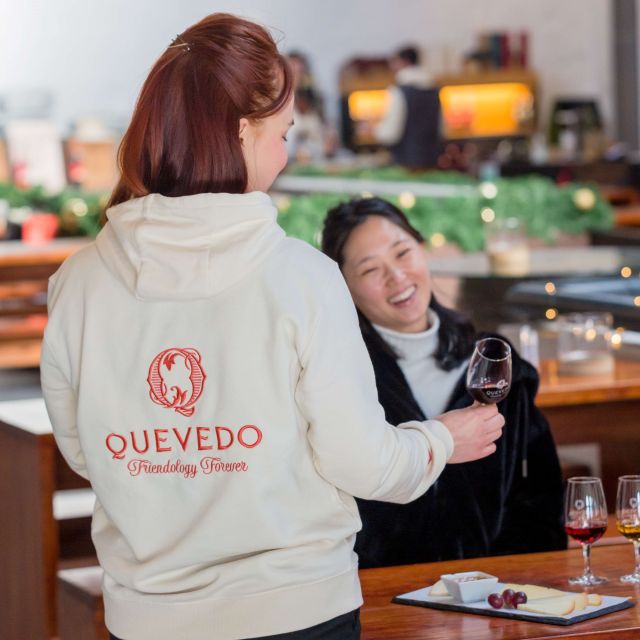
The guide is central to this experience. You may be hosted by Miguel, Fernando, Bruna, Inês, Rafael, Francisco, Antonio, Dima, or another Quevedo team member, depending on the schedule.
The strongest guide reports point to a clear pattern: staff explain Port in an accessible way, answer questions patiently, and adjust the discussion for people with different levels of wine experience. Miguel is especially associated with clear explanations of viticulture and wine-making. Fernando is praised for his passion for Port and the Douro Valley, while Inês has helped beginners understand the finer differences among the wines.
That matters because Port terminology can quickly become a fog of styles, aging labels, harvest dates, and production methods. A good guide turns those terms into something you can taste. You do not need to arrive knowing the difference between Crusted, Tawny, and Colheita.
The mood is informal. One guide has even offered extra samples when people showed interest in a particular style. That is not guaranteed, and additional wines or snacks are not included, but it suggests that questions are welcome and the session is not treated as a rigid script.
Occasionally, live Fado music has been part of the atmosphere. It is not listed as a standard feature, so you should not book specifically for it. Think of it as a possible bonus rather than a promise.
How the $30 price holds up
At $30 per person, the tasting sits in a sensible middle ground. You receive three 40ml glasses, three cheese pairings, and a guided lesson in a small group. Compared with simply ordering one glass of Port at a bar, you get far more variety and useful context.
The value is strongest if you are new to Port or want to understand which styles you enjoy. You are not just paying for alcohol. You are paying for the chance to compare three profiles side by side and learn why each cheese was selected.
The price may feel less compelling if you want a full winery visit. There is no stated cellar tour, vineyard visit, transport to the Douro Valley, meal, or large selection of additional wines. Extra wines and snacks cost more, and the included tasting is limited to the three listed pours.
For an hour in central Gaia, though, the cost is reasonable. It also supports a smaller Portuguese-owned house rather than giving you only the biggest names in the district.
Who should book this tasting
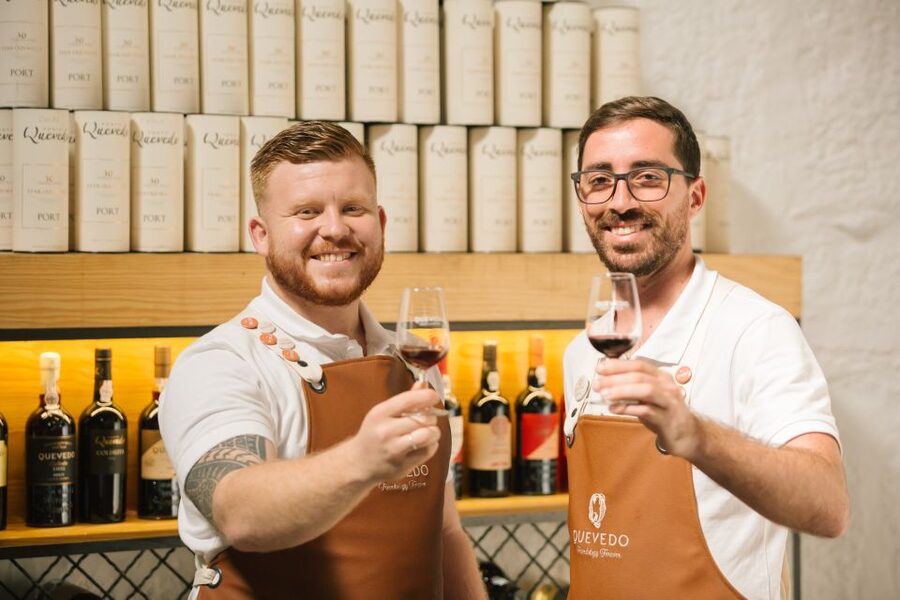
I would recommend it most strongly to:
- First-time Port drinkers who want a friendly introduction.
- Couples and small groups looking for a one-hour activity.
- Wine lovers who care about food pairing.
- Visitors who want a local producer rather than a large-scale presentation.
- People with limited time in Gaia.
- Anyone curious about White Port and less familiar styles.
Families can attend, but this is an alcohol tasting rather than an adults-only event. Children may be present in the wider venue, so book it for the wine lesson and relaxed setting, not for a quiet private room.
The wheelchair-accessible format is another practical advantage. Languages include Portuguese, English, Spanish, and Russian, though you should confirm your preferred language when checking available times.
Timing, booking, and practical details
The activity lasts one hour, with starting times dependent on availability. That makes it easy to place between other plans, but do not treat it as a substitute for a full day in the Douro Valley.
You meet at Quevedo Port Wine in Vila Nova de Gaia. Allow a little extra time to reach the venue, especially if you are crossing from Porto or walking uphill from the river. The meeting instructions are simple: go to Quevedo and speak with a local staff member.
Small groups are limited to eight people. That number is large enough for a social tasting but small enough for questions. If you want maximum attention, an available session with only a few bookings is preferable, though group size can change.
You can cancel up to 24 hours ahead for a full refund, and the reserve-now, pay-later option keeps your plans flexible. Those terms are useful in Porto, where weather, day trips, and restaurant bookings can shift your schedule.
Should you book the Quevedo tasting?
Book it if you want a compact, well-explained introduction to Port with genuinely useful cheese pairings. The three wines cover different ground, the $30 price is fair, and the small-group setting gives guides room to explain rather than rush.
Skip it if your main goal is to walk through aging cellars, visit vineyards, or spend several hours on wine production. For that, choose a longer Douro experience and use this tasting only if you also want a focused comparison of Port styles.
For most visitors spending time in Vila Nova de Gaia, I think this is an easy recommendation. You leave with more than a pleasant hour of wine and cheese. You also have a better sense of what to order, what to buy, and why a salty cheese can make a glass of Port taste completely different.
FAQ
How long does the Port tasting last?
The tasting lasts one hour.
How much does the experience cost?
The listed price is $30 per person.
How many Port wines are included?
You receive three glasses of Port. Each serving is 40ml unless otherwise noted.
Which Port wines are served?
The tasting includes Crusted Port, 10-Year-Old Tawny Port, and a 2009 Colheita White Port.
What cheeses are paired with the wines?
The pairings include local aged sheep cheese, mixed cow, goat, and sheep cheese aged with paprika, and a seven-month aged traditional Azores cheese served with local jam.
Where do you meet?
You meet at Quevedo Port Wine in Vila Nova de Gaia and speak with a local staff member.
Is the experience available in English?
Yes. The host or greeter languages are Portuguese, English, Spanish, and Russian.
More Food & Drink in Porto
- Douro Valley Small-Group Tour with Wine Tasting, Lunch and Boat
★ 5.0 · 3,642 reviews - Porto: Cálem Cellar Tour, Fado Show & Wine Tasting
★ 4.4 · 3,530 reviews - Porto: Cockburn’s Port Lodge Tour and Tasting
★ 4.8 · 3,360 reviews - Porto: Douro Valley Tour with Wine Tasting, Cruise and Lunch
★ 4.7 · 2,714 reviews
More port wine cellar tours in Porto
- Porto: Taylor’s Port Cellars & Tasting
★ 4.6 · 3,374 reviews - Porto: Bridges Cruise with Wine Cellar Tour or Sunset Option
★ 4.1 · 2,758 reviews - Porto: Authentic Fado Show, Port Wine & Handmade Instruments
★ 4.8 · 2,737 reviews - Porto: City Train Tour, River Cruise & Wine Cellar
★ 3.9 · 2,601 reviews
Just added in Porto
- From Porto: Gerês National Park Canyoning Trip★ 5.0 · 407 reviews
- Porto: Guided 3-Hour Best of Tour by Segway★ 4.9 · 479 reviews
- From Porto: Braga & Guimarães with Lunch Small Group Tour★ 4.8 · 545 reviews
- From Porto: Aveiro, Paiva Walkways, Suspension Bridge and Lunch★ 5.0 · 434 reviews
- From Porto: Arouca 516 and Paiva Walkways Guided Day Trip★ 4.9 · 456 reviews
- Porto: 6 Bridges Port Wine River Cruise with 4 Tastings★ 4.9 · 586 reviews
- Porto: Small Group Surf Lesson with Transportation★ 4.9 · 594 reviews
- Porto: Daytime or Sunset Douro River Sightseeing Cruise★ 4.7 · 626 reviews
Port Wine Cellar Tours, compared.


Live Fado Show with Port Wine in Historic Center
Read our review →
Bridges Cruise with Wine Cellar Tour or Sunset Option
Read our review →
Authentic Fado Show, Port Wine & Handmade Instruments
Read our review →
Live Fado Concert with Glass of Tawny Port Wine
Read our review →
Port Wine Lodges Tour Including 7 Port Wine Tastings (English)
Read our review →Browse the lists this tour appears in