
Reviewed · PORT WINE CELLAR TOURS
Port Wine Lodges Tour Including 7 Port Wine Tastings (English)
Port wine is best understood in Gaia, where cool cellars, old barrels, and tasting rooms sit across the river from Porto. This half-day walk takes you through three Port houses and seven samples, moving from white and tawny Ports to young ruby styles and a guided pairing session.
I like the clear progression from production to tasting, and I like the guides’ strong personal touch. Alex, Kevin, Cyril, Seral, and Lara have all led this experience, and the best guides turn technical details into easy stories. The main caution is timing: one stop may involve a long presentation before the first pour, and the exact mix of Port houses can vary.
Key points to know before booking
- Seven tastings cover several Port styles: Expect Reserve White, Reserve Tawny, young Ruby, and additional samples used for comparison and pairing.
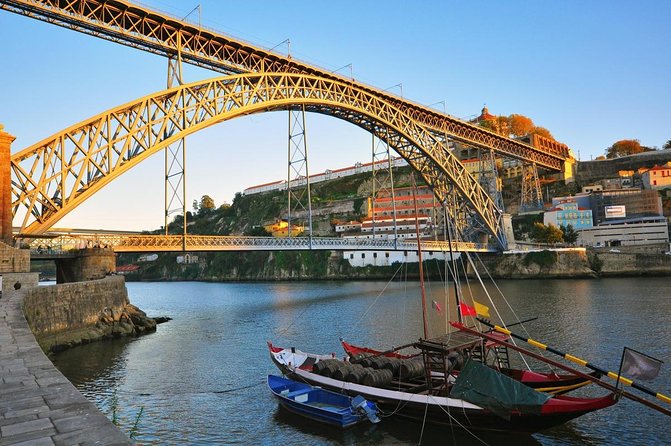
- The tour crosses from Porto to Gaia on foot: You meet near the old Pensil Bridge on Porto’s lower riverfront side and finish in Vila Nova de Gaia.
- Three Port houses give you useful contrast: You visit a major producer, an old cellar turned visitor center, and an interactive Douro interpretation center.
- The farthest walk is about 800 meters: The tour is all on foot, but it includes standing in cellars and visitor areas.
- Guides make a major difference: Alex and Kevin receive especially warm praise for humor, warmth, and clear explanations, though the guide is assigned rather than chosen.
- Bring a small snack: Food is not included, and the tasting portions are not a substitute for lunch.
Why Port makes sense in Gaia
Port is made in the Douro Valley and traditionally reaches the cellars of Vila Nova de Gaia for storage, aging, and sale. That geography gives this tour a useful structure. You are not simply sitting at a bar while someone names the wines. You are walking through the part of Porto where the trade became visible in barrels, lodges, museums, and tasting rooms.
The meeting point is by the pillars of the old Pensil Bridge, next to the D. Luis Bridge, on the Porto side at the lower level. Look for a guide wearing a red Porto Walkers jacket. This detail matters because the riverfront has several paths, bridge levels, and tourist groups, and a misplaced start can cost you precious time.
The tour begins at 3pm. You then walk toward Gaia while the guide explains Port’s background and the connection between Porto, Gaia, and the Douro Valley. The route is not a strenuous city hike. The stated farthest walk is 800 meters, but you will still spend time standing, walking over uneven city surfaces, and moving between indoor wine spaces.
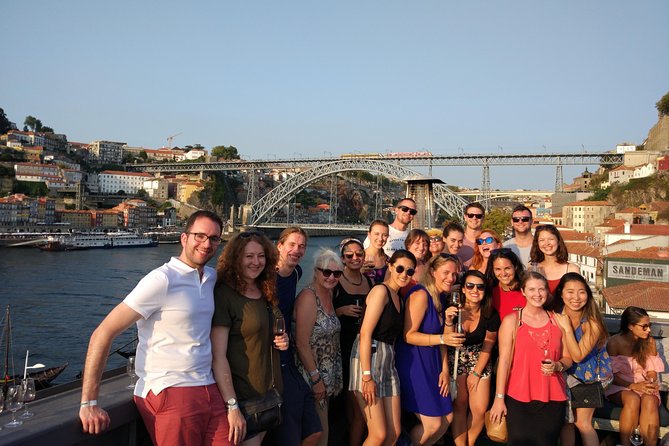
The group can reach 18 people. That is small enough for a social tasting without making it a private tour. If your guide is Alex or Kevin, the afternoon may feel especially lively. Both are praised for mixing jokes and local stories with serious information about Port. Cyril and Seral are also singled out for making the wine and city easy to understand.
More tastings within reach of Porto:
- From Porto: Douro Valley w/ Boat Tour, Wine Tasting & Lunch
★ 4.7 · 19,061 reviews - Complete Douro Valley Wine Tour with Lunch, Wine Tastings and River Cruise
★ 5.0 · 12,920 reviews - Porto: Live Fado Show with Glass of Port Wine
★ 4.8 · 6,498 reviews
The first cellar: Port basics, museum displays, and two reserve pours
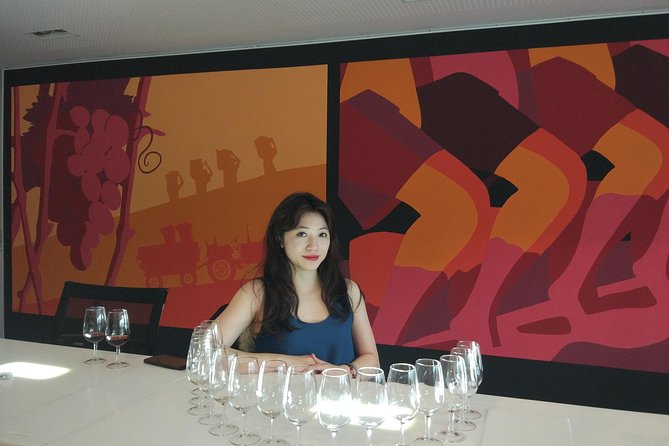
The first major stop is a leading Port producer in Vila Nova de Gaia. Here you visit a museum and cellar before sitting down for a guided tasting of Reserve White and Reserve Tawny Ports.
This is a useful opening because it gives you the vocabulary to follow the rest of the afternoon. The guide explains the main Port families and why Port differs from ordinary table wine. You learn about aging, barrels, and the production connection between the Douro Valley and Gaia.
The Reserve White is a good reminder that Port is not only a dark, sweet after-dinner drink. The Reserve Tawny then shows how time in wood changes a wine’s color, aroma, and flavor. You may not leave able to identify every bottle on a restaurant list, but you should have a clearer sense of what you like.
The cellar is also the most traditional stop. Expect a guided look at the producer’s displays and storage areas rather than a casual wander. One major house frequently connected with this route is Cálem, though the exact venue can change. The important point is that this stop gives you a polished introduction before the tour moves to more hands-on interpretation.
One thing to watch is the pacing. Most of the afternoon is built around information, and one account describes a lengthy presentation before the first tasting. If you prefer a quick pour and a short explanation, this may feel slow. If you want the basic wine lesson before sampling, the structure works well.
The old cellar turned visitor center
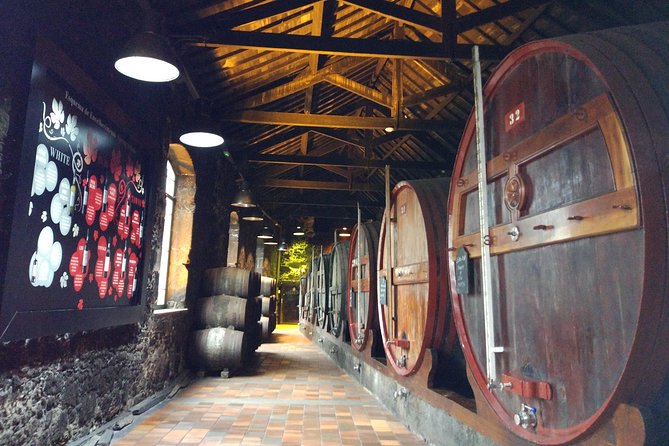
The next stop takes you into an older cellar that has been converted into an interactive visitor center. Here the focus shifts from brand history to the physical work behind Port.
You learn about the barrels used to store the wine and how cork is produced. These details sound simple, but they answer questions you might otherwise never think to ask. Why does the same Port taste different after time in wood? Why are barrels part of the wine’s character? Why is cork still such a familiar part of the bottle?
This stop helps connect the tasting glass to the objects around you. You are no longer hearing only about categories such as Ruby and Tawny. You can see the vessels and materials that shape the final drink.
The tasting here includes a young Ruby Port. Ruby is generally the more fruit-forward, youthful style in the group, and it gives you another clear comparison with the reserve white and tawny pours from the first house.
The setting may be less grand than the main producer’s cellar, which is part of its appeal. It can feel more like a working interpretation space than a formal museum. At the same time, expectations should stay realistic. The tour description promises a visit to an old cellar and an interactive center, not a private look at a family producer’s entire operation.
The Douro interpretation center and tasting workshop
The third stop focuses on the Douro Valley, described here as the world’s oldest demarcated wine region. The center uses interactive material to explain the valley, the vineyards, and the route Port takes from the interior to the riverfront cellars.
This is the most educational part of the tour for anyone who wants context beyond the bottle. Port does not begin in Porto. The Douro’s wine country, production methods, and transport links are central to the story, and the center gives you a visual way to follow that chain.
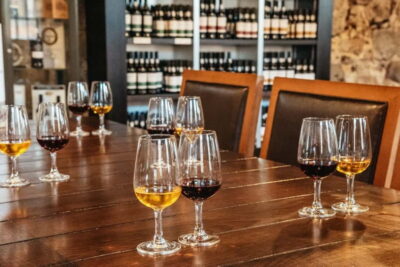
You then take part in a guided tasting workshop with different wines. The emphasis is not only on identifying types, but also on learning how to pair Port with food. That can be more useful than a list of tasting notes. You begin thinking about Port as something to serve with a meal or dessert, not just something to sip after dinner.
The full experience includes seven Port tastings. The supplied details specifically identify the Reserve White, Reserve Tawny, and young Ruby pours, while the workshop adds further samples for comparison and pairing. Because the exact wines can change, do not expect a fixed vintage lineup or a rare-bottle tasting.
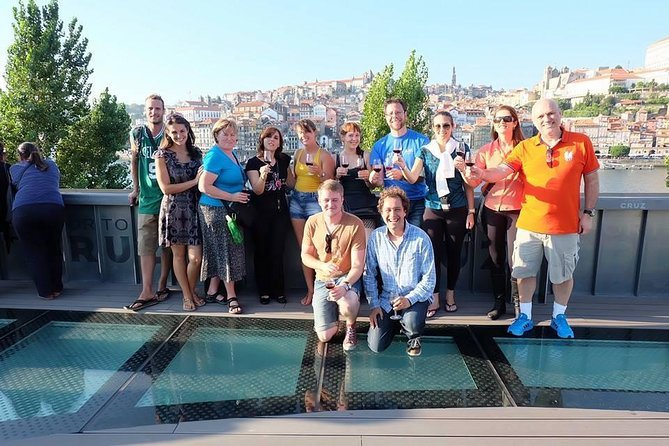
The center ends with views over Porto from its terrace. This is a fitting close. You have spent the afternoon on the Gaia side, and the terrace lets you look back across the river toward the city you left a few hours earlier.
More tastings and estates within reach of Porto:
- Douro Valley: Wine Tour with Lunch, Tastings & River Cruise
★ 4.6 · 6,081 reviews - Douro Valley: Historical Sites, Wine Experience, Lunch & Cruise
★ 5.0 · 5,133 reviews - Authentic Small Group Douro Wine Tour with Lunch & River Cruise
★ 5.0 · 4,775 reviews - Porto: Cálem Cellar Tour, Interactive Museum & Wine Tasting
★ 4.5 · 4,113 reviews
Seven tastings, and what you actually get for $62.88
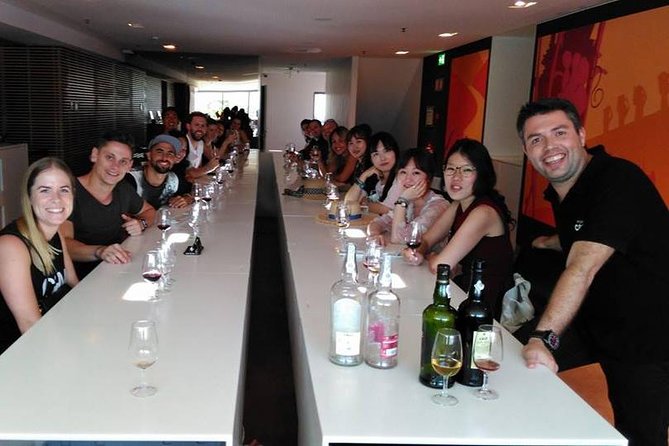
At $62.88 per person, this is not the cheapest way to taste Port. You are paying for more than the wine itself. The price includes seven tastings, entry to the wine lodges, the English-speaking guide, all listed fees and taxes, and a route through three Port houses.
That makes the value reasonable if you want structure. A self-guided afternoon could cost less, but you would need to choose the houses, reserve or pay for entry, work out the order, and teach yourself the difference between white, ruby, and tawny Port. Here, the guide provides the framework and keeps the group moving.
The value is strongest for first-time Port drinkers. You get several styles in one sitting and can compare them while the information is still fresh. It is also useful if you have only one free afternoon in Porto and want wine, local history, and views in a single booking.
The value is weaker if you are already a serious Port collector. Seven standard samples across several venues may not satisfy someone seeking rare vintages, long vertical tastings, or access to private cellars. You may also prefer a tour centered on one producer if production detail matters more to you than comparison.
Food is not included. The tour also excludes lunch, snacks, and any other food. Since the start is at 3pm and the tour lasts about three and a half to four hours, eat beforehand or carry something small if allowed. A few tasting rooms may have food options, but you should not count on a meal during the tour.
What the guides add to the afternoon
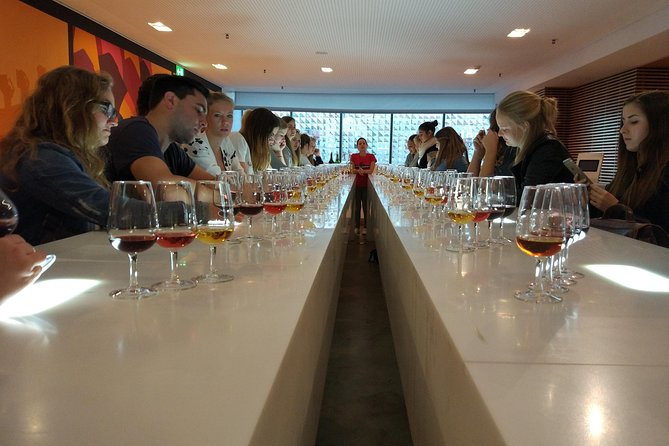
The strongest part of this experience is the guide-led storytelling. Alex is repeatedly described as welcoming, funny, attentive, and able to make technical information stick. He also brings in Porto’s cultural background rather than treating the wine as an isolated subject.
Kevin receives similar praise for his humor, local facts, and relaxed style. He has led groups through the city, Gaia, and the Port houses while keeping the mood social. Cyril is noted for making the history and production process accessible, and Seral is praised for turning the afternoon into a broad story about Porto and Port.
That does not mean every group gets the same experience. Guides differ, and a very enthusiastic guide may talk quickly or leave less time for questions. One account specifically felt that the guide did not allow enough time for questions and made an unhelpful restaurant recommendation afterward. I would treat that as a reminder to make your own dinner plans rather than rely on a guide’s list.
The best approach is to ask questions early. If you want to understand how tawny aging works, how ruby Port differs, or which bottle style suits a certain food, say so during the first tasting. You may get more useful answers before the group reaches the final workshop.
Walking, meeting point, and practical fit
This is an all-walking activity. There is no hotel pickup or drop-off, so you need to reach the bridge meeting point on your own and arrange your own return from the final venue at Avenida de Diogo Leite 135 in Vila Nova de Gaia.
The start is on Porto’s side of the river, while the finish is on the Gaia side. That is convenient if you plan to continue exploring the lodges or the riverfront after the tasting. It is less convenient if your accommodation is back in central Porto and you want a quick end at your hotel.
The stated duration is about three and a half hours, while the included information also calls it a four-hour tour. Plan for the longer figure. A late finish is possible if the group moves slowly or a tasting runs over.
Most people can take part, and service animals are allowed. The minimum drinking age is 18. Children over six may be possible with advance contact, but they require paid admission, so do not simply arrive with a child and expect the standard booking to cover them.
The mobile ticket is handy, and confirmation is provided at booking. The important practical detail is still the meeting point. Go to the pillars of the old Pensil Bridge on the lower Porto side, not to a generic point near the top of the D. Luis Bridge.
Who will enjoy this Port walk most
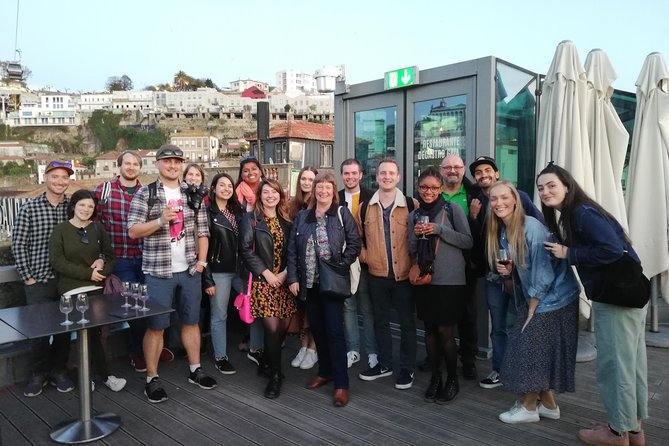
I would choose this tour if you are new to Port, want to taste several styles, and like learning through a guide rather than reading labels on your own. It also suits couples and small groups who want an afternoon activity with a social feel.
It works well for a first day in Porto because it gives you basic orientation to Gaia and the riverfront. You also finish with a view back toward Porto, which helps you understand the two-city layout.
I would be more cautious if you dislike group tours, long explanations, or standing indoors. The maximum group size is 18, not a private party, and the educational sections can take real time. If your priority is an intimate tasting led by a winemaker, this is not the right format.
I would also avoid booking it as your only meal plan for the afternoon. The seven pours are tasting portions, and there is no lunch or food included. Have something to eat first, especially if you are not used to fortified wines.
Should you book it?
Book this Port walk if you want a friendly, organized introduction to Gaia’s wine lodges, with seven samples and enough background to tell white, ruby, and tawny styles apart. The strongest guides, especially Alex and Kevin, add humor and local color that can make the learning stick.
Skip it if you want rare wines, a private cellar visit, or a fast tasting with little commentary. Also think twice if you need a strict three-hour schedule, since the experience may run closer to four hours.
For most first-time Porto visitors, the $62.88 price is fair because it combines three houses, entry fees, a guide, tastings, and a terrace view in one afternoon. Just meet at the correct bridge pillars, eat before you go, and leave room in your schedule for the tour’s slower presentation sections.
FAQ
Where does the Port wine tour start?
It starts by the pillars of the old Pensil Bridge, next to the D. Luis Bridge on the lower level of Porto’s side of the river. Look for a guide wearing a red Porto Walkers jacket.
What time does the tour start?
The scheduled start time is 3pm.
Where does the tour finish?
It ends at a Port tasting venue at Avenida de Diogo Leite 135 in Vila Nova de Gaia.
How long does the tour last?
The experience is listed as about three and a half hours, while the included details describe it as a four-hour walking tour. Plan for roughly three and a half to four hours.
How many Port tastings are included?
Seven Port tastings are included. The named examples are Reserve White, Reserve Tawny, young Ruby, and additional wines used in the tasting workshop.
Is food included?
No. Lunch, food, and snacks are not included. It is sensible to eat before the 3pm start or bring a small snack.
Can children join the tour?
Children over six may be able to join, but you must contact the provider in advance. Paid admission applies, and the minimum drinking age is 18.
More port wine cellar tours in Porto
- Porto: Taylor’s Port Cellars & Tasting
★ 4.6 · 3,374 reviews - Porto: Bridges Cruise with Wine Cellar Tour or Sunset Option
★ 4.1 · 2,758 reviews - Porto: Authentic Fado Show, Port Wine & Handmade Instruments
★ 4.8 · 2,737 reviews - Porto: City Train Tour, River Cruise & Wine Cellar
★ 3.9 · 2,601 reviews
Just added in Porto
- From Porto: Gerês National Park Canyoning Trip★ 5.0 · 407 reviews
- Porto: Guided 3-Hour Best of Tour by Segway★ 4.9 · 479 reviews
- From Porto: Braga & Guimarães with Lunch Small Group Tour★ 4.8 · 545 reviews
- From Porto: Aveiro, Paiva Walkways, Suspension Bridge and Lunch★ 5.0 · 434 reviews
- From Porto: Arouca 516 and Paiva Walkways Guided Day Trip★ 4.9 · 456 reviews
- Porto: 6 Bridges Port Wine River Cruise with 4 Tastings★ 4.9 · 586 reviews
- Porto: Small Group Surf Lesson with Transportation★ 4.9 · 594 reviews
- Porto: Daytime or Sunset Douro River Sightseeing Cruise★ 4.7 · 626 reviews
Port Wine Cellar Tours, compared.


Live Fado Show with Port Wine in Historic Center
Read our review →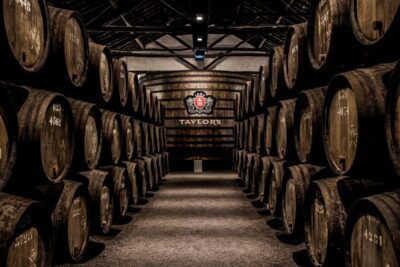
Bridges Cruise with Wine Cellar Tour or Sunset Option
Read our review →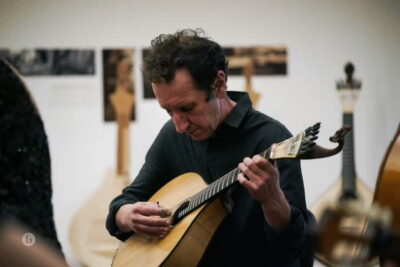
Authentic Fado Show, Port Wine & Handmade Instruments
Read our review →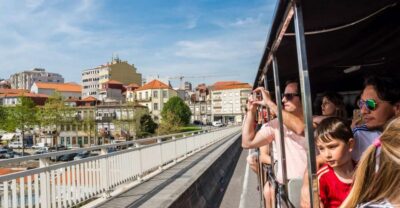
Live Fado Concert with Glass of Tawny Port Wine
Read our review →
Charming Sailboat Cruise with Port Wine,Sunset Option
Read our review →Browse the lists this tour appears in