
Reviewed · FÁTIMA, BATALHA & NAZARÉ DAY TRIPS
Time travel at the Convent of Christ Tomar
Tomar’s Convent of Christ is the sort of place that can leave you staring at a carved window without knowing why it matters. Monica connects the dots, taking you from Templar fortress to working convent and through seven centuries of Portuguese art. I like that the visit covers both the castle and the convent, rather than treating the famous Manueline details as isolated decoration. I also like the small-group limit of 30, which keeps questions manageable.
The main drawback is cost and mobility. The advertised price is $48.27 per person, but the €15 entrance fee is extra, and lunch is not included. You should also expect a moderate level of walking, uneven ground, and stairs, making this a poor fit if you have reduced mobility.
Key points to know
- Monica leads the English-language visit, explaining Templar history, architecture, religious orders, and Portuguese art.
- The castle introduction takes about 20 minutes, followed by roughly two and a half hours at the Convent of Christ.
- Seven artistic periods appear in one complex, from Romanesque and early Gothic to Manueline, Renaissance, Mannerist, and Baroque work.
- The €15 admission ticket is not included, and lunch costs an additional €15 per person if arranged.
- The meeting point is at Terreiro Dom Gualdim Pais, with parking in front of the castle.
- Free cancellation is available up to 24 hours before the start time, but late changes are not accepted.
Why Tomar rewards a guided visit
The Convent of Christ is not a simple monument where you walk in, admire a grand room, and leave. It is a layered site built and altered over about seven centuries. Military power, monastic life, royal ambition, religious symbolism, and changing artistic taste all appear in the same setting.
That mixture is the reason I would consider a guide here. Without context, you can appreciate the stonework and courtyards, but it is much harder to understand why the complex looks so different from one section to the next. Monica explains the shift from fortress to convent and points out how Romanesque, Gothic, Manueline, Renaissance, Mannerist, and Baroque styles meet within the same grounds.
The visit also gives you a way to sort fact from speculation. The complex contains symbols and details that invite questions, including imagery associated with the Templars and later religious orders. Monica presents the historical setting while also addressing the mysteries and puzzles that continue to attract curious minds. That is more useful than simply treating every unusual carving as a secret code.
Other days north from Coimbra:
- Convent of Christ Tour “Portugal in the Map” – Visit Tomar with a local guide!
★ 5.0 · 105 reviews - Three Cities in One Day: Porto, Nazare and Obidos from Lisbon
★ 4.5 · 3,572 reviews - From Lisbon: Fátima, Nazaré, Batalha, and Óbidos Guided Tour
★ 4.7 · 3,060 reviews
Starting at Castelo de Tomar
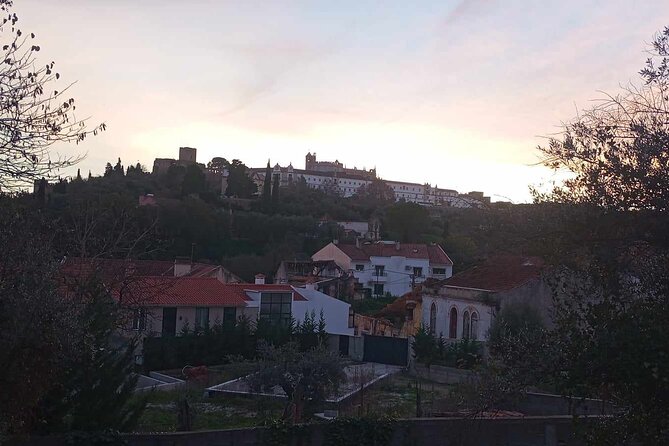
The tour begins at Terreiro Dom Gualdim Pais, at the Templar castle in Tomar. This opening section is short, about 20 minutes, but it gives the rest of the visit a firm foundation.
The castle was one of the Templar fortresses that helped secure and develop the Portuguese county. Its military design tells you what mattered at the time: defense, control of territory, and the ability to protect an important religious and political project. You are not just looking at old walls. You are seeing the practical side of the Templar story before moving into the more elaborate religious complex.
Because this portion is brief, you should not expect an extended castle-only tour. Instead, think of it as an introduction to the site’s defensive purpose. Monica uses the fortress to explain the setting before turning to the convent that grew inside and around it.
That transition is one of the strongest features of the experience. The castle and convent are not separate attractions placed near each other by chance. The convent developed within the fortified area, so the military and religious stories belong together.
Entering the Convent of Christ
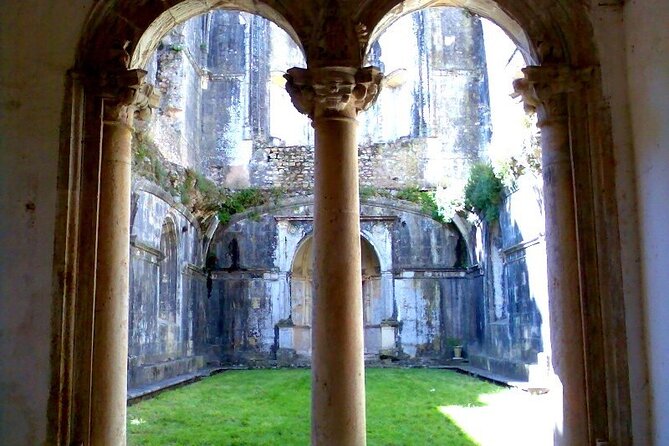
Most of the experience, about two and a half hours, takes place at the Convent of Christ. This is where the tour changes from a short fortress orientation into a sustained look at architecture, art, and religious life.
You can expect Monica to explain how the complex reflects medieval conventual life, as well as the history of the religious orders connected with Tomar. The focus is not limited to famous rulers or dramatic battles. It also includes how a convent functioned, how the buildings changed, and why later additions look so unlike the earliest parts.
That wider view makes the visit more useful than a quick walk through the best-known spaces. If you already enjoy architecture, you will have plenty to examine. If you mainly want the Templar connection, you will still get that story, but with a clearer explanation of what came before and after the Templars.
The Convent of Christ is also a good place for a guide who can set the pace. One of the strongest points about Monica is her ability to answer questions and adjust the explanation without turning the tour into a lecture. Several comments describe her English as fluent and her explanations as clear. She has a history degree from Coimbra, which helps explain the broad coverage of art, architecture, and Portuguese history.
Seven centuries of Portuguese art in one place
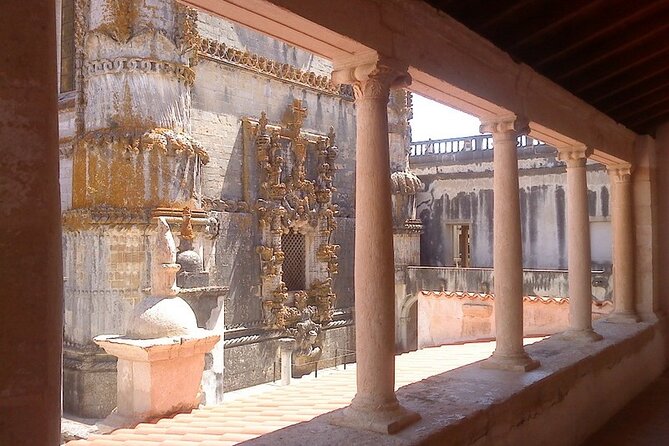
The artistic range is the real surprise. In one complex, Monica introduces you to Romanesque, primitive Gothic, floral Gothic, Manueline, Renaissance, Mannerist, and Baroque work.
You do not need to arrive with an art-history background. The benefit is that you can see the changes in front of you and have someone explain what to look for. Earlier forms tend to feel more restrained and defensive, while later work brings more decoration, detail, and visual drama. The Manueline elements are especially important to the identity of the Convent of Christ, but they make more sense when you understand the earlier structures around them.
I appreciate the range because it prevents the visit from becoming a narrow Templar lesson. The Templars are the hook, but the complex is also a record of Portugal’s changing religious and artistic life. A guide can help you see why one doorway belongs to a different period from a nearby cloister or chapel.
Monica also connects artistic choices with the people and institutions that commissioned them. That matters at a site where it is easy to admire an elaborate detail without understanding its purpose. The experience gives you a framework, so you can continue looking closely after the explanation ends.
Same base, a different kind of day out:
- Coimbra: Live Fado Show with Glass of Port Wine
★ 4.7 · 998 reviews - University of Coimbra guided tours without queue
★ 5.0 · 518 reviews - Guided tour of the University and city of Coimbra.
★ 5.0 · 377 reviews - Coimbra: Mondego River Kayaking Tour
★ 4.7 · 324 reviews
Symbols, puzzles, and the limits of certainty
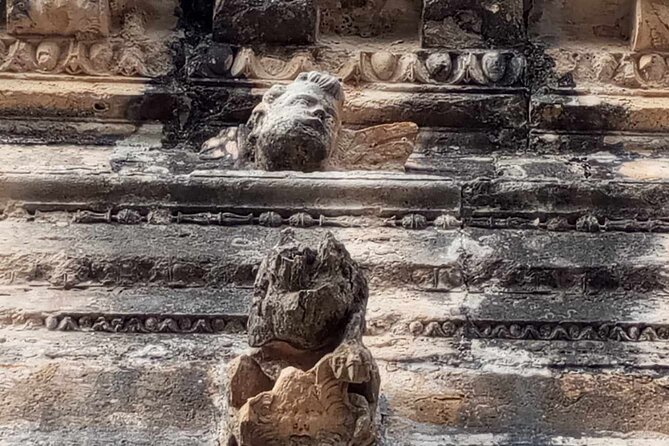
Tomar attracts people who enjoy mysteries. The carvings, symbols, and connections to the Templars naturally encourage questions about hidden meanings and secret traditions.
This tour does not need to turn every symbol into a sensational claim. Its value is in showing you what is documented, what can be interpreted, and what remains uncertain. Monica’s approach, as described in the experience, includes the symbolism that still surrounds the site while keeping the main focus on history and art.
That balance is important. You can enjoy the mystery without allowing it to replace the building itself. Look for the relationship between decoration and function, between religious meaning and political power, and between the original fortress and later convent additions.
If you like asking questions, this is a strong match. Monica is described as willing to address a wide range of curiosities, and several people appreciated that no question seemed off limits. You should still allow the guide to distinguish established information from interpretation. That makes the unusual details more interesting, not less.
What Monica adds to the experience
The guide is the central reason to book this rather than simply entering on your own. Monica is repeatedly described as warm, patient, fluent in English, and well informed across several subjects.
Her strength is breadth. She can discuss the Templar Knights, the convent, religious orders, architectural features, art history, and the development of Tomar. That range matters because the complex crosses several subjects at once. A specialist in only one period might leave gaps, while Monica’s approach links the periods together.
She also offers practical help beyond the monument. The information provided says she has recommended other sites, places to shop, and nearby activities. That can be useful if you are making Tomar part of a longer day rather than visiting only the castle.
Another personal touch is photography. Monica has taken pictures for people during the visit, allowing them to pay attention to the explanation instead of constantly managing a camera. This is not advertised as a formal photography service, so you should not book it for that reason alone, but it is a welcome extra.
The pace also seems to be a strength. One account describes the timing as just right, while another explains that Monica accommodated a late arrival caused by a delay with a rental car. You should not count on late arrival being accepted every time, but it suggests a human approach when circumstances go wrong.
Time, price, and what you really pay
The experience costs $48.27 per person. The €15 admission ticket is separate, and lunch, if included in your plans, costs €15 per person. That means you should compare the full cost rather than judging the advertised price alone.
Is it good value? For a short orientation, no. For nearly three hours of explanation at a complex with military history, religious history, and seven artistic periods, the price is easier to justify. The key question is whether you would make good use of a guide. If you enjoy learning how a place fits together, the added context has real value. If you prefer to move quickly and read only the signs, you may find the extra fee less appealing.
The tour is booked an average of 21 days ahead, so planning early is sensible, especially if you have a fixed schedule in Tomar. Confirmation arrives at booking. The group can include up to 30 people, which is not an intimate private tour, but it is still small enough for a structured guided experience.
The stated duration is about one to three hours, with the detailed schedule pointing to around 20 minutes at the castle and two and a half hours at the convent. Build your day around the longer figure. That gives you time for questions and avoids having to hurry away before the main complex has made sense.
Getting there and handling the physical side
The meeting point is Terreiro Dom Gualdim Pais, 2300 Tomar, Portugal. The end point and ticket redemption point are at the Convent of Christ, Igreja do Castelo Templário, Estrada do Convento, 2300-000 Tomar. Parking is available in front of the castle, and the location is near public transportation.
You should arrive ready to walk for a sustained period. A moderate level of physical fitness is advised, and the activity is not recommended for people with reduced mobility. The combination of castle grounds, a large convent complex, and the normal surfaces of a historic monument means comfort matters more than speed.
Wear shoes that you can use on uneven ground and stairs. That footwear advice is practical rather than decorative, since the experience is built around moving through a historic site rather than sitting in one room.
Service animals are allowed. This is a useful point to confirm before booking if it applies to you. The tour is offered in English, so it suits English-speaking visitors who want detailed explanation without relying only on written material.
Who will get the most from this visit
I would choose this experience if you are curious about how Portugal’s Templar story connects with later religious and artistic life. It suits people who want more than a quick photo stop and who enjoy asking questions about architecture, symbols, and historical change.
It is also a good fit for anyone visiting Tomar for the first time. Monica’s suggestions for nearby places can help you plan the rest of your time, and Tomar deserves more than a rushed stop if your schedule allows it.
Families with older children or teenagers may find the fortress and Templar connection more engaging than a standard art tour. The suitability will depend on their patience for a two-and-a-half-hour convent visit, however. The experience is not designed as a short, playful activity.
You might skip it if you have little interest in history, religious buildings, or architecture. You might also prefer a self-guided visit if you want complete control over your pace. The €15 entry fee remains payable either way, so the decision comes down to how much context you want for the additional tour price.
Cancellation and planning notes
You can cancel for a full refund up to 24 hours before the experience starts. Changes made less than 24 hours before the start time are not accepted, and late cancellations are not refunded. The cut-off follows local time in Portugal.
Since the experience is often booked about three weeks ahead, reserve once your Tomar plans are firm. Allow enough time for the full visit, and do not place it beside another fixed appointment with only a narrow gap.
Should you book Time Travel at the Convent of Christ?
Book it if you want Tomar explained rather than merely photographed. Monica brings together the castle, the Templars, conventual life, Portuguese art, and the site’s more puzzling symbols in a way that gives the whole complex a clear shape.
The strongest reasons to go are the wide historical coverage, fluent English, careful pacing, and Monica’s willingness to answer questions. The main cautions are the separate €15 admission charge, the additional lunch cost, the moderate physical demands, and the possibility of a group as large as 30.
For a self-guided visitor who already knows the site well, the fee may not be necessary. For most first-time visitors who want to understand why Tomar matters, this is a worthwhile way to spend roughly three hours.
FAQ
Where does the tour begin?
The tour begins at Terreiro Dom Gualdim Pais, 2300 Tomar, Portugal.
Where does the tour end?
The tour ends at the Convent of Christ, Igreja do Castelo Templário, Estrada do Convento, 2300-000 Tomar, Portugal.
Is the entrance ticket included?
No. The entrance ticket costs €15 per person and is not included in the tour price.
Is lunch included?
No. Lunch is not included. The stated lunch price is €15 per person.
How long does the experience last?
The experience takes approximately one to three hours. The detailed schedule allows about 20 minutes at Castelo de Tomar and two and a half hours at the Convent of Christ.
Is the tour offered in English?
Yes. The tour is offered in English, and Monica leads the English-language experience.
How many people can join the tour?
The maximum group size is 30 people.
Is the tour suitable for people with reduced mobility?
No. The activity is not recommended for people with reduced mobility, and participants should have a moderate level of physical fitness.
Can I cancel for a full refund?
Yes. You can cancel at least 24 hours before the experience start time for a full refund. Cancellations or changes made less than 24 hours before the start time are not accepted.
Just added in Coimbra
- Schist Villages at Lousa Mountain★ 5.0 · 127 reviews
- Lousa Mountain Private Tour★ 5.0 · 88 reviews
- Schist Villages of Lousã Mountain, half-day from Coimbra★ 5.0 · 42 reviews
- Soft Canyoning, river Ceira, Góis, Serra da Lousa, Coimbra★ 5.0 · 48 reviews
- University of Coimbra – more complete and private visit, ticket included★ 5.0 · 53 reviews
- Discovering the charms and places of Coimbra★ 5.0 · 78 reviews
- Joanina Library & Coimbra University | Private Former Alumni Tour★ 5.0 · 135 reviews
- A tour between Cascades and Schist Villages, Piodão★ 5.0 · 46 reviews
Fátima, Batalha & Nazaré Day Trips, compared.

Three Cities in One Day: Porto, Nazare and Obidos from Lisbon
Read our review →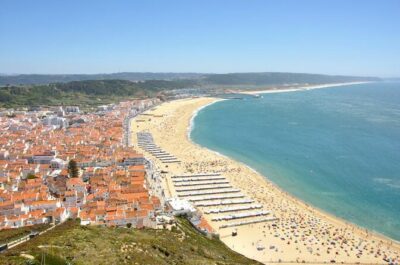
Fátima, Nazaré, Batalha, and Óbidos Guided Tour
Read our review →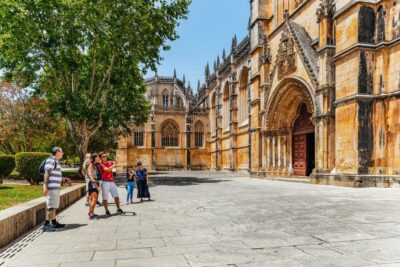
Fatima Batalha Nazaré & Óbidos Small-Group Tour
Read our review →
Fatima, Batalha, Nazare, Obidos – Small Group
Read our review →
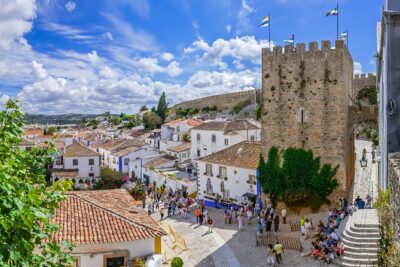
Fatima, Nazare, Obidos 8-People Small Group, Day-Tour from Lisbon
Read our review →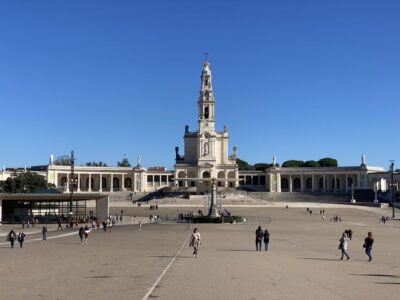
Fátima, Batalha, Nazaré, and Obidos Tour by Van
Read our review →
Browse the lists this tour appears in