
Reviewed · HISTORICAL TOURS
From Albufeira: Historical Algarve Region Tour
The far western Algarve is the real prize here. In one long day, you move from the Moorish castle of Silves to mountain roads above Monchique, then on to Lagos and the cliffs of Cape Saint Vincent, the dramatic end of mainland Europe. I like that this is not just a beach-town outing. You get old towns, Portuguese history, local farming talk, cork, birds, and big Atlantic views in the same trip.
I also like the flexible time in Lagos, where you can eat, visit a museum, or simply wander the old center. Guides such as Paulo, Benny, Mario, Andre, and Rui are repeatedly praised for clear storytelling and a warm manner. The tradeoff is distance: this is an eight-hour tour, and some departures have run closer to ten hours, with a lot of time in the vehicle. Pick this for breadth, not a slow single-site visit.
Key points to know before booking
- Silves brings the Moorish story to life: Visit the old Algarve capital, its red-stone castle, and well-preserved cathedral.
- Monchique uses smaller mountain roads: You reach viewpoints and countryside that large coaches cannot easily access.
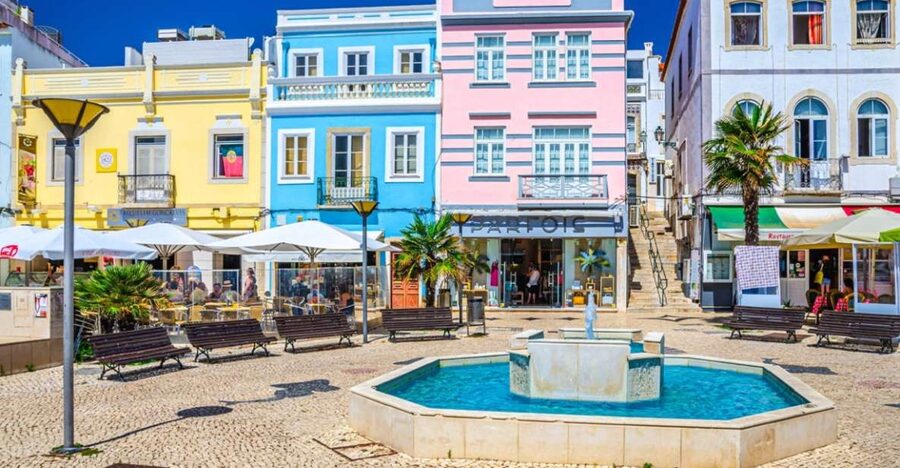
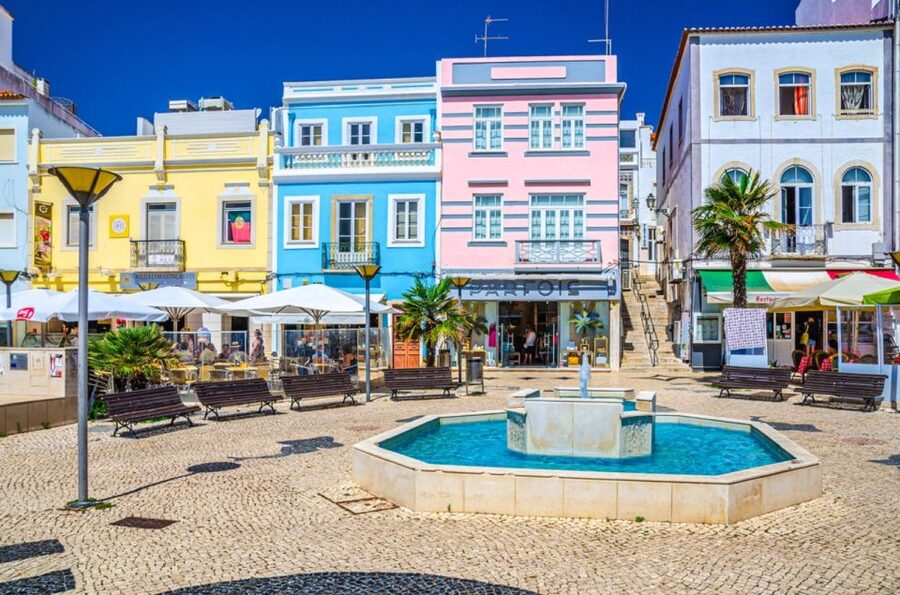
- Lagos gives you useful free time: Choose lunch, museums, shopping, or an independent walk through the historic center.
- Cape Saint Vincent is the visual finale: Cliffs meet the Atlantic at Europe’s southwestern tip.
- Guiding is a major part of the value: Guides explain history, agriculture, cork, local plants, birds, and Portuguese customs.
- The day covers serious ground: Around 300 kilometers may be involved, so expect a scenic road trip with stops rather than a compact walking tour.
Why this Algarve day trip covers so much ground
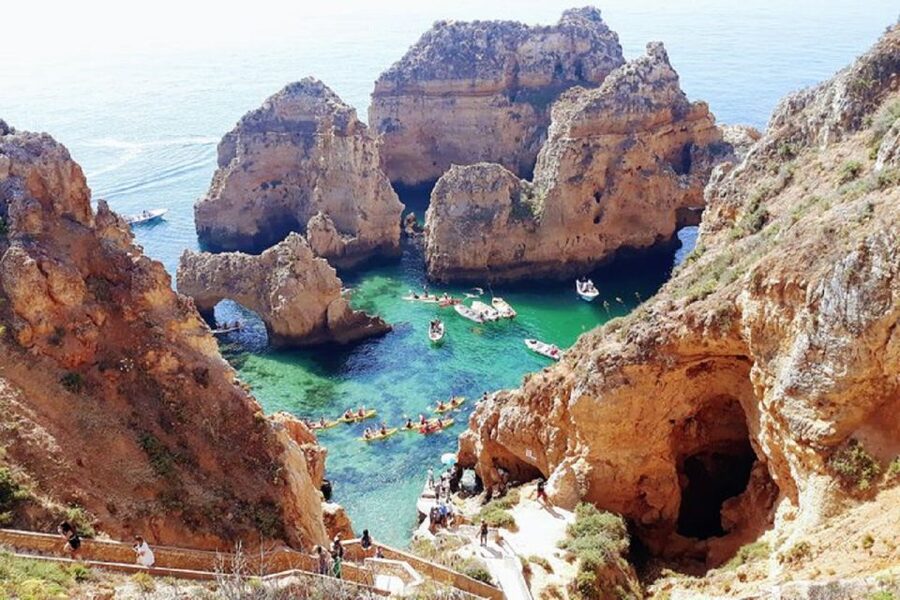
This excursion is built around contrast. Albufeira is known for its coastal resort life, but the western Algarve tells a broader story. Silves points to Moorish rule and medieval power. Monchique brings mountain scenery and winding roads. Lagos connects the region to Portugal’s maritime expansion. Sagres and Cape Saint Vincent deliver the open Atlantic in its most forceful form.
That variety is the main reason to book. You do not need to arrange several separate trips, find parking in old towns, or work out the route between inland and coastal sites. Your driver-guide handles the long distances while you look out at the countryside.
At $76 per person, the price is fair for a full-day guided outing with hotel pickup and return in the Albufeira area. Food, drinks, museum tickets, and other personal spending are extra. The value rises if you want context as you go, since the guides explain what you are seeing instead of leaving you to identify every castle, crop, and cliff on your own.
The route is not designed for people who want every minute in one place. It is a sampler of western Algarve highlights, with some stops carefully timed and others shaped by the day’s driving schedule. You should be comfortable with a full day on the road.
A few more things to do in Algarve worth a look
- Lisbon: History, Stories and Lifestyle Walking Tour
★ 4.8 · 10,902 reviews - Douro Valley: Historical Sites, Wine Experience, Lunch & Cruise
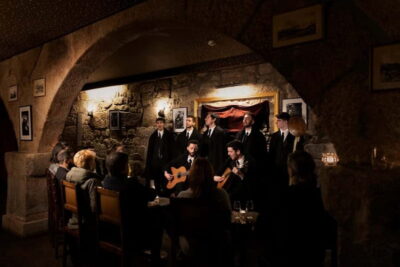
★ 5.0 · 5,133 reviews - Lisbon: Live Fado Show with Port Wine in Historic Center
★ 4.7 · 4,166 reviews
Silves Castle and the old Moorish capital
Silves is the first major historical stop, and it gives the day a strong start. Once an important Moorish capital, the city still has a clear sense of its medieval role. The castle is the headline attraction, with its distinctive red stone and elevated position above the town.
Inside and around Silves, you can connect the walls and towers with the wider story of the Algarve. The castle is not simply a photo stop. It helps explain why Silves mattered, how power was organized inland, and why the city remains one of the region’s most important historic places.
The cathedral is another key sight. Its solid form and long history make it a useful counterpoint to the castle. A guide can help you place the Christian and Moorish chapters of Silves together, rather than treating the buildings as isolated monuments.
Allow yourself time to look beyond the main entrance area. The town has steep sections and uneven historic streets, so sensible shoes help. Several people have wished for more time at Silves, which tells you something important: this is one of the stops where a history-minded visitor may want to linger.
If medieval architecture is your main interest, you may find the time here short. If your goal is to see several parts of the Algarve in one day, the visit gives you a worthwhile introduction without taking over the schedule.
Monchique by roads large coaches cannot use
From Silves, the route turns toward the Monchique mountains. This is where the tour becomes less about formal monuments and more about the physical character of the Algarve. The road climbs through countryside, and the smaller vehicle can use routes that are not practical for big buses.
The drive offers views toward the coast and the Monchique area, with planned photo stops along the way. These pauses matter because the best scenery is not always at a named attraction. You get chances to step out, take photographs, and see the change from coastal resort country to upland countryside.
The roads can be winding and, in places, rough. One useful point is that photographs are better taken during the stops than through the vehicle windows. If you are prone to motion sickness, sit where movement is least noticeable and bring anything you normally use for a long mountain drive.
Your guide may also explain local vegetation, agriculture, cork production, fruit, and birds. That extra detail gives the drive a sense of place. You are not only passing green hills and farms; you begin to understand how the land is used and why the region looks different from the coast.
Weather will affect this part of the tour more than almost any other. On a clear day, views can stretch far across the Algarve. In mist or rain, the mountains become quieter and less expansive, but the tour still operates in poor weather. Bring a light waterproof layer and do not assume the Algarve is warm at higher elevations.
Lagos, lunch, and the Portuguese age of discovery
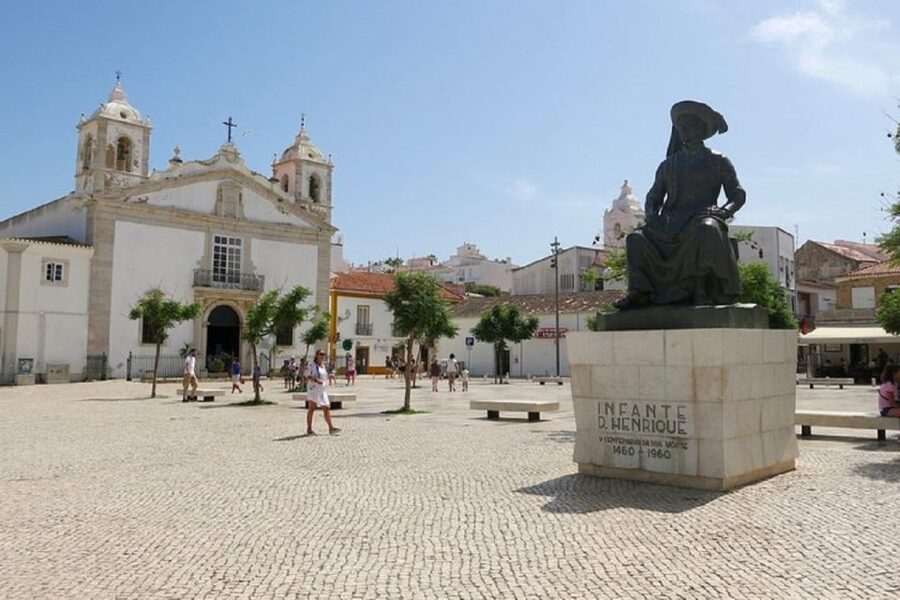
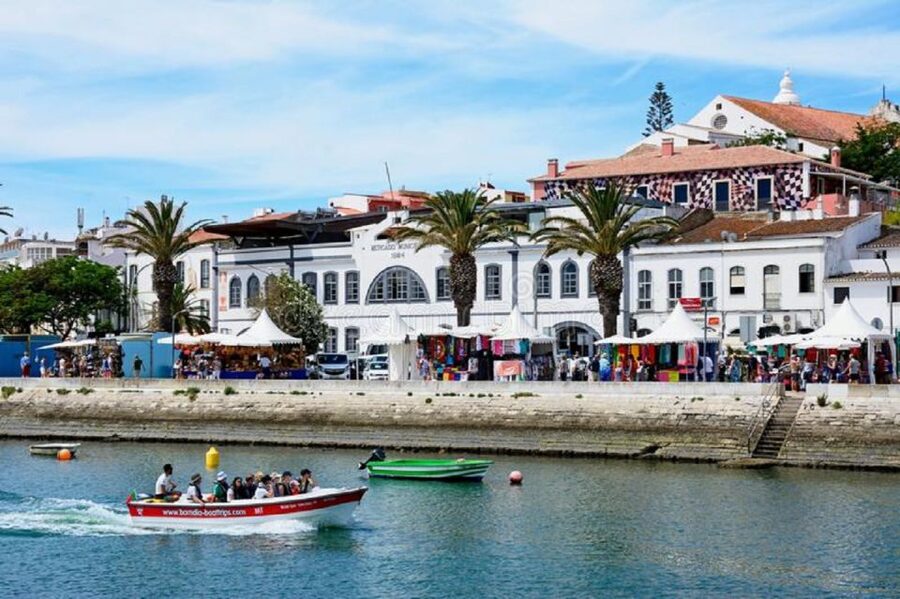
Lagos is the most flexible stop of the day. It was a major base for Portugal’s maritime expansion, and the tour connects the city with Prince Henry the Navigator and the beginning of the Portuguese age of discovery.
You will have options here rather than one fixed activity. You can find lunch, visit a museum, walk through the old town, or focus on historic buildings and public spaces. That freedom is useful because different people want different things at midday. A food-focused visitor can choose a restaurant, while someone more interested in history can use the time for a museum or independent sightseeing.
I would use the first few minutes to get your bearings before choosing lunch. The old center offers several places to eat, and spending a moment comparing menus can help you avoid settling for the first option you see. If shopping interests you, cork goods are a notable local purchase, including bags and purses. The quality and price can vary, so look at more than one shop.
Lagos is also a good place to appreciate the difference between a living Portuguese town and a purpose-built resort area. You can wander without needing a full guided walk, though the guide’s introduction gives you a useful framework for what you see.
The limitation is time. Lagos has enough history and street life for a full day on its own. Here, it functions as a well-judged break in a much larger route. You get a taste of the city, lunch, and some independent time, but not an exhaustive tour of every museum or monument.
Same base, a different kind of day out:
- Albufeira: 2.5-Hour Benagil Caves & Dolphin Watching
★ 4.6 · 10,710 reviews - Portimão: Benagil Caves Speed Boat Tour with Sunset Option
★ 4.8 · 9,329 reviews - Portimão: Benagil Sea Caves Speedboat Adventure Tour
★ 4.8 · 6,546 reviews - Albufeira: Benagil Caves & Dolphin Watching Speed Boat Tour
★ 4.6 · 6,316 reviews
Sagres and the end of the known world
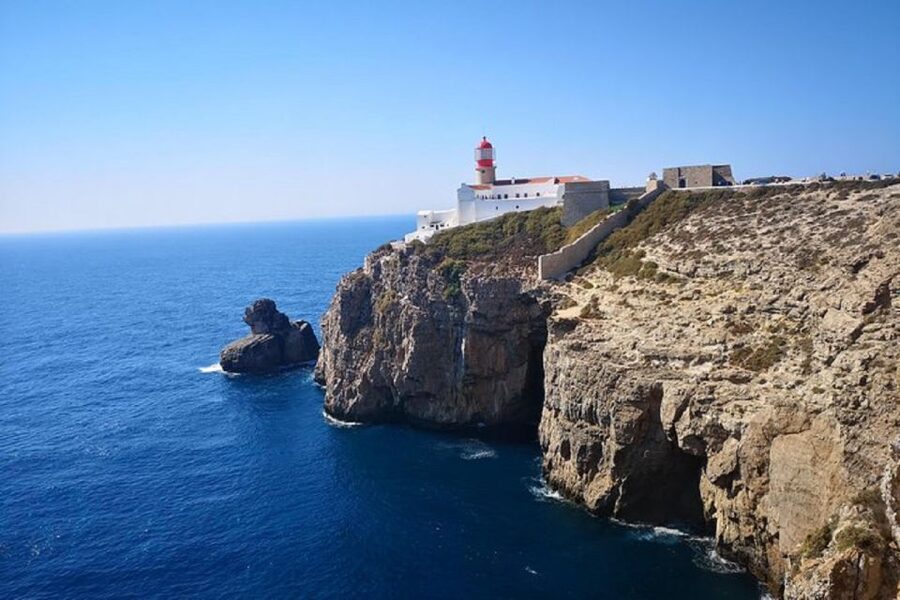
The final stretch heads toward Sagres and Cape Saint Vincent. The area was once described as the end of the world because, before the Atlantic voyages changed European maps, this was where the known mainland seemed to stop.
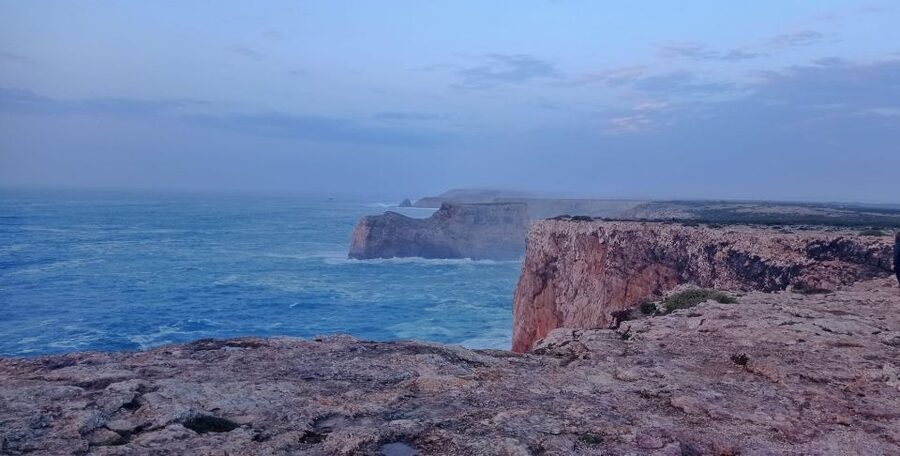
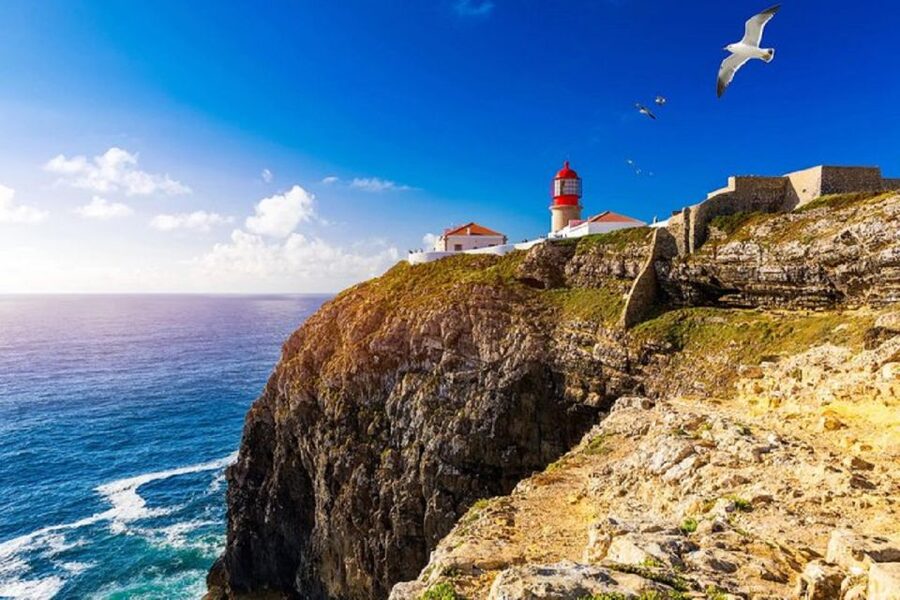
Cape Saint Vincent is the tour’s strongest visual moment. The cliffs drop toward the Atlantic, and the meeting of rock, sky, and water gives the place its power. This is the far southwestern tip of mainland Europe, not just another coastal viewpoint.
The site is exposed, so the conditions may feel much cooler or windier than in Albufeira. Hold onto hats and loose items, and take care near cliff edges. The dramatic setting invites photographs, but the ground and wind deserve respect.
Sunset timing can make the return later than the advertised eight hours. One departure lasted about ten hours because the final views were timed for the evening light. That can be excellent value if you want the atmosphere of Cape Saint Vincent at day’s end, but it may matter if you have dinner plans or another booking.
This is also the part of the route where the day’s long drive pays off. You have crossed the region to reach a place that feels remote and exposed. It is not a quick roadside stop with an ordinary view. Give yourself time to stand still, look out over the water, and let the scale of the coast register.
What the guides add to the day
The guide can make or break a route this long. The strongest part of this experience is the amount of explanation during the drive and at the stops. Guides named Paulo, Benny, Mario, Andre, Rui, Alvaro, Ricardo, and others have led departures, so the exact style will vary.
Expect more than dates and royal names. The commentary may cover Portuguese culture, cork, farming, local products, plants, birds, and the reasons certain vegetation grows in particular areas. That mix works well if you want to understand everyday Algarve life as well as major historical events.
Paulo is described as combining history with dry humor and local detail. Benny is praised for clear explanations and a friendly manner. Mario is often noted for his stories, patience, and attention to the group. Andre and Rui are also described as enthusiastic and well informed. These differences matter because an eight-hour trip needs a guide who can keep the road sections interesting.
There are practical limits. One person found a vehicle microphone would have helped, especially when listening from farther back. If hearing every word is important to you, try to sit where you can clearly hear the guide. The information is often broad rather than academic. A serious specialist in medieval Portugal may want more depth at Silves, while most people will appreciate the balance of history, nature, and local life.
Transport, timing, and the right pace
Pickup and drop-off are included for hotels in the Albufeira area. You arrange the exact hotel or nearby meeting point when confirming, then wait 15 minutes before the scheduled pickup time. Pickup delays can happen when several addresses are involved, so avoid planning a tight morning connection.
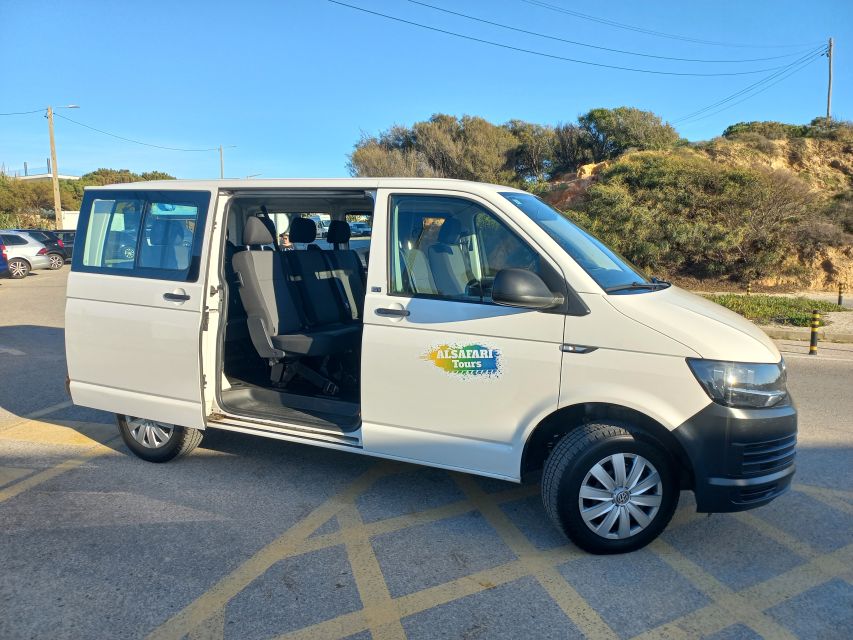
The vehicle is air-conditioned, and the route is suited to a small-group road trip rather than a large coach excursion. Exact group size is not specified, but some departures have been very small. That can make the commentary more personal and allows the driver to use narrower roads.
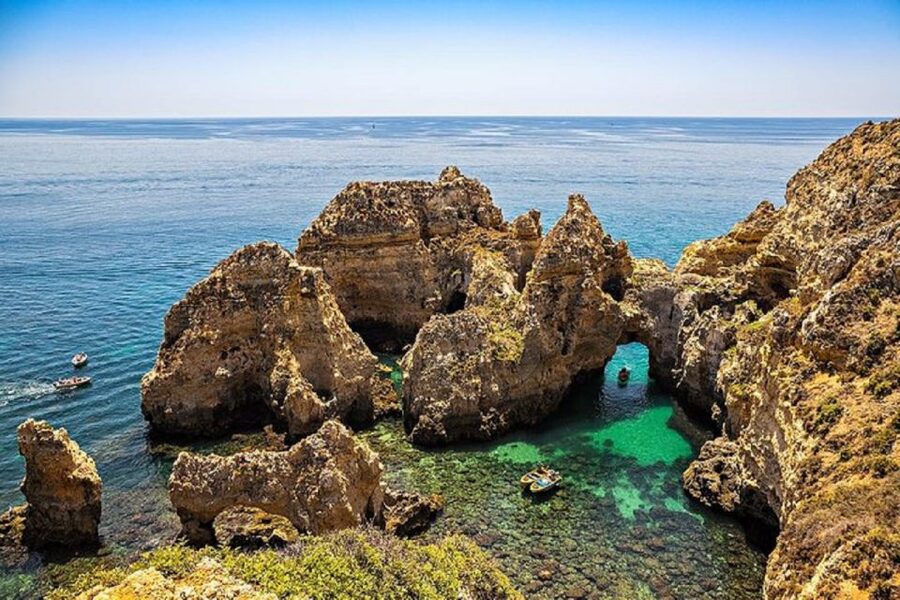
The route covers a lot of territory. One day reached nearly 300 kilometers, including Silves, Monchique, Lagos, Sagres, Cape Saint Vincent, and additional coastal scenery. The reward is variety. The cost is time spent sitting and a schedule that cannot give every town the attention it deserves.
Wear shoes suitable for old streets and viewpoints. Bring water, sun protection, and a layer for the mountains and Cape Saint Vincent. Food and drinks are not included, so plan to buy lunch in Lagos or carry something for the road.
The tour runs rain or shine. That is worth taking seriously in winter, when rain can reduce long-distance views and make castle streets or cliff areas less comfortable. Still, the historical stops and guided explanations give the day value even when the sky is not perfect.
Who will get the most from this tour
I would choose this trip if you are staying in Albufeira and want to understand more of the Algarve without renting a car. It is especially useful for a first visit, when you want to see the region’s major contrasts before deciding where to spend more time later.
Families can benefit from the variety. Children may not love every historical explanation, but castles, mountain roads, open cliffs, and a change of scenery help break up the day. The walking is not constant, and you can explore more or less at each stop.
It also suits people who like guided context but still want some personal time. Lagos gives you freedom, while the guide supplies the background at Silves, Monchique, and the western tip.
I would hesitate if you dislike long drives, need a slow pace, or want several hours inside museums. You may also prefer a shorter dedicated excursion to Silves or Lagos if one town matters more to you than seeing the whole western Algarve.
The tour has a 4.7 rating from 585 reviews, which fits the pattern of strong praise for the guides, scenery, organization, and amount seen in one day. The main cautions are consistent too: Silves can feel brief, mountain roads can be bumpy, and the route may run longer than eight hours.
Should you book the Historical Algarve Region Tour?
Book it if you want a big-picture day of the Algarve: Moorish Silves, mountain scenery, historic Lagos, Sagres, and the cliffs of Cape Saint Vincent. At $76, it is a sensible price for transport, guiding, hotel pickup, and a route that would be awkward to arrange independently in one day.
Skip it if your ideal holiday day means staying in one town, eating slowly, and avoiding vehicle time. This is a full road trip with many rewards and a few unavoidable compromises.
For most people based in Albufeira, I would book it early in the visit. You get the region’s major visual and historical markers in one outing, then can return to the places that deserve more time. Free cancellation up to 24 hours before departure and reserve-now, pay-later booking also make it easier to fit into a changing Algarve schedule.
FAQ
How long does the Historical Algarve Region Tour last?
The stated duration is eight hours, though the day can run longer when pickup timing or sunset views extend the schedule. One departure lasted about ten hours.
Where does pickup take place?
Pickup and drop-off are available at hotels in the Albufeira area. You arrange the exact hotel or a nearby meeting point when confirming the reservation.
Which languages are available?
The live guide service is available in English, Portuguese, and French.
Is lunch included?
No. Food and drinks are not included. You have time in Lagos to choose a restaurant or arrange your own meal.
What places does the tour visit?
The route includes Silves, Silves Castle, the Monchique area, Lagos, Sagres, and Cape Saint Vincent. Additional photo stops may be included along the route.
Does the tour operate in bad weather?
Yes. The tour takes place rain or shine. Conditions may affect mountain and coastal views, so bring suitable clothing.
Just added in Algarve
- Albufeira: Jet Ski Rental★ 4.4 · 556 reviews
- From Albufeira: Algarve Sunset Jeep Tour with Tastings★ 4.7 · 382 reviews
- Albufeira: Paragliding and Paratrike Tandem Flights★ 4.8 · 112 reviews
- Algarve: 1-Hour Carrapateira Horseback Riding Tour★ 5.0 · 295 reviews
- Algarve: 30-Minute Jet Ski Experience★ 4.9 · 441 reviews
- Algarve: Benagil Sea Cave Sunrise or Sunset Kayak Experience★ 4.8 · 469 reviews
- Skydive Algarve: Tandem Skydiving 10.000ft (up to 15.000ft)★ 4.9 · 148 reviews
- Algarve: Tandem Skydiving Adventure 15,000 to 10,000 Feet★ 4.8 · 250 reviews
Historical Tours, compared.

Historical Sites, Wine Experience, Lunch & Cruise
Read our review →
Live Fado Show with Port Wine in Historic Center
Read our review →

Browse the lists this tour appears in