
Reviewed · WALKING TOURS
Porto: Historical Center Walking Tour
Porto reveals itself best on foot, one steep lane and tiled façade at a time. This three-hour walk moves from the medieval Sé neighborhood to the city’s grandest landmarks, with stories about Portuguese rulers, religion, architecture, local life, and even the occasional ghost.
I like the strong storytelling and the way guides such as Pedro and Gregorio adjust the pace for the group. I also like the wine, bread, and olive oil tasting, a small but fitting finish after a hilly walk. The main drawback is the terrain: Porto’s slopes, uneven streets, heat, and crowds can make this tiring for anyone with limited mobility or low fitness.
Key points to know before you book
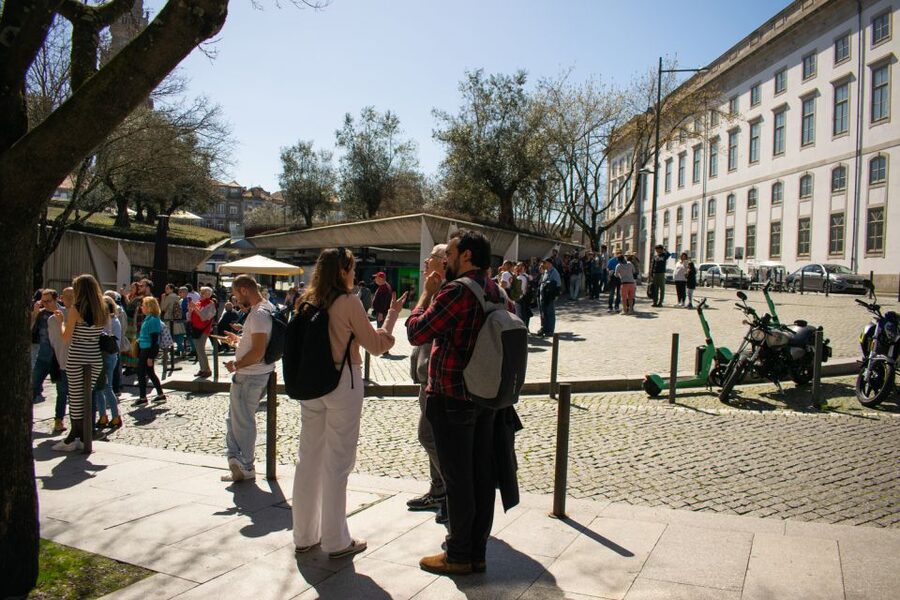
- Medieval Porto comes first: Walk the narrow lanes of the Sé neighborhood before reaching the city’s better-known sights.
- The route covers a lot: Expect the historic center, a famous railway station, art nouveau buildings, Lello Bookshop, Clérigos Tower, and city viewpoints.
- Guides make the difference: Pedro, Gregorio, and other English-speaking guides are praised for humor, clear explanations, and good pacing.
- The walk is hilly: Comfortable shoes, water, sun protection, and sensible clothing matter here.
- The ending is more than a goodbye: Port wine, bread, and olive oil are included, with a Virtudes Gardens picnic available as an option.
- It is useful early in your stay: You get a broad orientation and practical ideas for restaurants, bars, fado, and later sightseeing.
Why this Porto walking tour works so well
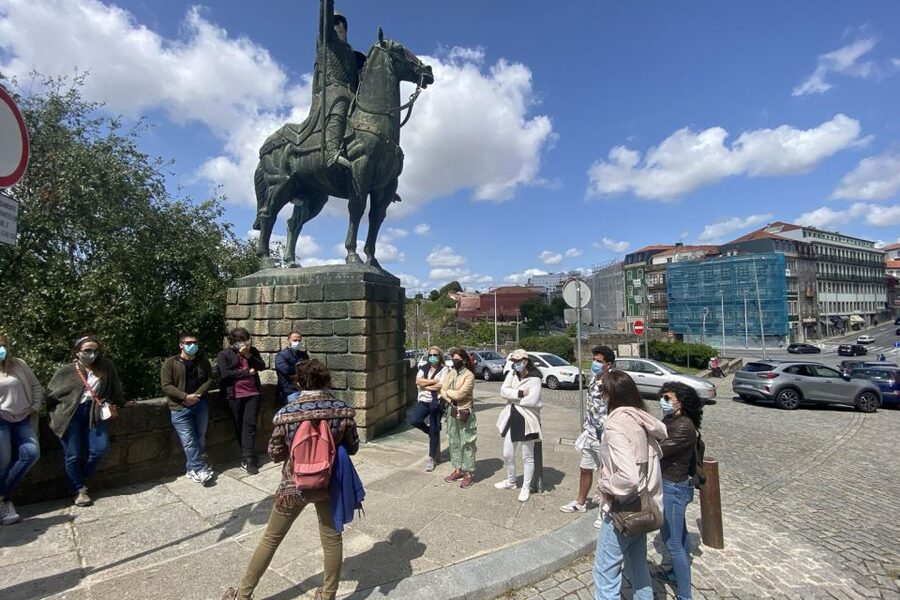
At $41 per person, this is not the cheapest way to look at Porto’s old center. Much of the route can be walked without a guide. But the value comes from having someone explain what you are seeing while you move through a city that can feel confusing at street level.
Porto’s center is compact on a map, yet it is full of steep streets, sudden viewpoints, churches, grand houses, small alleys, and buildings that are easy to pass without noticing. A good guide connects these pieces. The strongest guides on this tour do not simply recite dates. They link the city’s religious past, royal history, architecture, local customs, housing concerns, and political changes into one clear story.
That is why I would take this tour near the start of a Porto visit. You get your bearings quickly, see the main sights without planning every turn, and leave with ideas for what to return to later. The tour also gives you a chance to ask practical questions about food, nightlife, fado, and neighborhoods.
The experience is conducted in English and lasts three hours. The meeting point is at the activity provider’s office at R. de Mouzinho da Silveira 34. From there, you return to the same address after the tasting.
Other guided walks in Porto:
- Porto Walking Tour, Lello Bookshop, River Cruise and Cable Car
★ 5.0 · 3,354 reviews - Experience Porto’s Charm: 3-Hour Guided Walking Tour
★ 5.0 · 2,432 reviews - Porto: 3-Hour Guided City Highlights Walking Tour
★ 4.8 · 2,050 reviews
Starting in Sé, where Porto feels oldest
The walk begins in the Sé area, the historic quarter around Porto’s cathedral. This is the right place to start because the streets quickly show you the older side of the city. Instead of beginning with a polished avenue or a single monument, you enter a maze of narrow lanes and medieval passages.
Here, the route depends heavily on the guide. Porto’s old streets can seem like a jumble of stairways, sloping alleys, and buildings pressed close together. A guide can point out the features that give the quarter its character and explain how the city developed around its religious and defensive core.
The first 80 minutes are devoted to guided sightseeing and walking, with scenic views along the way. That timing suggests a steady route rather than a rushed checklist. Guides commonly stop to talk, then let the group catch up before moving on.
You should still expect effort. The city center is hilly, and the route includes uneven pavement and slopes. Several people who took the walk praised the built-in pauses, especially in warm weather. That matters because three hours of continuous walking in Porto can become a workout disguised as sightseeing.
Porto’s famous railway station and the city after dark
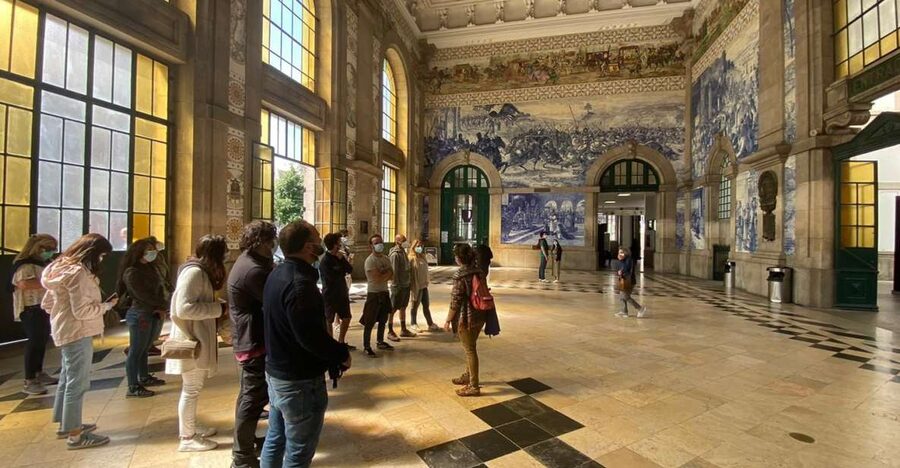
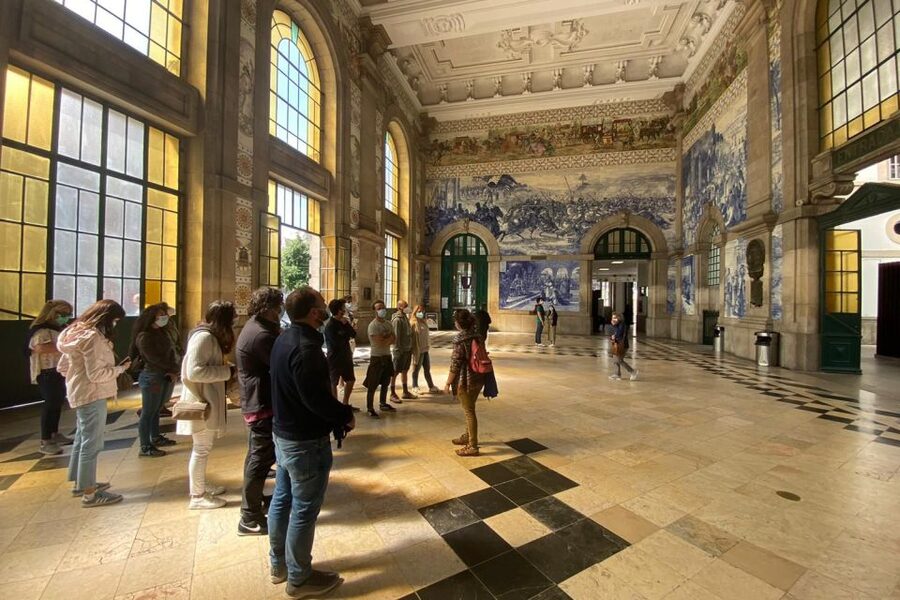
From Sé, the route continues toward one of Portugal’s best-known railway stations. The station is a major architectural stop, and the walk gives you a chance to appreciate it as part of the city rather than as an isolated photo opportunity.
The itinerary also passes through areas connected with Porto nightlife. This is useful context if you are staying in the center. Seeing these streets in daylight helps you recognize them later, and the guide can give you a sense of where evening activity is concentrated.
I like this part of the route because it adds daily life to the monuments. You are not only looking at old stone. You are also learning how the same streets function today, where people go out, and how the historic center fits into modern Porto.
The route then moves past art nouveau buildings. This change in style is one of the walk’s strengths. Porto is not a city of one architectural period. Medieval streets, religious buildings, ornate commercial façades, and grand civic landmarks appear within a fairly small area.
Do not expect a long interior visit at every stop. This is primarily an orientation walk, so the guide’s explanation and the outside views carry much of the experience. If you want extended time inside each landmark, you will need to return on your own.
Lello Bookshop, with an important practical expectation
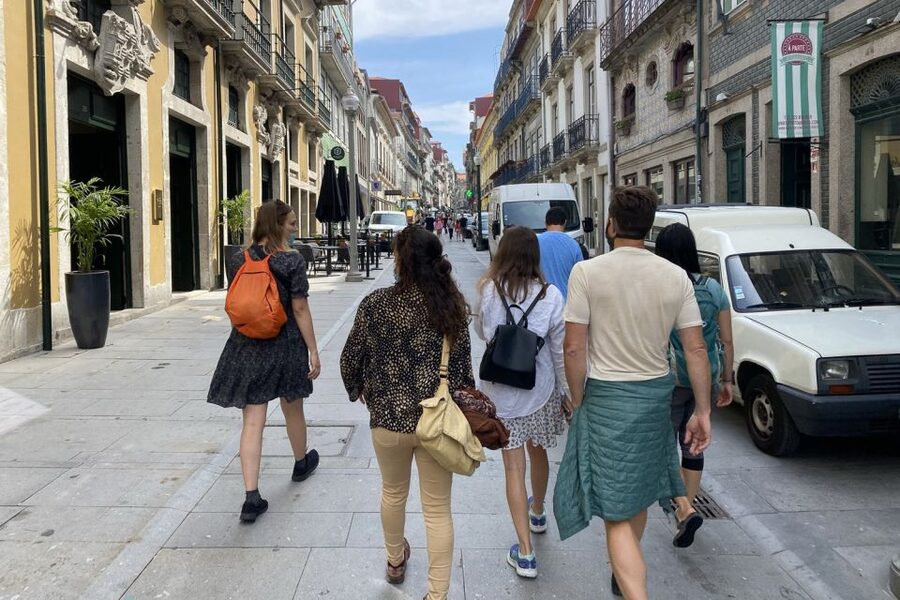
The tour passes the famous Lello Bookshop, one of Portugal’s oldest bookstores and a global favorite among book lovers. Its elaborate interior has made it one of Porto’s most photographed places.
The important point is that passing by Lello Bookshop is not the same as having a long interior visit. The provided route describes seeing the bookstore as part of the walking tour, not a dedicated admission and browsing session. If entering is a priority, ask about the arrangements before booking or plan a separate visit.
Even from outside, the stop helps explain how Porto’s reputation has shifted from a working historic city to a major cultural destination. The guide can place the bookstore among the surrounding art nouveau buildings, churches, shops, and nightlife streets instead of treating it as a stand-alone attraction.
Crowds can be an issue around popular sights. One person specifically noted that Porto was very busy. A walking tour cannot remove that problem, though a guide can keep the group moving and help you understand what deserves your attention.
Same base, a different kind of day out:
- The Unvanquished Tour in Porto City Center
★ 5.0 · 26,497 reviews - From Porto: Douro Valley w/ Boat Tour, Wine Tasting & Lunch
★ 4.7 · 19,061 reviews - Complete Douro Valley Wine Tour with Lunch, Wine Tastings and River Cruise
★ 5.0 · 12,920 reviews - Porto: Six Bridges Cruise
★ 4.2 · 11,680 reviews
Clérigos Tower and the best city views
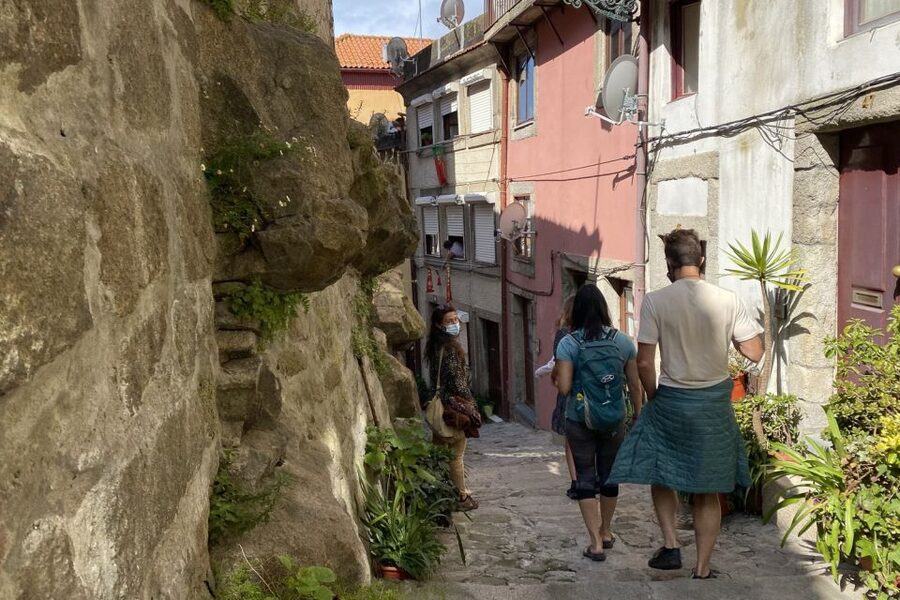
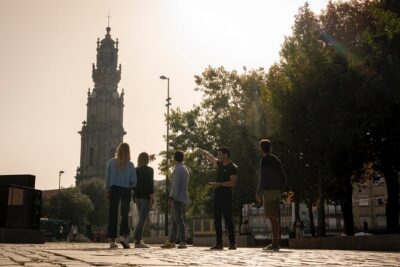
The walk continues to Clérigos Tower, one of Porto’s most recognizable symbols. Its tall profile can be seen from different parts of the city, which makes it a useful landmark as you learn the layout of the center.
The tour’s purpose here is sightseeing and explanation rather than a climb of the tower. If you want to go up, treat that as a separate plan unless your booking details say otherwise. The benefit of seeing it with a guide is understanding how it relates to the surrounding streets and skyline.
Later, the route reaches a panoramic viewpoint over downtown, the Douro River, and Vila Nova de Gaia. This is one of the most rewarding parts of the walk because Porto’s geography becomes clear from above. You can see the relationship between the historic center, the river, and Gaia across the water.
This viewpoint also gives the walk a natural pause. After several slopes and busy streets, you get a wider view and a chance to take photographs. Bring sunglasses and a hat, particularly in strong sun. The operator specifically advises sunscreen and comfortable clothing, and that advice is practical rather than decorative.
The tasting finish: port, olive oil, bread, and local flavor
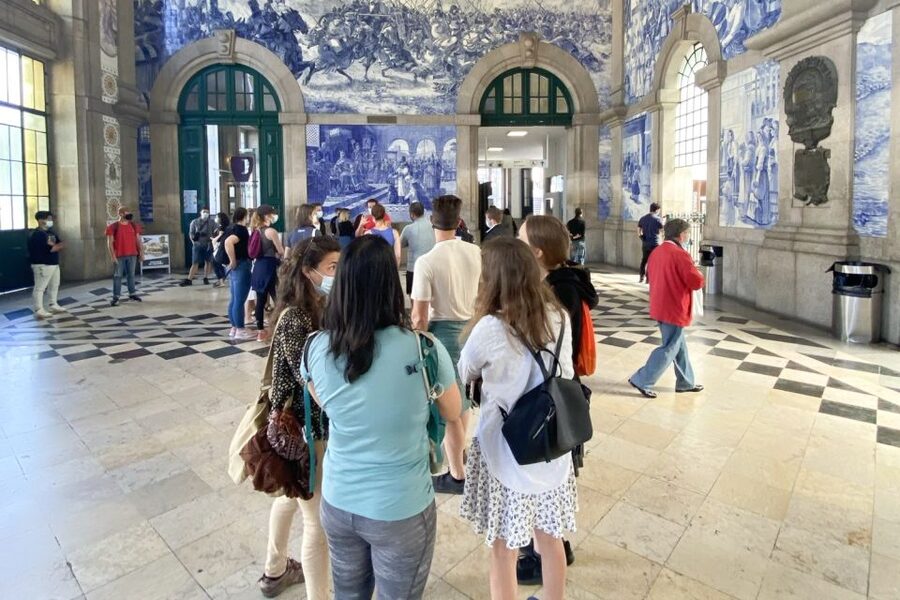
The final 20 minutes are set aside for wine and food tasting. The included finish is Porto wine with bread and olive oil. It is a simple offering, but it fits the city and gives the group time to relax after the walking portion.
I like this ending because it changes the mood. The first part is about movement and information. The last part lets you sit or linger with the group, ask final questions, and talk with the guide. Several guides also provide suggestions for restaurants, bars, fado performances, and other places to visit.
The olive oil tasting is especially useful for anyone who wants a small introduction to Portuguese table traditions rather than another standard drink stop. You should not book this expecting a full meal, though. The basic inclusion is a tasting, not lunch.
If you select the picnic option, the final stop can include a box with bread, cheese, hams, fruit, one bottle of wine, Portuguese pastries, and a traditional Portuguese picnic blanket in the Virtudes Gardens. That changes the value calculation. At a higher price, you are paying for a more substantial food experience and time in a scenic public garden.
Check the exact option when booking. The picnic is not part of the basic tour for everyone. If you have a busy evening planned, the standard tasting may be enough. If you want a relaxed finish and a light meal, the picnic makes more sense.
The guides are the real reason to choose this tour
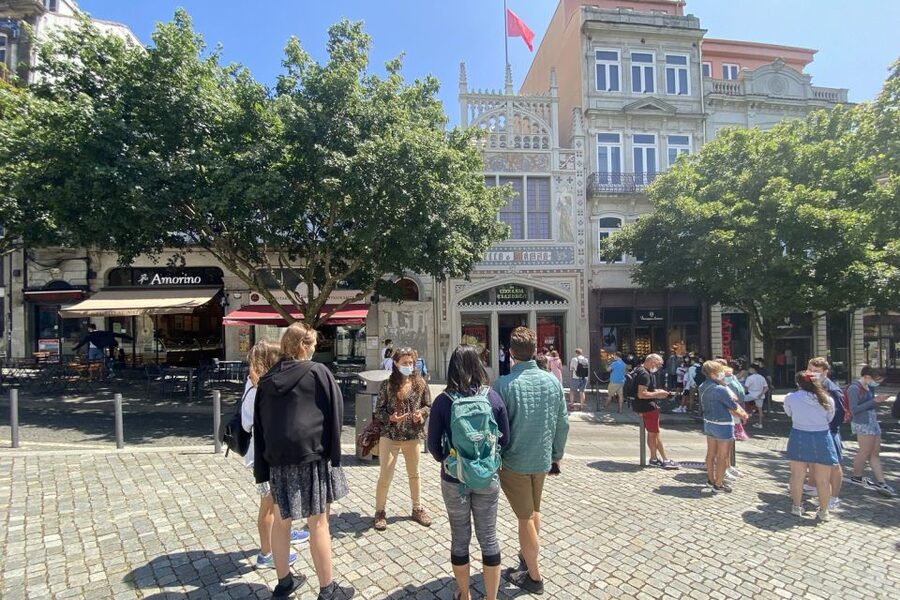
The strongest pattern across the experience is the quality of the guiding. Pedro is repeatedly described as funny, warm, well prepared, and able to link separate parts of Porto’s past into a single story. He has answered questions about housing costs, the revolution against Salazar, Portuguese queens, food, and places to go later.
Gregorio is also praised for clear English, humor, and a strong grasp of Portuguese history. Other guides, including Niro, have been described as thoughtful and engaging. Since the guide can vary, you should not assume that Pedro or Gregorio will lead every departure.
The guide’s role matters more here than on a simple landmark walk. Porto has enough history to become a blur of kings, churches, dates, and architectural terms. The better approach is storytelling. Guests have described stories about family, local customs, and even ghosts being used to make the past easier to remember.
The pacing is another strength. Guides have adjusted for groups ranging from children to older adults, stopped for breathers, checked that people could hear, and answered questions without making the walk feel like a classroom. That flexibility is valuable on a route where fitness levels can vary widely.
You should still speak up if you need a slower pace or a short pause. The guides appear willing to adapt, but the route itself remains physically demanding.
How much walking and effort should you expect?
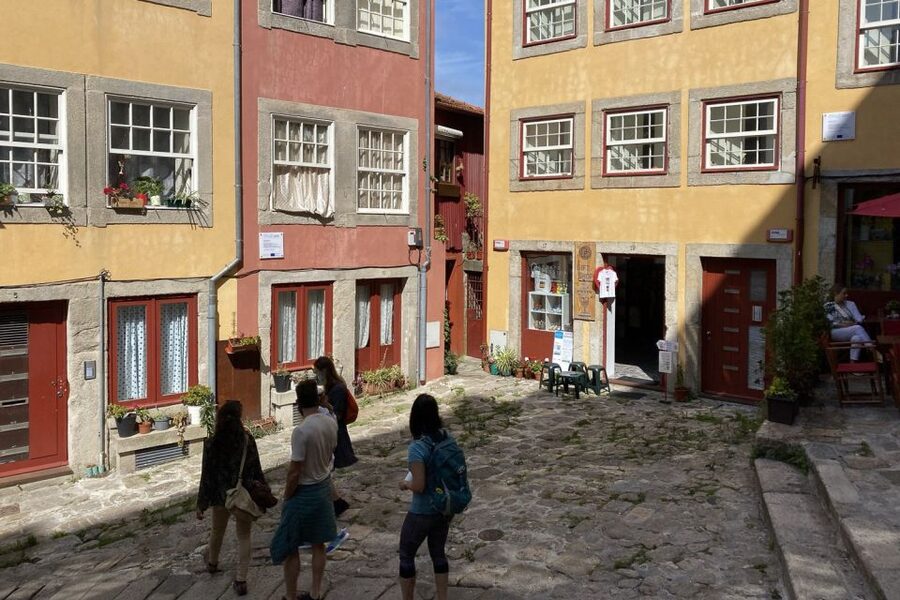
The schedule breaks the tour into an 80-minute walking section, a 10-minute break, another 80-minute walking section, and a 20-minute tasting. In real terms, you are on your feet for most of three hours.
Porto’s hills are not a minor detail. You may walk uphill, downhill, and over uneven stone streets. Wear shoes with a firm sole and good support. Sandals without much grip are a poor choice, especially if the pavement is wet.
Bring water, sunglasses, a sun hat, and sunscreen. Dress for the weather, since much of the experience takes place outdoors. Large luggage and big bags are not allowed, so leave suitcases at your accommodation.
This tour is not suitable for people with mobility impairments or low fitness. That does not mean you need to be athletic. It means you should be comfortable walking for several hours through a hilly city. If that sounds manageable, the frequent stops and moderate pace should help.
When this tour offers the best value
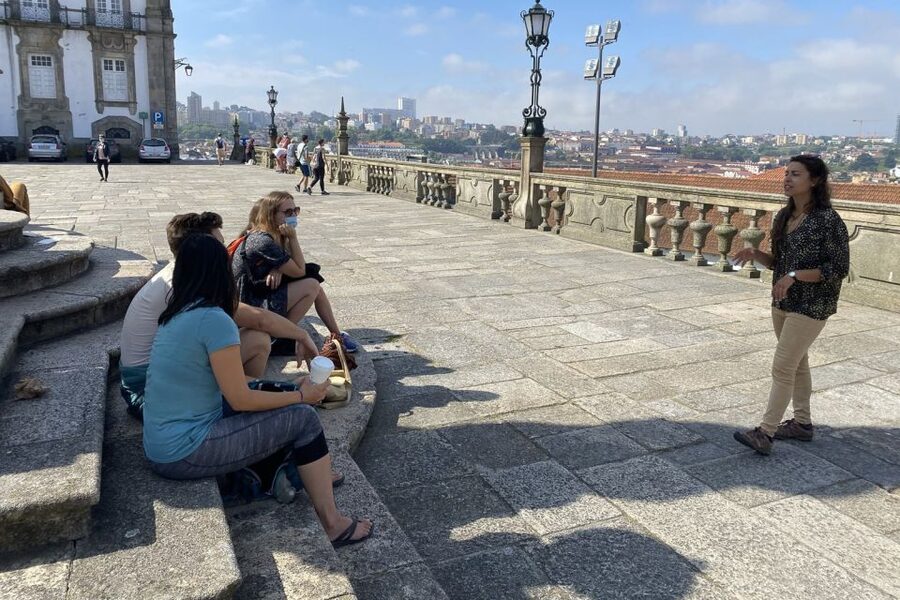
At $41, I see the best value in three situations.
First, it is a smart choice if you have only one day in Porto. You cover many of the central sights and get enough historical context to decide where to spend your limited free time.
Second, it works well early in a longer visit. The route introduces the center, the nightlife area, the main viewpoints, and several landmarks. You can then return to Lello Bookshop, Clérigos Tower, the riverfront, or the gardens with a clearer sense of direction.
Third, it suits people who want history presented in a lively way. If you enjoy asking questions and hearing local stories, the guide adds much more than a map or audio tour.
The value is weaker if you dislike group walks, want extended time inside monuments, or prefer to explore independently at your own speed. It is also less suitable if the tasting sounds like an unnecessary add-on. You can see the route yourself, but you will lose the connecting stories and practical advice.
Free cancellation up to 24 hours before the start gives you some flexibility, and reserve-now, pay-later booking can help if your plans are still changing. Starting times vary, so check availability for your date.
Who should book this Porto walk?
I would recommend it to first-time visitors, solo travelers who want an easy way to meet a guide and group, couples, and anyone interested in Portuguese history. It is also useful for families with older children who can manage the hills and stay engaged for three hours.
The tour suits curious visitors more than checklist collectors. You will see famous places, but the best moments come from the explanations between them: the story attached to a street, the reason a building looks the way it does, or the link between Porto’s past and its current life.
I would be cautious if you have mobility problems, tire easily, or want a relaxed stroll with little uphill walking. Porto itself is the issue, not simply the tour design.
Should you book this tour?
Book it if you want a strong introduction to Porto with a guide who can make history clear, funny, and connected to the streets around you. The combination of Sé’s medieval lanes, the famous railway station, art nouveau buildings, Lello Bookshop, Clérigos Tower, river views, and a port tasting gives you a lot in three hours.
Choose the picnic option if you want the Virtudes Gardens finish and a more complete food stop. Otherwise, the standard wine, bread, and olive oil tasting is a pleasant close to a demanding but useful walk.
My main advice is simple: take it early in your stay, wear proper shoes, and arrive ready for hills. If you do, $41 is a fair price for the orientation, stories, and practical help you receive.
FAQ
How long does the Porto historical center walking tour last?
The tour lasts three hours, including guided walking, a short break, sightseeing, and the final wine and food tasting.
Where does the tour start and finish?
It starts at the activity provider’s office at R. de Mouzinho da Silveira 34 and returns to the same address.
What language is the tour conducted in?
The live tour guide speaks English.
What sights are included on the walking route?
The route includes the Sé neighborhood, narrow medieval streets, a famous railway station, Porto nightlife areas, art nouveau buildings, Lello Bookshop, Clérigos Tower, and viewpoints over downtown, the river, and Vila Nova de Gaia.
Is port wine included?
Yes. Port wine, bread, and olive oil are included in the standard experience.
What does the picnic option include?
The picnic option includes bread, cheese, hams, fruit, one bottle of wine, Portuguese pastries, and a traditional Portuguese picnic blanket in the Virtudes Gardens.
Is the tour suitable for people with mobility impairments?
No. The tour is not suitable for people with mobility impairments or low fitness because you must walk through Porto’s hilly historic center.
What should I bring?
Bring comfortable shoes, sunglasses, a sun hat, sunscreen, and comfortable clothing. Large bags and luggage are not allowed.
More Historical Tours in Porto
- Douro Valley: Historical Sites, Wine Experience, Lunch & Cruise
★ 5.0 · 5,133 reviews - Porto: An Intimate Fado Show in a Historical Tavern
★ 4.8 · 1,093 reviews - Historic Porto by Private Electric Tuk Tuk to Top Landmarks
★ 4.5 · 735 reviews - Porto:Private Tour of the Historic City in a Classic Ford T
★ 4.8 · 716 reviews
More walking tours in Porto
- Porto: Wine Tasting with Tapas Walking Tour
★ 4.4 · 1,541 reviews - Porto: Historic City Center Walking Tour
★ 4.7 · 1,172 reviews - Porto’s #1 Walking Tour
★ 5.0 · 1,026 reviews - Porto: Delicious Food and Wine Walking Tour
★ 4.8 · 977 reviews
Just added in Porto
- Porto: 5 Port Wine Tasting with Delicious Pairings★ 4.9 · 134 reviews
- “Porto: Fado Show with Guided Tour in a Historic Monastery”★ 4.9 · 164 reviews
- Porto: Private Sightseeing Tour by Electric Tuk Tuk★ 4.8 · 305 reviews
- From Porto: Gerês National Park Canyoning Trip★ 5.0 · 407 reviews
- Porto: Guided 3-Hour Best of Tour by Segway★ 4.9 · 479 reviews
- From Porto: Braga & Guimarães with Lunch Small Group Tour★ 4.8 · 545 reviews
- From Porto: Aveiro, Paiva Walkways, Suspension Bridge and Lunch★ 5.0 · 434 reviews
- From Porto: Arouca 516 and Paiva Walkways Guided Day Trip★ 4.9 · 456 reviews
Walking Tours, compared.
Best of Lisbon Small-Group Guided Walking Tour
Read our review →
Porto Walking Tour, Lello Bookshop, River Cruise and Cable Car
Read our review →
Best of Lisbon Walking Tour: Rossio, Chiado & Alfama
Read our review →
Experience Porto’s Charm: 3-Hour Guided Walking Tour
Read our review →
Browse the lists this tour appears in