

Reviewed · PORT WINE CELLAR TOURS
Port Wine class with 3 or 5 Port tasting and pairings
Port wine is easiest to understand when you taste the styles side by side, and this small-group class in central Porto does exactly that. You learn how Port began, how it is made, and how white, tawny, ruby, and late bottled vintage wines differ, all while sitting across from the Palácio da Bolsa.
I like the intimate groups of up to 10 and the useful food pairings, which turn a string of sweet wines into a proper lesson. I also like the lively hosts, especially Rui, Ruan, João, and Pedro, who mix clear explanations with humor, music, and the occasional surprise. The one drawback is that this takes place in a shop room, not a traditional riverside cellar, so choose a cellar tour instead if the setting matters most to you.
Key points at a glance

- Five Port styles in the longer option: Taste white, tawny, ruby reserve, and LBV Port, with the full selection offering the clearest comparison.
- A practical Porto location: The shop is across from the Palácio da Bolsa, right in the city center.
- Food pairings included: Olives, fruit, chocolate, cheese, and brownie are served with the wines.
- Small groups matter: The class is limited to 10 people, and some sessions are much smaller.
- Hosts make the difference: Rui, Ruan, João, Pedro, and other English-speaking guides are praised for clear teaching, humor, and warmth.
- Short enough for a busy itinerary: The three-Port session takes about 45 minutes, while the five-Port option lasts about 1 hour and 15 minutes, sometimes longer when questions flow.
Why this Port class works for first-time tasters

Port can seem simple at first. It is sweet, fortified, and strongly linked with Porto. Then you see a tasting menu and find white Port, tawny, ruby, reserve, LBV, and vintage styles. The names begin to blur.
This class gives you a basic map. The opening talk covers how Port was invented, why the style developed, and how production changed over time. You are not simply handed three or five glasses and left to guess what makes each one different.
That context matters because Port is often bought as a souvenir or ordered after dinner without much thought. After this session, you should have a clearer sense of what you like and what to look for on a wine list. The tasting is aimed at beginners, but the range of styles gives experienced drinkers something useful to compare.
The tone appears to depend partly on the host leading your session. Rui is praised for being both entertaining and clear, while Ruan is described as a lively presenter who can keep a whole table involved. João and Pedro are also noted for friendly, professional explanations. The recurring theme is not formal lecture style, but an easy conversation with plenty of room for questions.
That makes this a good first wine activity in Porto. You can then approach a bottle, a restaurant menu, or a visit to the Douro Valley with more confidence.
More tastings within reach of Porto:
- From Porto: Douro Valley w/ Boat Tour, Wine Tasting & Lunch
★ 4.7 · 19,061 reviews - Complete Douro Valley Wine Tour with Lunch, Wine Tastings and River Cruise
★ 5.0 · 12,920 reviews - Porto: Live Fado Show with Glass of Port Wine
★ 4.8 · 6,498 reviews
Finding the room across from Palácio da Bolsa
The meeting point is the provider’s shop directly across from the Palácio da Bolsa, one of Porto’s best-known buildings. This is a very handy base if you are already exploring the historic center. You do not need transport to reach it from the central sights, though the information provided does not give a walking time from any particular hotel.
There is one practical detail to note: the tasting room is in the same building as the tourist office. You should check in at the tourist office rather than search for a separate cellar entrance. One person found the storefront harder to identify than expected, so keep an eye out for the shop and allow a few extra minutes.
The room is not a wine cellar. It is an interior space at the back of a shop, set up for the class. That means you get convenience and a controlled setting, but not the atmosphere of old stone vaults or barrels beneath Vila Nova de Gaia.
I see this as a tradeoff rather than a flaw. The central address makes the class easy to fit between sightseeing stops. An air-conditioned room can also be welcome on a hot afternoon. If you specifically want underground cellars, barrel storage, and a more theatrical wine setting, pair this class with a separate cellar visit.
The opening lesson: how Port came to be

The session begins with Port’s origin and development. You learn why the wine was created, how its production evolved, and what role the region around Porto and the Douro plays in the story.
The exact presentation can vary with the host and the questions from your group. That is a plus for anyone who dislikes a rigid script. Rui, Ruan, João, and Pedro are all associated with a friendly, conversational approach, and the class often becomes a shared discussion rather than a one-way talk.
I would pay attention to the production explanations here, not just the dates and names. The most useful part of a Port lesson is understanding why different bottles look and taste so different. The later tasting makes more sense when you know what the guide has explained about grape growing, production, and aging.
You should also feel free to ask questions. The stated times are approximate, and the session can run longer when people want more detail. That flexibility is valuable, though it means you should not schedule an important activity immediately afterward.
Three Ports or five: choosing the right option

You can select a three-Port or five-Port tasting. The shorter version takes about 45 minutes. The longer option takes about 1 hour and 15 minutes, with the full activity described as lasting between one hour and 90 minutes depending on discussion.
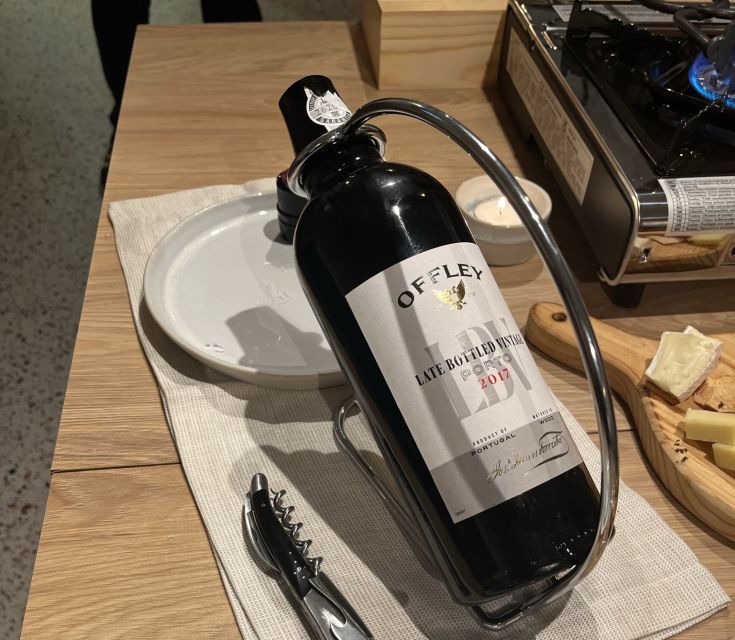
The five-Port option is the better choice if you want to understand the range of Port. The listed selection includes:
- Two white Ports
- One tawny Port
- One ruby reserve Port
- One LBV, or Late Bottled Vintage, Port
This gives you a broader comparison than a short introduction. The two white Ports are especially useful because they let you compare variation within one broad style. Tawny, ruby reserve, and LBV then show how different aging and production choices shape the glass.
The three-Port option makes sense if you have a tight schedule, drink lightly, or want a brief orientation before visiting a cellar. It is also a reasonable pick for people who are unsure how much Port they want to taste. Still, the feedback from the shorter session includes a useful warning: some people wished they had chosen five after seeing how enjoyable the class was.
The servings are described as generous, and one session included a top-up of a favorite wine. That should not be treated as a guaranteed part of every booking, but it does suggest that this is not a stingy sample-only experience. Remember that Port is fortified and sweet, so five tastings can feel more substantial than the number of glasses suggests.
More tastings and estates within reach of Porto:
- Douro Valley: Wine Tour with Lunch, Tastings & River Cruise
★ 4.6 · 6,081 reviews - Douro Valley: Historical Sites, Wine Experience, Lunch & Cruise
★ 5.0 · 5,133 reviews - Authentic Small Group Douro Wine Tour with Lunch & River Cruise
★ 5.0 · 4,775 reviews - Porto: Cálem Cellar Tour, Interactive Museum & Wine Tasting
★ 4.5 · 4,113 reviews
Pairings that make the wine easier to understand

The food is not just decoration. You are served Portuguese snacks including olives, fruit, chocolate, cheese, and brownie. These pairings help you notice how sweetness, salt, acidity, and richness change your response to the wine.
Chocolate and brownie make obvious partners for fuller, sweeter Ports. Cheese can show why Port is often served after a meal, while fruit and olives provide a contrast to the heavier flavors. The pairings also give you something to eat between pours, which is welcome during a tasting built around fortified wine.
The portions are described as good, and the food is presented and explained as part of the lesson. I like this approach because it gives you ideas you can use later. You may discover that you prefer white Port with a lighter snack, or that a richer Port works better with dessert than with a main course.
This is still a tasting, not a meal. The supplied information describes snacks rather than lunch or dinner, so plan to eat separately if you need a full meal afterward.
The hosts are a major part of the experience

The wine selection matters, but the person at the table can make or break a short class. Here, the hosts receive repeated praise for warmth, humor, and clear explanations.
Rui is singled out for combining strong Port knowledge with lively conversation. Ruan is described as entertaining, funny, and able to involve the full room. João is praised for professional explanations and a friendly manner, while Pedro is noted as an engaging host. The guide may change from one departure to another, so you cannot assume a particular person will lead your date.
The teaching style appears relaxed rather than stiff. A solo participant may find the small table format easy for meeting people, and several sessions brought together people from different countries. One particularly social group went for drinks afterward, though that is not part of the planned activity.
There may also be an artistic extra. Several sessions ended with guitar playing or singing, including fado or flamenco, and one host was described as a talented musician. This is not listed as a formal inclusion, so treat it as a possible surprise rather than a promised performance.
That unpredictability is part of the charm, but it also means the class is not best for someone seeking a tightly controlled sommelier lecture. You are buying a guided tasting with personality.
What the small group changes

The maximum group size is 10 people. That is small enough for questions to reach the guide and for the room to feel social without becoming a large presentation.
Some sessions have had only two people or a couple of additional participants. In that situation, the host can adjust the pace and spend more time on individual questions. Larger groups of around eight or 10 will have more shared energy, but you may need to speak up if you want a specific point explained.
The seating has not suited everyone equally. One person found the long benches less comfortable than chairs. This is a minor point, but it matters if you have back problems or prefer a more formal tasting setup.
The room itself is described as clean and prepared, with the table arranged before the class begins. You are not walking through production rooms, so the value comes from the teaching, the range of pours, and the social setting rather than from physical access to a working cellar.
Is $23 a fair price?

At $23 per person, this is a strong-value introduction to Port, especially with the five-wine option. You receive a guided history and production lesson, several wine styles, Portuguese snacks, and roughly an hour or more of instruction in the center of Porto.
The price is particularly attractive for anyone who does not have time for a longer Douro Valley outing or several cellar visits in Gaia. It gives you a compact foundation without requiring a full afternoon. You also avoid transport planning because the class is already in the center.
Value depends on what you want. If your main goal is architecture, barrel rooms, and a look at cellar operations, this class cannot replace a cellar tour. If your goal is to taste several Port styles and understand the differences, the low price works in its favor.
I would spend the extra amount of time and choose five Ports if your schedule allows. The larger selection gives you a better lesson, and the additional time is modest. The three-Port choice is best for a quick introduction, not for a full picture of the category.
Timing, booking, and access
The activity runs in English, with a host or greeter available in English. It is wheelchair accessible, and the group is limited to 10 participants.
You can cancel up to 24 hours before the start for a full refund. The reserve-now, pay-later option lets you hold a place without paying immediately, which is useful when you are still arranging a Porto itinerary.
Starting times vary, so check availability for your date. The session may last longer than the advertised minimum if questions continue. I would allow at least 90 minutes around the booking, especially if you have dinner reservations or a timed visit elsewhere.
The central meeting point makes this easy to combine with the Palácio da Bolsa, Ribeira, churches, and other sights in the old center. Since the class is indoors, it also gives you a useful break from a hot or rainy afternoon.
Who should book this class?
I would recommend it to a first-time Porto visitor who wants a clear introduction to Port without committing to a full wine day. It also suits solo visitors, couples, and small groups who enjoy meeting other people at a shared table.
It is a good fit if you like:
- Short tastings with a teaching element
- Sweet and fortified wines
- Food and wine pairings
- Small groups rather than large coach tours
- Hosts who use humor and conversation
- A central location with no transport required
You may want something else if you expect a traditional cellar, vineyard views, or a long technical session focused on one producer. The class takes place in a shop room, and the listed tasting includes several styles rather than an in-depth comparison of one brand.
Should you book it?
Book this Port class if you want a well-priced, central introduction with real variety and a friendly host. Choose five Ports for the most useful comparison, especially if you are curious about white, tawny, ruby, and LBV styles.
Skip it only if the cellar setting is the main reason you want a wine experience in Porto. Otherwise, the compact length, snacks, small group, and consistently strong 4.9 rating from 441 reviews make this an easy addition to a city itinerary. It is a practical way to learn what you are drinking before you order your next glass.
FAQ
Where does the Port wine class take place?
It takes place in a shop in Porto city center, directly across from the Palácio da Bolsa. The tasting room is in the same building as the tourist office.
Is the tasting held in a Port wine cellar?
No. The class takes place in a room inside the shop, not in a traditional cellar.
How many Port wines can I taste?
You can choose a three-Port or five-Port option. The five-Port selection includes two white Ports, one tawny Port, one ruby reserve Port, and one LBV Port.
How long does the activity last?
The three-Port session takes about 45 minutes. The five-Port session takes about 1 hour and 15 minutes, and the full activity may last up to 90 minutes depending on questions.
What food is served with the Port?
The tasting includes olives, fruit, chocolate, cheese, and brownie. These snacks are paired with the different Ports.
What language is the class conducted in?
The class is conducted in English.
How many people are in each group?
The group is limited to a maximum of 10 participants. Some sessions may be smaller.
Is the activity wheelchair accessible?
Yes, the activity is listed as wheelchair accessible.
What is the price?
The listed price is $23 per person.
Can I cancel for a refund?
Yes. You can cancel up to 24 hours in advance for a full refund. You can also reserve now and pay later.
More Food & Drink in Porto
- Douro Valley Small-Group Tour with Wine Tasting, Lunch and Boat
★ 5.0 · 3,642 reviews - Porto: Cálem Cellar Tour, Fado Show & Wine Tasting
★ 4.4 · 3,530 reviews - Porto: Cockburn’s Port Lodge Tour and Tasting
★ 4.8 · 3,360 reviews - Porto: Douro Valley Tour with Wine Tasting, Cruise and Lunch
★ 4.7 · 2,714 reviews
More port wine cellar tours in Porto
- Porto: Taylor’s Port Cellars & Tasting
★ 4.6 · 3,374 reviews - Porto: Bridges Cruise with Wine Cellar Tour or Sunset Option
★ 4.1 · 2,758 reviews - Porto: Authentic Fado Show, Port Wine & Handmade Instruments
★ 4.8 · 2,737 reviews - Porto: City Train Tour, River Cruise & Wine Cellar
★ 3.9 · 2,601 reviews
Just added in Porto
- Wine experience with a sommelier★ 5.0 · 55 reviews
- Winery Tour and Wine Tasting Quinta da Portela de Baixo in Lamego★ 5.0 · 81 reviews
- Porto: Tuk tuk Tours with Port Wine Tasting★ 4.5 · 65 reviews
- The Beautiful Story of Porto: Guided Tour with Entry Tickets★ 4.8 · 111 reviews
- Porto: Royal Oporto Tour na Real Companhia Velha★ 4.8 · 395 reviews
- Porto: Entry Ticket at WOW – The Wine Experience Museum★ 4.7 · 356 reviews
- Porto Wine Tasting Experience with Portuguese Tapas Plate★ 4.7 · 356 reviews
- Porto: WOW Daily Ticket★ 4.7 · 42 reviews
Port Wine Cellar Tours, compared.

Live Fado Show with Port Wine in Historic Center
Read our review →
Bridges Cruise with Wine Cellar Tour or Sunset Option
Read our review →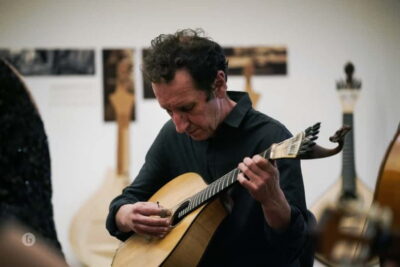
Authentic Fado Show, Port Wine & Handmade Instruments
Read our review →
Live Fado Concert with Glass of Tawny Port Wine
Read our review →
Port Wine Lodges Tour Including 7 Port Wine Tastings (English)
Read our review →Browse the lists this tour appears in