
Reviewed · FOOD & DRINK
Tavira: Olive Factory Tour and Tasting
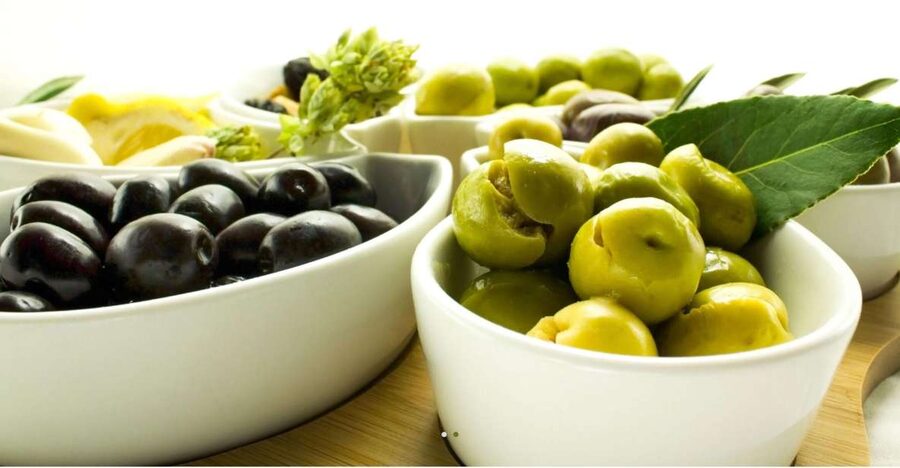
The best part of this Tavira experience is that it takes you into a working table-olive factory, not a polished museum. Andrea and her family explain how olives are prepared for eating, then sit you down to taste the results with bread, cheese, honey, marmalade, and local wine. I like the personal welcome and the generous tasting. I also like that the tour supports a small local business rather than a large visitor attraction.
One point needs clearing up before you book: this is not an olive-oil factory. The focus is on olives for the table, though olive oil is included in the tasting. From September to November, you may see the machinery running. At other times, a production video explains the process instead.
Key points at a glance
- Table olives, not just olive oil: See how olives are prepared for eating and learn why the two types of factory are different.
- A family-run operation: Andrea, Lilliana, and other family members give the visit a warm, personal feel.
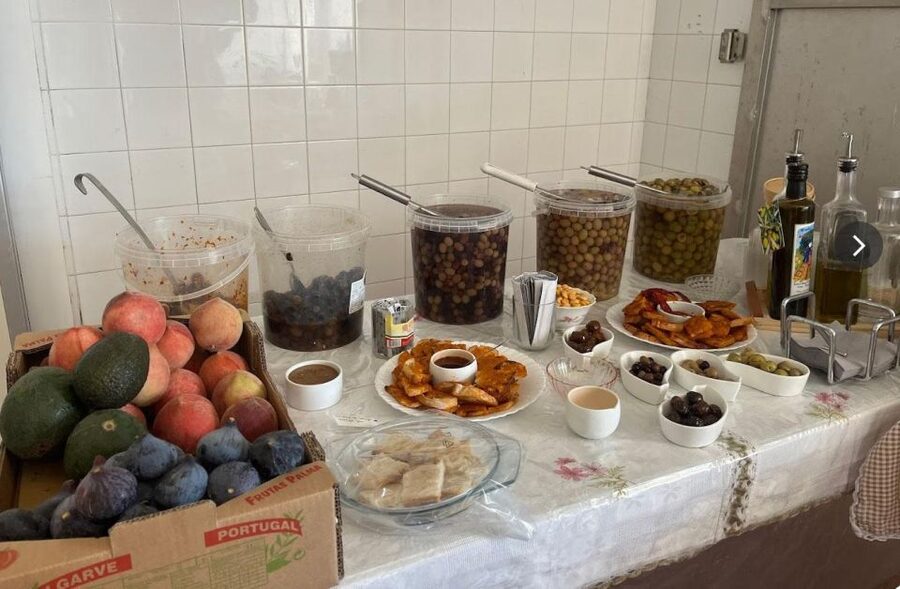
- A generous tasting: Try several olives along with olive oil, bread, cheese, honey, marmalade, meat, wine, and non-alcoholic drinks.
- Season matters: Machinery operates from September to November, and not every day.
- A useful little shop: Buy local olives and regional food products after you taste them.
- Easy value for food lovers: At $34 per person, the tasting makes this more than a quick factory walk-through.
What kind of olive factory is this?
The first thing to understand is the difference between an olive orchard, an olive-oil mill, and a table-olive factory. Many people arrive expecting a tour centered on pressing oil. That is not what happens here.
Hélder Madeira prepares olives for eating. The factory machinery handles the transformation of fresh olives into the preserved products served at the table. You learn about that process, the products made from olives, and the work behind the family business.
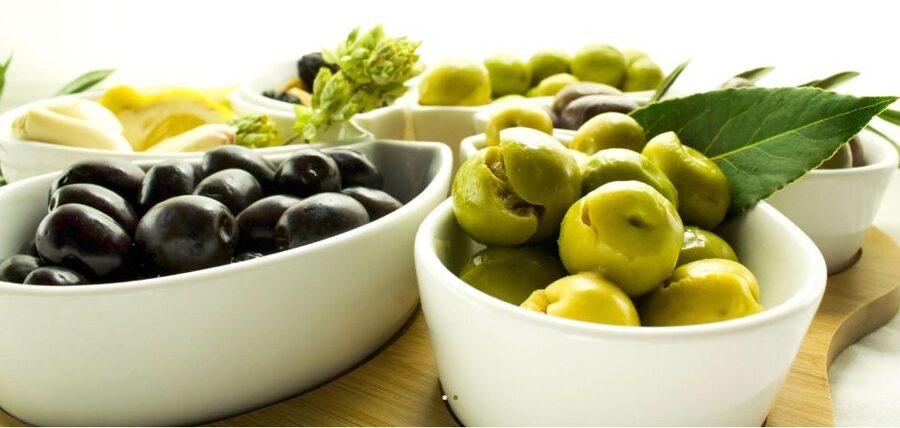
Olive oil still has a place in the visit. You taste it alongside the olives and other foods, and the presentation may also touch on salt and related parts of olive production. But the main subject is the olive you order as a snack or find on a Portuguese appetizer plate.
That distinction matters. If you specifically want to watch olive oil being pressed, this is not the right tour. If you want to understand why table olives taste so different from one another and how a small producer prepares them, this experience fits much better.
A few more things to do in Algarve worth a look
- Loulé: Quinta da Tôr Winery Guided Tour and Wine Tasting
★ 4.7 · 661 reviews - From Albufeira: 4×4 Off-Road Safari & Vineyard Wine Tasting
★ 4.6 · 571 reviews - From Albufeira: Wine Tasting & Historic Silves Tour
★ 4.9 · 421 reviews
Meeting Andrea and the family behind the factory
The machinery is useful, but the people make the visit work. Andrea is the main guide named in the tour information and repeatedly praised for her clear English, humor, energy, and affection for the business. Lilliana and other members of the family help with the tasting and welcome you into the space.
I like this setup because it gives the tour a direct connection to the product. You are not hearing a generic script delivered by someone with no link to the work. The family runs the factory, sells the food, and can explain what the products mean to them.
Andrea’s style is lively rather than formal. You can expect questions, explanations, and room to ask your own questions. Her enthusiasm is a major part of the experience, especially if you are new to olives and need help sorting out varieties, preparation methods, or flavor differences.
The presentation is in English. The guide’s English is described as fluent and clear, which matters in a food tour where small distinctions make a difference. This is a good choice if you want a relaxed explanation rather than a technical lecture.
Inside the machinery and production process
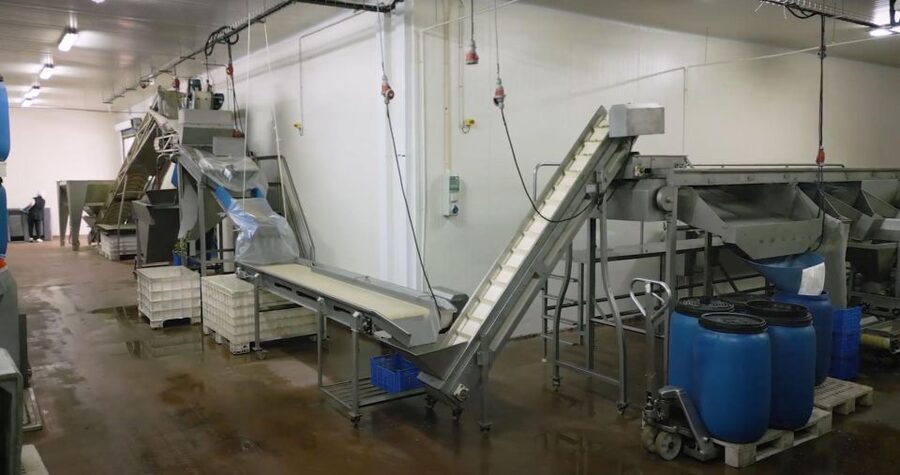
The factory visit takes you through the working area and shows the machinery used to handle olives and other products. You get a sense of the steps between harvest and the jar or bowl on your table.
The timing of your visit makes a real difference. Olive production takes place from September to November, and even within that period the factory does not operate every day. If the machines are running, you can watch the process in person and see the equipment in use.
Outside the season, you will not see olives moving through the machines. Instead, a video shows the production process. This is not quite as satisfying as seeing the machinery at work, so I would book in the autumn if the factory action is your main reason for going.
Still, the off-season visit has real value. The guide can explain the work without the noise and movement of a busy production day, and you still see the factory itself. The video helps fill in the missing steps. Several visitors found the explanation worthwhile even when the machines were idle, but you should arrive with the right expectation.
The tour is particularly useful for people who have always enjoyed olives but never thought about how they are made ready for eating. You will leave with a better idea of why a supermarket olive, a restaurant olive, and a small-producer olive can taste so different.
The tasting is the main event
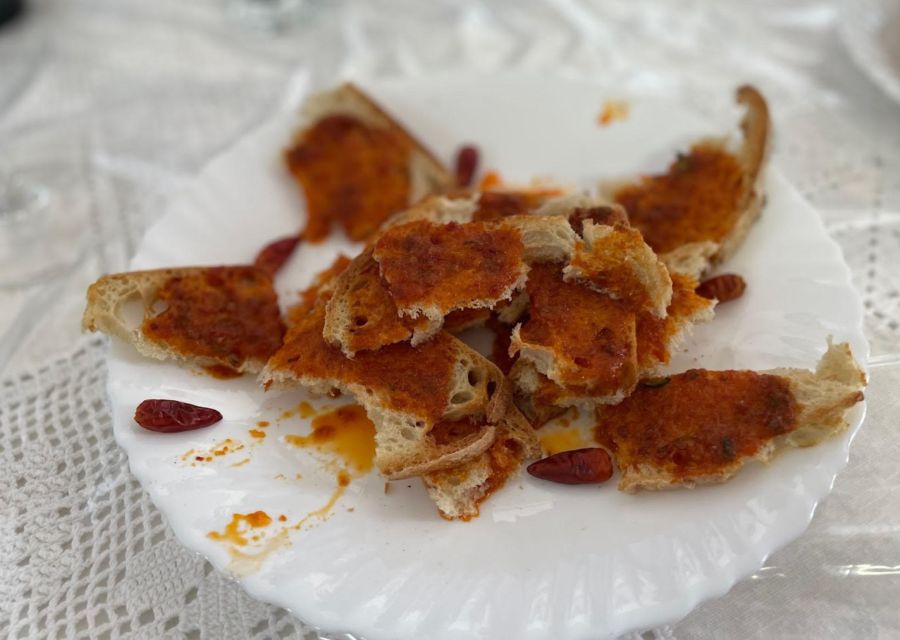
After the factory portion, you sit down for a tasting that is much broader than a single spoonful of oil. The core items are preservative-free olives, olive oil, cheese, honey, and orange marmalade. The spread may also include meat, homemade bread, dips, and other local products.
The olives are the star, naturally. You can compare different types and preparations instead of judging the whole category by one jar you bought at home. This is the point where the earlier explanation becomes useful: you can connect the production details with the flavor, texture, and use of each product.
The bread helps make the tasting feel like a light meal rather than a sample counter. Add cheese, meat, honey, and marmalade, and you have enough variety to keep non-olive enthusiasts interested. I would not book this as a replacement for lunch without checking the exact schedule and offering on your day, but the tasting is clearly substantial.
Local wine is part of the experience, with non-alcoholic choices such as lemonade or fresh orange juice also available. A special wine tasting may introduce you to locally produced wines, adding another layer of Algarve food culture. If you do not drink alcohol, you are not left out of the tasting.
People with food allergies should take care. The experience is not considered suitable for people with food allergies, even though the guide has been described as attentive to allergy concerns. Tell the staff about any dietary issue before eating, but do not assume the tasting can be adapted safely.
Same base, a different kind of day out:
- Albufeira: 2.5-Hour Benagil Caves & Dolphin Watching
★ 4.6 · 10,710 reviews - Portimão: Benagil Caves Speed Boat Tour with Sunset Option
★ 4.8 · 9,329 reviews - Portimão: Benagil Sea Caves Speedboat Adventure Tour
★ 4.8 · 6,546 reviews - Albufeira: Benagil Caves & Dolphin Watching Speed Boat Tour
★ 4.6 · 6,316 reviews
Why the tasting offers good value at $34
At $34 per person, this is not the cheapest way to eat a few olives in Tavira. You are paying for the guide, access to the factory, the family’s time, a range of food, wine tasting, and the chance to ask questions about the products.
That package gives the price a reasonable footing. A short factory walk-through alone might feel expensive at this rate. The food spread changes the calculation. You are getting an educational visit followed by a social tasting with enough items to make the afternoon feel full.
The value is strongest if you enjoy regional food, small producers, or buying edible souvenirs. It is weaker if you dislike olives, avoid shared tastings, or mainly want to see industrial machinery running. The tasting is central, not an optional extra.
I also like that the money stays close to the business. This is a family operation, and the shop features products made by relatives, friends, and other local producers. You are not just buying a packaged tour. You are helping support a working food business in the Tavira area.
The shop is worth leaving time for
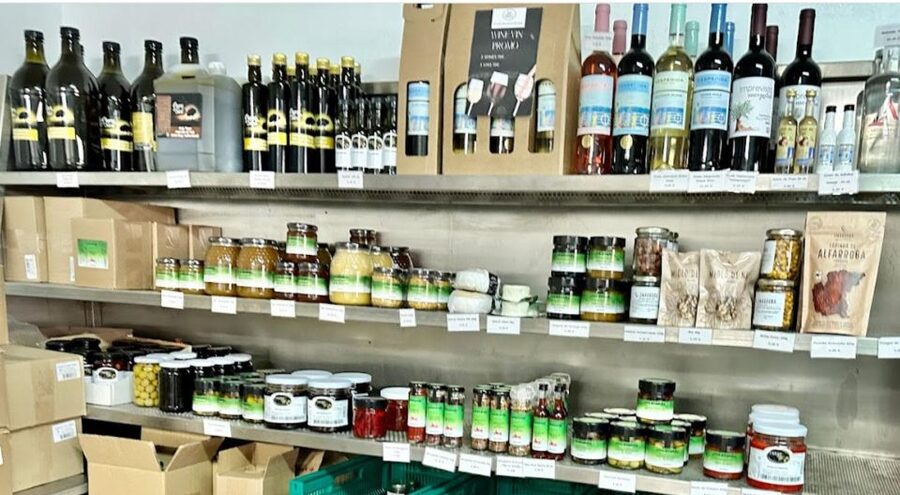
Do not rush away after the tasting. The small shop gives you a chance to buy the items you liked, along with other regional products. This is more useful than a typical souvenir stop because you have already tasted many of the foods.
You might buy olives for a meal at home, marmalade for breakfast, honey, cheese, olive oil, or local wine. The shop also works well for gifts, especially if you want something connected to the Algarve rather than a generic tourist item.
Shopping is optional, and personal purchases are not included in the tour price. Set a budget before you enter if you are easily tempted by food gifts. The tasting is designed to help you decide what you actually want, which is both helpful and slightly dangerous for your luggage.
Getting there and making the timing work
You meet directly at Hélder Madeira, Indústria e Comércio de Azeitonas, Unipessoal Lda. Show your voucher at the entrance. Transportation to and from the factory is not included, so plan that part yourself.
The factory is in an industrial area, and some of the route may be unpaved. A taxi from central Tavira costs only a few euros according to the practical guidance provided for the tour, and that can be easier than walking, especially in hot weather or with children. Check your map carefully. One visitor had trouble with Apple Maps and found Google Maps more reliable.
If you arrive early, you can come up to one hour before the tour and sit at the bar. Drinks ordered before the tour cost extra, so do not mistake the bar service for part of the ticket. It is a handy option if your taxi arrives ahead of time, but it is not a free waiting area with included refreshments.
The advertised experience lasts about 1.5 hours, though the exact flow can depend on the factory visit, tasting, and shopping. Wear comfortable shoes. You are visiting a working industrial space, not simply sitting in a tasting room.
The tour is listed as wheelchair accessible, with an important qualification: the restroom is not wheelchair accessible, while other rooms are accessible. Check the details directly if restroom access is essential to your plans.
Choosing the right season
September through November is the best period if you want the strongest connection to production. The olive season gives you a chance of seeing the machinery in use, though operation is not guaranteed every day.
The rest of the year still works for a food-focused visit. The video explains the machinery, and the tasting remains a major part of the experience. Winter and spring may also suit you if you are building a day around food and want an indoor activity.
Summer has an obvious advantage: the factory offers a cool break from sightseeing, and the tasting gives you something different from another beach or town walk. But do not book in July or August assuming you will see live production. The factory season is limited.
If machinery is your top priority, contact the provider before booking and ask whether production will be running on your date. If the tasting and family welcome matter more, the season is less important.
Who will enjoy this most?
I would recommend this tour to food lovers, curious cooks, couples, families, and anyone who likes meeting small producers. You do not need to be an olive expert. In fact, it may be more rewarding if you know little and want a simple introduction.
Families can make it work because the tour is not extremely long and the tasting adds variety. The range of bread, cheese, meat, honey, marmalade, drinks, and olives gives children or less adventurous eaters something to try, though the factory setting and food allergies need consideration.
It is also a sensible rainy-day plan. The factory gives you an indoor activity with a clear local connection, rather than a generic attraction. Bring comfortable shoes and expect a working business, not a grand visitor center.
I would skip it if you want an olive orchard walk, a detailed lesson in Portuguese agricultural history, or a dedicated olive-oil pressing tour. The cultural background is present but not the central focus, and one useful criticism is that people interested in the wider history of olives in Portugal may want more context.
My practical verdict
The Tavira Olive Factory Tour and Tasting works because it combines three things that are often separate: a look behind the scenes, a generous food session, and a chance to buy products you have already tried.
The strongest features are Andrea’s lively presentation, the family atmosphere, and the amount of food served. The main drawback is seasonal uncertainty. Outside September to November, you see a video rather than live processing, and the experience does not focus on olive-oil production.
Book it if you want local flavors, a friendly guide, and an easy indoor activity near Tavira. Try to visit during the olive season if the machinery matters to you. Otherwise, the tasting alone gives the $34 price solid value, especially if you plan to take a few Algarve products home.
FAQ
Is this an olive-oil factory tour?
No. The factory mainly prepares olives for eating. Olive oil is included in the tasting, but the tour is centered on table olives rather than olive-oil pressing.
How long does the experience last?
The advertised duration is 1.5 hours. The visit includes the factory tour, tasting, and time to shop, though the exact pace can vary.
Can I see the olives being processed?
Only sometimes. Production takes place from September to November and not every day. Outside the production season, a video shows how the machinery and process work.
What food is included in the tasting?
The tasting includes preservative-free olives, olive oil, cheese, honey, and orange marmalade. Depending on the offering, you may also receive bread, meat, dips, and other local products.
Is wine included?
Yes. Wine tasting is included, with locally produced wines. Non-alcoholic drinks such as lemonade or fresh orange juice may also be available.
Is the tour offered in English?
Yes. The live tour guide speaks English.
Can I buy products after the tour?
Yes. A small shop sells olives and other local products. Personal purchases and souvenirs are not included in the tour price.
Is the factory wheelchair accessible?
The activity is listed as wheelchair accessible, but the restroom is not wheelchair accessible. Other rooms are accessible.
Can I bring a pet?
Pets are not allowed. Assistance dogs are allowed.
What should I wear?
Wear comfortable shoes suitable for walking through a working factory.
Is the tour suitable for people with food allergies?
The experience is not considered suitable for people with food allergies. If you have a dietary concern, contact the provider before booking.
Just added in Algarve
- Kayak Algarve tour BENAGIL by Diamond tours★ 4.0 · 45 reviews
- Dolphins & Benagil Caves with Biologist guide★ 5.0 · 130 reviews
- Kayak Experience with a Local★ 5.0 · 51 reviews
- Benagil, Marinha & Albandeira – Kayak w/ Local Guide★ 5.0 · 87 reviews
- Benagil: Guided tour through the caves and Praia da Marinha★ 5.0 · 83 reviews
- Ride through Paradise: Faro Island Electric 2×2 bike Tour★ 5.0 · 53 reviews
- Bordeira Beach – Horse Riding Tour at Sunset★ 5.0 · 133 reviews
- Welcome to Carrapateira Horse Riding Tour★ 5.0 · 124 reviews
Food & Drink, compared.
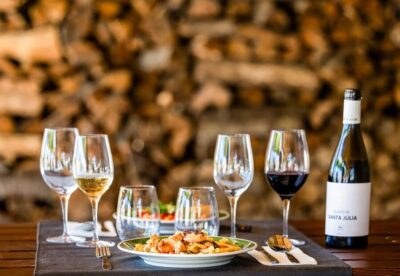
Douro Valley w/ Boat Tour, Wine Tasting & Lunch
Read our review →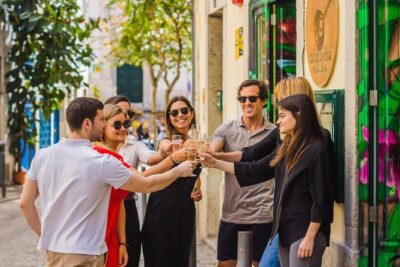
Winner 2025 Undiscovered Lisbon Food & Wine Tour by Eating Europe
Read our review →
Douro Valley Tour: Wine Tasting, Cruise and Lunch from Porto
Read our review →
Porto Food & Wine Tasting Tour with Lunch or Dinner Option
Read our review →Browse the lists this tour appears in