

Reviewed · TOURS IN PORTO
Porto: Entry Ticket at WOW The Chocolate Experience by 20|20
The best part of Porto’s WOW Chocolate Experience is that it treats chocolate as more than a sweet snack. You follow cacao from a sacred drink in ancient Central America to a mass-market bar, with stops for farming, fermentation, roasting, tasting, advertising, and modern consumer culture. I especially like the bean-to-bar explanation and the chance to watch a working chocolate factory at the end.
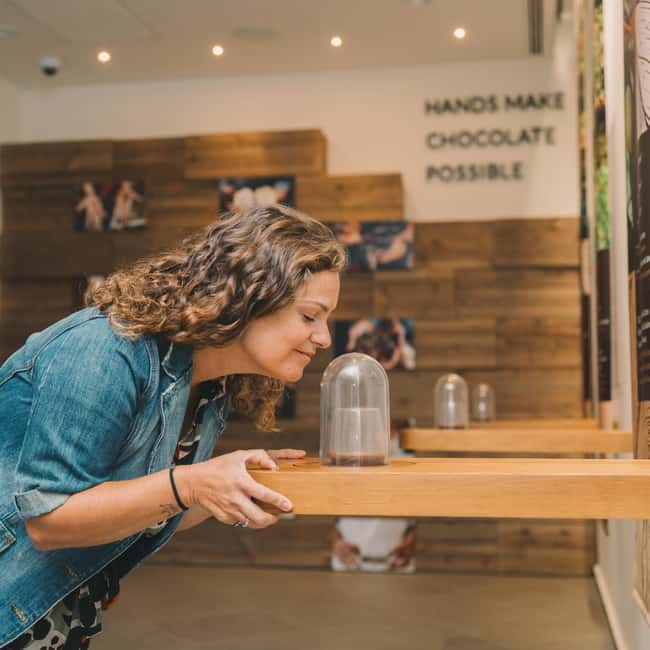
I also like the tasting stations. You may try raw cacao, very dark chocolate, and finished Vinte Vinte chocolate, so the process makes sense on your palate, not only on a display panel. The main drawback is that the early sections involve quite a lot of reading, and the factory may not be operating on Sundays.
Key points to know before you go
- Five thousand years of chocolate history: Follow cacao from sacred Central American drink to European luxury and everyday chocolate.
- A working factory at the finish: See cacao transformed into chocolate, although Sunday is not the best day if factory activity is your priority.
- Tastings are built into the visit: Try raw cacao, chocolate at different stages, and Vinte Vinte samples, including very dark chocolate.
- Self-guided and flexible: Use the audio guide in English, Portuguese, Spanish, or French, and enter anytime during opening hours on your selected date.
- Good value at $20: The 1.5-hour visit combines a museum, tastings, and factory viewing without requiring a separate tour reservation.
- Best for curious chocolate eaters: Families with accompanied children, food lovers, and anyone interested in how farming and manufacturing shape what you eat.
A chocolate museum with a story to tell
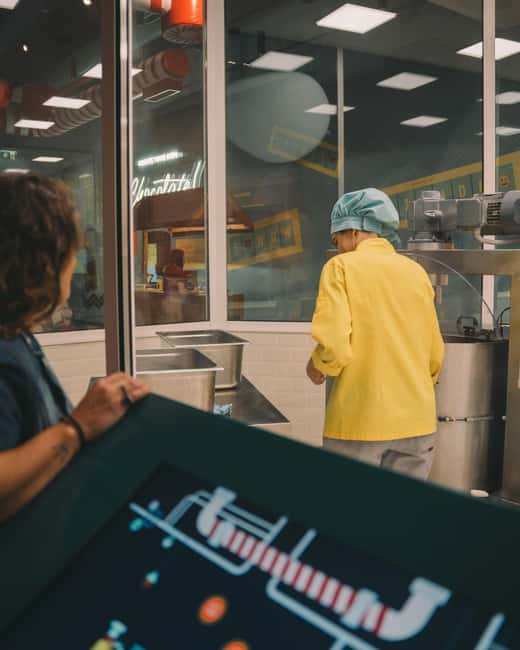
The Chocolate Experience by 20|20 is part of The World of Wine in Porto’s Norte Region. You show your ticket at The Chocolate Story, then make your way through a self-guided visit that takes about 1.5 hours.
The subject is broad. You are not simply shown rows of chocolate bars and told to pick a favorite. Instead, the displays follow cacao through time, geography, farming, production, culture, advertising, and consumer habits.
That approach gives the visit more purpose. Chocolate is familiar, but most of us meet it only at the supermarket or in a gift box. Here, you get a look at the plant, the fruit, the bean, and the many steps between harvest and finished bar.
I like the way the story begins with cacao’s early importance in Central America. It was treated as a sacred beverage and linked with gods and royalty. From there, the experience explains how cacao crossed the Atlantic and changed in Europe, eventually becoming a solid food eaten around the world.
The subject is suitable for adults and children, though the reading load matters. If you prefer quick visual attractions, some sections may feel slow. If you enjoy understanding how ordinary products came to be, the amount of context is useful.
A few more things to do in Porto worth a look
- Porto: Torre dos Clerigos Entrance Ticket
★ 4.6 · 6,395 reviews - Porto: Spiritus Multimedia Show Entry Ticket
★ 4.6 · 3,791 reviews - Porto: World of Discoveries Entry Ticket
★ 4.5 · 2,922 reviews
From sacred cacao to European chocolate
The first part sets up the long journey of cacao. You learn how early societies valued the cacao drink, then see how European tastes changed its role and form.
This historical section helps explain why chocolate was once a luxury linked with status. It also gives you a clearer sense of the distance between cacao’s origins and the bars sold today.
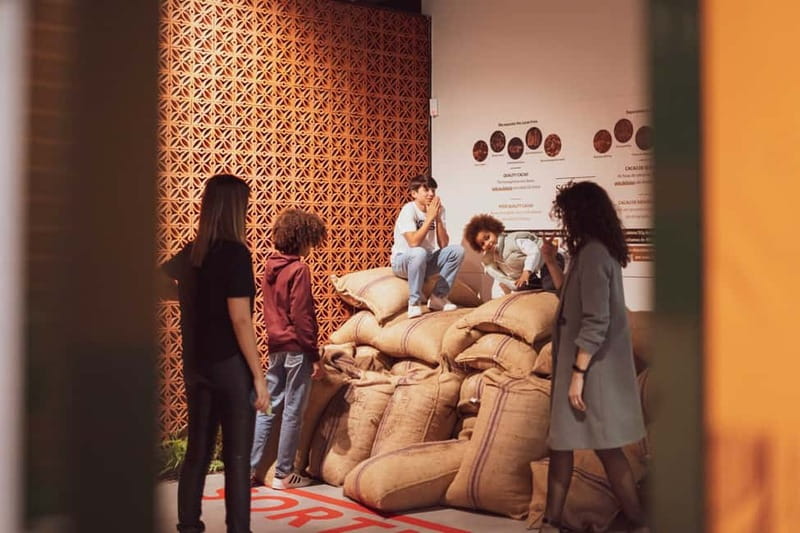
The museum connects chocolate with palaces, trade, advertising, and everyday shopping. That cultural angle is one of the stronger parts of the visit because it shows how chocolate became tied to celebration, romance, indulgence, and gift giving.
You will also encounter the darker questions around consumerism. Chocolate is not presented only as a pleasure. The experience asks you to think about the work, land, farming, and commercial decisions behind the product.
The displays are interactive in places, but not every section is hands-on. One visitor found the beginning too text-heavy and hoped for more interaction. I would plan to listen to the audio guide rather than trying to read every panel. That gives you the main ideas without turning the first half into a long study session.
Seeing the cacao plant and understanding the farm
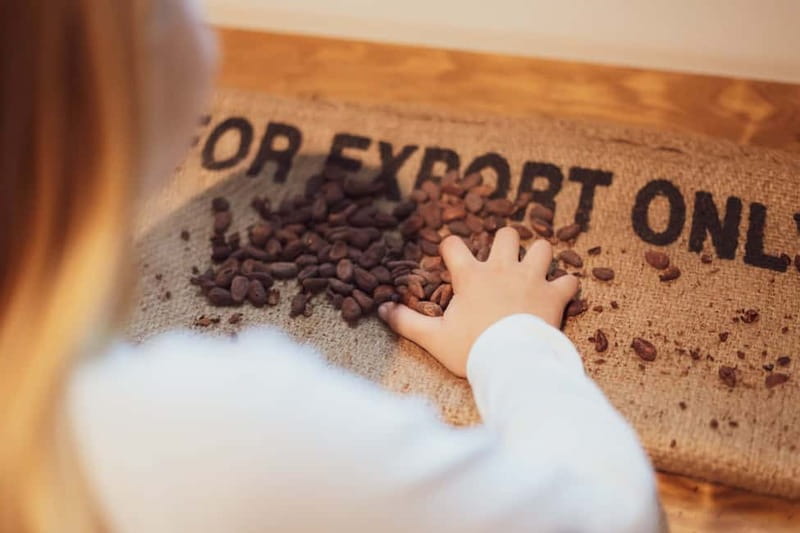
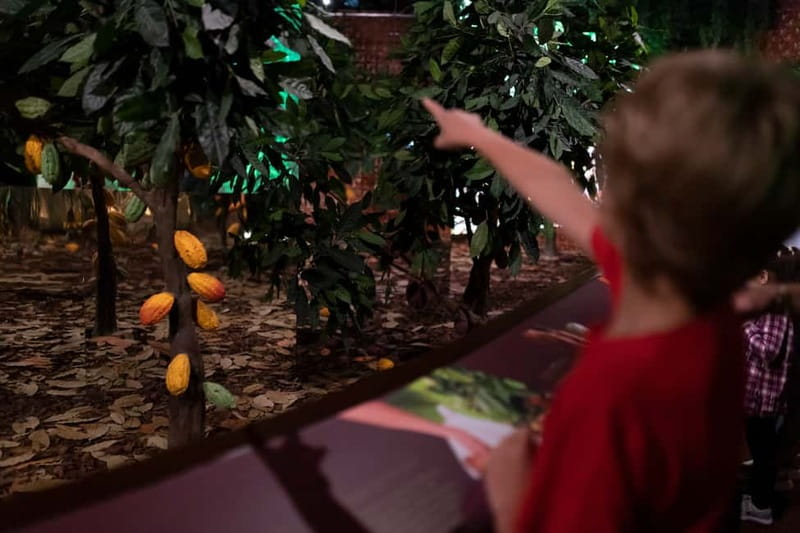
The visit then moves closer to the source. You get an introduction to the cacao plant and fruit, along with information about plantations and sustainable cocoa farming.
This section is valuable because a chocolate bar hides the agricultural work that comes first. You learn that cacao is not simply a powder waiting to be mixed with sugar. The fruit must be harvested, and the beans must be prepared carefully before chocolate production can begin.
You can also learn to distinguish between cacao varieties. The experience does not just ask you to accept that one bar tastes different from another. It gives you a reason for those differences, linking variety and farming with the final flavor.
The farming section also gives the visit a practical edge. Sustainability is not treated as a separate slogan. It is part of the question of how cacao reaches the factory and what responsible production should look like.
I would give this section time if you care about food origins. It is easy to focus on the finished chocolate, but the agricultural side explains why quality and ethical production depend on much more than a good recipe.
Following the bean-to-bar process
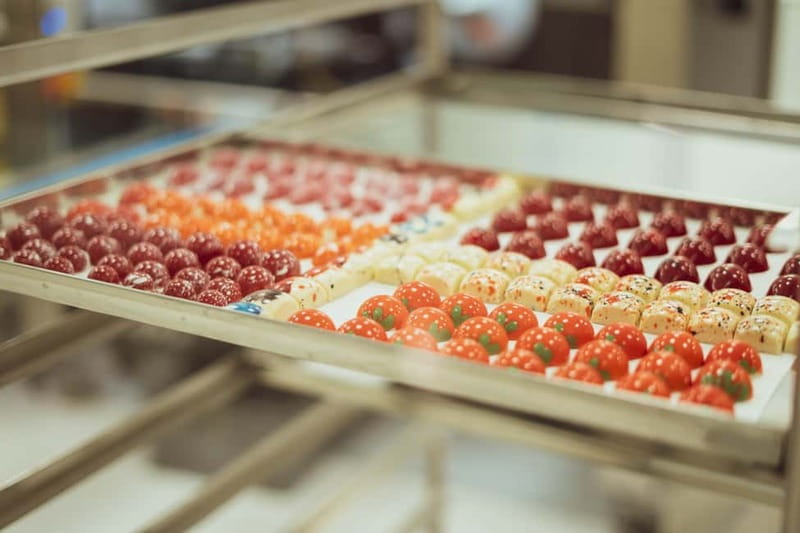
The production section is the heart of the visit. You follow cacao from harvesting through fermentation, drying, roasting, and conching.
Each step changes the raw material. Fermentation and drying prepare the beans, roasting develops flavor, and conching helps create the smooth texture associated with finished chocolate. The process turns a plant product into something very different from the original cacao bean.
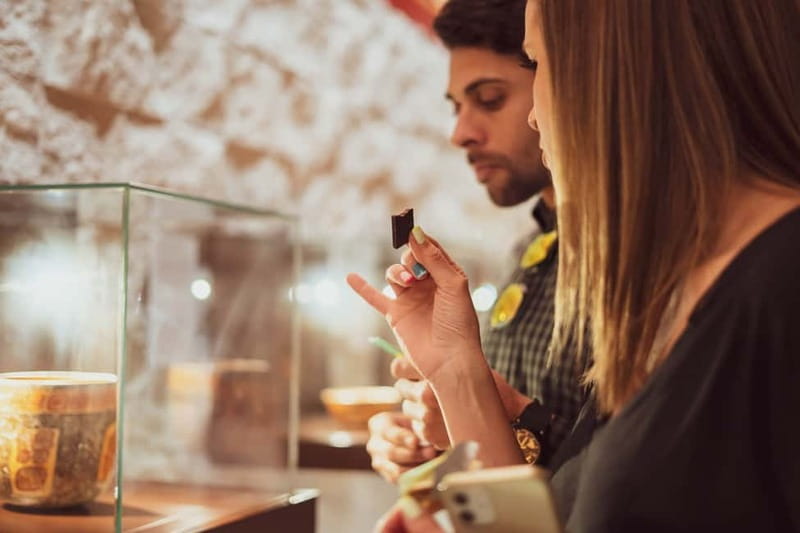
The tastings make this sequence easier to understand. You may sample raw cacao and chocolate at different stages, including 100 percent cacao. Very dark chocolate can be a shock if you normally eat sweet milk chocolate, but that is part of the point. The tasting shows how sugar, roasting, and processing affect what you notice.
You also receive Vinte Vinte chocolate tastings. A small chocolate bar is provided at entry, and additional tasting points appear along the route. These samples are not just treats added to make the ticket feel generous. They give you a way to connect the display information with smell, texture, bitterness, and sweetness.
I find this more useful than a visit that saves all tasting until the end. You can compare the raw material with the finished product as the story unfolds. It turns the production chain into something you can actually sense.
Same base, a different kind of day out:
- The Unvanquished Tour in Porto City Center
★ 5.0 · 26,497 reviews - From Porto: Douro Valley w/ Boat Tour, Wine Tasting & Lunch
★ 4.7 · 19,061 reviews - Complete Douro Valley Wine Tour with Lunch, Wine Tastings and River Cruise
★ 5.0 · 12,920 reviews - Porto: Six Bridges Cruise
★ 4.2 · 11,680 reviews
The working factory at the end
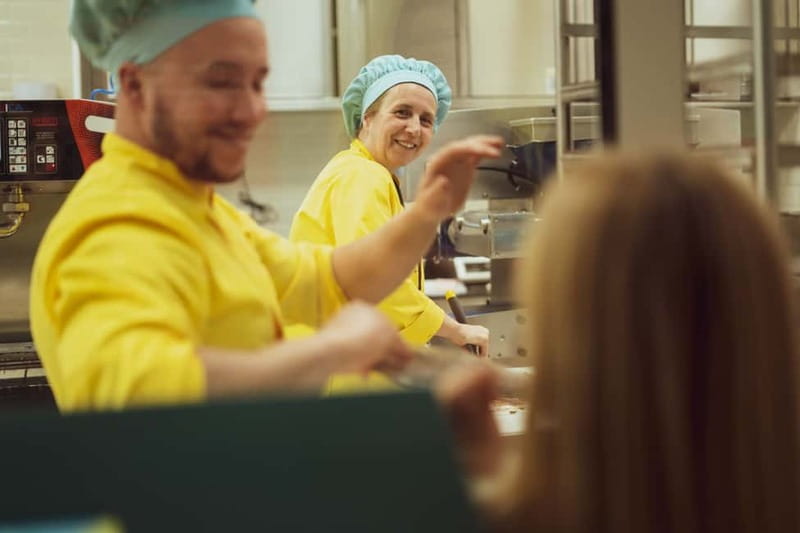
The visit finishes at an operating chocolate factory, where you can watch cacao become award-winning chocolate.
This is the most appealing part for many people because it brings the story into the present. After learning about ancient drinks, plantations, and production stages, you see the finished process in action.
The wording matters here. The factory is operating, but the timing of production is not guaranteed at every visit. If watching the machinery and chocolate making is your main reason for going, avoid Sunday if possible. The museum itself is open daily, but factory activity may not be visible then.
This is also where the Vinte Vinte identity becomes most tangible. You have learned what goes into chocolate, tasted ingredients and intermediate products, and then reached the finished bar made by the in-house operation.
I would not book this expecting a long guided factory tour with a named chocolatier. No guide names are provided, and the experience uses an audio guide rather than a live guide. Think of it as a museum visit with a production view, not a technical workshop.
How the audio guide shapes the visit
The audio guide is available in English, Portuguese, Spanish, and French. That makes the visit easy to use for international visitors and lets you move at your own pace.
A self-guided format also gives you flexibility. You can spend longer at the farming displays, move faster through the advertising section, or linger over the tasting points. You are not tied to a group walking behind a guide.
There is a tradeoff. A live guide can answer questions and adjust the pace for children or specialists. Here, you get a set presentation, so you should expect the museum to do most of the explaining through displays and recorded material.
The flexible entry time helps balance that limitation. The ticket can be used anytime on the selected date during museum opening hours, from 10:00 in the morning until 7:00 in the evening for the last entrance. You do not need to arrive at one fixed tour departure.
I would allow the full 1.5 hours, especially if you want to listen to the audio, read the displays, and stop at every tasting point. You can probably move faster, but that would reduce the value of the historical and production sections.
Is $20 a fair price?

At $20 per person, the ticket is reasonable if you want more than a quick tasting.
You are paying for a 1.5-hour museum visit, a multilingual audio guide, Vinte Vinte chocolate, tasting stops, and access to the factory viewing area. The combination matters. A simple chocolate sample would not justify the price, but the visit gives you a full story and several sensory stops.
The value is strongest for people who enjoy food museums and production details. You get history, agriculture, manufacturing, and tasting in one indoor attraction. It also works well as a planned activity when you want a break from walking around Porto.
The value is weaker if you only want a large quantity of chocolate or a hands-on class. This is not advertised as a chocolate-making workshop, and the tasting portions are part of a museum route rather than a full dessert meal.
The 4.2 rating from 115 reviews suggests a solid but not universally perfect experience. That fits the format. The chocolate tastings, clear bean-to-bar story, and interactive facts are strong points. The reading-heavy opening and uncertain Sunday factory activity are fair reasons for some visitors to rate it lower.
Who will enjoy this most?
I would recommend the Chocolate Experience to anyone who wants to understand where chocolate comes from, not just eat it.
It is a good match for:
- Adults who enjoy food history and manufacturing
- Families with accompanied children
- Chocolate fans curious about raw cacao and 100 percent chocolate
- Visitors looking for an indoor activity in Porto
- People who prefer a flexible, self-guided visit
- Anyone interested in farming, sustainability, advertising, and consumer culture
Children may enjoy the tasting stations and interactive displays, but unaccompanied minors are not allowed. An adult needs to accompany them.
You should think twice if you dislike reading or want constant action. The visit has interactive elements, but it is still a museum. Some early sections rely heavily on text and audio.
Practical planning for your visit
The experience begins and ends at The Chocolate Story. Transportation is not included, so you need to make your own way to the World of Wine complex.
The museum is open daily from 10:00 to 19:00 for last entrance. Bank holiday hours can change, so check the official website if your visit falls on one of those dates.
Because the ticket works anytime on your selected date during opening hours, you have room to fit it around the rest of your Porto plans. I would choose a time that leaves enough space for the full route rather than arriving just before closing.
The attraction is wheelchair accessible. The audio guide comes in four languages, English, Portuguese, French, and Spanish.
Free cancellation is available up to 24 hours in advance, and you can reserve now and pay later. Those terms are useful if your Porto schedule is still changing.
Should you book The Chocolate Experience?
Book it if you want a thoughtful chocolate museum with tastings and a clear bean-to-bar story. The strongest reasons are the broad history, the raw and finished chocolate samples, and the chance to see a working factory.
Choose a weekday if the factory matters most. Give yourself the full 1.5 hours, use the audio guide, and do not expect every room to be highly interactive.
At $20, I consider it a fair choice for food lovers, families with accompanied children, and curious visitors who want context with their sweets. If you only want chocolate to eat, spend the money elsewhere. If you want to understand how cacao becomes the bar in your hand, this is a useful and enjoyable stop.
FAQ
Where does The Chocolate Experience start?
You start by showing your ticket directly at The Chocolate Story.
How long does the visit take?
The experience lasts about 1.5 hours.
What are the opening hours?
The Chocolate Experience is open daily from 10:00 until 19:00 for last entrance.
Can I enter at any time during the day?
Yes. You can use your ticket anytime on the selected date during museum opening hours.
Is an audio guide included?
Yes. An audio guide is included in English, Portuguese, Spanish, and French.
Are chocolate tastings included?
Yes. Vinte Vinte chocolate tasting is included, and the experience includes samples such as raw cacao and chocolate at different stages.
Can children visit alone?
No. Unaccompanied minors are not allowed.
Is the experience wheelchair accessible?
Yes. The Chocolate Experience is wheelchair accessible.
What happens if I need to cancel?
You can cancel up to 24 hours in advance for a full refund. You can also reserve now and pay later.
Just added in Porto
- Wine experience with a sommelier★ 5.0 · 55 reviews
- Winery Tour and Wine Tasting Quinta da Portela de Baixo in Lamego★ 5.0 · 81 reviews
- Porto: Tuk tuk Tours with Port Wine Tasting★ 4.5 · 65 reviews
- The Beautiful Story of Porto: Guided Tour with Entry Tickets★ 4.8 · 111 reviews
- Porto: Royal Oporto Tour na Real Companhia Velha★ 4.8 · 395 reviews
- Porto: Entry Ticket at WOW – The Wine Experience Museum★ 4.7 · 356 reviews
- Porto Wine Tasting Experience with Portuguese Tapas Plate★ 4.7 · 356 reviews
- Porto: WOW Daily Ticket★ 4.7 · 42 reviews
Tours in Porto, compared.
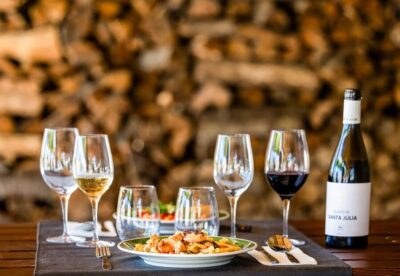
Douro Valley w/ Boat Tour, Wine Tasting & Lunch
Read our review →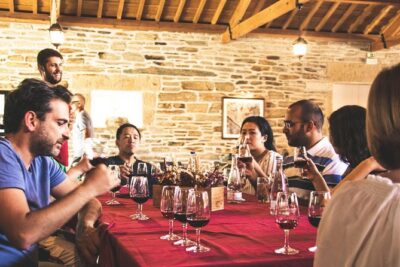
Complete Douro Valley Wine Tour with Lunch, Wine Tastings and River Cruise
Read our review →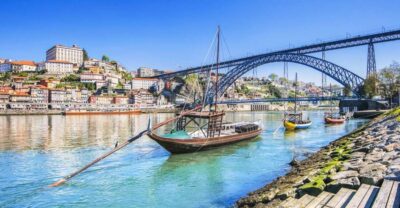
Wine Tour with Lunch, Tastings & River Cruise
Read our review →Browse the lists this tour appears in