

Reviewed · TOURS IN LISBON
Lisbon: Royal Treasure Museum Entry Ticket
The Portuguese royal family’s finest possessions are gathered inside Ajuda National Palace, where gold, diamonds, medals, silverware, and ceremonial objects tell the story of a monarchy that collected treasures for eight centuries. The museum’s star attractions are the Crown Jewels and the enormous Germain silver tableware collection.
I like the museum’s range. You are not limited to a glass case of crowns: you can move from Brazilian gold and royal coins to diplomatic gifts, private family pieces, and objects from the royal chapel. I also like the freedom of a self-guided visit, since your one-day ticket lets you set your own pace instead of following a fixed tour group.
The main consideration is that this is a museum visit, not a guided tour of the palace or a live historical performance. Security checks can take time, larger bags must go into lockers, and last admission is one hour before closing, so plan your arrival with some breathing room.
Key points to know before you go
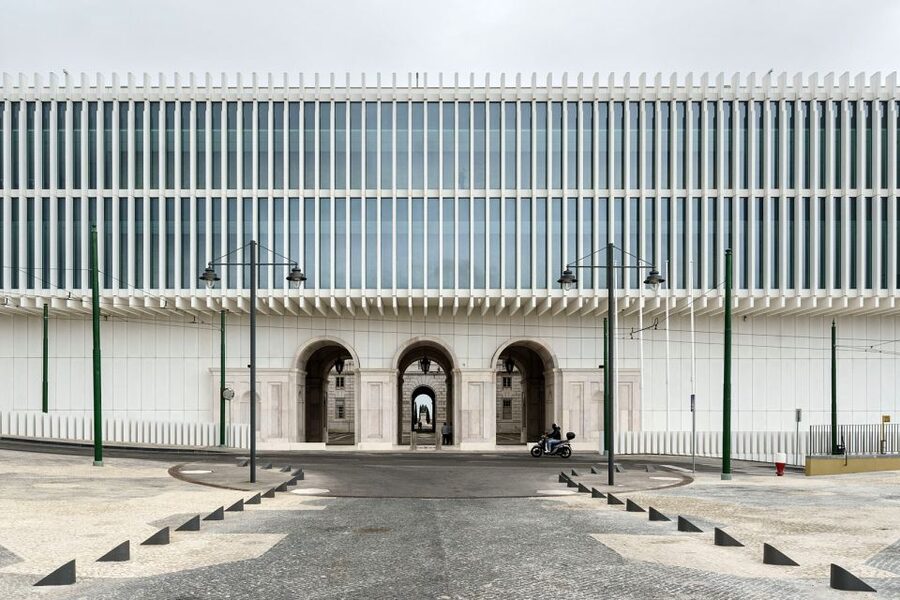
- Three floors of royal possessions: The permanent display is divided into 11 sections, giving the collection a clear route rather than one crowded room.
- Brazilian gold and diamonds: Portuguese royal wealth is presented through precious materials, coins, medals, and ceremonial objects.
- The Germain silver tableware: A major highlight for anyone interested in royal dining, craftsmanship, and the scale of court life.
- Diplomatic gifts and private pieces: These sections show both public royal duties and more personal collecting habits.
- Practical facilities on site: You will find a café, lounge area, lockers, and a themed souvenir shop inside the museum.
- Easy language and access options: Text and subtitles are available in Portuguese and English, and the museum is wheelchair accessible.
Inside Ajuda National Palace, where the treasure is kept
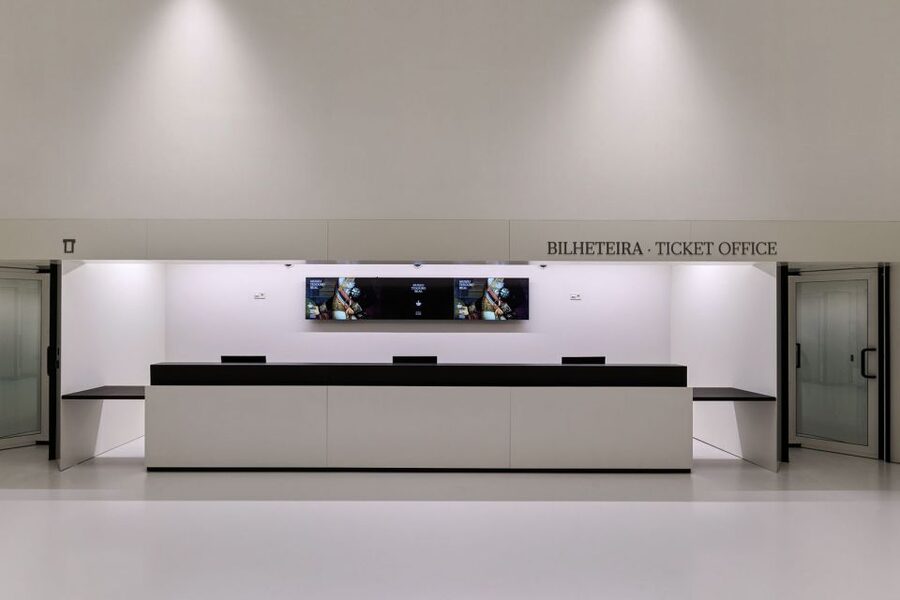
Your ticket is redeemed at the ticket desk in Ajuda National Palace. The Royal Treasure Museum occupies part of this historic palace setting, so the visit begins with a sense that these objects belong here rather than being placed in a modern gallery without context.
The ticket covers entry to the museum’s permanent exhibition. You can expect 11 sections spread across three floors, with material from both the Crown and private collections belonging to members of the royal family.
That layout matters. Royal treasure can become a blur of gold, silver, and glass cases when everything is presented together. Here, the sections give you themes to follow. You can think about where an object came from, how it was used, and whether it represented public power, private taste, religious duty, or international diplomacy.
There is no named guide or scheduled guided commentary included with this ticket. You explore independently, using the Portuguese and English text and subtitles provided throughout the exhibition. That works well if you want to pause over objects that catch your eye, move quickly through familiar material, or revisit a section before leaving.
A few more things to do in Lisbon worth a look
- Lisbon: Luz Stadium Tour & SL Benfica Museum Ticket w/Scarf
★ 4.7 · 3,264 reviews - Lisbon: National Tile Museum Entry Ticket
★ 4.6 · 868 reviews - Lisbon: Banksy Museum Permanent Exhibition Entry Ticket
★ 4.7 · 506 reviews
Gold and diamonds from Brazil
The Brazilian gold and diamonds section offers one of the clearest ways to understand the scale of royal wealth. Precious materials are not shown only as decoration. They also connect Portugal’s monarchy with its overseas empire and the flow of valuable resources into the royal treasury.
You will see gold and diamonds in royal objects and jewelry. The appeal is immediate, but I suggest looking beyond the sparkle. Notice how precious materials were shaped into symbols of status and authority, and how the Crown used them in objects meant to be seen by other rulers, officials, and the public.
This section will suit you if you enjoy jewelry, craftsmanship, or the visual side of royal history. It may feel less satisfying if you want long political explanations, since the experience centers on the objects themselves and the museum’s written material.
Coins, medals, and the public face of the Crown
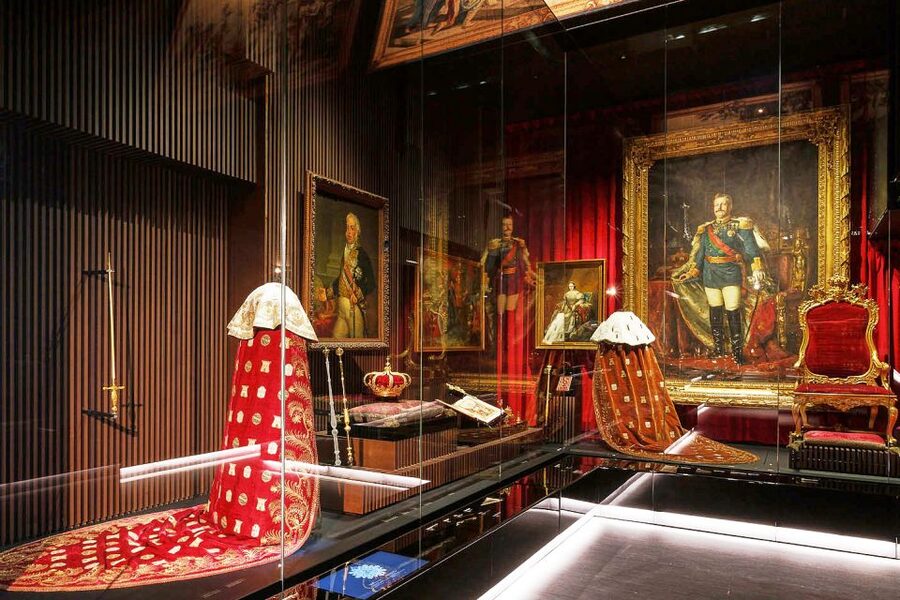
The Coins and Medals of the Crown section shifts from decorative wealth to official identity. Coins and medals can seem small beside crowns and elaborate tableware, but they carry a different kind of message. They show how the monarchy represented itself through portraits, symbols, honors, and formal recognition.
This is a good place to slow down. The objects are connected to authority in a practical way, not just to private luxury. A royal coin circulated beyond palace walls, while a medal could mark an achievement, allegiance, or important event.
Because the museum is self-guided, you can spend as much time as you wish examining details. If you are visiting with children, coins and medals may also provide a more manageable entry point than the larger ceremonial objects, though the museum does not advertise a separate children’s program.
Palace jewels, royal insignia, and orders of merit
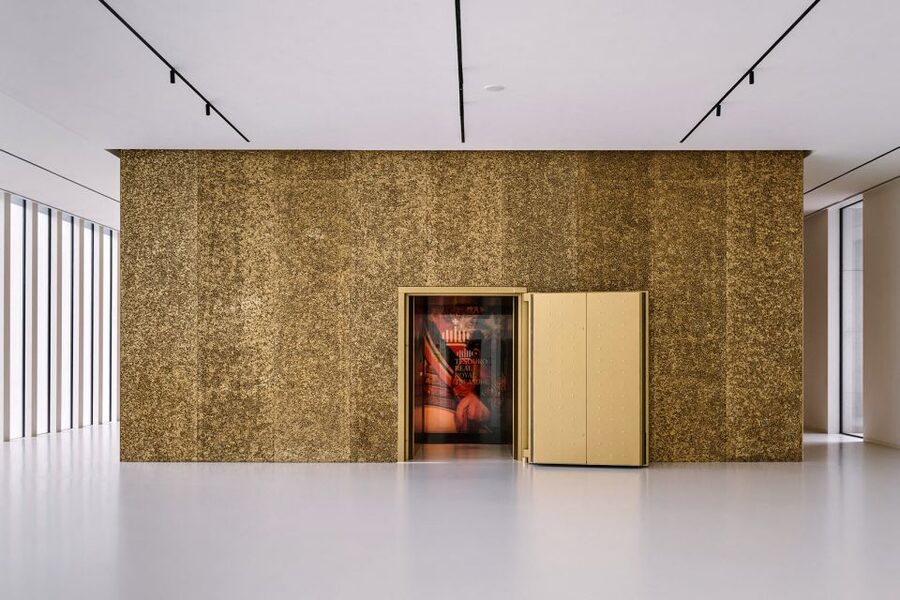
The Palace Collection’s jewels brings you back to personal adornment and court display. This section includes jewelry associated with the palace collection, offering another look at how royal family members used precious objects to signal position and taste.
Nearby, the Orders of Knighthood and Orders of Merit explain another side of monarchy: the awarding of status. Decorations and insignia were not simply pretty accessories. They expressed rank, loyalty, service, and a place within the royal system.
The Royal Insignia section continues that idea through ritual objects of the monarchy. These pieces help explain how ceremonies turned political power into something visible. Crowns, symbols, and formal objects gave royal events a clear language that everyone at court was expected to understand.
I find these sections valuable because they keep the visit from becoming only a parade of expensive materials. The objects had jobs to do. They marked important occasions, identified people, and helped make the monarchy look permanent and orderly.
Same base, a different kind of day out:
- Lisbon City Center Tour – The Unmissable Lisbon
★ 5.0 · 22,234 reviews - Lisbon: Sintra, Pena, Regaleira, Cabo da Roca & Cascais
★ 4.7 · 19,656 reviews - Lisbon: Jerónimos Monastery Entrance Ticket
★ 4.1 · 14,164 reviews - Lisbon: History, Stories and Lifestyle Walking Tour
★ 4.8 · 10,902 reviews
The Crown’s silver and the scale of royal entertaining
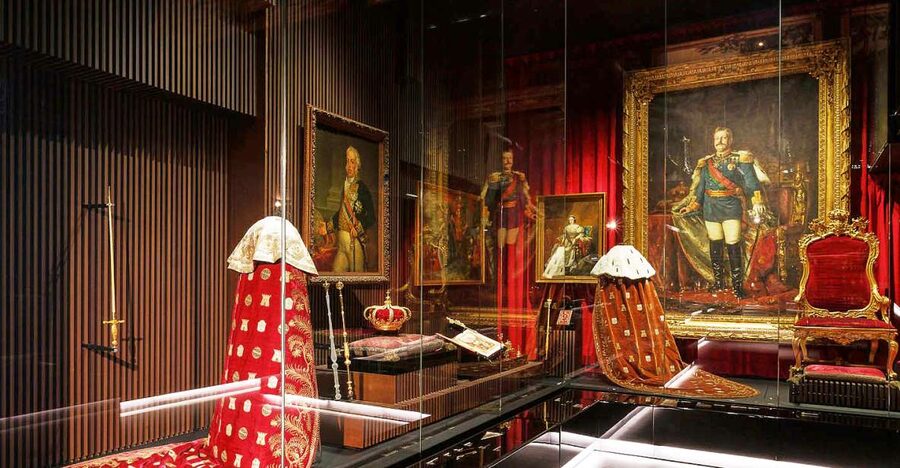
The Crown’s Silver section presents silver as a working material of court life. Silverware was useful, but it was also a public display of wealth, discipline, and hospitality. A royal table could communicate power without a single speech.
The Germain Silver Tableware section is one of the major reasons to visit. The collection is described as world-famous, and its scale gives you a better sense of how much equipment was needed for official meals and palace entertaining.
You may find the detail more interesting than the simple value of the metal. Look at the repeated patterns, the formal presentation, and the amount of labor required to produce and maintain such pieces. The collection makes court life feel less like an abstract idea and more like a complicated daily operation.
If you are especially interested in decorative arts, silverwork, dining customs, or design, allow extra time here. If your interest is mainly in crowns and gemstones, this may be the point where your attention begins to fade. The advantage of a self-guided ticket is that you do not have to linger.
Private collections and diplomatic gifts
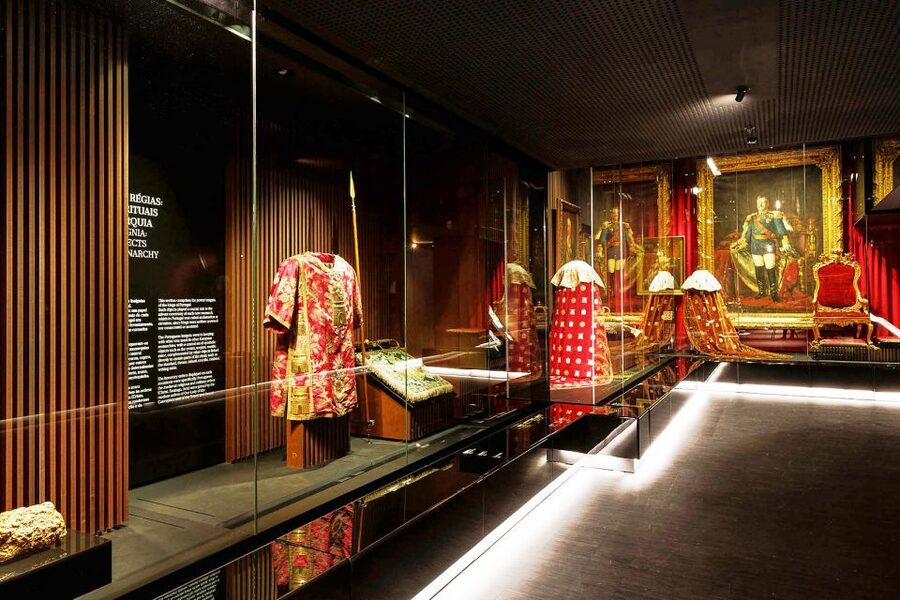
The Private Collections section brings the royal family closer to ordinary human habits, at least in one respect: collecting. These objects came from private collections belonging to members of the royal family, so they offer a contrast to items used by the Crown as an institution.
You might find that this section feels more personal than the ceremonial displays. The objects can suggest preferences, relationships, and private ownership, even when the full story is not immediately obvious from the display.
Diplomatic Gifts changes the angle again. Royal families exchanged gifts as part of formal relationships between countries. These were not casual souvenirs. They could represent respect, negotiation, alliance, or the wish to make a lasting impression.
This section is particularly useful if you want to understand royal treasure as a record of international contact. The value of an object was not always just its gold, silver, or stones. Its origin and the circumstances of its presentation mattered too.
The Royal Chapel and the Treasure’s Travels
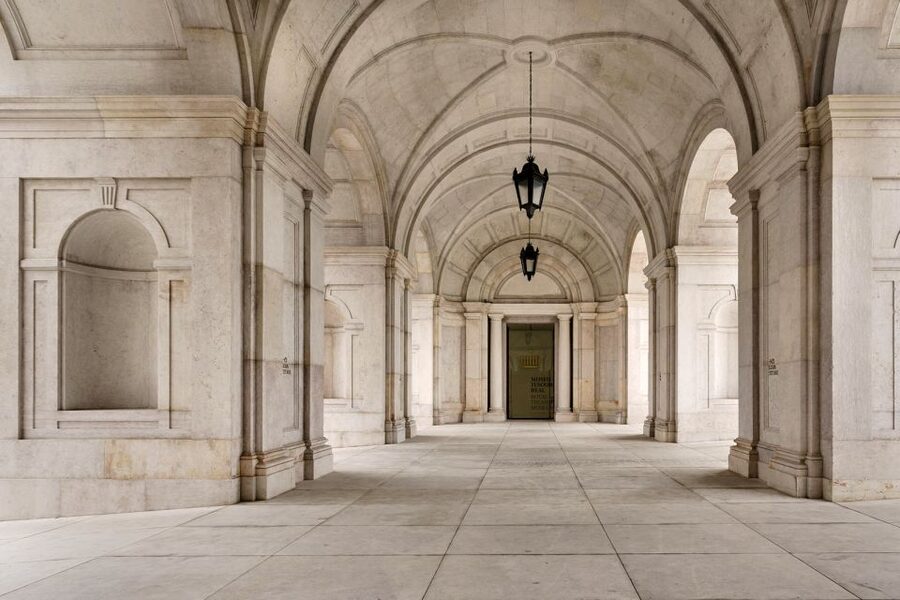
The Royal Chapel section adds a religious dimension to the museum. Monarchy and religion were closely linked, and chapel objects show how belief, ceremony, and royal authority operated together.
The chapel material also helps balance the more glamorous displays. Not every treasured object was intended for personal adornment or grand dining. Some belonged to ritual and worship, where their meaning came from use and symbolism as much as from workmanship.
The Treasure’s Travels section gives the collection a moving story. Royal possessions do not remain in one place forever. They can be moved for safety, display, political change, or the changing needs of a royal household.
This final theme is a useful reminder that museum collections are assembled over time. The objects have passed through different settings before reaching their current display at Ajuda National Palace. If you have already seen the jewels and silver, this section gives you a final way to think about the collection as a whole.
How much time should you allow?
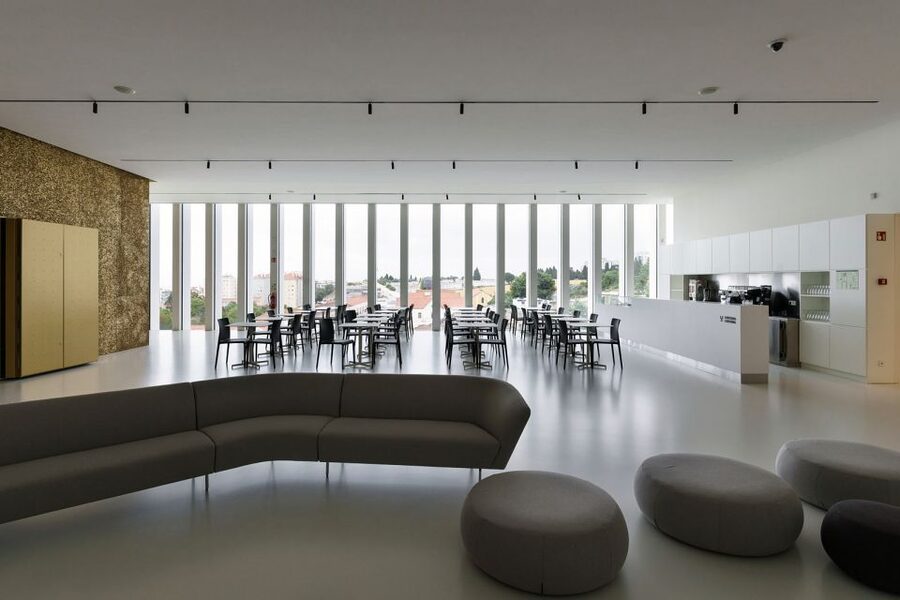
The ticket is valid for one day, but no fixed visit duration is provided. That gives you useful flexibility. You can treat the museum as a focused stop or allow a longer visit if you enjoy reading the text and examining small details.
I would avoid arriving just before closing. Last admission is one hour before the museum closes, and a three-floor exhibition with 11 sections deserves more than a rushed walk through the final rooms.
Your best pace depends on your interests:
- If you mainly want the Crown Jewels and the most striking precious objects, you can make a shorter visit.
- If you enjoy coins, medals, silverware, jewelry, and ceremonial objects, allow time for every section.
- If you are visiting Ajuda National Palace as part of a larger day, the one-day validity lets you plan around the rest of your schedule.
There are no published starting times to choose from in the information provided. You should check availability when booking, then confirm the opening hours for your chosen day so you can arrive before the final admission period.
Security, bags, and practical comfort
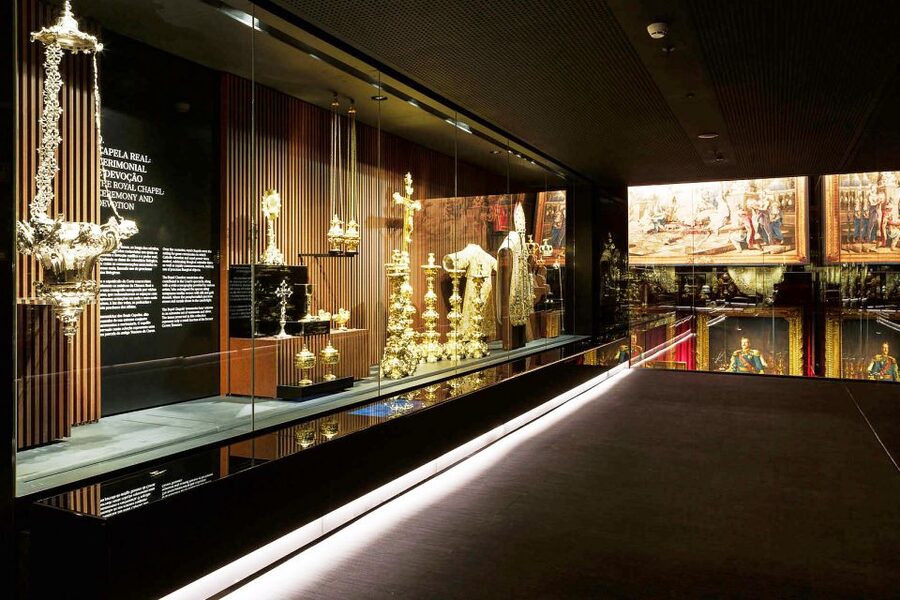
Security is more serious here than at a casual palace attraction. You will pass through several security systems, including an airport-style check. Build that into your arrival time, especially if you are visiting with a full daypack or several bags.
Larger bags must be stored in lockers at the entrance on the shop side. Pack lightly if you can. You will spend more time looking at the collection and less time sorting out what must be stored.
The museum is wheelchair accessible, which makes the three-floor layout more manageable for visitors who need step-free access. Since no further accessibility details are provided, you may want to confirm any specific requirements before booking.
Text and subtitles are available in Portuguese and English. That makes the museum practical for English-speaking visitors, though the ticket does not include a personal guide or audio guide according to the information provided.
Café, lounge, and the themed shop
A museum café and lounge area give you somewhere to pause after the exhibition. This is useful because precious objects demand attention, and three floors can become tiring even when the route is not especially long.
The themed souvenir shop is located on the shop side of the entrance, where the lockers are also available. You can browse royal treasure-themed souvenirs after your visit and pick up something connected to the museum rather than a generic Lisbon keepsake.
I like having these facilities in the same place as the exhibition. They make the visit easier to fit into a full day, particularly if you want a short rest before continuing through Ajuda National Palace or the surrounding area.
Is the $12 ticket good value?
At $12 per person, this is a reasonably priced museum visit for anyone interested in royal collections, jewelry, precious metals, or Portuguese monarchy. The price covers a one-day entry ticket, and the exhibition is substantial enough to offer more than one headline display.
The value is strongest if you take time with the collection’s variety. You are paying to see Crown Jewels, royal silverware, Brazilian gold and diamonds, coins, medals, orders, chapel objects, diplomatic gifts, private pieces, and the Germain tableware collection.
The value is weaker if you expect a guided palace tour, a detailed live explanation, or access to every part of Ajuda National Palace. The included service is entry to the Royal Treasure Museum, so keep your expectations focused on the exhibition.
Free cancellation up to 24 hours before the visit and the option to reserve now and pay later add flexibility, especially if your Lisbon schedule is still changing. These booking conditions do not alter what you see inside, but they can make the ticket easier to fit into an uncertain itinerary.
Who should book the Royal Treasure Museum?
I would recommend this experience if you like:
- Royal jewelry and precious stones
- Silverware, decorative arts, and formal dining
- Coins, medals, and symbols of authority
- Portuguese royal history presented through objects
- Independent museum visits with English text
- Short cultural stops that can be taken at your own pace
It is also a sensible choice for visitors who want a break from Lisbon’s outdoor sights. The café, lounge, lockers, and accessible layout add practical comfort without turning the museum into a long organized excursion.
You may want to skip it if your main goal is a guided explanation of Lisbon’s history or a full palace tour. The collection is object-focused, and the ticket does not include a guide. Visitors who are not interested in royal possessions may find the repeated gold, silver, and ceremonial material less rewarding.
Should you book it?
Book the Royal Treasure Museum if you want a close look at the material side of Portuguese monarchy, especially the Crown Jewels, Brazilian gold, royal insignia, and Germain silver tableware. The 11-section layout gives the visit a clear shape, while the self-guided format lets you spend your time where your interest is strongest.
The best plan is to arrive well before last admission, carry a small bag, and reserve enough time for all three floors. At $12, it is a fair-value cultural stop for fans of royal collections and decorative arts. Just remember that you are buying museum entry, not a guided tour or a complete palace experience.
FAQ
Where do I redeem the Royal Treasure Museum ticket?
Redeem your ticket at the ticket desk in Ajuda National Palace.
How long is the ticket valid?
The ticket is valid for one day.
How many sections does the museum have?
The permanent exhibition has 11 sections spread across three floors.
Is the museum wheelchair accessible?
Yes, the activity information states that the museum is wheelchair accessible.
Are English explanations available?
Yes. Text and subtitles are available in Portuguese and English.
Can I bring a large bag into the museum?
Larger bags must be placed in lockers available at the entrance on the shop side.
How late can I enter the museum?
Last admission is one hour before closing.
Can I cancel the ticket?
Yes. You can cancel up to 24 hours in advance for a full refund.
Just added in Lisbon
- Half day Spa Water Therapy experience at THE SPA at Corinthia Lisbon★ 4.5 · 51 reviews
- Small-Group Sailing Tour on the Tagus River from Lisbon★ 5.0 · 78 reviews
- Lisbon Cinematic Photoshoot with Top-Rated Photographer★ 5.0 · 76 reviews
- Central Lisbon E-Bike Tour★ 5.0 · 168 reviews
- Lisbon Sailing Catamaran Public Cruise with drinks★ 5.0 · 304 reviews
- Alfama and the Castle of Saint George Skip the line Tour★ 5.0 · 53 reviews
- City Centre Run in Lisbon★ 5.0 · 164 reviews
- Boat tours in the Óbidos Lagoon★ 5.0 · 100 reviews
Tours in Lisbon, compared.
Lisbon City Center Tour – The Unmissable Lisbon
Read our review →
Sintra, Pena, Regaleira, Cabo da Roca & Cascais
Read our review →

Sunset Boat Party Cruise with DJ and Open Bar
Read our review →
Pena Palace, Sintra, Cabo da Roca, & Cascais Daytrip
Read our review →

True 4Hour Private Tuk Tuk Tour: Discover Lisbon with a Local!
Read our review →Browse the lists this tour appears in