
Reviewed · TOURS IN LISBON
Lisbon: National Tile Museum E-Ticket & Audio Guide
Lisbon’s National Tile Museum is not just a room full of pretty walls. It explains how tiles became one of Portugal’s most recognizable art forms, from medieval patterns to modern designs. You’ll see the Mickey Mouse tile panel, intricate Mudéjar decoration, a 16th-century tile, and the beautiful Dona Leonor Chapel.
I like the easy phone entry and the audio guide’s short stories, which let you explore at your own pace. I also like that the guide can be replayed and used offline. The main drawback is that its track order may not match your walking route, so you may need to select the room or image you are viewing rather than simply press play and follow along.
Key Points at a Glance

- The Mickey Mouse panel: A playful and unexpected highlight inside a museum focused on centuries of Portuguese tile work.
- The Dona Leonor Chapel: A special stop where tile decoration and religious architecture come together.
- Mudéjar patterns: Look closely at the geometric designs shaped by medieval Islamic artistic influence.
- A phone-based visit: Download the app, audio, text, and maps before entering so you can explore without an internet connection.
- A flexible 1 to 2 hours: You can follow the main route quickly or spend longer with the artwork and stories.
- A practical price: At $16 per adult, the ticket is most useful if you value skip-the-line access and a ready-made audio guide.
Why Lisbon’s Tile Museum Deserves Your Time
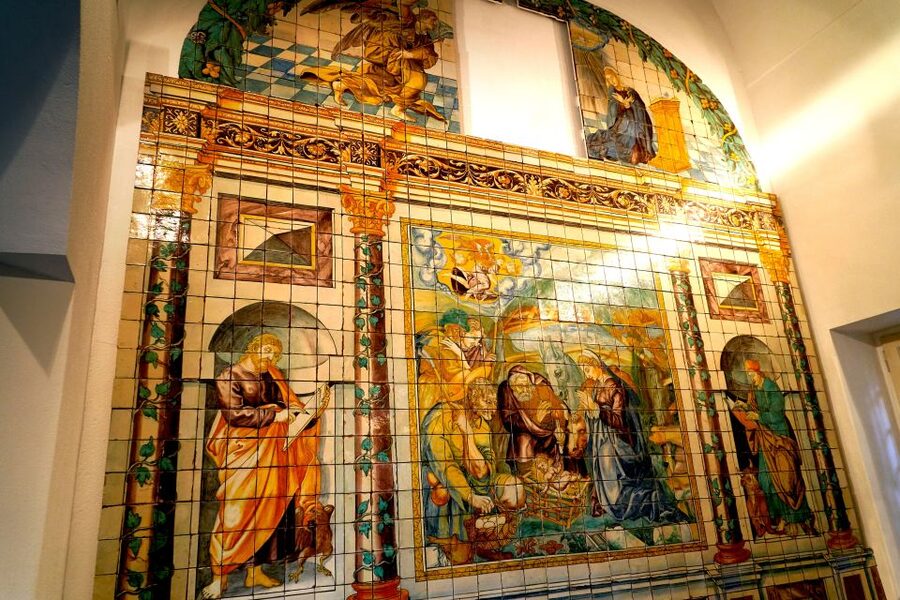
Lisbon’s tiles are easy to notice from the street. They cover facades, churches, stations, and interiors across the city. At the National Tile Museum, you get the background needed to understand what you are seeing elsewhere in Lisbon.
The museum traces Portugal’s tile industry from the medieval period to modern times. The displays show that tiles were not merely decoration. They helped tell religious stories, mark status, shape interiors, and bring color and pattern to buildings.
I find that context especially useful early in a Lisbon visit. After seeing the museum, the blue-and-white panels and geometric facades around the city become easier to read. You start noticing the difference between a repeated pattern, a painted scene, and a panel designed for a particular building.
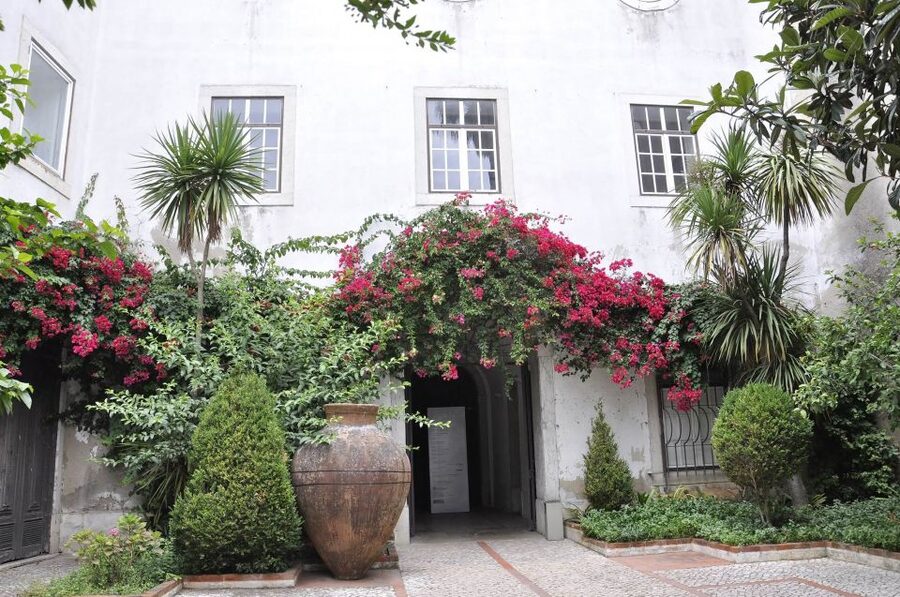
The museum itself adds to the experience. The former religious setting gives the visit a sense of place, and the Dona Leonor Chapel is one of the key areas to take your time with. The courtyard and garden area near the cafeteria also offer a pleasant place to pause with food or a drink.
A few more things to do in Lisbon worth a look
- Lisbon: Luz Stadium Tour & SL Benfica Museum Ticket w/Scarf
★ 4.7 · 3,264 reviews - Lisbon: National Tile Museum Entry Ticket
★ 4.6 · 868 reviews - Lisbon: Banksy Museum Permanent Exhibition Entry Ticket
★ 4.7 · 506 reviews
Entering With the $16 E-Ticket
The adult ticket costs $16 per person and includes museum admission, an English audio guide, offline maps, written information, and skip-the-line service. That is a fair price if you want both entry and interpretation without arranging a separate guide.
The value is less clear if you only want a quick look at the tiles. The museum can be enjoyed through its displays and wall labels, and there is also a free download available at the museum. If you are comfortable reading the labels and do not need audio, the paid guide may not be essential.
The skip-the-line benefit needs a little explanation. It is intended to make entry easier, but the information for this experience warns that long queues can still occur at the entrance. You may need to wait, especially if the museum is busy or the site is managing entry in a particular way.
Children up to age 12 enter free. Free and reduced admission tickets must be obtained on-site and do not include skip-the-line privileges. That makes this paid option more useful for adults who want to save time or prefer having the material prepared before arrival.
You receive the ticket and instructions by email after booking. Check your spam folder if the message does not arrive promptly. Download the app, audio, text, and maps before you reach the museum, rather than trying to sort out the technology at the door.
How the Smartphone Audio Guide Works
This is a self-guided visit, not a tour led by a live guide. You use your own Android or iOS smartphone, headphones, and the supplied app. The audio is in English.
The guide uses short stories and background explanations to connect the objects with Portugal’s past. It covers the tile industry, medieval history, individual displays, and the transition into modern times. The material is designed to give you useful context without requiring you to read every label.
You can replay sections as many times as you wish. That is handy when you are standing in front of a detailed panel and want to listen again while looking closely at the design.
The guide has one important weakness. Its sequence may not perfectly match the order in which you walk through the museum. Instead of starting at track one and expecting the audio to lead you room by room, look for the image or room section that matches your position.
That small adjustment makes a big difference. If you simply follow the opening tracks, you may feel as if you are always behind the physical route. The speaker and information are useful, but the app would be easier for first-time users if it explained this selection method at the start.
Allow about 100 to 150 MB of storage space for the app and offline material. The audio guide does not work with Windows Phones, iPhone 5, iPhone 5C, or older Apple devices listed in the booking information. It is also not compatible with an iPod Touch fifth generation or older, an iPad fourth generation or older, or the first iPad Mini.
The 16th-Century Tile and Mudéjar Designs
Begin by giving yourself time to look before turning to the audio. Tile patterns can seem repetitive at first, but close viewing reveals small changes in line, color, and shape.
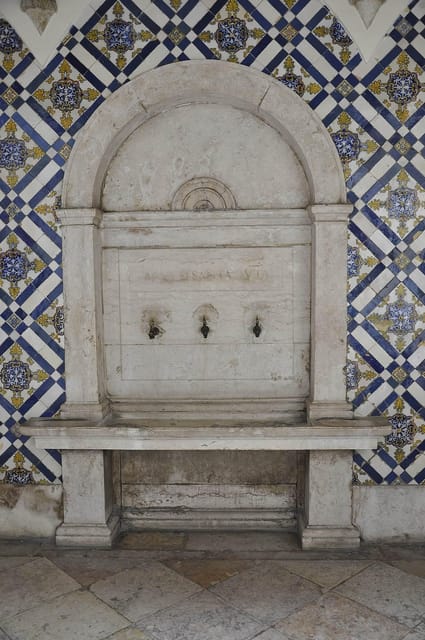
The Mudéjar-patterned tiles are especially important. Their geometric designs reflect the influence of Islamic artistic traditions on the Iberian Peninsula. You will see how repeated shapes can create movement across a wall, even when the individual tile is fairly simple.
A 16th-century tile provides another useful point of reference. The audio guide helps place the object within Portugal’s longer story, while the museum lets you study the physical marks and pattern work yourself.
This is where the museum’s subject becomes more interesting than a basic collection of decorative objects. Tile making involved technique, trade, taste, and changing artistic ideas. The displays give you a way to connect a small ceramic piece with the larger buildings and interiors it once helped create.
Same base, a different kind of day out:
- Lisbon City Center Tour – The Unmissable Lisbon
★ 5.0 · 22,234 reviews - Lisbon: Sintra, Pena, Regaleira, Cabo da Roca & Cascais
★ 4.7 · 19,656 reviews - Lisbon: Jerónimos Monastery Entrance Ticket
★ 4.1 · 14,164 reviews - Lisbon: History, Stories and Lifestyle Walking Tour
★ 4.8 · 10,902 reviews
The Dona Leonor Chapel
The Dona Leonor Chapel is one of the visit’s most atmospheric stops. Its decoration shows how tiles could work with architecture rather than simply cover an empty wall.
Take a moment here before moving on. Look at how the patterns relate to the chapel’s shape and religious purpose. The audio guide provides background, but you will get more from it if you first study the space quietly.
The chapel also helps explain why Portugal’s tile tradition feels so distinctive. Tiles were often part of a whole interior, working alongside stone, wood, painted decoration, and religious imagery. The result is more than a collection of separate squares.
If you have only one hour, do not rush through this section. It gives the museum a stronger sense of place and makes the visit feel connected to Lisbon’s buildings, rather than isolated from the city outside.
The Mickey Mouse Panel and Modern Detail
The Mickey Mouse tile panel is the museum’s most unexpected visual surprise. It breaks the assumption that tile art here is limited to old religious or geometric designs.
Its presence helps show that Portuguese tile work continued to change over time. A modern or playful subject can sit within the same broad tradition as older patterned tiles, even though the mood and purpose are different.
I would not make this the only reason to visit, but it is an excellent marker as you move through the collection. Families may especially enjoy finding it, and adults will appreciate the contrast between this lighthearted panel and the museum’s older religious and decorative work.
The modern material also keeps the visit from feeling like a single-period history lesson. You get a broader picture of how tile design developed and how the medium remained useful beyond its earliest forms.
How Long to Allow and How to Pace the Visit

The stated duration is 1 to 2 hours. I would plan on the full two hours if you want to listen to much of the audio and study the major displays.
A quick visit can work in about an hour. Focus on the chapel, the Mudéjar patterns, the 16th-century tile, the Mickey Mouse panel, and the sections that explain Portugal’s tile industry.
For a longer visit, listen to the stories that interest you and skip the rest. The audio guide is not meant to force you into a fixed pace. You can pause, replay, or move ahead.
The app’s imperfect order means you should keep your eyes on the museum rather than your phone. Use the phone to select the relevant section, then put it away while you examine the tiles. Headphones are not included, so bring your own.
A courtyard and garden area near the cafeteria provide a useful break. This matters if you are visiting with children or combining the museum with a longer day of sightseeing. The site is wheelchair accessible, though the museum may modify the route or instructions to suit current operating conditions.
Getting the Best Value From the Experience
The strongest part of this option is the combination of independent timing and prepared interpretation. You do not have to stay with a group or wait for a guide to finish explaining a room. You can stop when a pattern catches your eye and move on when a section feels less relevant.
The weakest part is also tied to that independence. You need to manage the app yourself, and the audio does not always guide you in perfect walking order. If you prefer a person pointing out each object and keeping the route simple, this is not the right format.
At $16, I see the ticket as good value for an adult who wants convenience. The price includes the ticket, the audio, offline content, and skip-the-line service. It is less compelling for someone who already knows the subject, plans a very short visit, or prefers reading labels.
The small group limit of 10 applies to the activity format, but this is still fundamentally a self-guided museum visit. Do not expect a live host waiting to greet you or answer questions inside the galleries.
Who Should Book This Museum Visit?
I would recommend it to first-time visitors who want to understand Lisbon’s tile-covered streets. It is also a good fit for independent sightseers who dislike fixed schedules and want to control the pace.
Families can use the Mickey Mouse panel as an easy highlight, while adults may prefer the chapel and historical sections. The audio lets you choose, though younger children may not stay interested through the full history of the industry.
This option suits you if you already have a compatible phone and headphones. It is not ideal if your phone is old, storage is nearly full, or you do not want to use an app during a museum visit.
You should also allow time to download everything before entering. A few minutes of preparation can prevent frustration later, particularly if you are visiting on a tight schedule.
Should You Book the National Tile Museum Audio Guide?
Book this experience if you want a convenient adult ticket, an English audio guide, and the freedom to explore without a live group. The best parts are the Dona Leonor Chapel, the Mudéjar patterns, the 16th-century work, and the surprising Mickey Mouse panel.
Skip it if you only want a brief look, prefer free museum labels, or dislike audio guides that require manual track selection. The content is useful, but the route is not always obvious.
For most independent visitors, the $16 price is reasonable when you use the audio and take close to two hours. Download the material in advance, bring headphones, and choose tracks by room or image rather than relying on the app’s opening sequence.
FAQ
How much does the National Tile Museum ticket cost?
The adult ticket costs $16 per person.
How long does the museum visit take?
The planned duration is 1 to 2 hours. You can make the visit shorter by selecting only the main highlights or spend longer with the audio and displays.
Is an audio guide included?
Yes. An English smartphone audio guide is included, along with offline text, audio narration, and maps.
Is there a live guide?
No. This is a self-guided visit using an audio guide on your own smartphone.
Do I need to bring my own phone?
Yes. You need a compatible Android or iOS smartphone. A smartphone is not included.
Do I need headphones?
Yes. Headphones are not included, so you should bring your own if you want to listen privately.
Is the audio guide available offline?
Yes. Offline content includes text, audio narration, and maps. You need about 100 to 150 MB of storage space.
Is the museum wheelchair accessible?
Yes. The museum is wheelchair accessible.
Are children admitted free?
Children up to 12 years old enter free. Free and reduced admission tickets must be obtained on-site and do not include skip-the-line privileges.
Can I cancel the booking?
Yes. You can cancel up to 24 hours in advance for a full refund.
Just added in Lisbon
- Half day Spa Water Therapy experience at THE SPA at Corinthia Lisbon★ 4.5 · 51 reviews
- Lisbon Cinematic Photoshoot with Top-Rated Photographer★ 5.0 · 76 reviews
- Central Lisbon E-Bike Tour★ 5.0 · 168 reviews
- Small-Group Sailing Tour on the Tagus River from Lisbon★ 5.0 · 78 reviews
- Lisbon Sailing Catamaran Public Cruise with drinks★ 5.0 · 304 reviews
- Alfama and the Castle of Saint George Skip the line Tour★ 5.0 · 53 reviews
- City Centre Run in Lisbon★ 5.0 · 164 reviews
- Private Guided Walking Tour in Lisbon★ 5.0 · 40 reviews
Tours in Lisbon, compared.

Lisbon City Center Tour – The Unmissable Lisbon
Read our review →
Sintra, Pena, Regaleira, Cabo da Roca & Cascais
Read our review →


Sunset Boat Party Cruise with DJ and Open Bar
Read our review →
Pena Palace, Sintra, Cabo da Roca, & Cascais Daytrip
Read our review →

True 4Hour Private Tuk Tuk Tour: Discover Lisbon with a Local!
Read our review →Browse the lists this tour appears in