
Reviewed · TOURS IN THE ALGARVE
Cork Factory Tour
Cork looks simple until you see the work behind a single bottle stopper. At Eco-Cork Factory, you follow the bark from the cork oak to sorting, processing, quality checks, and packing, then browse a shop filled with modern cork bags and accessories. The hands-on factory work is the most memorable part, especially when an artisan shapes cork in front of you.
I like the clear introduction, which helps you understand the basics before entering the factory, and I like the chance to ask questions rather than simply watch a silent production line. Guides such as Irina, Angelina, Belinda, and Angela have been praised for explaining the process in plain English and giving visitors time to look closely.
The main drawback is that this is a small working factory, not a huge industrial plant. Some activity may be shown by video, particularly outside the harvest season, and a large group can make the open factory floor hard to hear. Arrive early and plan your route carefully, since the rural location can be tricky to find and public transport from Faro is limited.
Key points to know before you go
- Cork is harvested bark, not a cut-down tree: The tour explains how the cork oak continues to provide bark over time.
- The factory work is surprisingly manual: You may watch an artisan shape cork and see why quality and price differ from one product to another.
- A short film sets the scene: This is especially useful when seasonal work is not taking place in front of visitors.
- The shop shows cork beyond wine stoppers: Cork fabric is used for bags, wallets, hats, and other fashion items.
- The tour is short but focused: At about 50 minutes and $20 per person, it fits neatly into a day around São Brás de Alportel.
- Getting there takes planning: The factory is at Mesquita Baixa, and you should not assume an easy public transport connection from Faro.
Why cork makes this small Algarve tour worthwhile
Portugal is closely tied to cork production, and the Algarve is a good place to see that connection in practical terms. Cork comes from the bark of the cork oak, a Mediterranean tree that grows especially well in Portugal. The country has more than 720,000 hectares of cork forest, and the industry matters both economically and culturally.
That background gives this visit more weight than a quick stop at a gift shop. You are not only learning how wine stoppers are made. You are seeing how a local natural material becomes a major industry, then turns up in products that may surprise you.
I like tours that explain the ordinary objects around us. A cork stopper is easy to overlook because it is small and familiar. Once you see the bark, the sorting, the cutting, and the quality checks, it becomes much easier to understand why one piece of cork costs more than another.
The experience also suits visitors who want something connected to Portugal but not another church, castle, or viewpoint. It is a short industrial visit with a strong local link. You can pair it with time in São Brás de Alportel or another Algarve outing without giving up most of your day.
Other trips people book in Algarve:
- Albufeira: 2.5-Hour Benagil Caves & Dolphin Watching
★ 4.6 · 10,710 reviews - Portimão: Benagil Caves Speed Boat Tour with Sunset Option
★ 4.8 · 9,329 reviews - Portimão: Benagil Sea Caves Speedboat Adventure Tour
★ 4.8 · 6,546 reviews
Starting with the film and basic cork facts
The visit begins with an introduction that brings you up to speed on cork. Depending on the presentation used that day, this includes a short video or audio-supported explanation before the factory walk.
That opening matters because the production floor makes more sense once you know what you are looking at. You learn about the cork oak, harvesting, preparation, uses, and the role of quality. When the factory is quiet or the season does not allow you to see every stage in action, the film also fills in the gaps.
You should not expect a long museum presentation with elaborate displays. The approach is direct and practical. The guide explains the basic terms, shows samples, and then connects those points to the equipment and workers inside the factory.
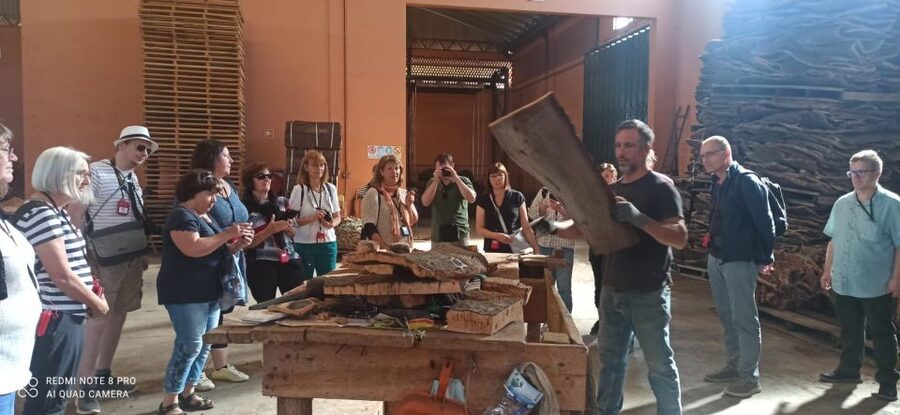
The guides are one of the strongest parts of the experience. Visitors have singled out Irina, Angelina, Belinda, and Angela for clear explanations and patient answers. English and Portuguese are offered, and the guide-led format gives you a chance to ask about anything that catches your eye.
The group size can affect this part of the visit. A small group makes it easier to hear and ask questions. A large group may feel less personal, especially in the open factory space. One practical suggestion is to stay close to the guide and ask questions when the group stops rather than trying to hear while walking.
Following cork from bark to prepared material
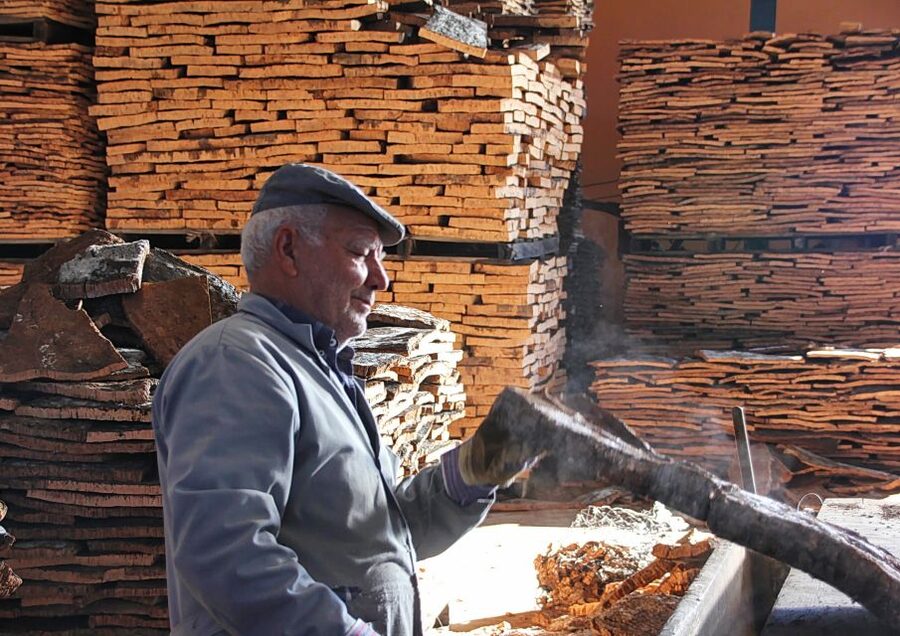
The factory portion explains what happens after cork is removed from the tree. You see how the material is prepared, sorted, processed, and packed. The guide uses samples to show differences in quality, which helps explain the range of prices in the shop.
The work is more manual than many people expect. One visitor arrived expecting more automation and was surprised to see how much depends on workers. That is useful context: this is not a glossy factory show built around machines moving at high speed. It is a working cork business where human judgment and careful handling still matter.
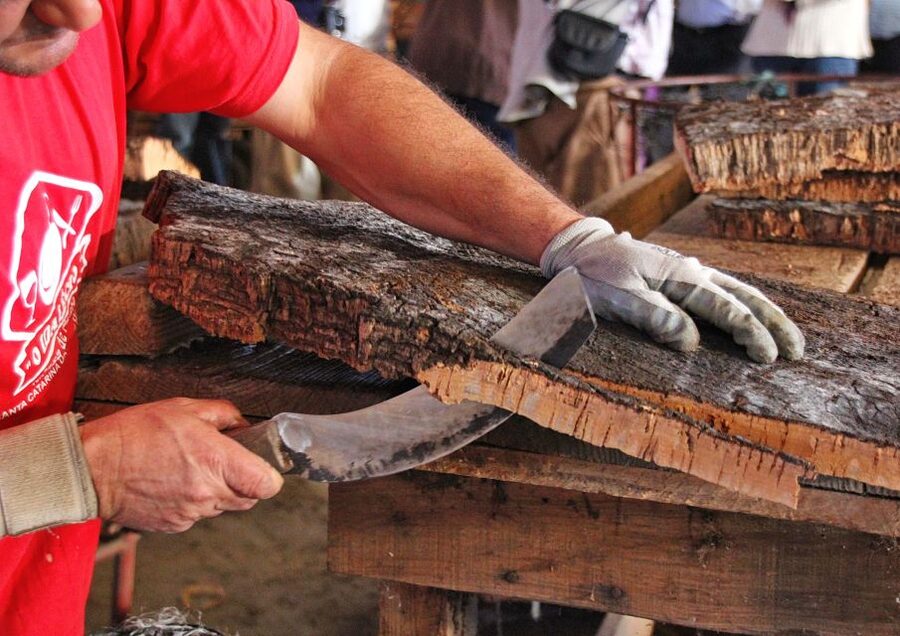
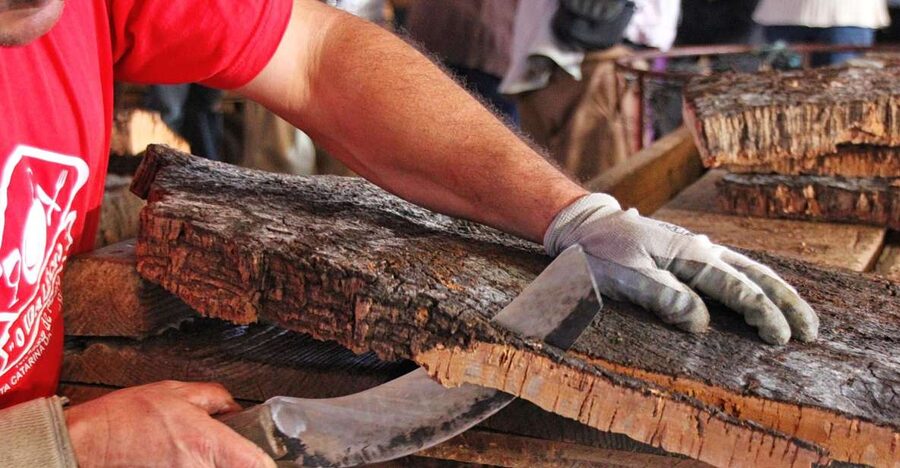
You may see an artisan working pieces of bark during the visit. This close look at the material gives the tour its best visual moment. Cork can look rough and irregular at first, but shaping and finishing reveal how it becomes a stopper, panel, accessory, or decorative object.
The guide also explains quality control. This is important because cork is a natural material, so pieces do not all behave or look alike. Density, appearance, and suitability affect how cork is used. The tour helps you understand why two items that seem similar may have different prices.
If you are interested in sustainable materials, this section will hold your attention. The tour presents cork as a renewable natural resource and shows how the industry uses different grades and forms of the material. Still, the visit is primarily a factory explanation rather than a detailed environmental seminar, so do not expect a long scientific discussion of forest management.
Seeing the workers instead of a staged display
The most authentic part of the visit is the chance to see people doing real factory work. The setting is a functioning cork processing site, and that changes the feel of the tour. You are not only looking at finished objects behind glass.
The scale is fairly small, and the number of employees may be limited. That can be a plus if you want a close look at the process, but it also means there may not be constant movement or a dramatic production line to watch. At quiet moments, the guide and the samples carry much of the visit.
I would treat this as an introduction to cork production rather than a full industrial tour. In 50 minutes, you get the main stages and a useful sense of the work. You do not get an exhaustive look at every machine, department, or product line.
Sound is another practical issue. The factory is large and open, and one visitor found it difficult to hear the guide at times. If your hearing is limited, position yourself near the guide and consider asking for a repeat when machinery or group noise gets in the way. The tour is accessible to wheelchair users, but the open working environment may still feel less controlled than a purpose-built museum.
Same base, a different kind of day out:
- Albufeira: Benagil Caves & Dolphin Watching Speed Boat Tour
★ 4.6 · 6,316 reviews - Albufeira: Dolphin Watching and Benagil Cave
★ 4.7 · 5,658 reviews - Albufeira: Coastline and Benagil Caves Tour by Catamaran
★ 4.7 · 4,077 reviews - Portimão: Benagil Caves & Dolphins Watching with Biologist
★ 4.8 · 3,795 reviews
The cork shop and modern uses of cork fabric
The final stop is the cork shop, where the material takes a more fashionable turn. You see cork fabric used for accessories such as bags and wallets, along with other cork products. This is where the tour moves from raw material to something you might actually take home.
The shop is useful because it lets you compare textures, finishes, designs, and prices after learning about quality. Instead of seeing a cork wallet as a novelty, you can look at it as the finished result of several stages of preparation and selection.
The selection has been described as broad and reasonably priced, though the exact stock can change. If you are shopping for a practical souvenir, this is more distinctive than a standard Algarve trinket. Cork goods are light, easy to pack, and clearly tied to Portugal’s local industry.
You may also find information about extra workshops, such as making a cork bracelet for an additional fee. That option is not included in the standard factory tour, so ask ahead if hands-on crafting interests you. The basic experience focuses on observing the factory and browsing the shop.
I like ending here because it gives the visit a clear payoff. You have just learned why cork has different grades and uses, and now you can inspect the finished products with a better eye. You do not have to buy anything, but the shop makes the material’s versatility easy to grasp.
Is $20 a fair price for 50 minutes?
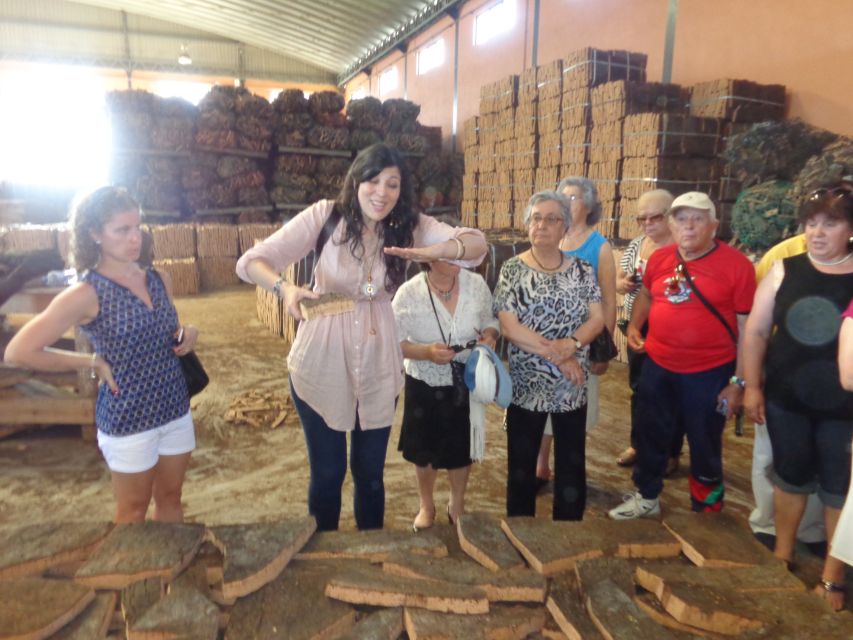
At $20 per person, the tour is fairly priced if you have an interest in cork, Portuguese industry, or unusual local experiences. The guide-led explanation, factory access, production examples, and shop visit give you more than a simple retail stop.
The value depends on your expectations. If you want a large, highly automated plant with a long sequence of machines, you may find the visit brief or modest. If you want a focused introduction that explains a local product clearly, the price works well.
The timing is one of the tour’s advantages. At around 50 minutes, it is easy to fit between other Algarve plans. You will not spend half a day on a single subject, yet you leave with a much better understanding of what cork is and how it is prepared.
Some visits run closer to an hour depending on questions and the pace of the group. That is generally helpful, since the guides do not appear to rush people through the explanations. If your group is large, the same length may feel less satisfying because time is spread among more people.
Getting to Eco-Cork Factory near São Brás de Alportel
The meeting point is Eco-Cork Factory in Mesquita Baixa, 8150-048 São Brás de Alportel. The listed coordinates are 37.140003, -7.855236, which can help if your navigation app struggles with the address.
You should plan to arrive a little earlier than the suggested five minutes. The location can be difficult to find, and the entrance or reception area may not be obvious when several groups arrive together.
A car is the easiest option for most visitors. Public transport from Faro is limited, and a ride-hailing service such as Uber has worked for some visitors. The booking information lists transportation as included, but practical access comments indicate that you should confirm exactly what transportation means for your chosen booking rather than assume a transfer from Faro.
This is one of those places where a few extra minutes can prevent a rushed start. Save the factory location in your phone, check the route before leaving, and allow time for the final approach. The tour itself is simple once you are inside.
Who will enjoy this cork factory visit?
This experience suits you if you like seeing how everyday products are made. It is also a good match for visitors interested in Portuguese culture, local industry, sustainable materials, shopping, or unusual stops away from the coast.
Families can enjoy it because the subject is tangible. Children may find it easier to follow than a long historical lecture because they can see the bark, samples, workers, and finished objects. The short format also helps hold attention.
It works well for couples and solo visitors who want a low-key activity. You do not need prior knowledge of cork, and the guides explain the process from the beginning. English and Portuguese make it accessible to many international visitors.
You may want to skip it if your schedule is tight and you are not interested in how materials are made. The factory is small, some stages may be shown on video, and a crowded group can make the presentation less comfortable. The shop is part of the appeal, but you should not book solely for shopping.
The activity is wheelchair accessible, which is helpful for many visitors. Since it takes place in a working factory, it is still sensible to confirm any specific mobility needs before booking.
Booking advice and final verdict
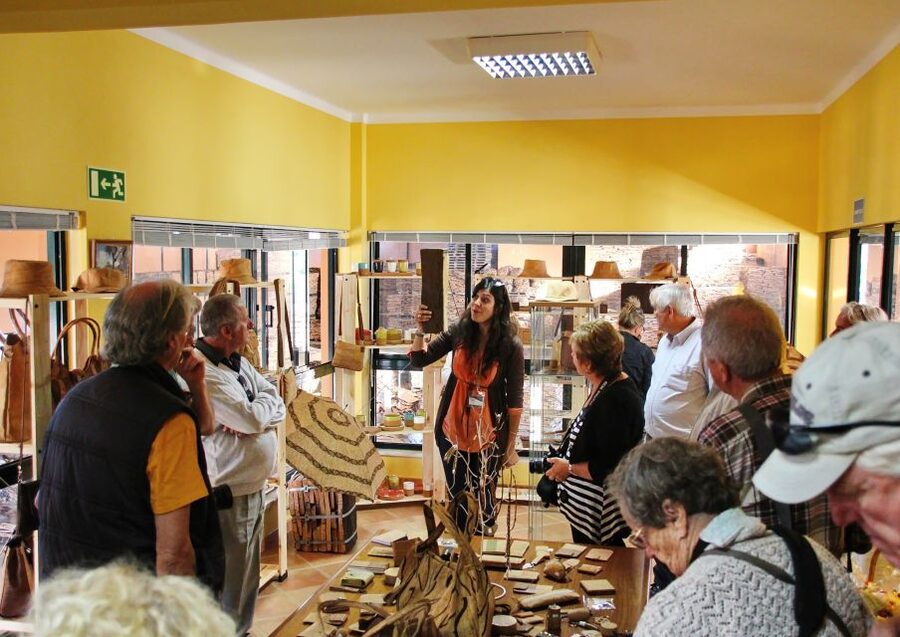
I would book this tour if you are already exploring the area around São Brás de Alportel or have a car for the trip. It gives you a clear look at a major Portuguese industry, the guide-led explanations are usually the heart of the visit, and the price is reasonable for the time involved.
Book with realistic expectations. You are getting a compact working-factory visit, not a giant industrial attraction. Arrive early, stay near the guide, and ask questions. If you can visit during a busier production period, you may see more activity, while other times rely more on the film and demonstrations.
The best reason to go is the change in perspective. Afterward, a cork stopper is no longer just a cork stopper. You understand the tree, the workers, the grading, the care, and the many forms the material can take. For a short Algarve activity with a strong local connection, that is good value.
FAQ
How long does the Cork Factory Tour last?
The scheduled duration is 50 minutes. Some visits may take around an hour depending on the pace of the group and the time spent answering questions.
How much does the tour cost?
The price is $20 per person.
Where does the tour meet?
The meeting point is Eco-Cork Factory, Mesquita Baixa, 8150-048 São Brás de Alportel. The listed coordinates are 37.140003, -7.855236.
What languages are available?
The tour is available in English and Portuguese.
Is the factory accessible by wheelchair?
The activity is listed as wheelchair accessible.
Is transportation included?
Transportation is listed among the inclusions. Since access from Faro can be limited and practical arrival advice recommends a vehicle or ride-hailing service, confirm the transportation details when booking.
Can I cancel the booking?
You can cancel up to 24 hours in advance for a full refund. A reserve-now, pay-later option is also available.
Just added in Algarve
- Algarve: 1-Hour Carrapateira Horseback Riding Tour★ 5.0 · 295 reviews
- Algarve: 30-Minute Jet Ski Experience★ 4.9 · 441 reviews
- Algarve: Benagil Sea Cave Sunrise or Sunset Kayak Experience★ 4.8 · 469 reviews
- Skydive Algarve: Tandem Skydiving 10.000ft (up to 15.000ft)★ 4.9 · 148 reviews
- Algarve: Tandem Skydiving Adventure 15,000 to 10,000 Feet★ 4.8 · 250 reviews
- From Albufeira: Algarve Sunset Jeep Tour with Tastings★ 4.7 · 382 reviews
- Albufeira: Jet Ski Rental★ 4.4 · 556 reviews
- Albufeira: Paragliding and Paratrike Tandem Flights★ 4.8 · 112 reviews
Tours in the Algarve, compared.
Benagil Caves Speed Boat Tour with Sunset Option
Read our review →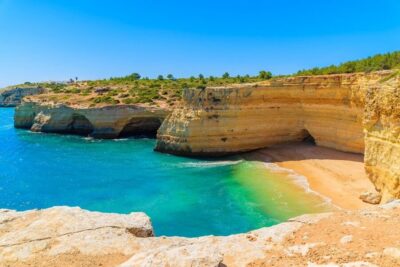

Benagil Caves & Dolphin Watching Speed Boat Tour
Read our review →
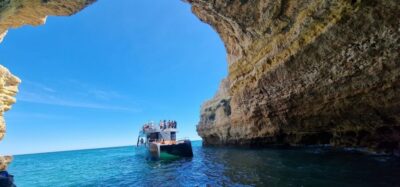
Coastline and Benagil Caves Tour by Catamaran
Read our review →
Benagil Caves & Dolphins Watching with Biologist
Read our review →
Browse the lists this tour appears in