
Reviewed · WHALE WATCHING
Azores Whale Watching Tour – Ponta Delgada
The Azores put you in the middle of an Atlantic migration route, and this tour gives you a real chance to see dolphins racing beside the boat and whales surfacing far from shore. The exact route changes with recent sightings, so the trip feels like a search rather than a fixed coastal cruise. The wildlife is wild, not staged, and that is the main appeal.
I like the choice between a fast rigid inflatable boat and a more settled catamaran. I also like the marine biologists’ role: they brief you on safety, help identify species, and explain local conservation work. The main drawback is the sea itself. The speedboat can be rough, wet, and windy, and even the larger boat cannot make whales appear on schedule.
Key points before you book
- More than a simple boat ride: Marine biologists accompany you and explain the animals, the Azores’ marine setting, and conservation efforts.
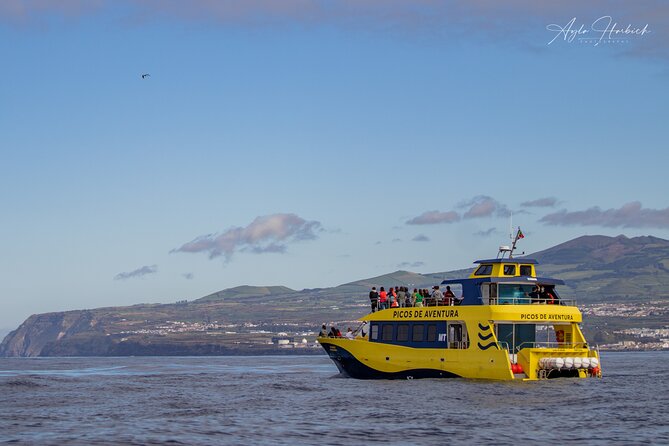
- Two very different boats: Pick the rigid inflatable speedboat for a close-to-the-water thrill, or the catamaran for more room, a covered cabin, and a toilet.
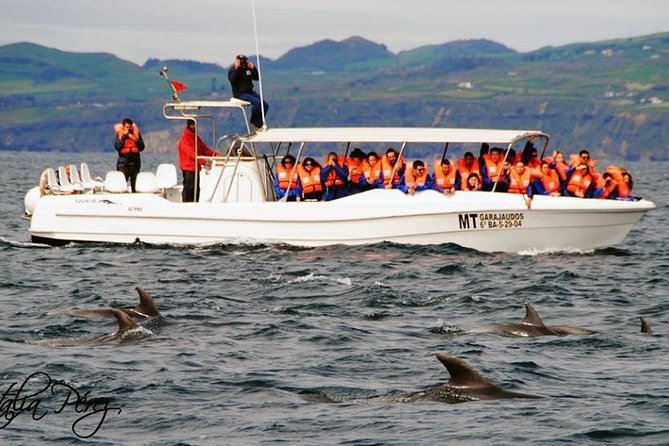
- Dolphins are a strong possibility: Sightings can include common, spotted, bottlenose, and pilot dolphins, often in lively groups.
- Whales are possible, not promised: Sperm whales, sei whales, humpbacks, right whales, Bryde’s whales, and other species have been seen, but conditions and migration patterns control the day.
- Plan for wind and motion: Take the supplied raincoat, bring motion-sickness medicine if needed, and leave valuables in a locker on the speedboat.
- Book with flexibility: Tours can be moved or canceled in poor weather, so do not schedule this right before an important flight or connection.
Setting out from Marina Pêro de Teive
You begin at Picos de Aventura in Marina Pêro de Teive, along Avenida João Bosco Mota Amaral in Ponta Delgada. Arrive 15 to 20 minutes early. That gives you time to check in, get fitted with safety gear if needed, and settle into the briefing without a last-minute rush.
The first 15 to 20 minutes are more useful than a quick list of rules. The marine biologists explain how the boat will operate, what species may appear, and how the crew approaches wildlife. You also get an introduction to conservation work in the Azores, which matters here because the quality of the sighting depends on giving the animals room.
The marina is easy to reach and close to public transportation. You arrange your own way there and back. Hotel pickup and drop-off are not included, and the tour ends at the same marina where it begins.
Other trips out to look for whales from Sao Miguel:
- From Ponta Delgada: Whale and Dolphin Watching Trip
★ 4.7 · 4,109 reviews - Azores Whale Watching & Islet Boat Tour
★ 4.6 · 2,146 reviews - Azores Whale Watching & Islet Boat Tour
★ 4.5 · 1,059 reviews
Choosing between the speedboat and catamaran
The boat choice can shape the whole experience, so pay attention when booking.
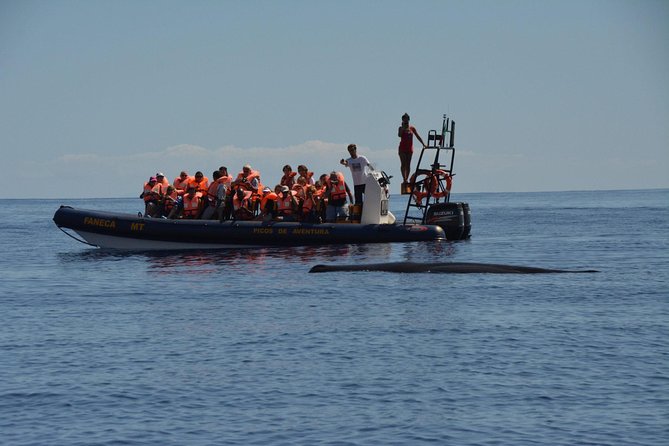
The rigid inflatable speedboat is the lively option. It sits low on the water and can cover ground quickly, useful when the wildlife is well offshore or the crew receives information about a fresh sighting. You feel the boat’s movements more directly, which brings you closer to the action but also makes the ride rougher.
Several practical details matter on the speedboat. A life vest is mandatory, and a raincoat is provided. The coat is useful even on a dry day because the wind can cut through your clothes as the boat moves. You may also get spray, particularly when the sea is choppy. Use the lockers for purses, cameras you do not need immediately, and other items that should stay dry.
The catamaran offers a calmer setup. It has more room to move, a covered cabin, an open-air upper deck, and a toilet. The higher, wider platform can give you a good view of dolphins, and the larger hull tends to soften the effect of the waves. One particularly useful position is near the front of the lower deck, where you can see well without taking the full blast of the wind above.
For families with small children, the catamaran is the sensible choice. Children must be accompanied by an adult, and weather can limit participation for young children. If you suffer from motion sickness, I would also choose the catamaran if it is available. It is not motion-free, but it is generally the kinder option.
The search along São Miguel’s southern coast
Once the briefing ends, you leave the marina and head into the Atlantic. The route is not fixed. The crew uses a series of observation points along the southern coast and adjusts the plan according to recent dolphin and whale activity.
That flexibility is important. A wildlife tour cannot follow a sightseeing timetable and still give animals proper space. You may spend part of the outing traveling toward a promising area, then slow down once the crew finds signs of life. On some trips, a large share of the time is spent reaching the offshore waters where cetaceans are located.
The ride itself is part of the experience, but it can test your stomach. Wind and waves may be mild on the way out and rougher on the return. Some departures have reached waters about 10 miles from shore, where conditions can change quickly. Take motion-sickness medication before departure if you need it, rather than waiting until you feel ill.
Keep a sweater or warm layer with you. Even on a sunny Azores day, the boat’s speed creates a steady wind. A small snack and water are also sensible, since food and drinks are not included.
What you might see in two to three hours
The waters around the Azores support more than 20 cetacean species. That does not mean you will see 20 species in one trip, but it explains why the crew keeps scanning beyond the first group of dolphins.
Dolphins are often the most active part of the outing. Possible sightings include common dolphins, Atlantic spotted dolphins, bottlenose dolphins, and pilot dolphins. Groups may travel beside the boat, cross in front of it, or spread across the water in large numbers. A few trips have produced hundreds of dolphins, while others have focused on smaller groups from several species.
The Atlantic spotted dolphin can be a special sighting because it is not always easy to find. Bottlenose dolphins are more immediately recognizable, while common dolphins often provide the fast-moving, playful action many people hope to see. Your guide helps sort out the differences instead of leaving you to guess at distant fins.
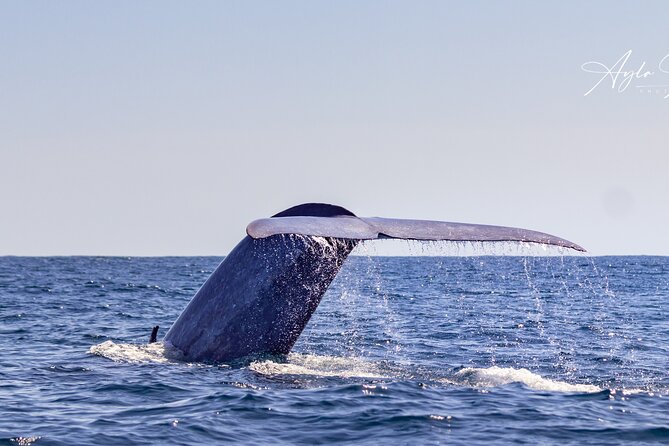
Whales require more patience. You might see a sperm whale, a sei whale, a humpback, a right whale, a Bryde’s whale, or another migratory species. A whale may surface only briefly, and the first sign can be a blow or a dark shape before the body disappears again.
This is not a performance with guaranteed close passes. Sometimes the crew senses a baleen whale nearby but never gets a clear look. At other times, a whale appears at a useful distance and gives the boat several chances to watch it. Bring a camera, but do not spend the whole trip staring through a screen. A fast-moving dolphin or a brief whale surface can vanish before you frame it.
Same base, a different kind of day out:
- São Miguel West: Full-Day Van Tour with Lunch
★ 4.9 · 1,948 reviews - São Miguel West Full Day Tour with Setes Cidades Including Lunch
★ 5.0 · 1,391 reviews - São Miguel East Van Tour with Lunch: Furnas & Nordeste
★ 5.0 · 1,210 reviews - São Miguel East: Full-Day Van Tour with Lunch
★ 4.9 · 1,124 reviews
Why the guides add real value
The marine biologists do more than point toward a fin. Their briefing helps you understand the animals’ behavior, the species you may encounter, and the rules that protect them. The best part of a sighting is often the explanation of why the animals are traveling, surfacing, or changing direction.
The crew also has to balance excitement with restraint. The boat needs to approach carefully and give whales and dolphins room. That can mean slowing down, holding position, or moving away instead of chasing an animal for a closer photograph. For me, that is an important mark of a responsible wildlife trip.
Most departures are offered in English, though the guide may be multilingual. The supplied information does not name individual guides, so you should not expect a particular person when booking. The quality of the commentary can vary by departure, but the intended format is clear: marine experts accompany you throughout the outing and answer questions at the marina afterward.
How the wildlife guarantee really works
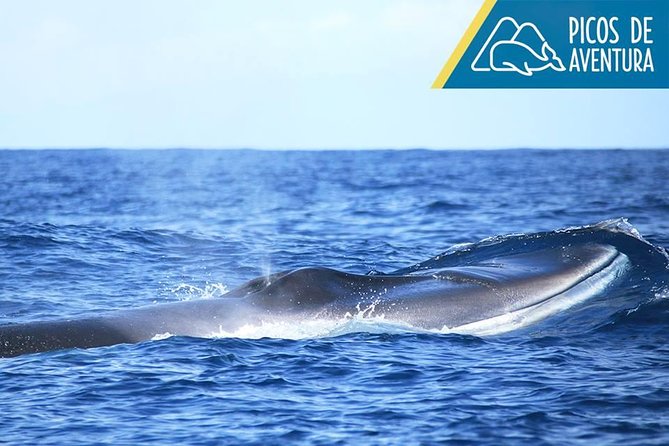
The tour includes a cetacean sighting guarantee, but read it carefully. If you see neither a whale nor a dolphin, you can receive a full refund. The promise does not mean you will see both groups, or that whales will appear.
That distinction matters. A dolphin-focused trip can still meet the guarantee even if every whale stays below the surface. The Azores do not have a simple whale season in which sightings work the same way every month. Migratory periods bring a wider mix of species, while other times may produce excellent dolphin sightings and fewer large whales.
The operator has reported strong large-whale results during some August periods, but that is not a forecast for your exact date. Sea conditions, animal movement, and the day’s offshore search all matter. You should book this as a chance to see wild marine life, not as a promise of a specific species.
Price, timing, and overall value
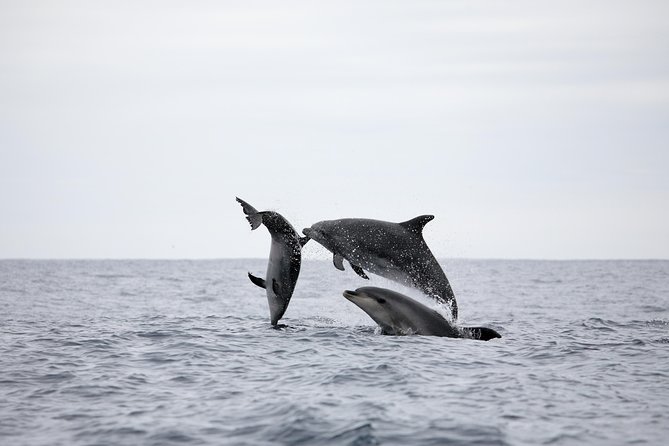
At $78.60 per person, this is not the cheapest way to spend a morning in Ponta Delgada, but the price covers a proper marine outing of about two to three hours, a guide team with marine expertise, the boat, safety equipment, and the search itself. The refund promise also reduces the financial risk if you see neither whales nor dolphins.
The value is strongest if you care about the natural setting and the interpretation, not just a quick photograph. You are paying for the crew’s ability to read current conditions, use multiple observation points, and find wildlife over a broad area. The trip may feel less satisfying if you need a guaranteed whale encounter or dislike spending time in a moving boat.
The maximum group size is 75 people, though the feel will depend on which boat operates that departure. A catamaran spreads people across several areas, while a speedboat creates a smaller, closer-to-the-water atmosphere. If the boat type matters to you, confirm the option at booking rather than assuming every departure uses the same vessel.
The tour is commonly booked about 23 days ahead. That is a useful planning clue, especially if you want a morning or afternoon choice, a catamaran, or room for a family group. I would schedule it early in your stay in Ponta Delgada when possible. If poor weather cancels the trip, you may be offered another date or a full refund, but an early booking leaves room to move the outing.
What to bring and how to stay comfortable
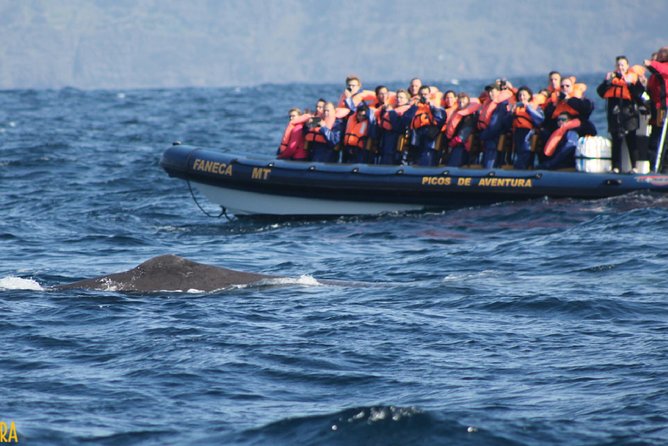
Wear practical clothes rather than your best sightseeing outfit. You receive a raincoat and life vest on the smaller boat, but quick-drying layers are still wise. The coat helps block wind as much as it protects against spray.
Bring:
- A warm layer, even in pleasant weather
- Motion-sickness medicine if you are prone to nausea
- Water and a snack
- A camera with a secure strap
- Sunscreen and sunglasses
- Minimal loose belongings on the speedboat
Do not treat the sea as calm just because the marina looks peaceful. Several outings have been described as windy or choppy, and the ride can become wet. The catamaran has the clear edge for comfort, family use, and access to a toilet. The speedboat wins if you want speed, spray, and a more immediate sense of the water.
Who will enjoy this most
I would recommend this trip to families with older children, couples, first-time whale watchers, and anyone who wants a guided introduction to the Azores’ marine life. Children can enjoy the excitement of dolphins, but the operator may restrict young children when weather or sea conditions make the ride unsafe.
It also suits visitors who value responsible wildlife watching. The crew’s focus on animal welfare and conservation is not a side note. The best sightings come when you allow the animals to behave naturally, even if that means a whale remains distant.
I would think twice if you are highly prone to seasickness, have limited time before a flight, or need a specific whale species to appear. In those cases, choose the catamaran, leave schedule space for weather changes, and set your expectations around whales and dolphins as a combined wildlife search.
Should you book the Ponta Delgada whale watching tour?
Book it if you want a well-organized chance to see Azorean dolphins and whales with marine biologists guiding the search. The strongest reasons are the choice of boats, the focus on conservation, the possibility of several dolphin species, and the refund if you see neither whales nor dolphins.
Choose the catamaran for comfort, children, or a sensitive stomach. Choose the speedboat for a more exciting ride and a low view of the water, but prepare for spray and rough movement. Most important, book with flexible expectations. You may see hundreds of dolphins and several whale species, or you may spend a rewarding afternoon watching dolphins while the whales stay hidden. That uncertainty is part of wildlife watching, not a fault in the ocean.
FAQ
Where does the whale watching tour begin?
It begins at Picos de Aventura in Marina Pêro de Teive, Avenida João Bosco Mota Amaral, 9500-771 Ponta Delgada, Portugal. Arrive 15 to 20 minutes before departure.
How long does the tour last?
The boat outing lasts about two to three hours. The initial safety and wildlife briefing takes about 15 to 20 minutes before departure.
What animals might I see?
Possible sightings include common, Atlantic spotted, bottlenose, and pilot dolphins, along with sperm whales, sei whales, humpbacks, right whales, Bryde’s whales, baleen whales, and other migratory species. Sightings vary by day.
Is a whale sighting guaranteed?
No specific species is guaranteed. The tour provides a full refund if you see neither a whale nor a dolphin, but seeing dolphins does not require a whale sighting for the guarantee to apply.
Which boat should I choose?
The rigid inflatable speedboat is faster and closer to the water but can be windy, wet, and rough. The catamaran has more space, a covered cabin, an upper deck, and a toilet, making it the better choice for families and people prone to motion sickness.
What happens if bad weather cancels the tour?
You can be offered a different date or a full refund if poor weather cancels the activity. Free cancellation is also available when you cancel at least 24 hours before the scheduled start time.
Just added in Sao Miguel
- São Miguel: AdventurePark Canyoning Salto do Cabrito, Azores★ 5.0 · 67 reviews
- Sete Cidades: Kayaking and Biking Adventure★ 4.7 · 142 reviews
- Azores: Sete Cidades Scenic Jeep Tour from Ponta Delgada★ 4.8 · 450 reviews
- Ponta Delgada: Sete Cidades Guided Buggy, Quad, or Jeep Tour★ 4.7 · 300 reviews
- Glass Bottom Boat Tour & Snorkeling in São Miguel, Azores★ 5.0 · 250 reviews
- Canyoning Experience – half day★ 5.0 · 636 reviews
- Off the Beaten Track Half Day Sete Cidades Jeep Tour★ 5.0 · 583 reviews
- São Miguel: Glass Bottom Boat Tour with Snorkeling★ 4.7 · 633 reviews
Whale Watching, compared.
Funchal Bay: Dolphin & Whale Watch Luxury Catamaran Cruise
Read our review →
All Inclusive Whale and Dolphin Watching Luxury Tour
Read our review →
Madeira Dolphin and Whale Watching on a Ecological Catamaran
Read our review →
Dolphin and Whale Watching by Luxury Catamaran
Read our review →
Browse the lists this tour appears in