Reviewed · TOURS IN MADEIRA
Funchal Agriculture Green Tour
Madeira’s farm life is the real attraction here. In six hours, you move from a private banana field to a working cattle farm, an agriculture school, a country lunch, and an old rum factory where steam machinery may still run during the April to May sugarcane season. I like the access to private working farms, and I like that the tour explains what happens to bananas after they leave the field. It is a useful look at the island beyond its gardens and viewpoints.
The small group, limited to eight people, makes it easier to ask questions and talk with the guide. The main tradeoff is that this is a busy half-day, not a slow country ramble, and some stops depend on the season. Banana tasting may be limited in winter, while the rum factory machinery operates only during the sugarcane season.
Key points
- Private farm visits: Enter a banana field and a long-established family cattle farm that are not simply roadside photo stops.
- Banana business explained: See how bananas are sorted and packed after harvesting, followed by a tasting when fruit is available.
- Agriculture school stop: Learn about grafting and see local and international fruit trees, including avocados and lemon trees.
- Madeiran home cooking: Enjoy tapas, fresh bread, a choice of fish or meat, vegetables, dessert, drinks, and coffee.
- Porto da Cruz rum history: Visit an old sugarcane rum factory with steam machines, with active production possible in April and May.
- Easy small-group format: Hotel pickup and return are included from Funchal and Caniço, with service in English, Spanish, French, or German.
A working side of Madeira, not just a pretty view
Many Madeira tours focus on cliffs, levadas, and mountain roads. This one takes a different route. You spend much of the day asking how people actually make a living from the island’s steep, fertile ground.
The first major stop is a private banana field in the Funchal area. Your guide explains how farmers care for the plants and how the banana trade fits into daily life on Madeira. You are not just pointed toward a row of plants and sent back to the van. The visit is built around conversation and seeing the farm up close.
That matters because banana growing is easy to notice but harder to understand. Madeira’s mild climate supports the crop, yet the work is hands-on and tied closely to the terrain. You get a better sense of this when you see the plants in a working field rather than in a decorative garden.
The small group helps here. With no more than eight people, you have a better chance to hear the explanation and ask about farming methods. I would choose this tour if you enjoy learning how food reaches the table, especially if you prefer practical details to a string of photo stops.
Other trips people book in Funchal:
- Porto Moniz, Seixal, Fanal Forest, Cliff Skywalk in Open Roof 4X4
★ 5.0 · 3,631 reviews - Funchal: Pico do Arieiro Sunrise Transfer Self-guided Hike
★ 4.9 · 2,798 reviews - Madeira Funchal:East Tour Pico Arieiro & Santana&Laurissilva
★ 4.9 · 1,994 reviews
From banana plants to the packing line
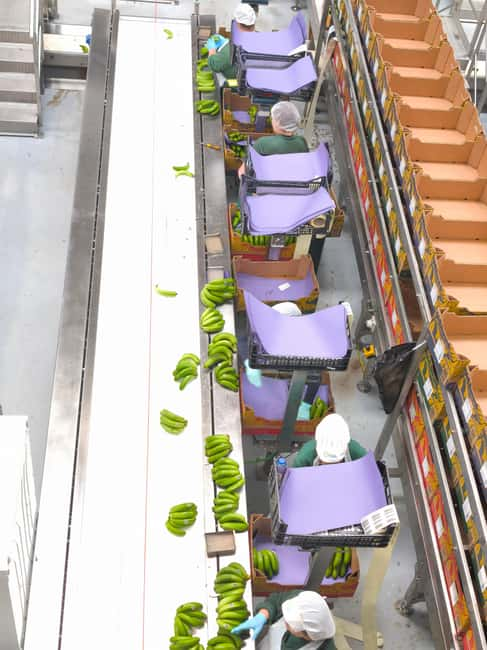
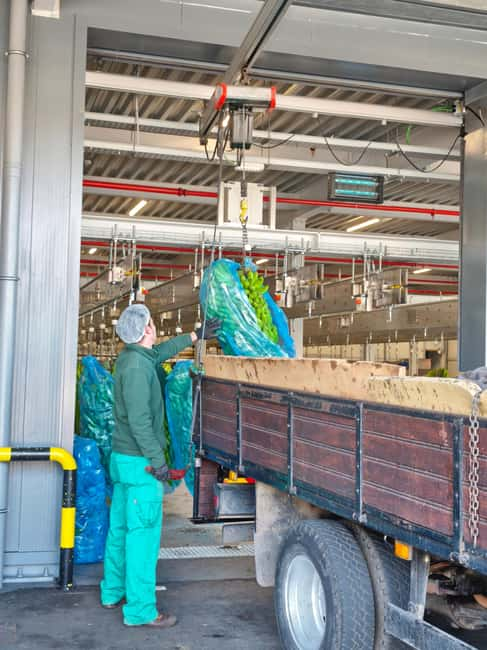
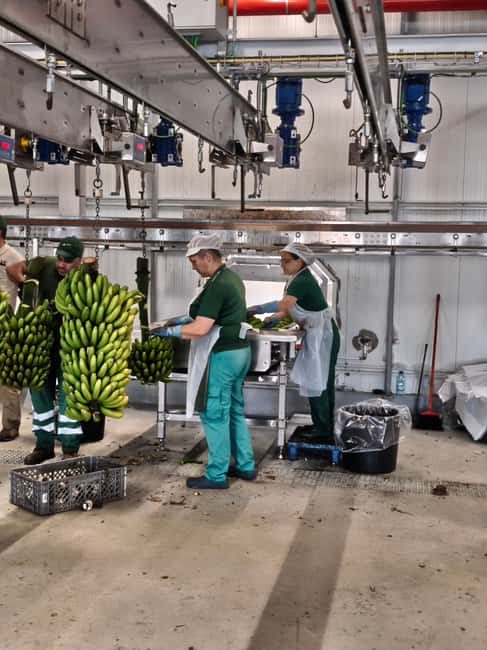
The tour then visits GESBA, the government-run banana business. This stop fills in the part of the story that a farm visit cannot.
You learn what happens after the bananas are cut. The process includes selection and packing, so you can connect the work in the field with the commercial system that handles the crop afterward. A tasting follows when ripe fruit is available.
That last point is worth keeping in mind. In winter, ripe bananas are not always available, so the tasting is not guaranteed. The educational visit still goes ahead, but you should not book this part solely for the sample.
I like the pairing of the two banana stops. The private farm shows the human and agricultural side of the trade. GESBA shows the organized business that comes next. Together, they offer more substance than simply seeing banana plants from a road.
Grafting and fruit trees at the agriculture school
The next stop is the agriculture school on Caminho do Arieiro. Local farmers come here to buy trees for planting, and the visit includes an explanation of grafting methods used on the island.
Grafting can sound technical, but it is one of the most useful parts of the day if you are curious about how farmers adapt and reproduce fruit trees. The guide also takes you around the school grounds, where you may see international trees planted many years ago alongside local varieties.
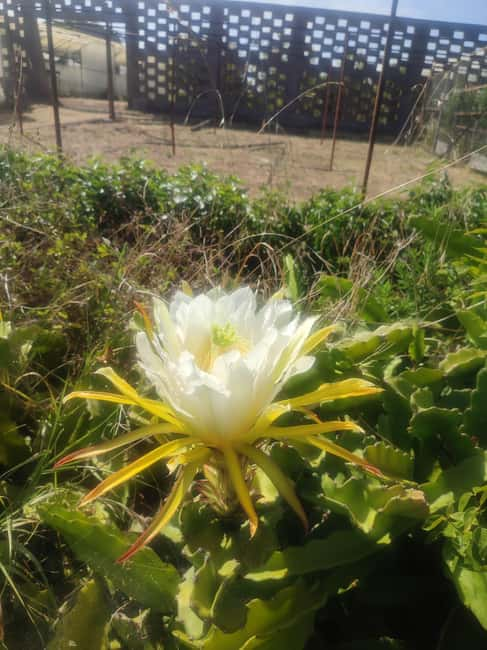
Avocado and lemon trees are among the examples provided. If fruit is in season, you may be offered samples. Again, this depends on timing, but the school remains worthwhile even without tasting.
This stop gives the tour a broader agricultural focus. You are not only seeing what Madeira grows now. You are also learning how farmers obtain planting stock and use older methods to maintain productive trees. For anyone with a garden, farm background, or simple interest in food production, this is likely to be one of the more memorable stops.
The northern road and a proper country lunch
After the agriculture school, the drive heads toward northern Madeira. Along the way, you see more farms and working countryside. The scenery is part of the appeal, but the route also helps show how agriculture is spread beyond Funchal.
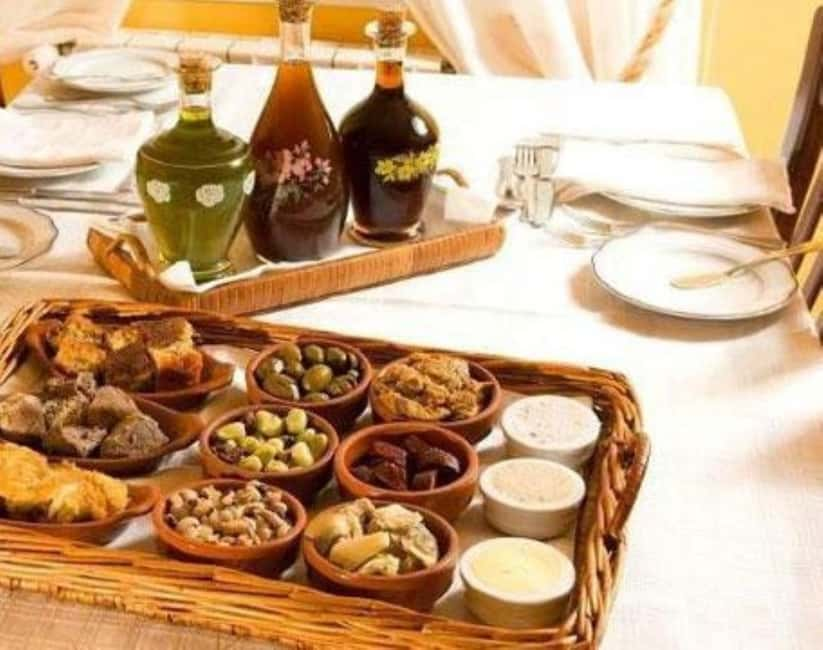
Lunch is served in a cozy house restaurant in a rural area around Santana. The meal is described as local Madeiran food prepared in the style of home cooking. It begins with fresh baked bread and tapas made with local ingredients, followed by a choice of fish or meat, fresh vegetables, homemade dessert, drinks, and coffee.
At $100 per person, this meal is an important part of the value. You are not paying only for transport and a guide. The price also includes the food, drinks, coffee, farm entrances, tastings, and a six-hour program. If you were arranging separate transport, meals, and admissions, the package would be more difficult to match.
The lunch is also a welcome change from a standard restaurant stop. You get a taste of rural Madeira in a setting designed to feel more like a local home than a formal dining room. I would still confirm your meal preference when booking if you have dietary needs, since the available main course is presented as a choice of fish or meat.
Same base, a different kind of day out:
- Madeira Dolphin and Whale Watching on a Ecological Catamaran
★ 4.5 · 1,957 reviews - VipDolphins Luxury Whale Watching
★ 5.0 · 1,709 reviews - From Funchal: Transfer to Pico do Arieiro & Pico Ruivo Trail
★ 4.9 · 1,591 reviews - Whale and Dolphin Watching Tour in Madeira
★ 5.0 · 1,192 reviews
Porto da Cruz and the old rum factory
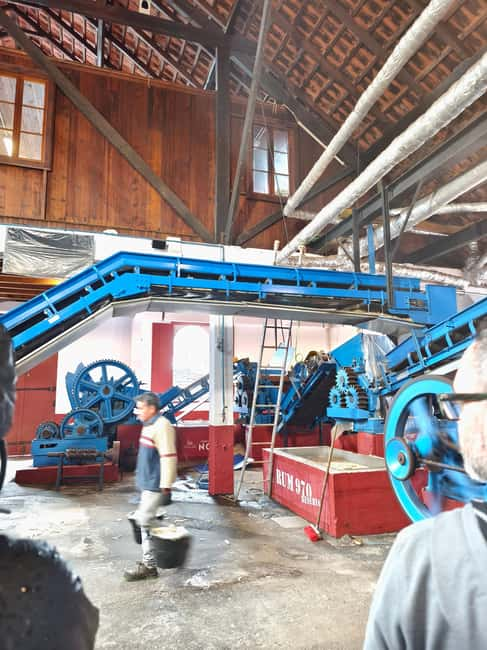
Porto da Cruz is the day’s sugarcane stop. The town is linked to Madeira’s sugarcane trade, and the tour visits one of the island’s oldest rum factories.
The most unusual feature here is the old steam machinery. During the sugarcane season, normally April to May, the machines may be operating. Outside that period, you can still visit the factory and see the equipment, but you should not expect an active production scene.
This is a compact visit, planned for about 40 minutes. It works well because it adds a different piece of Madeira’s agricultural story. Bananas and fruit trees show one side of island farming. Sugarcane and rum show another, older industrial tradition.
Porto da Cruz also gives you a change of setting after the inland farms. The factory is near a remote beach area with striking views, so it is a pleasant stop even for people who are not especially interested in spirits. Rum tasting is included, but take it as a sample rather than a full tasting session.
A century-old cattle farm with a family story
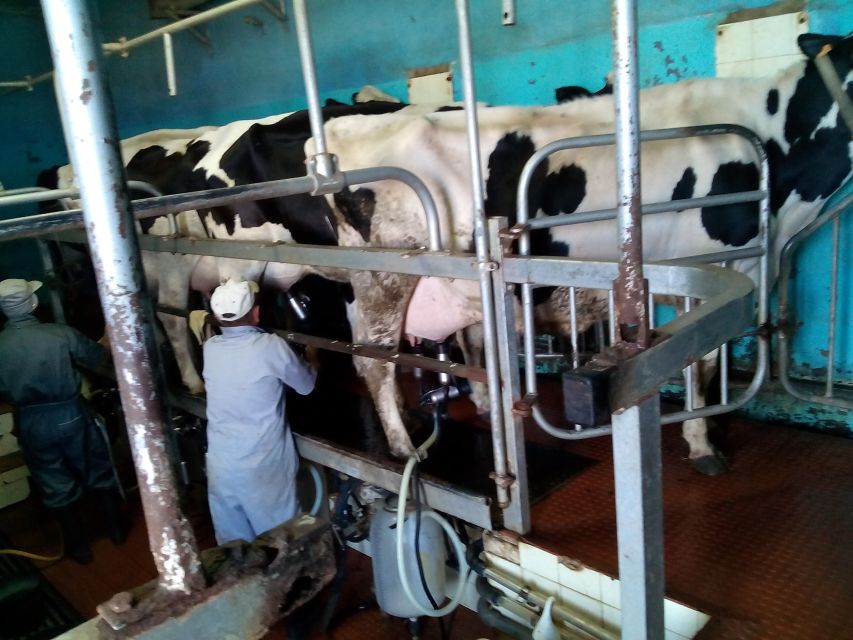
The final major visit is a private cattle farm in the Caniço area. The farm has been operated by the same family for more than 100 years and supplies much of the milk used to make requeijão, a well-known Madeiran cheese.
Here, you learn about older milking methods and see the farm itself. The visit adds an animal-focused element that can be especially appealing to families. Children who may have limited interest in grafting or packing procedures are more likely to connect with the cows and the working farm.
The setting is also part of the stop. The farm sits in a beautiful region with broad views, so you get both the agricultural story and a sense of how the island’s rural communities fit into the surrounding terrain.
I appreciate that the cattle farm is not treated as a petting attraction. The emphasis is on farming, milk, and the family trade. That makes it more useful for understanding Madeira’s food culture, particularly the link between local milk production and requeijão.
Why the small group matters
This experience is limited to eight participants. That is a meaningful advantage because several stops involve explanations, questions, and private access rather than simple sightseeing.
At a banana farm, a small group can listen without being spread across the field. At the agriculture school, you can ask about grafting or particular trees. At the cattle farm, the visit feels less like a large tour passing through.
The guide is central to the day. Guiding is available in English, Spanish, French, and German. The strongest feedback about the experience focuses on guides who are friendly, lively, and good at explaining Madeira’s agriculture and history in a way that keeps the day moving.
You should expect a guide-led experience rather than independent exploration. That is good if you want context and conversation. If you prefer to spend long periods alone at each site, the schedule may feel too structured.
A six-hour day with several moving parts
The advertised duration is six hours, with pickup and drop-off from Funchal, Caniço, Garajau, and Santa Cruz under the stated arrangements. The planned stops include about 40 minutes at the banana farm, 45 minutes at GESBA, an hour at the agriculture school, an hour for lunch, 40 minutes at the rum factory, and 40 minutes at the cattle farm.
Those times add up to a full day of short visits. You will spend time in the vehicle between them, including the drive from Funchal toward the northern part of the island. This is not a single-site farm experience. It is a connected tour of several parts of Madeira’s food and farming economy.
Pickup times can shift because of traffic, roadworks, or accidents. The operator advises you to wait in the hotel lobby about 10 minutes before the scheduled time and to check email or WhatsApp for final details. A delay of up to 15 minutes is possible, so I would avoid booking a tight connection afterward.
The tour does not operate on bank holidays, Christmas Day, or January 1. Comfortable shoes and a jacket are sensible choices. Farm paths and rural areas may not feel as polished as city attractions, and the weather can change as you cross the island.
Is $100 a fair price?
At $100 per person, this is not the cheapest way to spend six hours in Madeira. It is a fair price if you value access, transport, food, and explanation in one package.
The cost includes hotel pickup and return from the covered areas, admission to the private banana farm, GESBA, the agriculture school, and the cattle farm, lunch with drinks and coffee, and rum tasting. You also get a small-group guide who connects the stops into one subject: how Madeira grows, processes, and serves its food.
The value is less convincing if you only want scenery or a relaxed meal. You could find cheaper ways to see countryside roads, and the day does not offer a long hike or a major landmark. I see the price as strongest for people who would otherwise need to organize several separate visits and transport arrangements.
Pickup from Santa Cruz, Calheta, and Ponta do Sol is not included in the same way. You may need to meet the guide in Funchal or Caniço, and people coming from Ponta do Sol, Calheta, Santana, or São Vicente can use the specified meeting arrangement at the Hotel Madeira Panoramico parking area. Check the exact pickup point before paying.
Who will enjoy this Madeira farm tour?
I would recommend it to you if you enjoy food, traditional work, and conversations with people connected to the land. It is also a strong choice for families with children over six who like animals and hands-on subjects.
The tour suits first-time visitors who want to see more than Funchal without giving up a guide. It also works well for repeat visitors who have already seen the main viewpoints and want a more local subject.
You should think twice if you dislike scheduled group travel, have difficulty getting in and out of vehicles, or need wheelchair access. The experience is not suitable for wheelchair users or children under six. You should also be comfortable walking around farms and wearing practical shoes.
Season matters. Spring, especially April and May, offers the best chance of seeing the rum machinery operating. Winter may mean no ripe banana tasting. Fruit sampling at the agriculture school also depends on what is in season.
Should you book it?
Book this tour if you want to understand Madeira through its farms, food, and family trades rather than only through scenic stops. The private banana and cattle visits, agriculture school, local lunch, and rum factory give the day a clear purpose.
I would choose it for a small group, a family with older children, or anyone who enjoys learning how local products are made. I would skip it if your main goal is hiking, dramatic viewpoints, or a leisurely day with plenty of free time.
The best booking window is likely during the sugarcane season if the working steam machinery matters to you. Otherwise, the tour remains worthwhile for its farm access, food, and practical look at island life. Free cancellation up to 24 hours before departure and the option to reserve now and pay later also make it easier to fit into a changing Madeira schedule.
FAQ
How long does the Funchal Agriculture Green Tour last?
The tour lasts six hours.
What is included in the price?
The $100 price includes hotel pickup and drop-off from the covered areas, farm entrances, local lunch, tapas, dessert, drinks, coffee, and rum tasting.
Where does pickup take place?
Pickup is available from hotels in Funchal, Caniço, Garajau, and Santa Cruz under the stated arrangements. Exact pickup details may be sent by email or WhatsApp.
Can I join the tour from Calheta or Ponta do Sol?
Pickup from Calheta and Ponta do Sol is not included in the same way. You can meet the guide in the Funchal or Caniço area, and a specified meeting arrangement is available at Hotel Madeira Panoramico parking.
How many people are in the group?
The group is limited to eight participants.
Which languages are available?
The live guide is available in English, Spanish, French, and German.
Is lunch included?
Yes. Lunch includes fresh bread, local tapas, a choice of fish or meat, fresh vegetables, homemade dessert, drinks, and coffee.
Will I taste bananas during the visit?
A banana tasting is offered when ripe bananas are available. In winter, ripe fruit is not always available.
When do the rum factory steam machines operate?
The steam machines operate during the sugarcane season, generally in April and May.
Is the tour suitable for children and wheelchair users?
Children under six cannot join the tour, and the experience is not suitable for wheelchair users. Comfortable shoes and warm clothing are recommended.
Just added in Funchal
- Private Dolphin and Whale Watching Tour in Madeira★ 5.0 · 539 reviews
- Small Group West Tour Waterfalls & Fanal Forest Tour★ 4.5 · 397 reviews
- Adventure Trikes Private Tour in Madeira★ 5.0 · 159 reviews
- West Madeira 4×4 Tour with Local Guide★ 5.0 · 156 reviews
- Responsible Whales and/or Dolphins Watching Tour★ 5.0 · 237 reviews
- West Tour★ 4.5 · 48 reviews
- West Side Private Full Day Tours around Madeira Island★ 5.0 · 274 reviews
- West 4×4 Experience: Skywalk, Porto Moniz Pools and Fanal Forest★ 5.0 · 49 reviews
Tours in Madeira, compared.
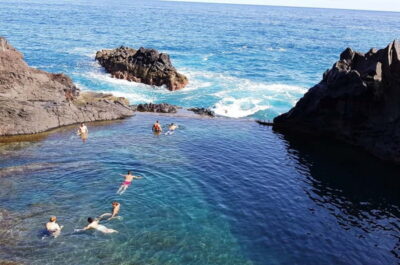
Skywalk, Porto Moniz, Seixal, and Fanal 4WD Tour
Read our review →
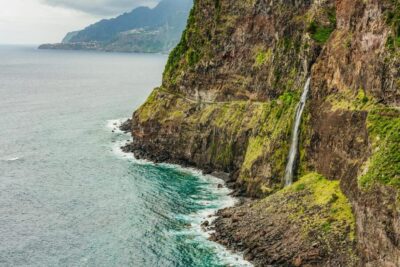
Enchanted Terraces, Porto do Moniz & Fanal 4WD Tour
Read our review →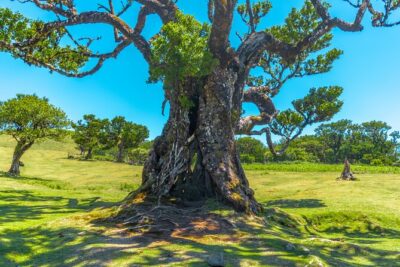
Porto Moniz, Seixal, Fanal Forest, Cliff Skywalk in Open Roof 4X4
Read our review →