

Reviewed · FADO SHOWS
Lisbon: Alfama Tour and Live Fado with Traditional Dinner
Lisbon’s old neighborhoods make the best stage for Fado. This four-hour evening begins with a guided walk through Mouraria and Alfama, then settles into a traditional dinner and live music in a local Fado house. The setting gives the songs some context instead of treating them as a stand-alone show.
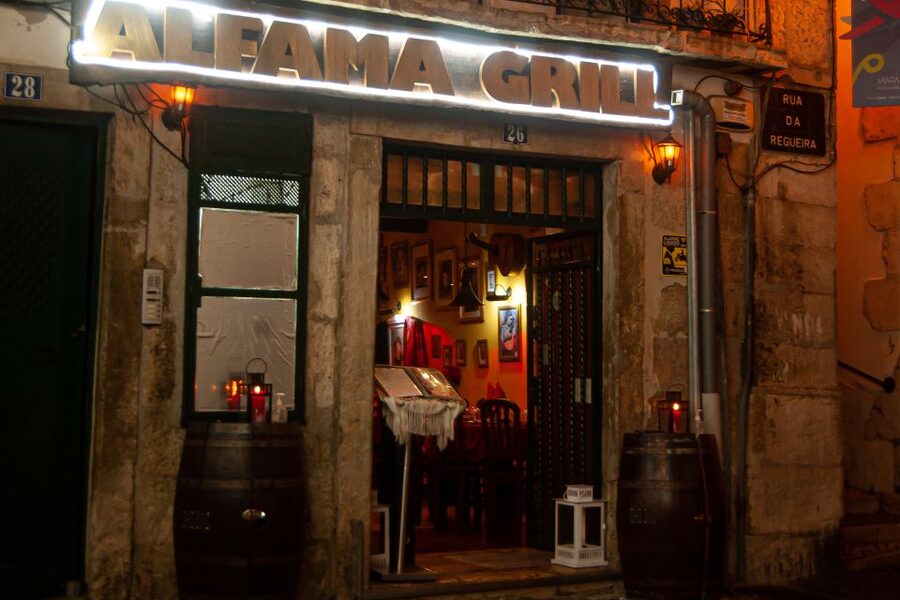
I like the way this experience joins street-level history with dinner and music, and I like the care shown by guides such as Miguel and Catalina. They explain the roots of Fado, point out viewpoints, and help the group get home afterward. The main drawback is the walking: steep lanes, many steps, and uneven cobblestones can be hard work, especially for anyone with limited mobility.
Key points to know before booking
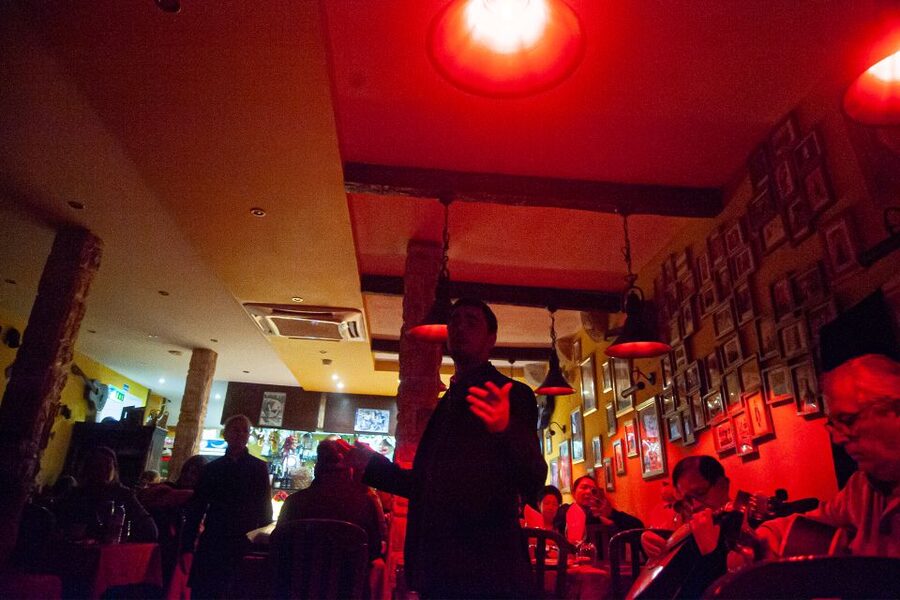
- Fado begins in its own neighborhood: The walk through Mouraria and Alfama connects the music to the streets where it developed in the early 19th century.
- The evening is more than a concert: You receive a guided walk, a set Portuguese meal, one drink, and live Fado for $58.
- Miguel is a frequent guide: He is praised for clear storytelling, dry humor, patience, and helping people find taxis or their way back.
- Expect serious uphill walking: The route can include roughly 100 steps up and another 100 down, with hills and cobbles along the way.
- Dinner is simple and filling: Choices can include chicken, mixed meat, cod with cream, octopus rice, or a vegetarian dish.
- The music is the heart of the night: Portuguese guitar, heartfelt singing, and a small Fado house create the strongest part of the experience.
Why the Alfama setting matters
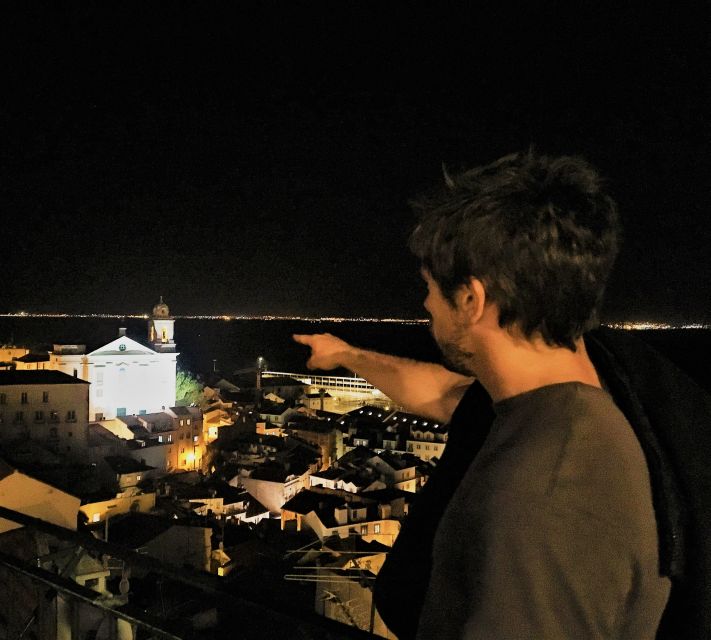
Fado is not simply background music for a Portuguese meal. It is a mournful urban song tradition tied closely to Lisbon, and Alfama and Mouraria are central to its story. Fado was added to UNESCO’s Representative List of the Intangible Cultural Heritage of Humanity in 2011.
That cultural setting is the reason I find this tour more useful than simply booking a dinner show without context. Before you hear the singers, you walk through the old districts, hear about local customs, and learn how the music relates to Lisbon’s working neighborhoods and Portuguese identity.
You will not receive a musicology lecture. Instead, your guide explains the subject while leading you through narrow lanes and stopping at scenic viewpoints. The approach is practical and easy to follow. It gives you enough background to recognize the feeling and themes of Fado when the performance begins.
The walk also touches on present-day Lisbon. Some guides discuss how change and gentrification affect local residents. That makes the evening feel connected to a real neighborhood, not just an old quarter preserved for photographs.
Other fado nights in Lisbon:
- Lisbon: Live Fado Show with Port Wine in Historic Center
★ 4.7 · 4,166 reviews - Lisbon: Fado in Chiado Live Show
★ 4.6 · 3,095 reviews - Lisbon: Fado Show and Portuguese Dinner
★ 4.5 · 1,531 reviews
Meeting at Rossio Station
The tour begins inside Rossio Train Station, at the reception of Lisbon Destination Hostel on the second floor. Look for the hostel opposite the train ticket office. This is a central meeting point, but give yourself enough time to find the reception area inside the station.
There is no hotel pickup or drop-off. At the end of the evening, getting back to your accommodation is your responsibility. Some guides help with directions, and Miguel has been especially attentive about walking people downhill and flagging taxis when needed. Still, you should plan your return before the music starts.
The tour runs for about four hours, with starting times dependent on the date. You can check availability when booking, and cancellation is free up to 24 hours before the start time. A reserve-now, pay-later option is also available, which helps if your Lisbon plans are still shifting.
The Mouraria walk, one hour of old Lisbon
From Rossio, the group heads toward Mouraria and Alfama. The walking portion lasts about an hour, but the effort depends on the route and your pace. Lisbon’s old quarters are made for wandering, not for smooth, level walking.
You should expect narrow lanes, uneven paving, hills, and stairs. One group described climbing about 100 steps to a high point and then taking another set back down. Other accounts describe the pace as moderate, with breaks at viewpoints. Both descriptions can be true, since the difficulty will depend on the exact route and the makeup of the group.
The reward is a close look at Lisbon’s oldest districts. You pass through alleys and residential streets rather than seeing the neighborhood only from a coach window. The guide explains the history of Portugal, Lisbon, and Fado along the way.
This is also where the guide makes a large difference. Miguel is repeatedly praised for clear English, warm conversation, group checks, and careful attention to slower walkers. Catalina is also noted for explaining historical and cultural details and checking on people during dinner. Manuel and Leslie have received similar praise for their personable approach.
Large groups can be harder. One evening had more than 20 people, and the guide was sometimes difficult to hear without a microphone amid street noise. If you have hearing loss, stay near the guide and tell them early. The walk is more rewarding when you can follow the explanations instead of seeing it only as a route to dinner.
Viewpoints, steps, and the real physical effort
The viewpoints are a welcome part of the walk. You may stop for views over Lisbon and toward the water, which gives you a sense of how the old districts sit on the city’s hills. These pauses also break up the climb.
Do not book this as an easy stroll. The tour specifically warns that it is not suitable for people with reduced mobility. Comfortable shoes are essential, and shoes with a secure sole are a sensible choice for the cobbles.
I would also think about your energy for the rest of the evening. The dinner and concert are seated, but the first hour can still be demanding. If you have already spent the day climbing Lisbon’s hills, this may feel like a lot. On the other hand, if you enjoy seeing a city on foot and can manage stairs, the route gives you a better feel for Alfama than a quick taxi ride to a restaurant.
The group normally stays together, and good guides count people carefully. That matters in Alfama, where the lanes can be confusing and the pace of a mixed group can vary. Still, you should not wander off for photographs without telling the guide.
Other quarters worth walking in Lisbon:
- Alfama Tour in Lisbon Old Town
★ 5.0 · 4,936 reviews - Private Lisbon Sightseeing Tuk-Tuk Tour: Alfama, Belém & More
★ 5.0 · 4,277 reviews - Lisbon: Hills, Alfama, and Mouraria Tour by Electric Bike
★ 4.8 · 3,438 reviews - Best of Lisbon Walking Tour: Rossio, Chiado & Alfama
★ 4.9 · 2,700 reviews
A set Portuguese dinner in Alfama

Dinner lasts about two and a half hours and takes place in the Alfama area. The meal is a set menu, with a choice of main dish. The sample menu includes bread, chorizo, and olives to start, followed by grilled chicken, mixed meat, cod fish with cream, or octopus rice. Dessert is the dessert of the day.
Vegetarian choices are available, listed as salad or vegetarian pasta. If you have other dietary needs, check before booking because the information provided only confirms these vegetarian alternatives.
One glass of wine, beer, or a soft drink is included. Extra drinks cost more. This is useful to know because a long dinner with live music can easily lead to another round, and those additional drinks are not part of the $58 price.
The food is best viewed as a traditional, filling meal rather than a special tasting menu. Several people found it very good, while others felt the dishes were basic. One evening included tough pork and salty octopus rice. Another found the cod similar to a standard fish pie. Portions can also be generous.
That unevenness is the main value warning. If you are booking chiefly for fine dining, this is not the right choice. If you want a convenient Portuguese dinner included with a neighborhood walk and Fado show, the meal does its job well. You avoid having to choose a restaurant in an unfamiliar part of town, and you share the table with people from the group.
The dinner also gives the guide time to explain songs and answer questions. Miguel has sat near the group and discussed the music between performances. That personal contact is one reason the evening can feel more like an introduction to Lisbon than a standard meal package.
What the Fado house is like
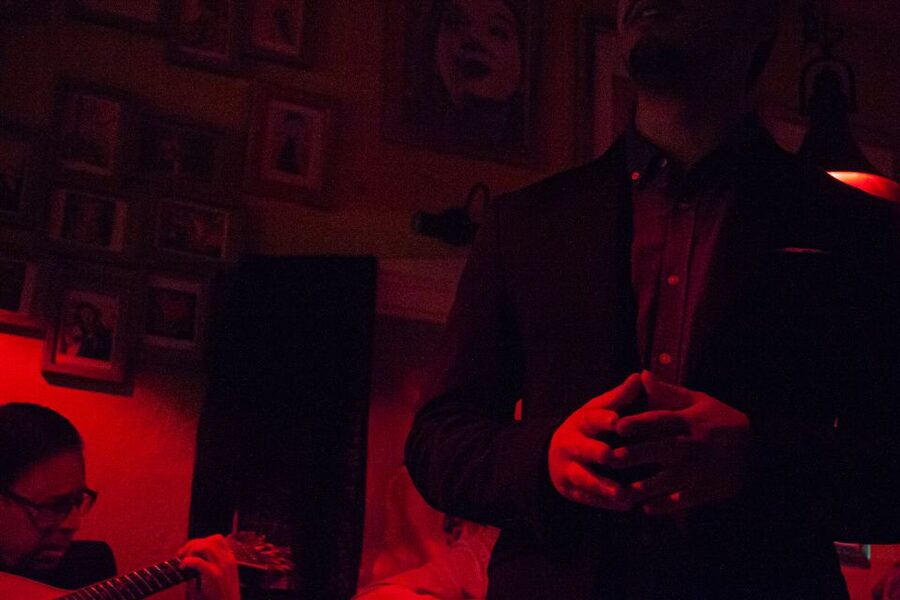
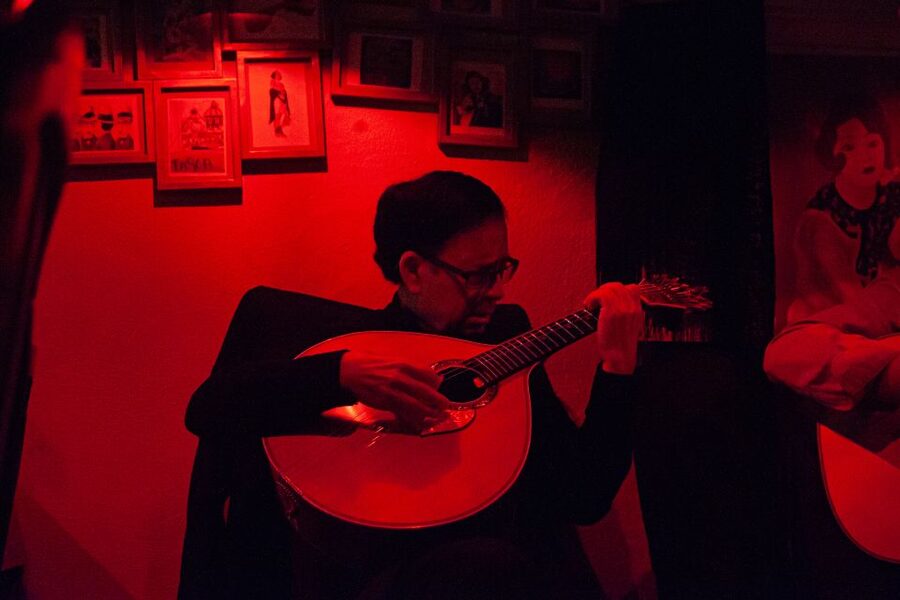
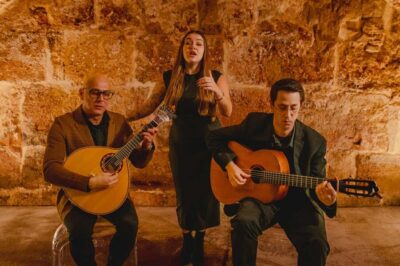
After the walk and dinner, you settle in for live Fado. The exact performers and venue can vary, but the format is a traditional Fado house with singers accompanied by Portuguese guitar and other musicians.
Fado often sounds sad or reflective. The emotional force comes from the singing and lyrics, not from spectacle. You do not need to know every word to appreciate the mood, but the earlier explanation of the genre helps you listen with more understanding.
The music is the strongest part of the evening for many people. The singers and musicians have been described as excellent, moving, and authentic. Some people wished each set included more songs, so do not expect an all-night concert. The schedule combines the performance with dinner and the walking tour.
The atmosphere is intimate and traditional rather than flashy. That suits Fado. A small room, a meal, and the sound of the Portuguese guitar can make the experience feel much more connected to Lisbon than a large theatrical production.
You may have the chance to buy a CD from a singer. That is optional, of course, but it can be a nice way to support the performers and take home music from the evening. Do not expect every artist to be available afterward, and do not plan your night around it.
Is $58 a fair price?
At $58 per person, the price is reasonable if you want all three parts: the walk, dinner, and show. Paying separately for a guided old-town walk, a meal, and a Fado performance could cost more, while also requiring you to organize the evening yourself.
The included drink helps, but the dinner is not the reason to choose this experience. The best value comes from the guide and the cultural link between the neighborhoods and the music. A strong guide can turn the walk into a useful introduction to Lisbon, while a less audible or overly rigid presentation may make the first hour less satisfying.
For solo visitors, this is a practical way to meet people at dinner without joining a party-focused night out. Couples and small groups also get an easy evening plan. The group size can be large, so this is not the right pick if you want a private guide or a quiet meal with no shared seating.
The reserve-now, pay-later option and free cancellation up to 24 hours before departure reduce the risk of booking. You still need to check the start time for your date, since it is not fixed in the information provided.
Guides make the difference
The repeated praise for Miguel is easy to understand. He is described as warm, patient, funny, attentive, and strong at explaining Portuguese history and Fado. He also watches the group carefully, waits for slower walkers, and helps people sort out transport afterward.
Catalina receives similar praise for detailed explanations and personal attention at the restaurant. Manuel and Leslie are also described as friendly and well prepared. Since the guide can vary, you should not book on the promise of one specific person unless the operator confirms that person for your date.
A good guide matters most in three places: during the noisy walk, when explaining Fado at dinner, and at the end of the night when people are splitting up. If the group is large, stand close and ask questions during a viewpoint stop rather than trying to hear from the back.
The guides also add local perspective beyond dates and names. Some explain current pressure on Lisbon residents, while others focus more on Portugal’s past and the origins of Fado. The experience is strongest when you ask questions and take part instead of treating the walk as a simple transfer to the restaurant.
Who should book this evening?

I would recommend it to first-time Lisbon visitors who want a broad introduction to the city in one night. You get old neighborhoods, Portuguese food, a short history lesson, and live music without having to coordinate separate bookings.
It is also a good fit if you are curious about Fado but do not know how to choose a venue. The guided context makes the performance easier to understand, and the local setting gives the music a stronger sense of place.
You should skip it if stairs are a serious problem, if you need a level route, or if you dislike group tours. It is also not ideal for anyone seeking an elaborate meal. Hearing loss may make the walking commentary difficult in busy streets, especially in a larger group.
Wear comfortable shoes, bring patience for hills, and keep your evening flexible after the show. You may walk back, take a taxi, or use a ride service, but return transport is not included.
Final call: a strong cultural evening with modest food
I would book this tour for the combination of Alfama’s steep old streets and live Fado, not for gourmet dining. The guide, the setting, and the music carry the experience, while the meal is a useful and filling part of the plan.
Choose it if you want an easy first encounter with Lisbon’s Fado tradition and can handle a demanding walk. Skip it if you need accessibility, quiet small-group guiding, or a high-end dinner. For most mobile visitors who want one atmospheric evening with real local context, $58 is a fair price.
FAQ
Where does the tour meet?
Meet at the reception of Lisbon Destination Hostel inside Rossio Train Station. Go to the second floor, where the hostel is opposite the train ticket office.
How long does the experience last?
The activity lasts about four hours. The walking tour takes approximately one hour, and dinner with the Fado experience takes about two and a half hours.
What languages are available?
The live guided tour is offered in English.
Is hotel pickup included?
No. Hotel pickup and drop-off are not included. You also arrange your own way back after the Fado performance.
What food is included?
Dinner is a set menu. The sample includes bread, chorizo, and olives, followed by grilled chicken, mixed meat, cod fish with cream, or octopus rice, with dessert afterward.
Are vegetarian options available?
Yes. Vegetarian options listed for the tour include salad or vegetarian pasta.
Is a drink included?
Yes. One glass of wine, beer, or a soft drink is included. Extra drinks are not included.
Is the tour suitable for people with reduced mobility?
No. The route involves considerable walking, steep sections, stairs, and cobblestones. Comfortable shoes are recommended, and the activity is not suitable for people with mobility impairments.
Just added in Lisbon
- From Lisbon: Horseback Riding on Comporta Beach★ 4.7 · 167 reviews
- Lisbon: City Highlights Segway Tour★ 4.9 · 422 reviews
- Lisbon: Street Art Tuk Tuk Tour★ 4.9 · 372 reviews
- Lisbon: Segway Medieval Tour of Alfama and Mouraria★ 4.9 · 420 reviews
- LISBON Street Art Tour★ 5.0 · 371 reviews
- Évora and Monsaraz with Regional Wine Tasting from Lisbon★ 4.5 · 229 reviews
- Évora and Megaliths Full-Day Tour from Lisbon★ 4.7 · 456 reviews
- Arrabida and Sesimbra Small-Group Day Trip from Lisbon with Wine Tasting★ 5.0 · 494 reviews
Fado Shows, compared.


Live Fado Show with Port Wine in Historic Center
Read our review →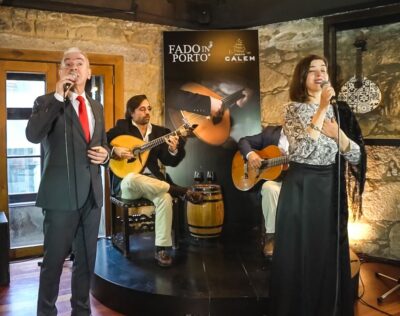

Authentic Fado Show, Port Wine & Handmade Instruments
Read our review →
Live Fado Concert with Glass of Tawny Port Wine
Read our review →
Browse the lists this tour appears in