
Reviewed · TOURS IN LISBON
Lisbon City Center Tour – The Unmissable Lisbon
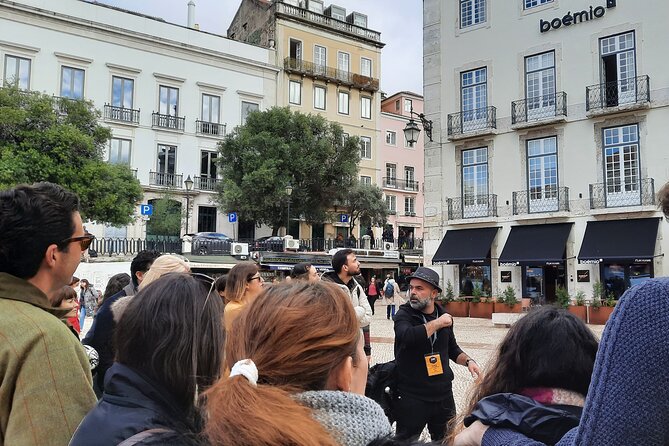
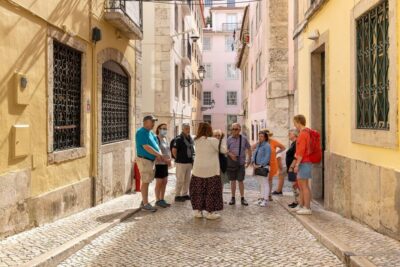
Lisbon’s best introduction may be on foot, moving from grand squares into streets too narrow for cars. This tour links Restauradores, Rossio, Chiado, Bairro Alto, and the Tagus waterfront while mixing major sights with small lanes and overlooked corners.
I like the pay-what-you-think model, which keeps the starting cost remarkably low at $3.62 per person. I also like the practical advice built into the walk. Guides including Miriam, Claudia, Hugo, Fernanda, and Ricardo are praised for humor, local suggestions, and strong storytelling.
The main caution is the amount of information. One guide reportedly gave long history talks that felt more like lectures than a city walk. Add uneven paving, steady walking, and Lisbon’s changeable weather, and comfortable shoes are essential.
Key points to know before you book
- A useful first-day route: The tour connects several central neighborhoods, making it a smart way to get your bearings soon after arrival.
- A strong local focus: You walk through alleys and streets that cars cannot use, rather than seeing Lisbon only from broad avenues.
- A history-heavy experience: The Jewish massacre memorial, Carmo, the Jesuit church, and the 1974 revolution all receive attention.
- A practical finish: The route ends at Praça do Comércio, a good point for continuing toward the Tagus or exploring downtown.
- A low-cost commitment: The listed price is $3.62 per person, with the option to pay what you think the tour was worth.
- A real walking tour: Expect about two and a half hours, uneven streets, and a group of up to 25 people.
Why this walking route works for first-time Lisbon visits
This is not a museum tour or a ride through the city. It is a long, steady walk through the central districts that most first-time visitors want to understand.
You begin at Praça dos Restauradores, beside Avenida da Liberdade, and finish at Praça do Comércio on the riverfront. Along the way, the route passes through Baixa, Chiado, and Bairro Alto. That sequence gives you a useful mental map of central Lisbon, especially if you are still working out how the hills, squares, and neighborhoods fit together.
I would put this tour near the start of a Lisbon stay. It helps you decide where to return later, where to eat, and which buildings deserve a closer look. Several guides also share recommendations for food and cultural activities, and one guide, Fernanda, sends a WhatsApp document with local tips after the walk.
The route is also a good match for a solo visitor. Small groups can make it easier to speak with the guide and ask questions. The official maximum is 25 people, so the actual feel may vary depending on the departure.
Other trips people book in Lisbon:
- Lisbon: Sintra, Pena, Regaleira, Cabo da Roca & Cascais
★ 4.7 · 19,656 reviews - Lisbon: Jerónimos Monastery Entrance Ticket
★ 4.1 · 14,164 reviews - Lisbon: History, Stories and Lifestyle Walking Tour
★ 4.8 · 10,902 reviews
Restauradores and the difficult stories near Rossio
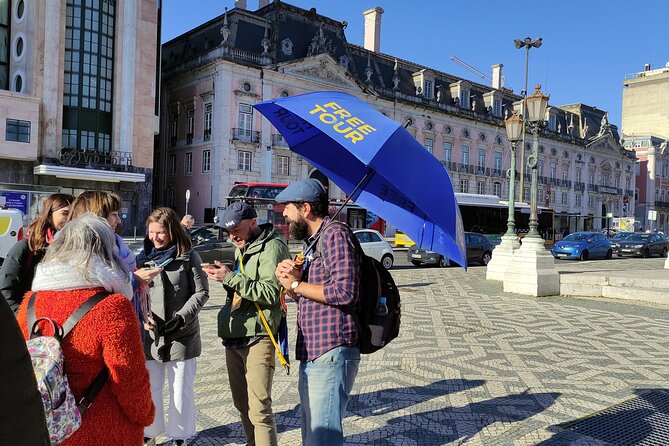
The tour starts at the Monumento dos Restauradores in Praça dos Restauradores. The square marks Portugal’s restoration of independence from Spain, and it sits at the lower end of the long Avenida da Liberdade.
This is a quick opening stop, but it gives the guide a useful place to explain Lisbon’s geography and Portugal’s political past. You are in a major city square, yet the tour soon leaves the broad avenue for more intimate streets.
Next comes Igreja de São Domingos. It is not one of Lisbon’s most ornate churches, and that is part of its meaning. The plain interior connects with themes of peace, tolerance, and unity. A guide may spend more time here than you expect because the church opens a door into the city’s religious and social history without relying only on decoration.
Nearby, the Memorial às Vítimas do Massacre Judaico de 1506 recalls the massacre of Lisbon’s Jewish population. This is one of the most important stops on the route because it asks you to look beyond postcard Lisbon. The subject is painful, and the visit may feel serious after the lighter opening moments.
The benefit is context. Lisbon’s past includes religious intolerance and violence, not only royal squares and grand buildings. If you prefer a quick overview with only a few facts at each stop, listen for the main point and do not feel obliged to remember every date.
Rossio Square and the station facade
Praça Dom Pedro IV, commonly called Rossio, is one of central Lisbon’s great public spaces. It has hosted events for more than six centuries, and its black-and-white paving gives the square the flowing pattern associated with Portuguese urban design.
The tour spends about ten minutes here. That is enough to understand the square’s role and look at the buildings around it, but not enough for a detailed architectural study. You will probably want to return on your own if you enjoy cafes, people-watching, or close views of the paving and fountains.
The nearby Rossio Station is a pleasant surprise. Its construction began in the nineteenth century, and the facade looks more like a decorative landmark than a transport building. The tour points out why its date and design are unexpected.
This is a good example of the walk’s value. You might pass through the station area while heading elsewhere and never realize what you are looking at. The guide turns an ordinary route into a series of visual clues.
Chiado, Santa Justa, and Largo do Carmo
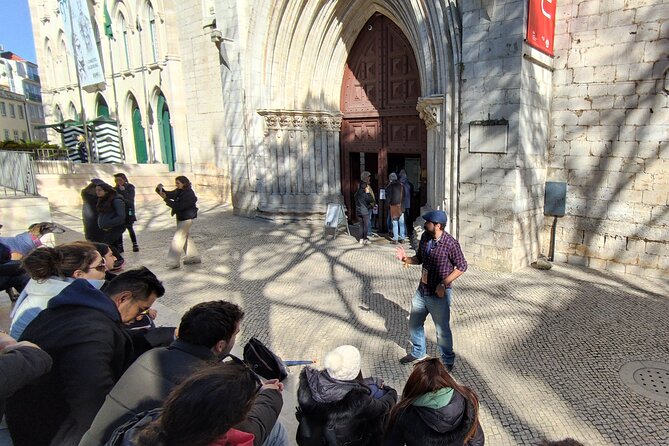
From Rossio, the walk heads toward Chiado, one of Lisbon’s most cosmopolitan districts. This is where the route begins to feel more layered. You move between commercial streets, older buildings, and changing elevations.
The Santa Justa Lift is a highlight for many people. Its iron structure is both public transport and city landmark. The group can access the free area of the lift, but the tour does not promise a full paid ride or a visit to every viewing level. That distinction matters, since you should not book this walk solely for an extended lift experience.
Still, seeing the structure from close range is worthwhile. The lift helps explain how Lisbon deals with its steep central streets, and its appearance is far more dramatic than the word transport suggests.
Largo do Carmo follows, and this is one of the most atmospheric places on the walk. The square has been a stage for political change and passionate revolutions. Its open setting and old buildings give the guide room to explain how public spaces become part of national events.
You may hear more than one version of the story depending on your guide. Claudia, Hugo, Ricardo, Miriam, and other guides are described as lively and personable, but each guide will have a different rhythm. Some build the stop around storytelling. Others lean toward dates and political background.
Same base, a different kind of day out:
- Lisbon: Sunset Boat Party Cruise with DJ and Open Bar
★ 4.5 · 10,378 reviews - Lisbon: Pena Palace, Sintra, Cabo da Roca, & Cascais Daytrip
★ 4.7 · 9,981 reviews - Lisbon: Oceanário de Lisboa Entrance Ticket
★ 4.6 · 9,943 reviews - True 4Hour Private Tuk Tuk Tour: Discover Lisbon with a Local!
★ 5.0 · 8,008 reviews
São Roque and Bairro Alto after dark
Igreja de São Roque is one of the tour’s most important interiors. Built in the sixteenth century, it was Portugal’s earliest Jesuit church and served as the Jesuits’ home church in the country for more than two centuries.
The church contains an especially valuable chapel. The tour allows about ten minutes here, so you should expect an introduction rather than a long, quiet visit. If the interior catches your attention, mark it as a place to revisit without the group.
The route then enters Bairro Alto, a neighborhood with more than 500 years of history and a long connection with Lisbon’s nightlife. During the day, its narrow streets can feel quiet and residential. At night, the same area becomes one of the city’s main entertainment zones.
That contrast is useful. You see Bairro Alto before making any evening plans, and you can decide if its narrow lanes and late-night energy suit you. The walk gives you orientation, not a nightlife crawl.
At Largo do Chiado, the route passes through the small transition between Chiado and Bairro Alto. This short stop helps you understand that Lisbon’s districts do not always have firm borders. A few steps can take you from a shopping area into a nightlife quarter.
Coffee, Pessoa, opera, and Rua Augusta
A Brasileira is one of the route’s most recognizable stops. The cafe is linked with the launch of coffee culture in Lisbon and with Fernando Pessoa, along with other writers and artists connected to the modernist magazine Orpheu.
You may not spend long inside, but the stop adds a literary side to the walk. It also gives you a reason to return later for coffee, provided you are prepared for a busy central location rather than a quiet neighborhood cafe.
The São Carlos National Theatre comes next. It remains Portugal’s only theatre devoted to producing and presenting opera, choral music, and symphonic music. The building offers another change of tone after the churches, political squares, and nightlife streets.
The route then reaches Rua Augusta, the main pedestrian street through downtown Lisbon. It is one of the city’s most active and attractive thoroughfares, lined with shops, restaurants, and grand facades. This section can feel crowded, especially at popular times, so keep close enough to hear the guide.
The walk is not designed for long shopping stops. Instead, you get the street’s role in the city and a clear route toward the river. If you want time for stores, food, or photographs, plan to return after the tour.
Praça do Comércio and the Tagus finish
The final stop is Praça do Comércio, one of Lisbon’s grandest squares. Here, the city opens toward the Tagus, and the route ends between the triumphal arch and the equestrian statue of King José I.
This is a strong finish because it gives you space after the tighter streets of Chiado and Bairro Alto. The square is also practical. From here, you can continue along the waterfront, explore the Baixa district, or use the area as a reference point for future walks.
The arch is the image that appears in many Lisbon guidebooks, but the tour gives it more meaning by placing it at the end of a route through the city’s older neighborhoods. You have moved from independence, religious conflict, and revolutionary history to the riverfront that shaped Lisbon’s trade and public life.
The tour ends between the arch and statue, not at a restaurant or transport station. That makes it easy to continue exploring, but you should make your own onward plan.
The guides and the tone of the experience
The guide makes a major difference here. Miriam is praised for humor, personal warmth, and useful suggestions for food and cultural stops. Claudia is described as engaging and organized, with a break built into the route and a concise finish. Hugo is praised for keeping the group interested even when heavy rain and fog reduced the photo opportunities.
Ricardo is noted for strong storytelling, energy, and clear passion for Lisbon. Silvestro is described as friendly, funny, and well prepared. Mariana, Odelia, Fernanda, and Marti are also associated with informative, approachable tours.
Those details point to a flexible experience rather than a single fixed performance. You may get a guide who tells compact stories at each site, or one who offers a large amount of background. One unhappy account found the opening talks too fact-heavy and left the group early.
That criticism is fair to consider. The tour covers a lot of ground and a long span of history in roughly two and a half hours. If you want only quick facts and photographs, the amount of information may feel heavy. If you like political, religious, and cultural context, the detail will be an advantage.
Price, pace, weather, and group size
At $3.62 per person, this is a low-cost way to spend part of your first day in Lisbon. The pay-what-you-think format also shifts some value judgment to you. You receive the walk at a small upfront price, then decide what it was worth.
That model works best if you understand what you are buying. There are no paid admissions listed for the stops, and the experience is built around the guide’s time, stories, and route planning. You are paying for orientation and interpretation, not attraction tickets.
The pace is steady. One account describes a little over two hours and a lot of walking on uneven streets. The listed duration is about two hours and thirty minutes, so allow the full time rather than planning a tight appointment immediately afterward.
Good walking shoes matter more than dressy clothes. Bring water, and check the forecast. Rain can limit photographs, although Hugo is credited with keeping the route interesting during heavy rain and fog.
Mobile tickets are provided, the tour is in English, and service animals are allowed. Most people can take part, but the uneven streets and length may not suit anyone who struggles with hills or extended walking. The group can contain up to 25 people, so ask questions promptly when the guide pauses.
Free cancellation is available until 24 hours before the start time. Cancellations within 24 hours are not refunded. Poor weather or failure to reach the minimum number can lead to a new date, another experience, or a full refund.
Who should book The Unmissable Lisbon?
I would choose this tour if you are visiting Lisbon for the first time, arriving with limited time, or want a clear introduction before exploring alone. It is especially useful for solo visitors, couples, and families with older children who can manage a long urban walk.
You should also book it if you enjoy stories about politics, religion, literature, and city life. The route is not just a checklist of monuments. It explains why certain squares matter and shows how Lisbon’s neighborhoods connect.
I would hesitate if you dislike group walking, prefer a quiet pace, or want long visits inside each church and landmark. The tour touches many places but does not give you extended free time at any one of them. The history can also feel dense under a guide who prefers long explanations.
For most first-time visitors, the value is strong. You get a city map in your head, local suggestions for the rest of your stay, and a route that moves from Restauradores to the Tagus without wasting time on car traffic.
FAQ
How long does The Unmissable Lisbon tour last?
The tour lasts approximately two hours and thirty minutes.
Where does the tour begin?
It begins at the Monumento dos Restauradores in Praça dos Restauradores, Lisbon.
Where does the tour end?
It ends at Praça do Comércio, between the Arch and the Equestrian Statue of D. José I.
What language is the tour offered in?
The tour is offered in English.
How much does the tour cost?
The listed price is $3.62 per person. The experience also uses a pay-what-you-think model, allowing you to pay what you feel it was worth.
What places does the route visit?
The route includes Restauradores, Igreja de São Domingos, the memorial to the victims of the 1506 Jewish massacre, Rossio Square, Rossio Station, Chiado, the Santa Justa Lift, Largo do Carmo, São Roque Church, Bairro Alto, Largo do Chiado, A Brasileira, São Carlos National Theatre, Rua Augusta, and Praça do Comércio.
Is the tour suitable for most people?
Most people can participate, but the experience involves a long walk on uneven streets. Service animals are allowed.
How large can the group be?
The maximum group size is 25 people.
Can I cancel for a refund?
You can cancel at least 24 hours before the start time for a full refund. Cancellations or changes made less than 24 hours before the start time are not refunded or accepted. If poor weather or an insufficient number of participants cancels the tour, you will be offered another date or experience, or a full refund.
Just added in Lisbon
- Lisbon: Street Art Tuk Tuk Tour★ 4.9 · 372 reviews
- Lisbon: Segway Medieval Tour of Alfama and Mouraria★ 4.9 · 420 reviews
- LISBON Street Art Tour★ 5.0 · 371 reviews
- Évora and Monsaraz with Regional Wine Tasting from Lisbon★ 4.5 · 229 reviews
- From Lisbon: Horseback Riding on Comporta Beach★ 4.7 · 167 reviews
- Lisbon: City Highlights Segway Tour★ 4.9 · 422 reviews
- Évora and Megaliths Full-Day Tour from Lisbon★ 4.7 · 456 reviews
- Arrabida and Sesimbra Small-Group Day Trip from Lisbon with Wine Tasting★ 5.0 · 494 reviews
Tours in Lisbon, compared.
Sintra, Pena, Regaleira, Cabo da Roca & Cascais
Read our review →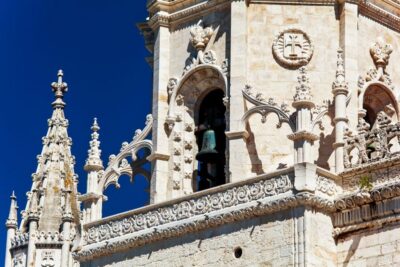

Sunset Boat Party Cruise with DJ and Open Bar
Read our review →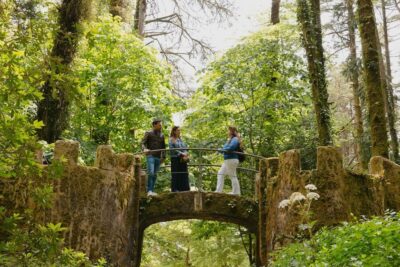
Pena Palace, Sintra, Cabo da Roca, & Cascais Daytrip
Read our review →
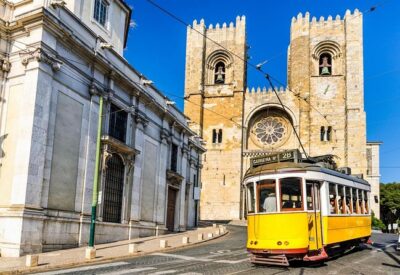
True 4Hour Private Tuk Tuk Tour: Discover Lisbon with a Local!
Read our review →
Sintra and Cascais Small-Group Day Trip from Lisbon
Read our review →Browse the lists this tour appears in