
Reviewed · TOURS IN LISBON
Lisbon Awakens: A Culinary Crossroads, Reborn.
Lisbon Awakens uses food to explain how Portugal shaped, and was shaped by, the wider world. Over about five and a half hours, you walk through Estrela and Campo de Ourique, stopping for Portuguese specialties, drinks, and stories that link convent sweets, spices, overseas trade, neighborhood cooking, and modern Lisbon.
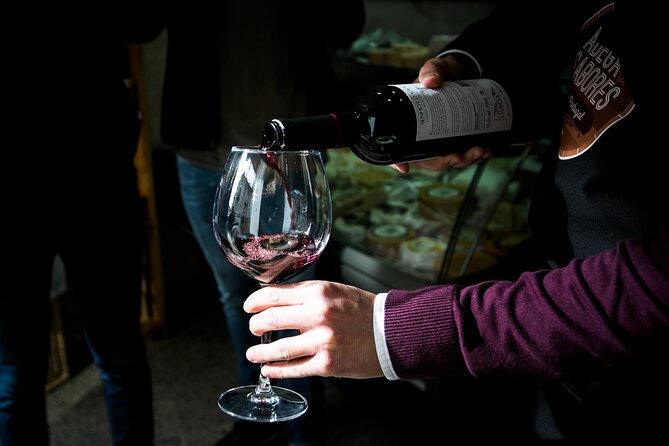
I like the seven-person maximum, which keeps the walk personal and makes it easier to ask questions. I also like the generous amount of food: coffee, sweets, savory dishes, wine, spirits, and market samples can add up to a full meal. The main caution is simple: do not eat a large breakfast, and tell the operator about allergies or dietary restrictions before you go.
Key points at a glance
- A full meal in small portions: Coffee, pastries, savory food, wine, spirits, and sweets are spread across several stops.
- Estrela and Campo de Ourique: You see a quieter side of Lisbon, away from the city’s most visited central streets.
- History you can taste: Portuguese exploration, former colonies, spices, convent baking, and local traditions all enter the conversation.
- A guide-led neighborhood walk: Kika, Inês, Gisela, Laura, Celia, and other local guides have led this experience.
- A useful first-day activity: The food knowledge can help you choose what to eat for the rest of your stay.
- A five-hour commitment: The pace is generally easy, but you need to allow most of a morning and afternoon.
Why food is the best way into this Lisbon neighborhood

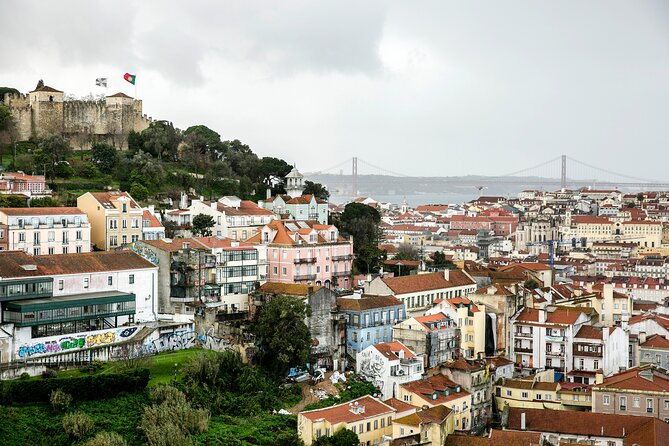
Many Lisbon food walks stay close to the old center. Lisbon Awakens takes a different route, beginning at Jardim da Estrela and moving through Campo de Ourique. That choice matters. You get churches, a neighborhood market, local food shops, and ordinary city life rather than a parade of famous sights.
The tour also treats Portuguese food as a record of contact. The stories connect spices and ingredients with Portugal’s seafaring past and former colonies. You may taste food influenced by those connections while hearing how local customs, trade, and migration shaped the table.
That broad view is the strongest reason to book this experience. It is not simply a pastry crawl. The food gives the guide a reason to explain Portugal’s role in world history, then bring the subject back to Lisbon’s streets and kitchens.
The five-and-a-half-hour length gives the guide room to slow down. You can sit, ask questions, and let one stop lead into the next. At the same time, this is not a quick orientation walk. If your Lisbon visit is short, set aside most of a day.
Other trips people book in Lisbon:
- Lisbon City Center Tour – The Unmissable Lisbon
★ 5.0 · 22,234 reviews - Lisbon: Sintra, Pena, Regaleira, Cabo da Roca & Cascais
★ 4.7 · 19,656 reviews - Lisbon: Jerónimos Monastery Entrance Ticket
★ 4.1 · 14,164 reviews
Meeting at Jardim da Estrela
The tour begins at Jardim da Estrela, at Praça da Estrela, 1200-667 Lisboa. The park makes a pleasant starting point, and the Basilica da Estrela is close by. Arrive early if you want to look at the basilica across from the park entrance before the group sets off.
The opening section focuses on the way food, religion, and Portuguese history overlap. Convent baking and church traditions help explain why sweets are such a visible part of Portuguese cuisine. Spices also enter the story, giving you a reason to think beyond the pastry case and consider how ingredients reached Portugal.
A guide such as Kika, a former teacher, may make this part feel more like a lively lesson than a formal lecture. Inês, Gisela, Laura, Celia, and other local hosts have also led the walk, so the exact personality and rhythm can vary by date. The common thread is a guide who explains the food while placing it in a larger cultural setting.
The basilica stop is listed at about one hour, with no admission charge. That does not mean you spend the whole hour inside the church. Expect the area around the basilica and park to serve as the first setting for stories, introductions, and early tastes.
Coffee, sweets, and the first bites
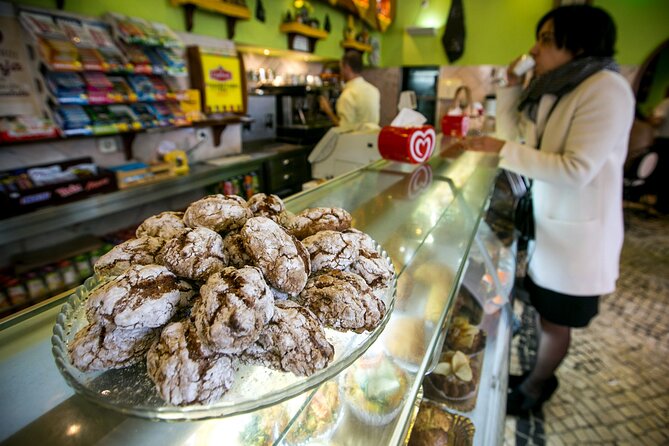
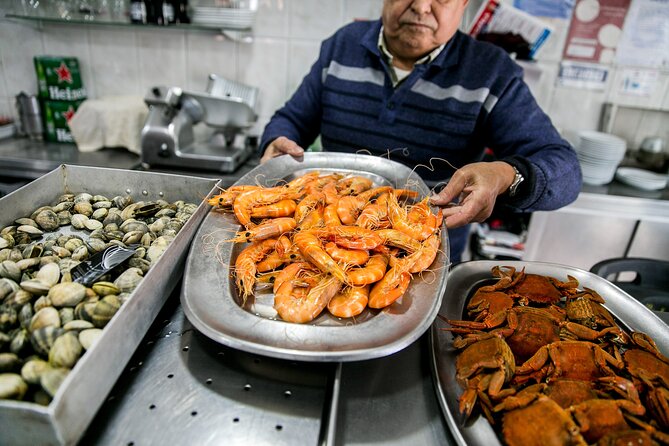
The opening food is meant to get the day moving. One version of the walk began with espresso and banana bread in the park. Other food stops include coffee, sweets, and small Portuguese specialties. The exact menu can change, so think of the experience as a guided progression rather than a fixed restaurant meal.
You may start with something sweet before moving toward savory food. That sequence is useful because it lets you compare the role of breakfast, café culture, pastry, and later meals. It also explains why the repeated advice is to skip a large breakfast.
The portions are described as samples, but there are enough of them to create a substantial meal. You should arrive hungry without arriving uncomfortable. A light snack several hours before may suit you better than no food at all, especially if you do not normally eat a large number of samples in one sitting.
If you have allergies or dietary restrictions, send the information before the tour. One participant with a dislike of fish received an additional plate outside the planned menu, but you should not assume every request can be handled on the day. Advance notice is the sensible approach.
Mercado de Campo de Ourique, Lisbon’s neighborhood table
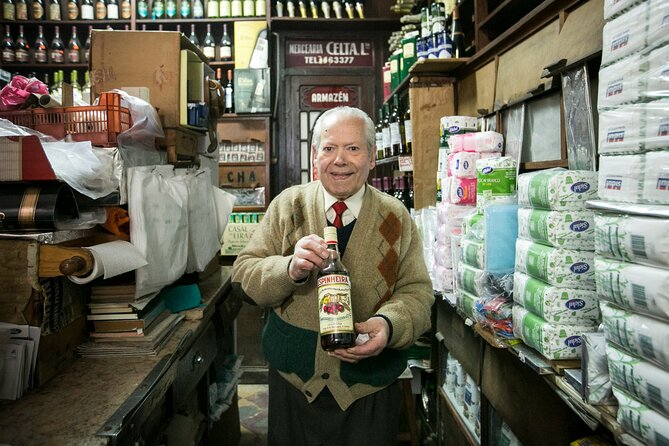
The walk continues to Mercado de Campo de Ourique, a compact market in a neighborhood known for traditional food shops. The scheduled visit is about 45 minutes, though the overall food experience includes other stops as well.
This is one of the most useful parts of the walk for anyone who wants to eat independently later. A guide can show you how a local market fits into neighborhood life, explain what you are tasting, and point out the difference between a market designed mainly for daily shopping and one aimed at sightseers.
Expect a mix of samples rather than a single formal meal. One account describes coffee, wine, spirits, and Portuguese dishes across the day, with several samples at the market. Another highlights a market vendor named Fred, who provided tastes and offered snacks to take home.
Do not expect the market to be a grand central food hall. Its appeal is its scale and local setting. You are visiting a small, interesting market as part of a walk through Campo de Ourique, not spending an afternoon browsing every stall.
This stop also adds a practical benefit. After the tour, you may feel more comfortable entering a Portuguese food shop or market on your own. You will have context for what you see, and perhaps a better idea of which snacks or drinks appeal to you.
Same base, a different kind of day out:
- Lisbon: History, Stories and Lifestyle Walking Tour
★ 4.8 · 10,902 reviews - Lisbon: Sunset Boat Party Cruise with DJ and Open Bar
★ 4.5 · 10,378 reviews - Lisbon: Pena Palace, Sintra, Cabo da Roca, & Cascais Daytrip
★ 4.7 · 9,981 reviews - Lisbon: Oceanário de Lisboa Entrance Ticket
★ 4.6 · 9,943 reviews
Jardim da Parada and the custard tart lesson

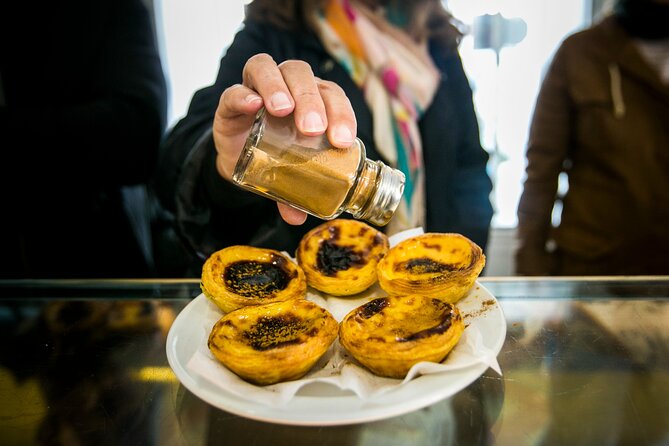
Jardim da Parada provides a pause from indoor food stops. The tour spends about 45 minutes here, tasting custard tarts while taking in 19th-century tiles and mature trees.
The setting changes the way the food feels. A pastel de nata is easy to rush through at a café counter. Eating one in a garden gives the guide time to explain why custard tarts matter and lets you pay attention to texture, sweetness, pastry, and the social habit of stopping for something small.
The garden also gives the group a chance to sit and ask questions. That matters on a long food walk. You are not expected to march from one bite to the next without a break.
There is no promise that this will be the only pastry of the day. Sweets appear at several points, and the tour’s food moves between sweet and savory. If you have a serious sweet tooth, this section should be a highlight. If you prefer wine, meat, or fish to desserts, the balance later in the walk becomes more important.
Igreja do Santo Condestável and a different side of Campo de Ourique
The final named stop is Igreja do Santo Condestável, a newer Gothic church in a neighborhood associated with artists and writers. The scheduled time is about 25 minutes.
This stop helps keep the experience from becoming a series of disconnected tastings. The church and surrounding neighborhood add architecture and local identity to the food story. You see that Lisbon’s character is not confined to its oldest monuments.
The church is also a useful reminder that Campo de Ourique is not only a food destination. It is a residential area with its own institutions, shops, public spaces, and cultural associations. The tour’s value comes partly from seeing those pieces together.
The exact order of food stops and sights may vary, and the named itinerary does not spell out every restaurant or snack stop. That is worth knowing if you want a precise menu in advance. The strength here is the guide’s ability to connect the places and tastes, not a guaranteed list of particular dishes.
What the guides add to the experience
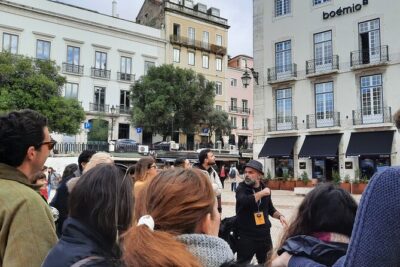
The guide can make or break a food walk, and this experience appears designed around the host rather than a script read at each stop. Kika, also known as Francesca, is a former teacher who has led the tour. Inês has been described as a Lisbon native with a strong grasp of the city’s past and present. Gisela, Laura, Celia, Martim, and other guides have also hosted dates.
You should expect differences in storytelling style. One guide may focus more on Portugal’s global role, another on neighborhood life, and another on food and drink. That variety is normal for a small operator with several local hosts.
The best guides on this route do more than name ingredients. They explain why a dish exists, how an ingredient arrived, and what the food says about Portuguese society. They also make space for questions, which is especially helpful if you are unsure about wine, spirits, fish, pastries, or unfamiliar customs.
A small group of no more than seven gives you a better chance to speak with the guide. It also makes the walk less awkward at small shops and food counters. The tradeoff is that the tour may feel more conversational and less tightly scripted than a large commercial excursion.
How much food do you really get?
Plan on enough food for lunch, and possibly more. The stops can include coffee, banana bread, custard tarts, savory dishes, fish, meat, wines, spirits, and other Portuguese specialties. Exact offerings are not fixed in the information provided, so do not book this expecting a printed tasting menu.
The variety is a major strength. You are not judging Lisbon cuisine from one dish. You move among sweets, drinks, market food, and traditional dishes, with explanations of influences from Portugal and former colonies.
The food can also be social. Several stops allow time to sit, talk, and ask about the city. That makes the day feel less like a contest to collect bites and more like an introduction to how people eat.
Still, anyone with a limited diet should plan carefully. Send allergies and restrictions before booking, then remind the guide at the start. The operator may be able to adjust some items, but the available information does not guarantee a substitute for every dish.
Is $150 a fair price?
At $150 per person, this is not a cheap way to grab lunch. You are paying for about five and a half hours, a group capped at seven, multiple tastings, drinks, neighborhood access, and a guide who provides the historical and cultural context.
The value improves if you use the tour as an introduction to the rest of your Lisbon stay. Book it early, and you can apply the guide’s advice to later meals, markets, cafés, and food choices. Several people specifically found it useful as a first-day activity for that reason.
The price is harder to justify if you want only a quick tasting or if you are comfortable finding Lisbon’s food scene alone. You could spend less by eating at markets and cafés independently. You would not get the same sequence, explanations, or access to a host’s local knowledge.
For me, the strongest value is the combination of time and interpretation. The food alone may not justify $150 for every budget, but a half-day of eating, walking, history, and neighborhood context is a different product from lunch.
Walking, timing, and practical details
The experience begins and ends at Jardim da Estrela. It is near public transportation, which makes the meeting point manageable from other parts of Lisbon. The walk has been described as easy, though it still lasts several hours and includes time on your feet.
Wear comfortable shoes and leave room in your schedule. The named stops account for nearly three hours, and the full experience lasts about five and a half hours, allowing for walking, food, conversation, and additional tastings.
The tour is offered in English and uses a mobile ticket. Confirmation arrives when you book. Most people can take part, but anyone with mobility concerns should consider the length of the outing and ask the operator for current details before reserving.
The group requires a minimum number to operate. If poor weather cancels the walk, or the minimum is not met, you can be offered another date or experience, or receive a full refund. You can cancel for a full refund up to 24 hours before the start time. Inside that window, the payment is not refunded and changes are not accepted.
Who should book Lisbon Awakens?
I would choose this tour for a first or second day in Lisbon, especially if you want food to help you understand the country. It suits people who enjoy conversation, history, local neighborhoods, and several small tastings more than people who want a single polished restaurant meal.
It is also a good match for couples, small groups of friends, and solo visitors who prefer a limited-size walk. The seven-person cap keeps the setting friendly without making it feel like a private tour.
Families and older visitors may find the easy pace helpful, but the five-hour length still matters. Anyone who dislikes long food outings, drinks alcohol, or has strict dietary limits should ask questions before booking.
Should you book it?
Book Lisbon Awakens if you want a food-and-history introduction to Lisbon, not just a list of tastings. The route through Estrela and Campo de Ourique gives you churches, gardens, a neighborhood market, local food shops, and stories that reach far beyond the plate.
Skip it if you prefer to plan every dish yourself or want a short, inexpensive snack tour. For everyone else, the small group, substantial food, and strong guide-led storytelling make $150 easier to defend, especially when you schedule it early enough to use the advice for the rest of your stay.
FAQ
How long does Lisbon Awakens last?
The experience lasts approximately 5 hours and 30 minutes.
How much does the tour cost?
The price is $150 per person.
Where does the tour begin and end?
It begins at Jardim da Estrela, Praça da Estrela, 1200-667 Lisboa, Portugal, and ends back at the meeting point.
How large is the group?
The tour has a maximum of seven participants.
What language is the tour offered in?
The experience is offered in English.
Which places are included?
The named stops are Basilica da Estrela, Mercado de Campo de Ourique, Jardim da Parada, and Igreja do Santo Condestável.
Should I eat breakfast before the tour?
You should avoid a large breakfast because the tastings can add up to a generous meal. Arrive ready to eat, and send any allergies or dietary restrictions before the tour.
What happens if I need to cancel?
You can cancel up to 24 hours before the start time for a full refund. Cancellations or changes made less than 24 hours before the start time are not accepted for a refund.
Just added in Lisbon
- From Lisbon: Horseback Riding on Comporta Beach★ 4.7 · 167 reviews
- Lisbon: City Highlights Segway Tour★ 4.9 · 422 reviews
- Lisbon: Street Art Tuk Tuk Tour★ 4.9 · 372 reviews
- Lisbon: Segway Medieval Tour of Alfama and Mouraria★ 4.9 · 420 reviews
- LISBON Street Art Tour★ 5.0 · 371 reviews
- Évora and Monsaraz with Regional Wine Tasting from Lisbon★ 4.5 · 229 reviews
- Private Lisbon-Arrábida Wine Tour: 3 Wineries, Coast & Heritage★ 5.0 · 450 reviews
- Évora and Megaliths Full-Day Tour from Lisbon★ 4.7 · 456 reviews
Tours in Lisbon, compared.
Lisbon City Center Tour – The Unmissable Lisbon
Read our review →
Sintra, Pena, Regaleira, Cabo da Roca & Cascais
Read our review →

Sunset Boat Party Cruise with DJ and Open Bar
Read our review →
Pena Palace, Sintra, Cabo da Roca, & Cascais Daytrip
Read our review →
True 4Hour Private Tuk Tuk Tour: Discover Lisbon with a Local!
Read our review →Browse the lists this tour appears in