
Reviewed · AZORES ISLAND HOPPING
Tours on Pico Island – Cultural and Natural Landscape
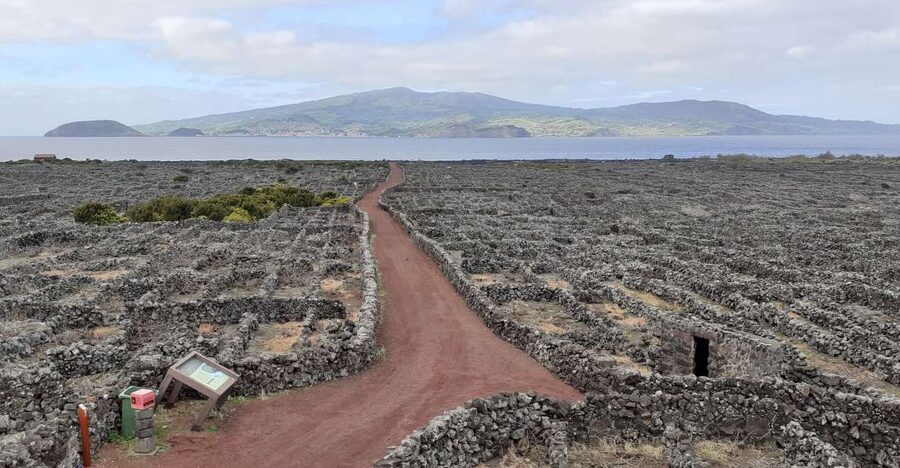
Pico’s appeal comes from its contrasts: black lava beside green fields, grapevines growing in stone-walled plots, and small coastal towns shaped by whaling and the sea. This full-day drive gives you a useful view of the island without asking you to solve the rental-car puzzle yourself. Norberto, the usual guide, brings local stories and a calm driving style to the route.
I especially like the wide range of stops, from Lagoa do Capitão to the UNESCO-listed vineyard area, and the way the tour connects scenery with work and local life. I also like the flexible feel: solo guests are accepted, groups are limited to eight, and several people found that Norberto allowed plenty of time at stops. The main consideration is the length. At 8.5 hours, this is a full day in a vehicle, not a short sightseeing outing.
Key points to know before booking
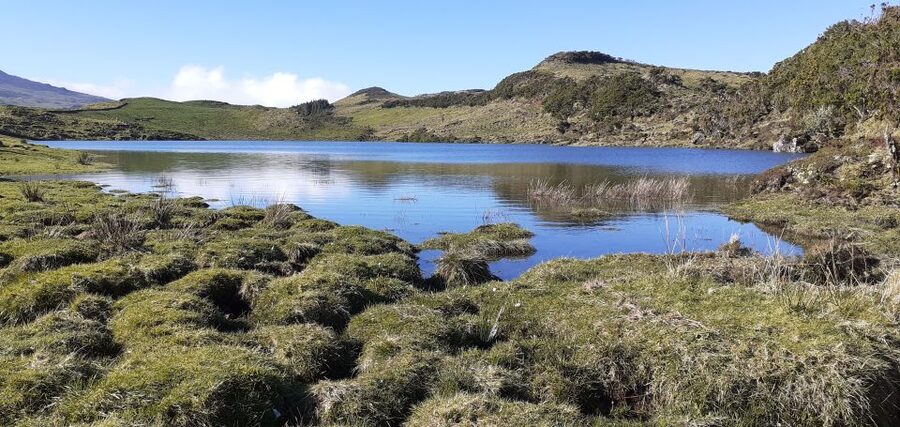
- Lagoa do Capitão gives you a mountain-side look at Pico’s native plant life, with scenery that feels different from the coastal villages.
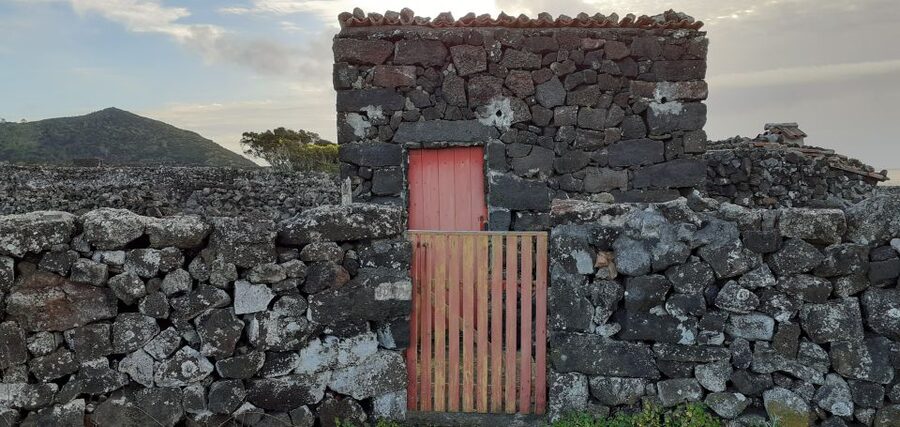
- The vineyard country is a major reason to take the tour, with UNESCO recognition and stone-lined plots shaped by volcanic ground.
- Cachorro and Lajido reveal Pico’s lava coast, where old flows meet the sea in striking forms.
- The Whaling Museum adds human context, helping you understand an industry that shaped Pico’s towns and families.
- Norberto is praised for safe driving, local stories, and patience, including with solo guests and visitors needing extra assistance.
- The $111 price covers more than transport, including pickup, entry visits, insurance, and a live guide, but meals remain your responsibility.
One day to understand Pico Island
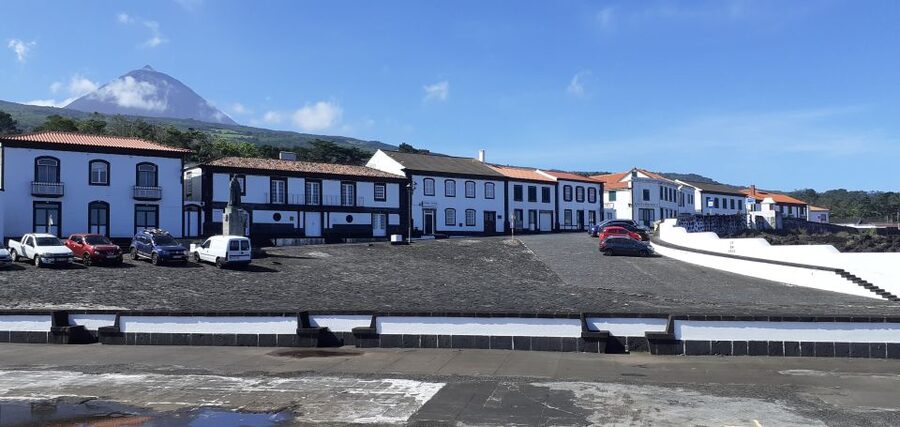
Pico can look compact on a map, but its character changes as you move around the coast and inland. This tour follows Estrada Regional roads 1 and 2 along the north and south sides, linking the three main towns of Madalena, São Roque do Pico, and Lajes do Pico.
That route matters. You are not simply driving from one attraction to another. You are seeing how the island’s settlements, fields, volcanic ground, and maritime traditions fit together. Norberto provides the background that turns a scenic drive into a clearer picture of Pico.
The group size is limited to eight people. That is small enough for a more personal day, yet large enough to keep the price lower than a private tour. Solo guests can book, which is useful on Pico, where arranging an efficient island-wide day alone can be awkward.
The van is described as clean, comfortable, and spacious, with safe, unhurried driving. That helps because the day includes a lot of road time. You can watch the scenery instead of focusing on directions, parking, and ferry timing.
Other islands to reach from Azores:
- Pico Island: Whale Watching Experience from Lajes
★ 4.9 · 492 reviews - Terceira: Algar do Carvão Lava Caves Tour
★ 4.7 · 305 reviews - Azores: Terceira Island Full-Day Tour
★ 4.7 · 291 reviews
Lagoa do Capitão and Pico’s interior
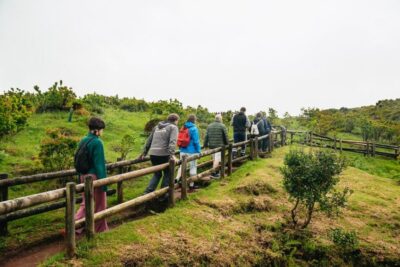
Lagoa do Capitão is one of the early highlights and one of the most distinctive stops on the route. Here, you can see endemic vegetation and experience a side of Pico that is not limited to the coast.
The setting gives you a sense of the island’s higher ground and changing plant life. On a clear day, this should be one of the more rewarding places for broad views and photographs. On a cloudy or wet day, the mood will be quieter and the views may be limited. One useful sign of the guide’s flexibility is that Norberto has adjusted the route when fog spoiled a stop, adding another sight instead.
You should bring a light rain layer even if the morning looks fine. The Azores weather can shift, and one guest described the tour continuing successfully in rain. The route is designed to work as an island overview, not as a single weather-dependent viewpoint, so a gray spell does not erase the value of the day.
Lagoa do Capitão also helps balance the coastal subjects later on. You get nature first, then vineyards, lava, villages, and whaling culture. That variety keeps the long day from becoming a string of similar viewpoints.
The UNESCO vineyard country
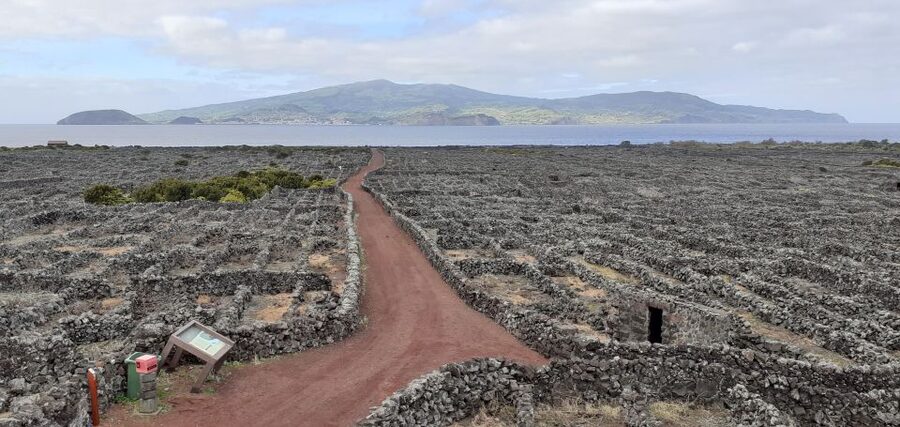
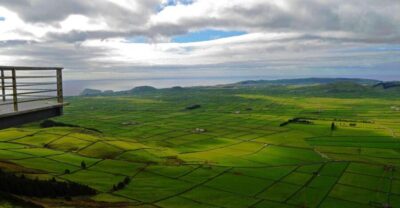
Pico’s Vineyard Culture Landscape is the tour’s strongest cultural sight. The vineyards are not presented as ordinary farmland. They are part of a highly distinctive system shaped by volcanic rock, coastal exposure, and generations of local work.
The black stone walls are central to the character of the area. They divide small growing plots and help protect the vines from the island’s conditions. The result is a vineyard setting unlike the broad, open wine fields you might know from mainland Portugal or other European wine regions.
You will likely get more from this stop if you pay attention to the work behind the view. The point is not only that vines grow on Pico. It is that people made productive plots from rough volcanic ground, and that this method became important enough to receive UNESCO World Heritage status.
Norberto’s commentary is especially useful here because the tour connects wine production with present-day island life. He also explains how the island’s Mistérios, areas formed by volcanic eruptions and lava flows, affected where people could live and work. The exact stop sequence can vary, but the connection between volcanic ground and vineyard culture is one of the day’s main lessons.
If you want a wine tasting specifically, check before booking. The supplied details confirm the vineyard route, but they do not promise a tasting or wine purchase. Food and drinks are not included, so plan for your own meal and beverages.
Cachorro, Lajido, and the lava coast
At Cachorro and Lajido, the tour turns toward Pico’s volcanic coast. These places show how lava shaped the island in a direct, visible way. Vast lava fields reach toward the sea, creating a hard, dark setting that contrasts sharply with the vegetation and vineyards.
This is not a soft seaside excursion. The attraction is the texture and force of the volcanic ground: rough rock, irregular formations, and the meeting of land and water. You may find these stops more interesting than a standard viewpoint because they explain what makes Pico physically different from a typical Atlantic island.
The guide’s role is important here. A lava field can look like a pile of black rock if you do not know what you are seeing. With local explanation, you gain a better sense of how eruptions influenced roads, farms, homes, and the island’s Mistérios. The tour description promises historical information and present-day facts, so expect interpretation rather than a silent photo stop.
Comfortable shoes are a sensible choice. The information does not specify walking distances or trail conditions, so you should not treat this as a demanding hike. Still, lava surfaces can be uneven, and sensible footwear will make short walks easier.
Same base, a different kind of day out:
- Islet Tour- Ilhéu de Vila Franca do Campo
★ 4.8 · 471 reviews - Private Terceira Island Full Day Tour
★ 5.0 · 250 reviews - Horta: University Startup Whale and Dolphin RIB Boat Trip
★ 4.9 · 225 reviews - Faial Island: Full Day Tour – Nature and Local Culture
★ 5.0 · 213 reviews
Madalena, São Roque do Pico, and Lajes do Pico
The three towns give the day a useful human scale. Madalena, São Roque do Pico, and Lajes do Pico each sit within the larger story of the island, and the route allows you to see more than one coastal community in a single day.
Madalena is also important for transport planning. The tour can meet visitors at the ferry, and several guests used the experience as a way to see Pico before returning to Faial. Flexible pickup and drop-off arrangements were repeatedly valued, though you should confirm your exact meeting point when booking.
São Roque do Pico and Lajes do Pico bring you closer to the island’s maritime past. The route is not limited to famous photo locations. You are shown places connected to whaling, local work, and the practical life of coastal communities.
Do not expect a long guided walking tour in each town. The day covers a large part of Pico, so the emphasis is on selected places, short explorations, and commentary during the drive. That is a strength if you have only one day. It is less suitable if you want to linger in one village for hours.
Whaling culture and the museum visit
The Whaling Museum is one of the most valuable stops because it gives context to the coast. Pico’s relationship with whaling was not a small footnote. It affected employment, family life, local identity, and the development of coastal communities.
The museum visit adds substance to the scenery. After seeing the ocean and the old whaling areas, you have a place where that story can be explained through exhibits and objects. The tour includes entry visits, so the museum is part of the paid experience rather than an extra admission cost.
The subject can be difficult. Whaling is tied to the island’s past, but it also raises questions about wildlife and changing attitudes. A good visit should help you understand that local history without polishing away its harder parts. Norberto’s role is useful because he presents both historical information and facts about Pico today.
This stop also makes the tour more than a nature outing. You see how people made a living from the same sea that now draws visitors for scenery and marine activities. For me, that connection between environment and work is one of the most worthwhile features of the day.
What the guide adds to the day
Norberto receives the strongest praise for three things: his local knowledge, his considerate manner, and his driving. Guests describe him as proud of Pico and generous with personal stories. He is also noted for taking time at stops instead of rushing everyone back into the van.
That patience can change the feel of a full-day tour. You are not simply being moved through a fixed checklist. When a place deserves a few extra minutes, there is some room to look around. One solo guest also appreciated that the tour accepts individual bookings, rather than requiring a larger party.
Norberto has been especially helpful with practical needs. He adjusted pickup locations, helped a partially sighted mother and daughter, and made sure one visitor reached the ferry on time. These details suggest a guide who pays attention to the day as it is actually unfolding.
Of course, a small-group tour still has limits. You are sharing the vehicle and the schedule with other people, and the tour covers much of the island. If you want complete control over every stop, a rental car or private arrangement may suit you better. If you want local direction and a safe driver, the trade-off is favorable.
Is $111 good value?
At $111 per person, the tour is not the cheapest way to spend a day on Pico. But the price includes hotel pickup and drop-off, transfers to and from public transportation, entry visits, insurance, and a live guide in English or Portuguese.
You are also paying for the time and planning needed to connect sites around the island. A rental car may look cheaper on paper, but you would need to arrange the route, parking, fuel, museum admission, and ferry timing yourself. You would also lose the local explanations that connect the vineyard walls, lava fields, and whaling sites.
Food and drinks are not included. You should budget for lunch separately. One guest chose a buffet restaurant costing about 13 euros per person, including drinks, but that is an example rather than a promised part of the tour. Norberto offers restaurant choices, yet the final meal arrangement is not specified in the booking details.
For a first day on Pico, I consider the price fair if you value convenience and interpretation. It is particularly good value for solo guests, visitors without a rental car, and anyone using the ferry between Pico and Faial.
Timing, comfort, and practical limits
The experience lasts about 8.5 hours, with the itinerary itself described as roughly eight hours. That difference is not surprising once pickup, drop-off, and transport connections are included. Plan for a full day and avoid scheduling another major activity immediately afterward.
The vehicle is described as spacious and comfortable, and the group limit is eight. That gives you more room than a large coach and makes it easier to hear the guide or ask questions. It also means the group may feel more social, though the experience remains dependent on the people booked that day.
Wear comfortable shoes and carry a rain layer. Those are practical choices for volcanic ground, short walks, and changeable weather. Since meals are not included, bring water and allow for lunch costs.
Free cancellation is available up to 24 hours before departure for a full refund. You can also reserve now and pay later, which helps if your island plans depend on ferry or weather conditions. Starting times vary, so check availability for the date you want.
Who should book this Pico tour?
I would choose this tour for a first visit to Pico, especially if you want the island’s main themes in one day. It suits people who want nature, culture, and coastal scenery rather than a single activity.
It is a strong option for:
- Solo visitors who do not want to rent a car
- Couples and small groups seeking local commentary
- Ferry passengers arriving from Faial
- Visitors interested in vineyards and volcanic geology
- Anyone curious about Pico’s whaling past
- People who prefer a calm driver and a flexible day
I would think twice if you dislike long drives, need a very slow pace, or want to spend most of the day walking. The tour gives you broad coverage, not an in-depth visit to one location. It is also not the right choice if you expect lunch, drinks, or a wine tasting to be included.
Should you book it?
Book it if you want a clear first look at Pico without driving yourself. The combination of UNESCO vineyard country, lava coast, Lagoa do Capitão, three towns, and the Whaling Museum gives you a well-rounded day, and Norberto’s safe driving and patient style add real value.
Skip it if you already know the island well or prefer to set your own pace. For most first-time visitors, though, $111 is a reasonable price for transport, admissions, insurance, and eight-plus hours of local guidance. The best use of this tour is early in your stay, when it can give you the context to appreciate Pico more deeply during the rest of your trip.
FAQ
How long does the Pico Island tour last?
The experience lasts approximately 8.5 hours. The described itinerary itself takes about eight hours, with the remaining time allowing for pickup, drop-off, and transport connections.
What places does the tour visit?
The route includes Madalena, São Roque do Pico, and Lajes do Pico, as well as Lagoa do Capitão, the Pico Vineyard Culture Landscape, Cachorro, Lajido, volcanic lava fields, whaling sites, and the Whaling Museum.
Is hotel pickup included?
Yes. Hotel pickup and drop-off are included. Transfers from and to public transportation are also included.
Can the tour meet ferry passengers?
Yes. Transfers from public transportation are included, and pickup at the Madalena ferry has been arranged for guests.
What languages does the guide speak?
The live tour guide speaks English and Portuguese.
How many people are in the group?
The tour is a small-group experience limited to eight participants.
Is food included in the price?
No. Food and drinks are not included. Lunch arrangements and restaurant choices may be discussed during the day, but you should budget separately for your meal.
What is the cancellation policy?
You can cancel up to 24 hours in advance for a full refund. The experience also offers a reserve-now, pay-later option.
Just added in Azores
- Faial Island: Full Day Tour – Nature and Local Culture★ 5.0 · 213 reviews
- Full-Day Private Tour of Faial★ 5.0 · 40 reviews
- Faial Island: Half Day Tour★ 5.0 · 99 reviews
- Terceira Island: Full Day Tour★ 5.0 · 63 reviews
- Wines and Moonshines of Terceira★ 5.0 · 55 reviews
- PHOTO TOUR (Full Day Private Tour- Sunrise to sunset)★ 5.0 · 68 reviews
- BEST VIEW TOUR(Full Day Private Tour)★ 5.0 · 106 reviews
- UNDERGROUNDTOUR (Full Day Private Tour)★ 5.0 · 52 reviews
Azores Island Hopping, compared.
Sao Jorge Castle Skip-the-Line Ticket with Guide
Read our review →
Faial Island: Full Day Tour – Nature and Local Culture
Read our review →
Browse the lists this tour appears in