

Reviewed · FOOD TOURS
Lisbon: 3-Hour Secret Food Tour
Lisbon’s best food often appears in small taverns, cheese shops, and simple counters rather than polished restaurants. This three-hour walk leads you through the Mouraria district and central Lisbon for a generous tasting of local dishes, from Porto wine and a pork sandwich to sardines, petiscos, cheese, sausage, fruit, and Pastel de Nata.
I like the focus on fresh food from local taverns, where the point is not just to eat but to understand how Lisbon eats. I also like the mix of dishes and drinks, especially the chance to try Portuguese cheese, cured meats, local wine, and spirits in one outing.
The main consideration is the $100 price. That is a serious sum for three hours, and transportation is not included, but the cost can make sense if you value a guide, several food stops, drinks, and an easy introduction to Lisbon’s food culture.
Key points at a glance
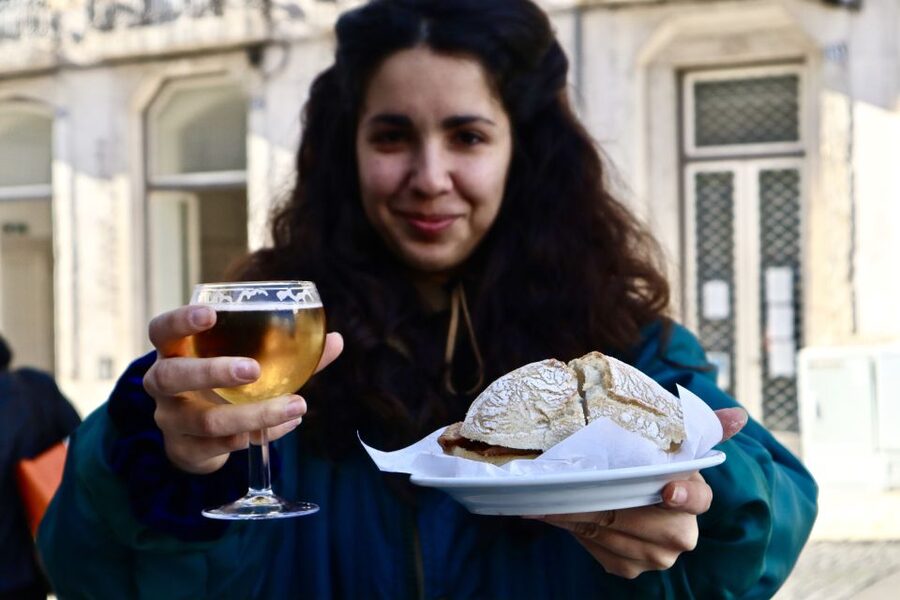
- Mouraria on foot: Explore one of Lisbon’s central districts while learning about the city’s past.
- A full tasting route: Try Porto wine, a pork sandwich, petiscos, sardines, Verde wine, cheese, sausage, seasonal fruit, Pastel de Nata, and a secret dish.
- Local tavern style: Food comes from tascas, or local taverns, where dishes are freshly made.
- Guides who shape the experience: Claudia, Marta, and Vanda are among the guides associated with the tour, with clear praise for their local insight and personal touch.
- Simple meeting point: Find the guide by the José Saramago Foundation at Rua dos Bacalhoeiros 14A, marked by an orange umbrella.
- Good planning terms: You can cancel up to 24 hours before departure for a full refund, and reserve now while paying later.
Starting near the José Saramago Foundation
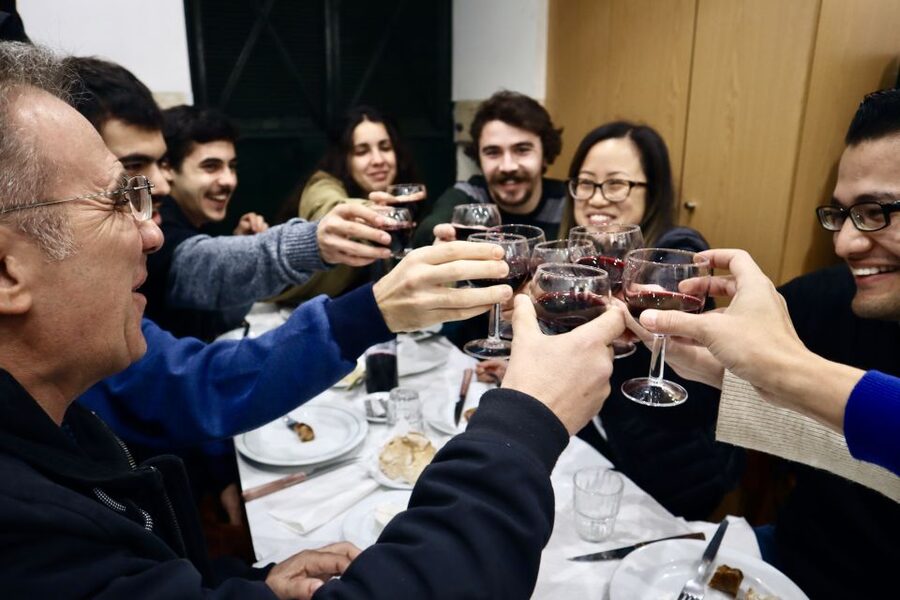
The meeting point is in front of the José Saramago Foundation at Rua dos Bacalhoeiros 14A. Your guide will be waiting with an orange umbrella bearing the local operator’s logo, which should make the start easy to spot.
That detail matters in central Lisbon. You do not need to search for a restaurant entrance or decode a complicated address. You simply arrive at the named landmark and look for the orange umbrella. The activity ends at the same place, so you will not need to arrange a ride from a distant neighborhood after the final tasting.
Bring comfortable shoes. This is a walking food tour, and Lisbon’s streets can make even a short route feel more demanding than the mileage suggests. The tour runs rain or shine, so check the forecast and carry suitable rain protection if needed.
The tour is offered in English with a live guide. Starting times vary, so check availability before booking, especially if you are trying to fit the food walk between a morning visit and an evening meal.
More eating your way around Lisbon:
- Lisbon: Food and Wine Small Group Walking Tour
★ 4.9 · 4,082 reviews - Lisbon Small-Group Food Tour with 18 Tastings in Alfama District
★ 5.0 · 1,967 reviews - Lisbon: Baixa District Food Tour with Dinner and Drinks
★ 4.9 · 1,870 reviews
Mouraria gives the meal some context
The route takes you through Mouraria, one of the districts included in Lisbon’s central food and cultural life. The value here is not only the number of tastings. You get a guided walk through an area while learning about the city’s history, which gives the food a sense of place.
I like this format more than a meal held in a hotel or cooking studio. You move between stops, see a little of the city, and connect dishes with the everyday places where people eat them. The route also helps you get your bearings early in a Lisbon visit.
The tour description keeps the history broad rather than promising a long academic lecture. That is probably the right balance for a three-hour food outing. You should expect stories and local explanation along the way, with the meal remaining the main event.
Mouraria is also a practical choice because it lets the guide show you a side of central Lisbon that can be missed when you stick to major squares and headline attractions. The route is built around food, not a full sightseeing circuit, so you should not book it as a substitute for Lisbon’s major museums or monuments.
Porto wine starts the tasting
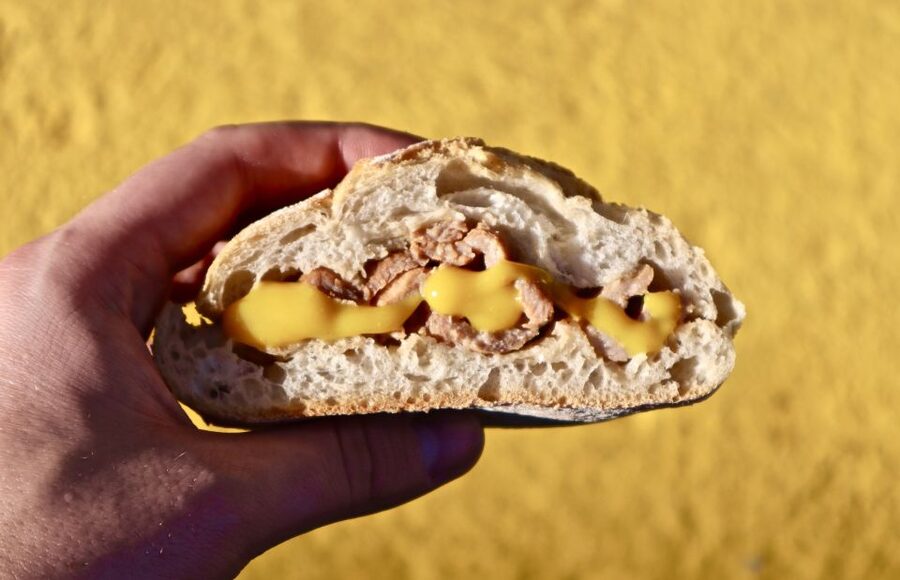
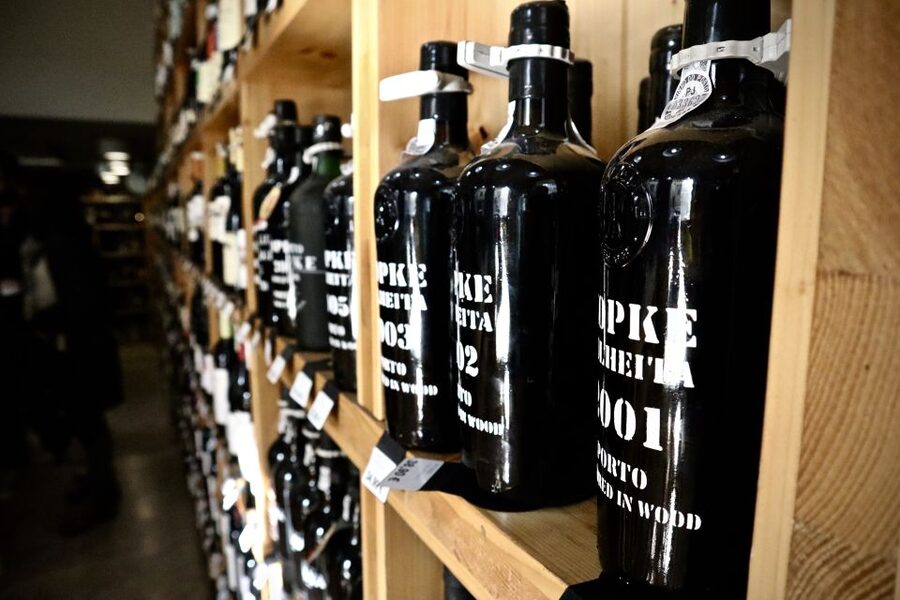
The first drink is Porto wine. Starting with a fortified Portuguese wine gives the tour a clear local identity from the first stop, rather than opening with a generic coffee or a standard restaurant appetizer.
Porto wine is associated with northern Portugal, so its inclusion also hints at the country’s wider food culture. You are not tasting only dishes from one Lisbon neighborhood. The tour uses food and drink to introduce several Portuguese traditions.
This first serving should help set the tone for the rest of the route. The tour includes some drinks with the food, but it is not presented as a dedicated wine-tasting class. If you want detailed instruction about grape varieties or production methods, this is probably not the right format. If you want a flavorful start to a walking meal, it fits well.
Keep the alcohol in mind when planning the rest of your day. Porto wine is followed by other drinks, including Verde wine and a local liqueur, so you may prefer to schedule the tour when you do not have a demanding activity immediately afterward.
The pork sandwich brings Lisbon street food to the table
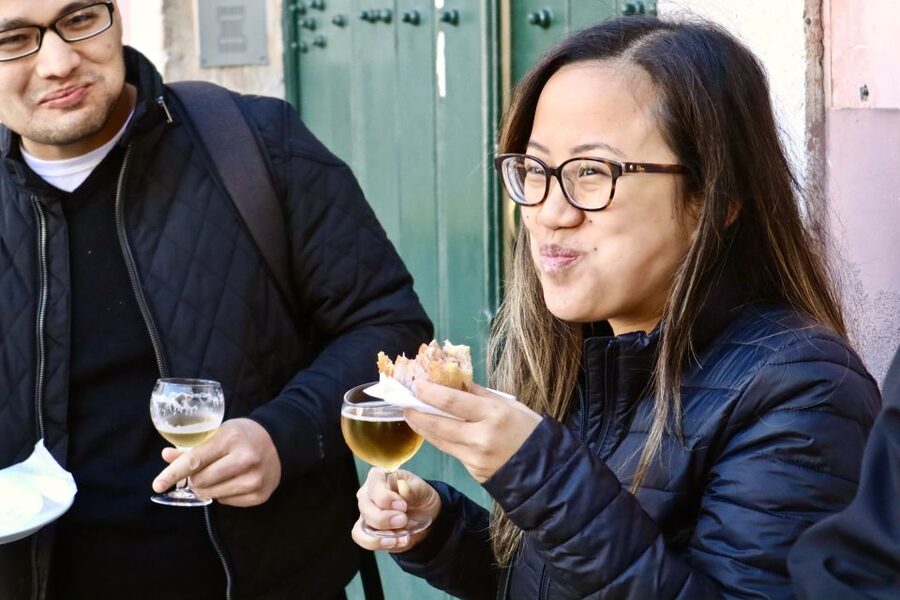
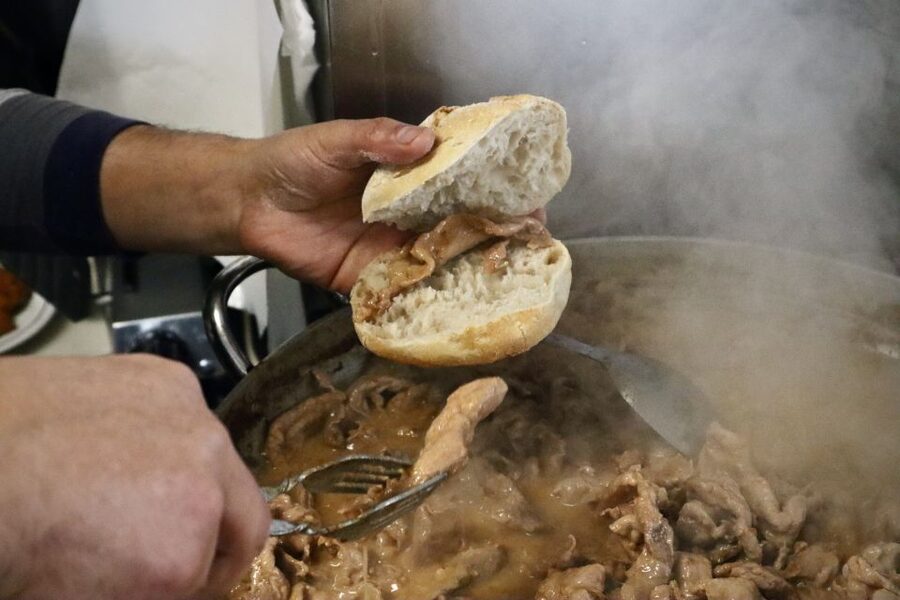
One of the promised tastings is a succulent pork sandwich, described as a classic Lisbon street food. This is a useful stop because it adds something filling and informal to a route that also includes smaller samples.
A pork sandwich can be the moment that turns a series of tastings into lunch. You will still sample several other foods, but this item gives the meal more substance than a succession of tiny bites. It also reflects the tour’s stated aim of showing you food that local people enjoy, rather than building the entire menu around formal restaurant dishes.
I would pace yourself here. The route includes cheese, sausage, petiscos, fish, fruit, pastry, and a secret dish. You do not want to fill up at the first savory stop and then have to treat the later tastings as optional.
The exact size of each serving is not specified, so I would think of the tour as a substantial tasting meal rather than a guaranteed full-day feast. For most people, it should cover the food needs of a light lunch or early dinner, but your appetite will decide how much more you want afterward.
A few more things to do in Lisbon worth a look
- Winner 2025 Undiscovered Lisbon Food & Wine Tour by Eating Europe
★ 5.0 · 6,390 reviews - Devour Lisbon: The Ultimate Portuguese Food Tour
★ 5.0 · 1,782 reviews - Lisbon Food Tour with 10+ Tastings of Local Delicacies & Wines
★ 5.0 · 1,339 reviews - Award-Winning Original Lisbon Food Wine Tour: 19 Curated Tastings
★ 5.0 · 1,288 reviews
Petiscos show the small-plate side of Portugal
A key stop focuses on handmade petiscos, with a range of different items. Petiscos are the sort of food that makes a guided tasting useful. Instead of ordering one dish and hoping it represents the local style, you get several small tastes in one sitting.
The stop is described as one of Lisbon’s less obvious places for traditional handmade food. I would not read that as a promise of a secret address revealed only to tour groups. The practical point is simpler: the route aims to take you beyond the most obvious tourist dining rooms and into a place where traditional small dishes are the focus.
This part of the experience may be especially useful if you are unsure how to order in a tasca. You can taste a selection first, note what appeals to you, and then seek out similar dishes later in your trip.
The petiscos stop also breaks up the route nicely. After a wine and sandwich, several small savory items give you variety without forcing you into one large plate. It is a social style of eating, but the supplied information does not state the group size, so do not assume a large communal gathering or a private table.
Sardines, Verde wine, and the taste of the coast
Sardines are among the classic foods included on the route, paired with Verde wine. This is one of the clearest examples of the tour using a familiar Portuguese ingredient rather than a generic international snack.
Sardines can be a strong flavor and texture, so this is worth noting if you dislike fish. The tour is not designed around substitutions, and the information provided does not promise alternatives for dietary restrictions. If you have allergies, follow a strict diet, or avoid fish, ask the operator before booking.
Verde wine adds another regional note. It is generally known for its light, fresh character, though this outing is not advertised as a formal wine lesson. The value is in tasting the wine alongside food in a local setting, not in learning a full technical vocabulary.
Together, the sardines and Verde wine provide a contrast with the richer Porto wine and pork sandwich. The menu has been planned to move through different Portuguese flavors instead of repeating the same type of snack at every stop.
Cheese, cured meat, sausage, and seasonal fruit
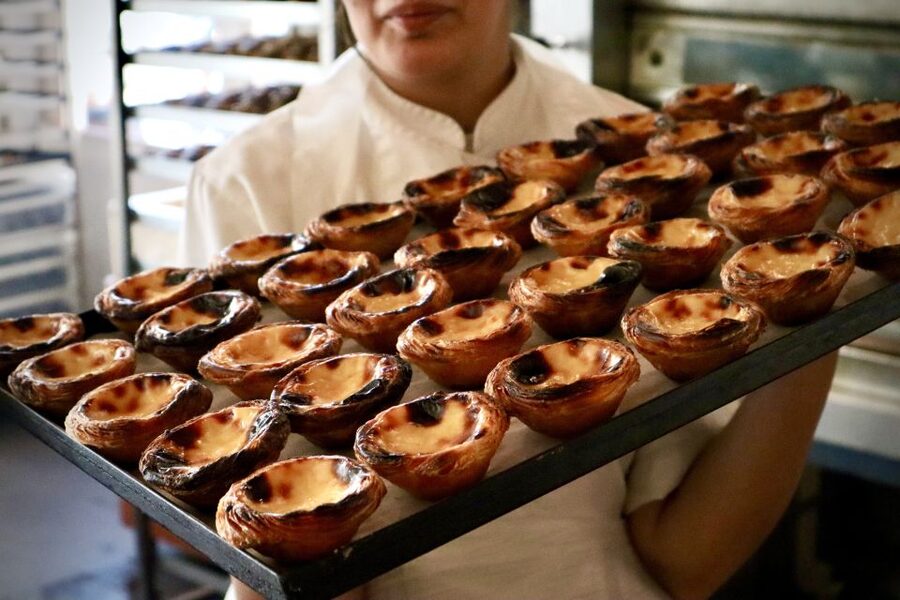
Another stop visits a shop with Portuguese cheeses, cured meats, and a special sausage. This is a particularly practical part of the route because these foods are easy to find later in markets and shops, yet it can be hard to know which versions to choose on your own.
A guided tasting lets you compare salty, savory, and cured flavors without buying a large amount of something you may not like. It can also point you toward edible souvenirs, although the tour information does not promise shopping time or purchases beyond the included tastings.
The special sausage adds another warm or savory note to the route. Since no type is named, I would not book this expecting one particular regional sausage. Think of it as part of a broader introduction to Portuguese pantry foods.
The fruit of the season gives the menu a fresh break. The exact fruit depends on what is available, so you should not expect a named variety. That changing element is a small but sensible touch, since seasonal produce keeps the route tied to what is being served at the time of your visit.
Pastel de Nata is the sweet finish
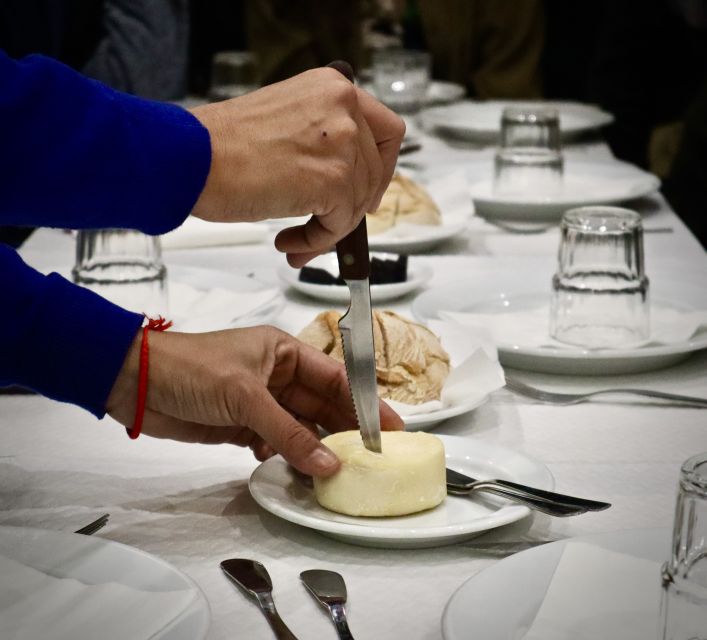
The sweet stop includes Pastel de Nata, Portugal’s famous custard pastry. This is the most familiar item on the route, but it is still a worthwhile finish because it gives you a classic reference point for later bakery visits.
Pastel de Nata works well at the end of a food walk. It is small, recognizable, and distinctly Portuguese, with enough sweetness to close the meal without requiring another full dish. If you already know the pastry, this stop can help you compare it with versions you try elsewhere.
The information does not identify a specific bakery or promise a baking demonstration. You should expect to taste the pastry, not take a pastry class. That keeps the tour moving and leaves room for the savory stops that make up most of the route.
A local liqueur is also included among the tastings. The exact liqueur is not named, so do not assume it will be one particular Portuguese specialty. It is best viewed as an additional local drink that rounds out the food experience.
The secret dish adds a little suspense
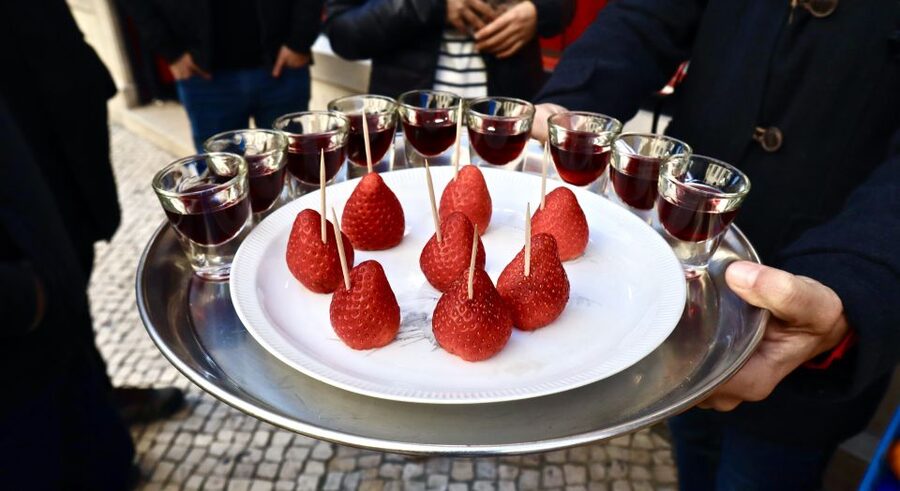
As with the operator’s other food tours, this route includes a secret dish. The dish is not identified in advance, which is the point. It gives the guide room to include something that fits the day, the season, or the places being visited.
The secret dish should not be the main reason you book. Since you do not know what it is, it cannot help you judge the tour for dietary needs or specific culinary interests. Treat it as a bonus rather than a guarantee of a particular specialty.
The rest of the menu is detailed enough to make an informed choice. You know that you will encounter pork, fish, dairy, cured meat, pastry, wine, and spirits. That clarity matters more than the surprise element if you are planning around allergies or strong food preferences.
What the guides add to the walk
The guide is a major part of this experience. Claudia is praised for taking the group to places where local people eat and away from tourist-oriented spots. Marta is noted for her strong understanding of Lisbon and for choosing places that feel less aimed at visitors. Vanda is described as an excellent guide who helped the tour exceed expectations.
Those names do not guarantee which person will lead your departure. Guide assignments can change, so treat them as examples of the local staff rather than a promise that you will meet one particular guide.
What you can reasonably expect is a guide-led route with explanations about Lisbon, help at each food stop, and a friendly pace. The strongest value comes from having someone decide where to go and explain what you are eating, rather than spending your own time comparing menus and guessing at unfamiliar dishes.
The tour’s 4.7 rating from 53 reviews supports the idea that the guide can make a real difference. Still, a rating cannot tell you the group size, walking pace, or exact serving portions on your date. Use it as a positive signal, not a guarantee of a perfect match for every taste.
Is $100 a fair price?
At $100 per person, this is not a budget snack crawl. You are paying for three hours, a live English-speaking guide, several food stops, and some drinks, along with the planning that connects them into one route.
The price looks more reasonable if you would otherwise spend a half day finding local taverns, choosing dishes, and working out how to order several Portuguese specialties. You are also getting a structured introduction to Mouraria and central Lisbon, not just a pastry and a drink.
The value drops if you prefer to eat slowly at one restaurant, avoid alcohol, or already know Lisbon’s food scene well. Transportation is not included, but the tour begins and ends at the same central meeting point, so you do not need to pay for a transfer between the start and finish.
I would compare the cost with the price of a proper lunch or dinner in Lisbon, then ask how much you value the guide and the variety. For a first visit, the combination of food, drinks, and local orientation can justify the price. For a repeat visit, you may prefer to spend $100 across several independent meals.
Who will enjoy this Lisbon food tour?
This tour suits you best if you want to sample many Portuguese foods in a short time and prefer an English-speaking guide to handle the route. It is also a good first-day or second-day activity because the walk can help you understand the city centre and point you toward dishes worth ordering later.
Food-curious visitors will get the most from the variety. The route includes meat, fish, cheese, cured products, fruit, pastry, wine, and liqueur, so it offers more range than a tour built around one ingredient.
You should think twice if you have strict dietary restrictions, dislike walking in all weather, or want a formal culinary lesson. The menu is broad, the tour runs rain or shine, and no dietary substitutions or cooking instruction are stated.
The three-hour length is another strength. It is long enough to create a meal out of several stops but short enough to leave most of the day free. Check the starting time carefully, since the available departures vary.
Booking advice and final verdict
I would book this tour if you want a guided introduction to Lisbon food and like the idea of eating in tascas, visiting a cheese and cured-meat shop, and trying several dishes without planning each stop yourself. Claudia, Marta, and Vanda have all been singled out for making the route feel local and personal, which is exactly what you want from this format.
I would skip it if your main goal is the lowest possible food cost, a private meal, or a detailed wine course. The $100 price demands that you value the guide, the range of tastings, and the convenience.
For the right eater, this is a strong way to meet Lisbon through its everyday foods. Wear comfortable shoes, arrive at the José Saramago Foundation with an appetite, and leave room for the Pastel de Nata and the final secret dish.
FAQ
Where does the Lisbon food tour begin?
Meet your guide in front of the José Saramago Foundation at Rua dos Bacalhoeiros 14A. Look for an orange umbrella with the local operator’s logo.
Where does the tour end?
The activity ends back at the meeting point near the José Saramago Foundation.
How long does the tour last?
The tour lasts three hours. Starting times vary, so check availability for the date you want.
What food and drinks are included?
The tastings include Porto wine, a pork sandwich, handmade petiscos, sardines, Verde wine, Portuguese cheeses, a special sausage, seasonal fruit, Pastel de Nata, a local liqueur, and a secret dish. Some drinks and food are included in the price.
Is transportation included?
No. Transportation, hotel pickup, and drop-off are not included.
What language is the tour offered in?
The tour is offered in English with a live guide. Comfortable shoes are recommended, and the tour takes place rain or shine.
Just added in Lisbon
- Half day Spa Water Therapy experience at THE SPA at Corinthia Lisbon★ 4.5 · 51 reviews
- Lisbon Cinematic Photoshoot with Top-Rated Photographer★ 5.0 · 76 reviews
- Central Lisbon E-Bike Tour★ 5.0 · 168 reviews
- Small-Group Sailing Tour on the Tagus River from Lisbon★ 5.0 · 78 reviews
- Lisbon Sailing Catamaran Public Cruise with drinks★ 5.0 · 304 reviews
- Alfama and the Castle of Saint George Skip the line Tour★ 5.0 · 53 reviews
- City Centre Run in Lisbon★ 5.0 · 164 reviews
- Boat tours in the Óbidos Lagoon★ 5.0 · 100 reviews
Food Tours, compared.

Lisbon Small-Group Food Tour with 18 Tastings in Alfama District
Read our review →
Baixa District Food Tour with Dinner and Drinks
Read our review →
Devour Lisbon: The Ultimate Portuguese Food Tour
Read our review →
Lisbon Food Tour with 10+ Tastings of Local Delicacies & Wines
Read our review →
Authentic Food and Wine Tour in Porto by Food Lover Tour
Read our review →
Browse the lists this tour appears in