
Reviewed · WHALE WATCHING
Rabo de Peixe: Sperm Whale Sanctuary Expedition
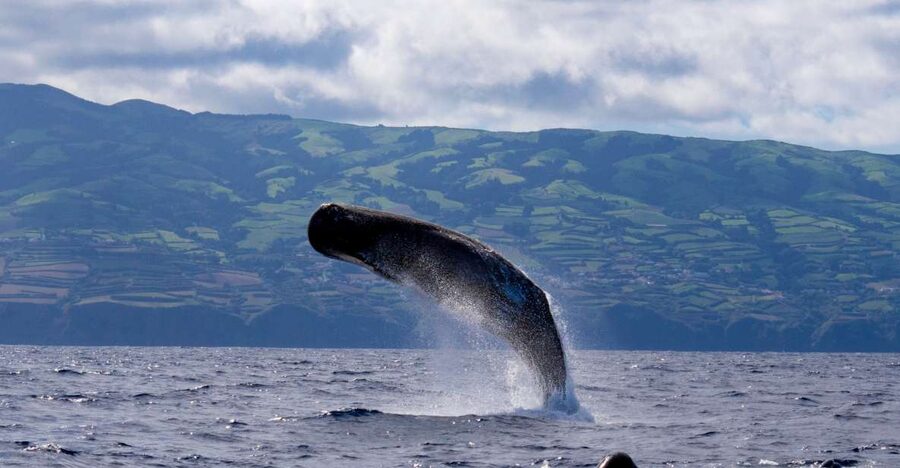
Sperm whales are the star here, but the real pleasure is the search: you leave Rabo de Peixe, pass São Miguel’s northern coast, and watch the sea for signs of life. I like the small-boat setting and the fact that a marine biologist stays with you, explaining what you see rather than simply pointing at a fin. I also like the strong respect for the animals, a point praised by visitors who saw as many as 10 sperm whales and several dolphin species on one outing.
The catch is simple: wildlife is never guaranteed, and the sea can change the schedule. You need good weather, a reasonably sturdy back, and patience. Allow an extra 30 to 45 minutes beyond the stated three hours because marina operations can slow things down.
Key points to know before you book

- Sperm whales are the main target: The boat heads toward deeper Atlantic waters where these large cetaceans may be found.
- Marine biologists guide the trip: You receive a briefing before departure and explanations during and after the outing.
- Small boats can feel personal: One recent outing used a 16-place Zodiac, giving passengers a close connection to the water but also more exposure to wind and movement.
- Other sightings add to the day: Dolphins, turtles, Portuguese man-o-war, and other whales may appear along the way.
- The tour supports respectful watching: The crew explains how whale watching is carried out without chasing or crowding the animals.
- Plan for changing conditions: The activity requires good weather, and the total time can run 30 to 45 minutes longer than advertised.
Why sperm whales make this São Miguel trip special
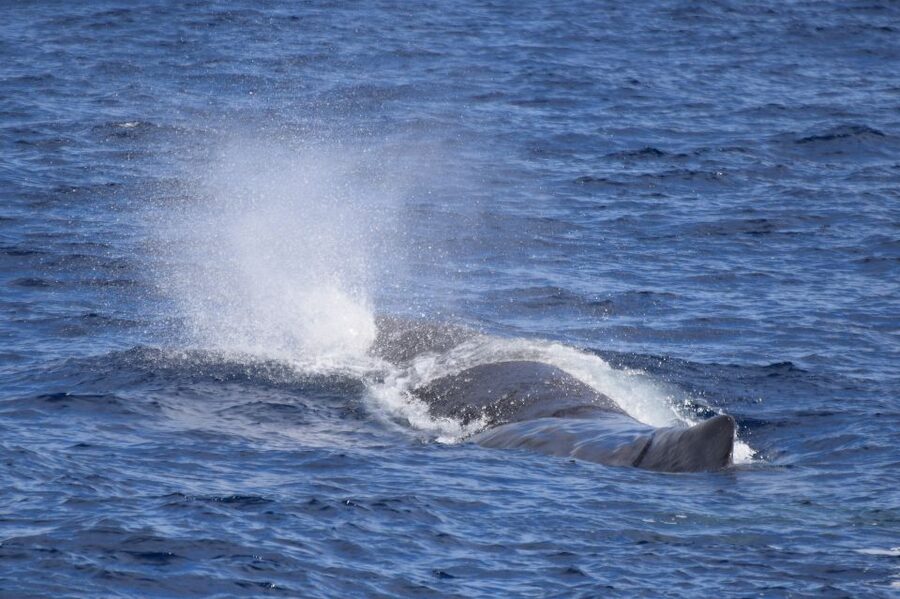
The Azores sit in a productive stretch of the Atlantic, and the waters around São Miguel are used by several cetacean species. This outing focuses on sperm whales, the largest members of the cetacean family. That gives the trip a clear purpose, rather than making it a general boat ride with wildlife as a bonus.
You will not simply head out and expect whales to appear on command. The crew searches a large area of open water, watching for blows, fins, and changes in the sea. That uncertainty is part of the experience. It can also mean stretches of quiet looking, so bring patience as well as your camera.
I like the way the tour places the animals before the spectacle. The pre-tour talk covers the species you may see, the Azores’ whale-watching tradition, and the rules used to keep boats at a respectful distance. That matters most when a whale comes close on its own. One recent account described a sperm whale approaching the boat rather than being pursued, which is exactly the kind of encounter responsible whale watching aims for.
The reported sightings can be impressive. One outing included 10 different sperm whales, along with common dolphins, bottlenose dolphins, and Atlantic spotted dolphins. Other trips recorded minke whales, Bryde’s whales, large dolphin groups, and even a hammerhead shark. These are examples, not promises, but they show how varied the water can be.
Other trips out to look for whales from Sao Miguel:
- From Ponta Delgada: Whale and Dolphin Watching Trip
★ 4.7 · 4,109 reviews - Azores Whale Watching & Islet Boat Tour
★ 4.6 · 2,146 reviews - Azores Whale Watching & Islet Boat Tour
★ 4.5 · 1,059 reviews
Starting at Clube Naval Rabo de Peixe
Your meeting point is Clube Naval Rabo de Peixe on São Miguel’s northern side. The experience begins with a 10-minute safety briefing, but the talk is also your first lesson in local marine life.
You will learn which species may appear, how whale watching developed in the Azores, and how the crew and biologists behave around wild animals. This is useful context, especially if you have been on boat trips where the guide gives little more than a life-jacket demonstration.
The briefing also helps you judge the day realistically. You are not heading to an aquarium or a fixed viewing platform. The boat works with conditions and animal movements, and the team may need time to locate the right area. Listen closely to the safety advice, since the outing takes place on open Atlantic water rather than inside a sheltered harbor.
Wear comfortable clothing and shoes with a secure grip. High heels are not allowed, and a sun hat, sunglasses, sunscreen, and snacks belong in your day bag. Food and drinks are not included. A raincoat is also not supplied, so bring one if the forecast looks uncertain.
Leaving the harbor for São Miguel’s northern coast

Once the briefing is complete, you board the boat and head along the northern coast. The early part of the trip gives you a view of São Miguel from the water, with coastal scenery and the changing character of the Atlantic around you.
This section is more than a transfer to the whale area. It is your chance to keep watch for smaller or more mobile wildlife. Dolphins may appear close to shore, while turtles and Portuguese man-o-war are also possible. The man-o-war is not a jellyfish, but you do not need to worry about a biology exam. The point is that even the ride out can offer something to look for.
The boat type matters here. A small craft, such as the 16-place Zodiac used on one recent outing, keeps the group fairly compact and makes it easier to hear the guide. You feel the motion of the sea more than you would on a large vessel, though. If you have back problems, a recent surgery, limited mobility, or are pregnant, this is not a suitable activity.
The sea can also affect your comfort even when the weather looks fine from land. Dress for wind and spray, not just sunshine. Keep your belongings secure and make room for the practical reality of a boat trip: you may spend a good deal of time standing, sitting, scanning the horizon, and waiting.
Searching the deeper Atlantic sanctuary

As the boat reaches deeper water, the focus shifts to sperm whales. The guides and marine biologists look for signs of the animals while explaining their habits, movements, and routes. You will want to keep your eyes moving across the water rather than stare at one fixed point.
A sperm whale sighting can be brief or wonderfully close, but the experience is not built around forcing a dramatic moment. The strongest part of this trip is the combination of searching and learning. You begin to understand why the boat may change direction, why the crew does not race toward an animal, and why a quiet approach is important.
The term sanctuary helps describe the protected setting, but do not picture a small enclosed reserve. You are on open Atlantic water, and the animals remain wild. That is why the tour depends on weather, sea conditions, and luck. The crew can give you a well-run search, but no responsible operator can guarantee a particular species.
I would choose this trip if you care about the quality of the encounter as much as the number of sightings. The marine biologist’s presence adds real value. On one outing, a biologist named Emma was singled out for sharing her enthusiasm and emotion about the animals. A strong guide can turn a distant blow into a meaningful observation by explaining what you are seeing and why it matters.
Dolphins may become the highlight instead. Recent outings included groups with calves and three different dolphin species. That is a good reminder to avoid treating sperm whales as the only successful outcome. Minke whales and Bryde’s whales are also possible, along with other marine life.
Same base, a different kind of day out:
- São Miguel West: Full-Day Van Tour with Lunch
★ 4.9 · 1,948 reviews - São Miguel West Full Day Tour with Setes Cidades Including Lunch
★ 5.0 · 1,391 reviews - São Miguel East Van Tour with Lunch: Furnas & Nordeste
★ 5.0 · 1,210 reviews - São Miguel East: Full-Day Van Tour with Lunch
★ 4.9 · 1,124 reviews
Returning to Rabo de Peixe with more context

After the search, the boat returns to Clube Naval Rabo de Peixe. The ride back is not just dead time. The marine biologists use it, or the final part of the experience, to discuss the cetaceans you encountered, their habits, and the routes they follow.
This closing explanation gives the trip a useful shape. You first learn how to watch, then you search for wildlife, and finally you place the sighting in a wider picture. If you saw sperm whales, you can ask about their behavior. If dolphins were the main event, you can learn how the species differ. If the sea stayed quiet, the talk still helps explain why sightings vary.
The activity lasts about three hours, but the operator warns that marina logistics can add 30 to 45 minutes. Do not book a tight connection, timed museum entry, or restaurant reservation immediately afterward. You may return on schedule, but you should plan as if you have a little extra time.
The return also depends on conditions. The trip requires good weather, and a cancellation or change may be needed if the sea is not suitable. The booking terms allow a full refund when you cancel at least 24 hours in advance, and you can reserve now and pay later. Those policies are useful, but the more important planning point is flexibility on the day itself.
Is $82 a fair price?

At $82 per person, this is not the cheapest way to spend three hours in the Azores, but it offers more than a simple boat ride. Your fee includes the pre-tour briefing and a marine biologist on board, with English and Portuguese available.
I see the value in the interpretation. Whale watching becomes more satisfying when you understand what you are looking at and why the crew behaves carefully around the animals. The conservation element also gives the trip more purpose than chasing the biggest possible photograph.
The price does not include hotel pickup, food, drinks, or a raincoat. You need to reach the harbor yourself and bring your own supplies. That is easy enough if you are already near Rabo de Peixe, but it adds planning if you are based elsewhere on São Miguel.
The strongest value comes on a day with several sightings, but the cost should not be judged only by the number of animals seen. You are paying for the boat, crew, search effort, scientific guidance, and a chance to watch wildlife in its natural setting. If you want a guaranteed close encounter, no whale-watching trip can offer that. If you want a respectful search led by people who can explain the sea, the price is reasonable.
Who will enjoy this expedition most?

This tour suits you if you like wildlife, open water, and active observation. It is a good choice for adults, couples, families with older children who can follow boat instructions, and anyone who wants to learn more about the Azores’ marine environment.
It also suits repeat whale watchers. The species mix can change from one outing to the next, and the reports of sperm whales, dolphins, minke whales, Bryde’s whales, turtles, and other sightings show why no two trips need feel identical.
You should think twice if you dislike motion, have a bad back, are pregnant, have limited mobility, or recently had surgery. The activity is not suitable for those conditions, and a small boat can make the sea feel more noticeable.
If you are mainly interested in photography, bring realistic expectations. The boat may move, the animals may stay at a distance, and the best sighting can happen quickly. A camera is welcome, but comfortable clothing, sun protection, and a willingness to put it down and watch are more important.
Practical preparation for a better outing

Check the weather before leaving your accommodation. The activity depends on good conditions, and a forecast that looks pleasant in town may not tell the whole story offshore.
Bring:
- Comfortable shoes with a firm grip
- Sunglasses and a sun hat
- Sunscreen
- Comfortable clothing
- Snacks
- A raincoat, since one is not provided
Do not bring high-heeled shoes, drones, alcohol, or drugs. Food and drinks are not included, so plan ahead rather than hoping to buy something on the boat.
Keep the schedule loose. The official time is three hours, but marina delays can add 30 to 45 minutes. I would also avoid planning a demanding activity immediately afterward. The trip may be calm, but three hours of watching the sea can leave you tired, especially in wind or sun.
The guides speak English and Portuguese. If you have a question about a sighting, ask it. The educational side of the tour is one of the reasons to choose this experience instead of a bare-bones wildlife cruise.
Should you book the Rabo de Peixe expedition?

Book it if you want a science-led whale-watching trip with a clear focus on sperm whales and a serious approach to animal welfare. The small boat, marine biologist, coastal views, and possible mix of dolphins and whales make this a strong use of a half day on São Miguel.
Do not book it if you need a guaranteed sighting, dislike open-water movement, or cannot allow extra time for weather and marina delays. The sea decides much of the schedule, and the wildlife remains wild.
For most able-bodied visitors who enjoy nature and can accept uncertainty, I think the trip is worth the $82. Go with sunscreen, a raincoat, patience, and the right expectation: you are not buying a whale on demand. You are buying a careful search in one of the Atlantic’s important marine areas, with people who can help you understand what you see.
FAQ
Where does the tour start?
The tour starts at Clube Naval Rabo de Peixe on the northern side of São Miguel.
How long does the experience last?
The stated duration is three hours. Marina logistics may add 30 to 45 minutes to the total time.
What animals might I see?
Possible sightings include sperm whales, dolphins, turtles, Portuguese man-o-war, minke whales, and Bryde’s whales. Specific sightings are not guaranteed.
Are sperm whales guaranteed?
No. The tour searches for sperm whales in deeper Atlantic waters, but wildlife sightings depend on conditions and animal movements.
Is a marine biologist included?
Yes. A marine biologist leads the pre-tour briefing and stays on board to explain the animals and conservation practices.
Which languages are available?
The live tour guide service is available in English and Portuguese.
Is hotel pickup included?
No. Hotel pickup and drop-off are not included, so you must make your own way to Clube Naval Rabo Peixe.
What should I bring?
Bring comfortable shoes, sunglasses, a sun hat, sunscreen, comfortable clothing, and snacks. A raincoat is also useful because one is not supplied.
Is food or drink provided?
No. Food and drinks are not included.
Who should not take this tour?
The activity is not suitable for pregnant women, people with back problems, people with mobility impairments, or people with recent surgeries. It also requires good weather.
Just added in Sao Miguel
- Terceira: Whale and Dolphin Watching in a Zodiac Boat★ 4.8 · 230 reviews
- Terceira: Half-Day Dolphin and Whale Watching Tour★ 4.6 · 219 reviews
- Island Van Tour (Full Day) | Terceira Island★ 4.9 · 176 reviews
- Terceira: Half-Day Island Tour with Cheese Tasting★ 4.4 · 106 reviews
- Snorkeling Tour- Vila Franca do Campo Islet★ 4.7 · 220 reviews
- São Miguel: Sete Cidades and Lagoa do Fogo Full-Day Tour★ 4.8 · 65 reviews
- Sete Cidades: E-Bike Rental with GPS and Map Tour★ 4.7 · 179 reviews
- Ponta Delgada: Full-Day Sete Cidades 4X4 Tour with Lunch★ 4.9 · 50 reviews
Whale Watching, compared.
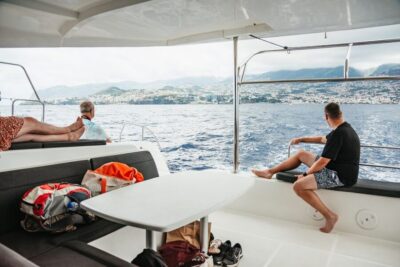
Funchal Bay: Dolphin & Whale Watch Luxury Catamaran Cruise
Read our review →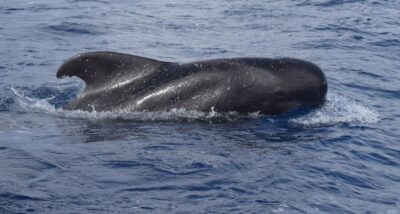
All Inclusive Whale and Dolphin Watching Luxury Tour
Read our review →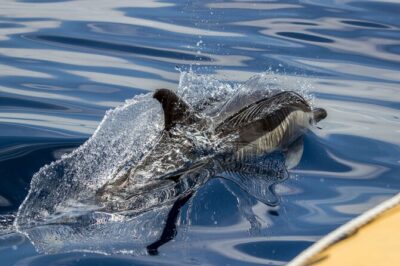
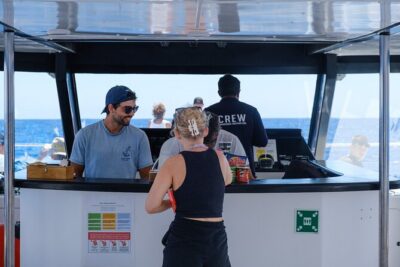
Madeira Dolphin and Whale Watching on a Ecological Catamaran
Read our review →
Dolphin and Whale Watching by Luxury Catamaran
Read our review →
Browse the lists this tour appears in