
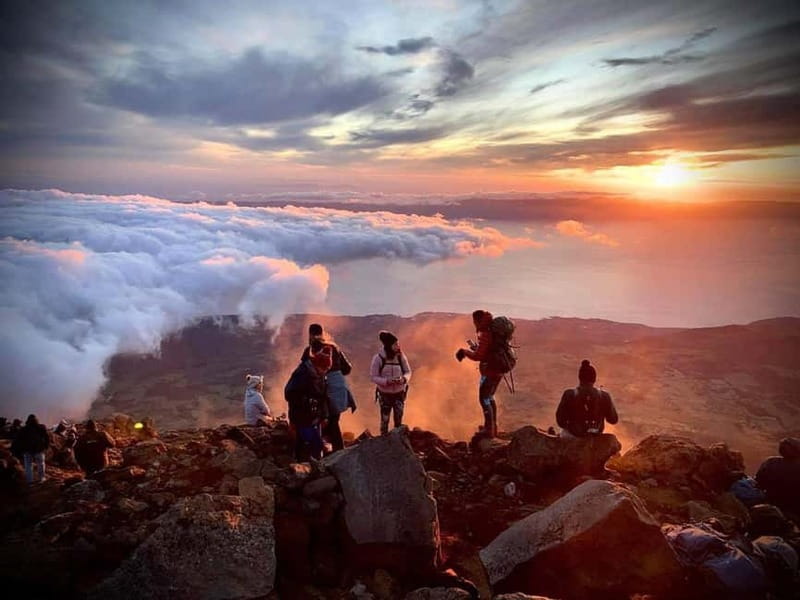
Reviewed · AZORES ISLAND HOPPING
Pico Mountain Climb: Portugal’s Highest Point – 2351 meters
Reaching Piquinho at 2,351 meters is the whole point, but the real test comes on the way down. This is a serious volcanic climb, not a gentle island walk. You follow an 8-kilometer trail with an average slope of 30 percent, using poles over uneven rock and loose stones.
I like the small comforts that matter on a hard day, especially the walking sticks, summit coffee, and photos and video taken along the route. I also like the human side of the outing. Guides such as Isabel and Raisa are praised for motivation, humor, and careful attention to different abilities.
The main drawback is simple: this is a demanding seven-hour effort with no easy shortcut. You need warm clothing, proper hiking shoes, water, snacks, and a good level of fitness. The descent can hurt more than the climb, and a mixed-ability group may move at different speeds.
Key points before you commit
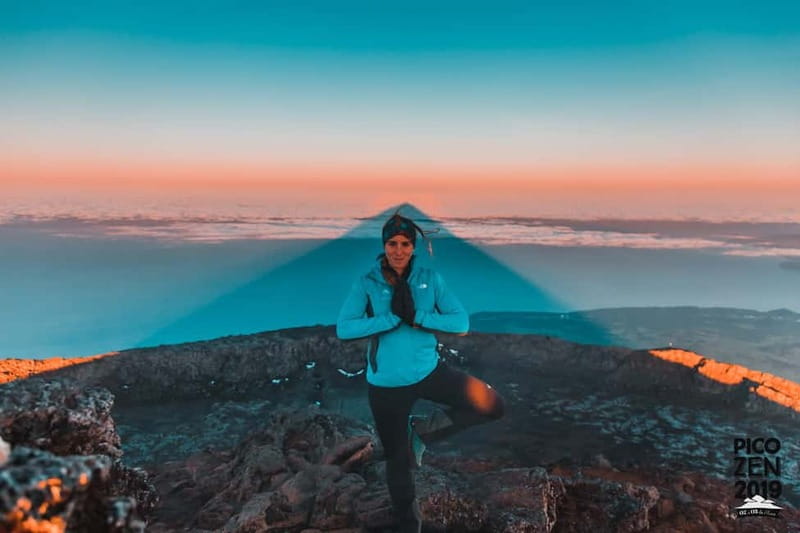
- Portugal’s highest point: Reach Piquinho at 2,351 meters, with views across Pico’s volcanic terrain and, on a clear day, several islands.
- A real mountain route: Expect an 8-kilometer path made of volcanic rock, with loose stones, uneven footing, and an average 30 percent slope.
- Guides make the difference: The guide leads the route, manages breaks, checks equipment, and helps keep the group moving safely.
- Coffee at altitude: A hot cup near the top is a small but memorable reward during a long climb.
- Photos and video included: You can focus on the ascent while the guide records parts of the achievement.
- Best for fit hikers: This activity is not suitable for children under 12, pregnant women, people with mobility or back problems, people with low fitness, or people over 70.
Why climbing Pico is worth the effort
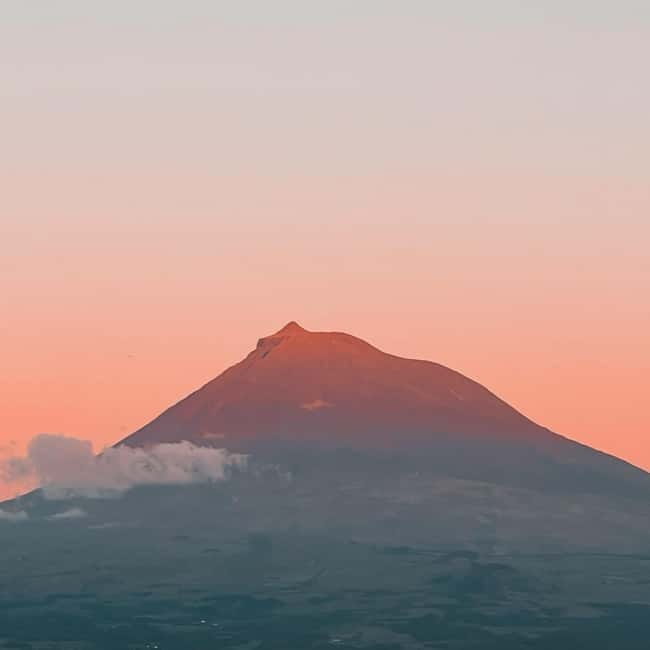
Pico is not just a high point marked on a map. It is a volcanic mountain with a crater, a lava cone, and permanent fumaroles near the summit. As you climb, the ground under your boots keeps reminding you that this is an active volcanic setting.
The final target is Piquinho, the highest point in Portugal. The achievement feels earned because the route asks for steady effort rather than a short burst of walking. You gain height slowly, stop to recover, and keep placing one foot in front of the other.
The reward depends heavily on the weather. On a clear day, you can look across Pico’s natural surroundings and may see as many as four islands. In poor weather, the views can disappear, but the mountain remains a demanding and memorable physical challenge.
I would choose this trip for the sense of achievement more than for comfort. You are not being carried to a viewpoint, and you are not following a paved path. You are using your hands and feet at times, watching every step, and earning the summit.
Other islands to reach from Portugal:
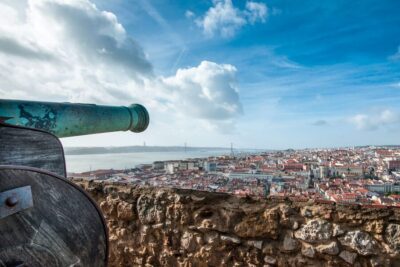
- Lisbon: Sao Jorge Castle Skip-the-Line Ticket with Guide
★ 4.6 · 1,191 reviews - Pico Island: Whale Watching Experience from Lajes
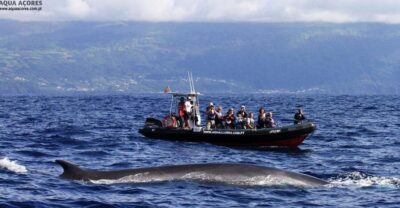
★ 4.9 · 492 reviews - Pico Island: Azores Whale & Dolphin Watching on Zodiac Boat
★ 4.8 · 408 reviews
Starting at Casa da Montanha
You meet the guide at Casa da Montanha, also called the Mountain House, where staff check you in before the group sets off. This is where you receive the safety briefing and equipment check, which take about 10 minutes.
Walking sticks are provided for comfort and safety. Use them from the beginning rather than saving them for the steepest part. Poles help with balance on the volcanic rock and can reduce some of the strain on your legs during the descent.
The briefing is especially important because weather and footing matter more than speed. You need hiking shoes, warm clothing, water, snacks, and clothing suited to the conditions. Open-toed shoes and high heels are not allowed, and the information for this activity also says sports shoes are not suitable.
The climb is offered in Portuguese, English, Italian, Spanish, and French. That gives you a better chance of understanding safety instructions and route guidance in a language you follow comfortably.
The first section, easier ground and early views
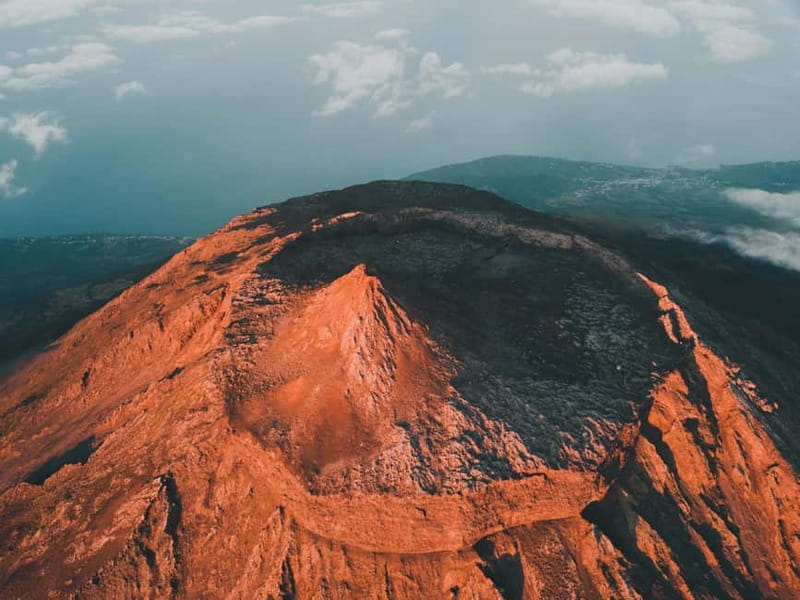
The opening part of the route is described as easier than what comes later. That does not make it flat or effortless. It gives you time to settle into the pace, adjust your pack, and learn how your boots handle the volcanic surface.
An early viewpoint provides a short five-minute break and photo stop. Use it to check your clothing and water before the trail becomes more demanding. If you start too fast here, the mountain will collect the debt later.
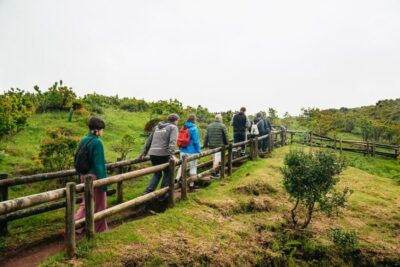
The first 1.5-hour section takes place in the Mount Pico Natural Reserve. Your guide leads the way and sets the rhythm. You can expect the terrain to become rougher as you gain height, with more loose rocks and uneven sections requiring close attention.
This is not the place to walk while staring only at the scenery. Look up often, but watch the next step. A misplaced foot on unstable rock can slow you down or leave you tired before the steepest section.
The middle climb and the secret stop
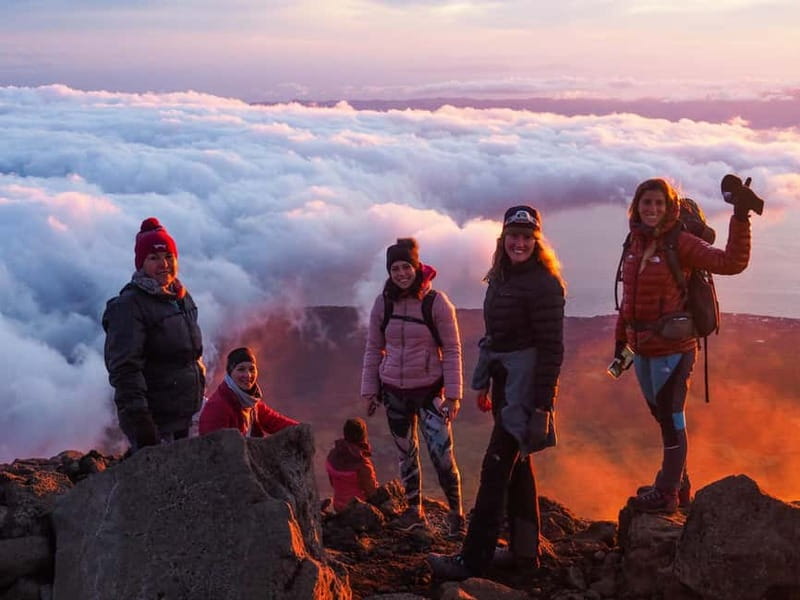
After the first major stretch, there is a 10-minute break at a less clearly defined stop. It is used for rest and photos. The pause gives your legs a chance to recover before another two-hour guided hiking section.
The long middle section is where the outing begins to feel like a proper mountain climb. You continue over volcanic rock, and the average slope of 30 percent becomes more meaningful with every meter of height.
Your guide’s role is important here. A good guide does more than point toward the summit. Raisa, one of the guides named in the feedback for this experience, has been praised for preparation, experience, and motivation. Isabel has also been singled out for explaining the mountain and island life.
You should expect encouragement, but not a magic solution. The guide can help you manage the effort, yet your own fitness still sets the limit. If you need a slower pace or an extra pause, speak up early.
Same base, a different kind of day out:
- The Unvanquished Tour in Porto City Center
★ 5.0 · 26,497 reviews - Lisbon City Center Tour – The Unmissable Lisbon
★ 5.0 · 22,234 reviews - Lisbon: Sintra, Pena, Regaleira, Cabo da Roca & Cascais
★ 4.7 · 19,656 reviews - From Porto: Douro Valley w/ Boat Tour, Wine Tasting & Lunch
★ 4.7 · 19,061 reviews
The crater, lava cone, and summit push
A 20-minute stop in the reserve is scheduled for photos, a picnic, and sightseeing. This is a useful point to eat a snack and take in the volcanic setting before the final push.
Near the top, you reach the volcano crater. The atmosphere changes here. You are no longer simply climbing a high mountain. You are looking into a volcanic formation and approaching a lava cone with permanent fumaroles.
The fumaroles are a striking reminder of the mountain’s character. They also make the summit feel more unusual than a standard high-point walk. Keep your attention on the guide and the route, especially around loose rock and uneven ground.
The last 1.5-hour ascent leads toward Piquinho. The final lava cone is the hardest part for many people because fatigue is already built into the legs. Progress may be slow. That is normal. The goal is to keep moving safely rather than to win a race.
At the summit, take time to breathe. You can relax, take photos, study the crater, or simply enjoy reaching the highest point in Portugal. The included photos and video are useful here because they let you remember the achievement without asking a companion to document every moment.
Summit coffee and wide island views
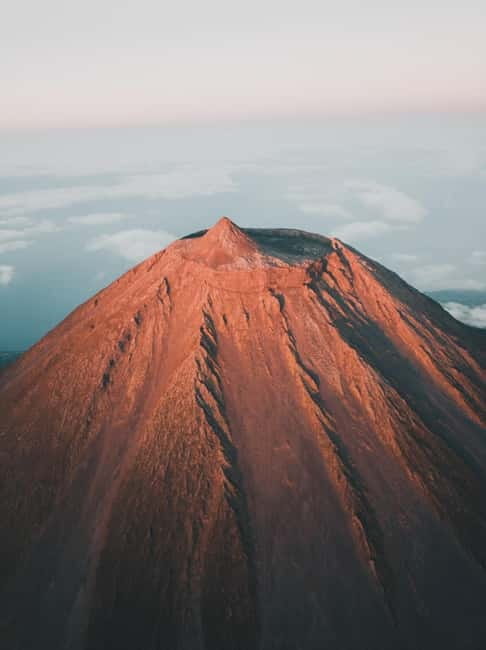
Free coffee is served during the climb, and the summit coffee has become one of the experience’s most memorable details. It is not a luxury service, but a warm drink at altitude can feel like a proper reward.
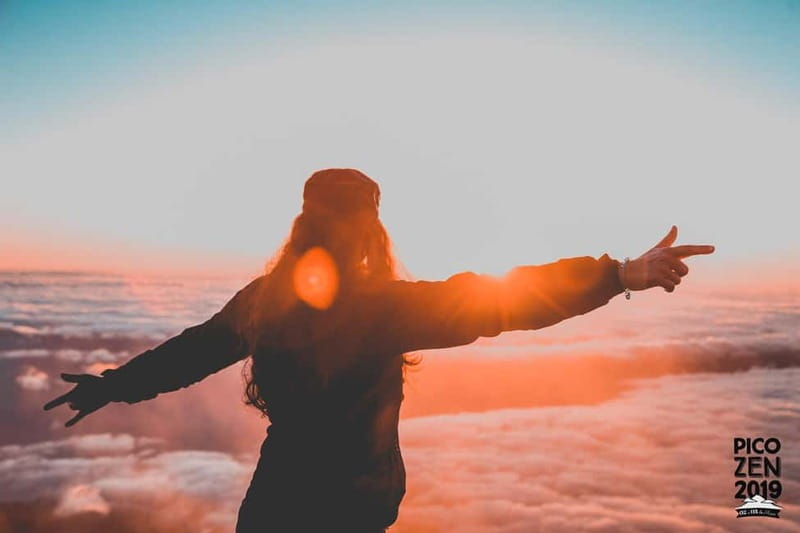
On a clear day, the views may extend across four islands. That possibility depends entirely on conditions, so do not book this expecting guaranteed visibility. Clouds and harsh weather can change the day quickly.
Even without distant views, the crater and lava cone provide a strong reason to reach the top. You are looking at volcanic features from inside the mountain’s high zone, not from a distant lookout.
This is also the best time to take stock of the effort involved. The climb has been broken into sections with rests, but it remains a full physical undertaking. Give yourself time at the top, then listen closely during the preparation for the descent.
Why coming down can be harder
The descent is usually organized with fewer stops so your leg muscles stay active. That plan makes sense, but it does not make the downhill easy.
Tired legs and loose volcanic rock are a difficult combination. Your knees and feet absorb repeated impact, while a slip on the slope can have more consequences than a slow step upward. Keep using the poles and shorten your stride when the surface feels unstable.
Several people who enjoyed this experience still described the descent as harder than the climb. Take that seriously. The summit is not the halfway point in terms of effort. You still need enough water, food, and concentration for the return.
The guide remains with you as you retrace the route through the reserve. You eventually return to Casa da Montanha, where the activity ends. The feeling of accomplishment comes partly from standing on the summit, but also from completing the descent without rushing.
What the $90 price gives you
At $90 per person, the price is reasonable if you want a guided attempt at Portugal’s highest point. The fee includes applicable taxes and fees, personal accident insurance, an experienced professional guide, walking sticks, photos, and video.
Those inclusions matter. You do not need to arrange your own route guidance, and you receive basic support for a mountain environment. The photo and video service also adds value if you want a record of the summit but do not want to spend the entire climb holding a phone.
You still need to pay for and bring your own food, drinks, boots, backpack, jacket, and other personal hiking equipment. Pack lightly, but do not cut corners on warmth or water. The mountain can feel very different from the lower parts of Pico.
The price is less attractive if you are looking for a relaxed sightseeing tour. It becomes better value if the guide’s safety support, route knowledge, equipment check, and summit documentation are important to you.
Who should book this climb
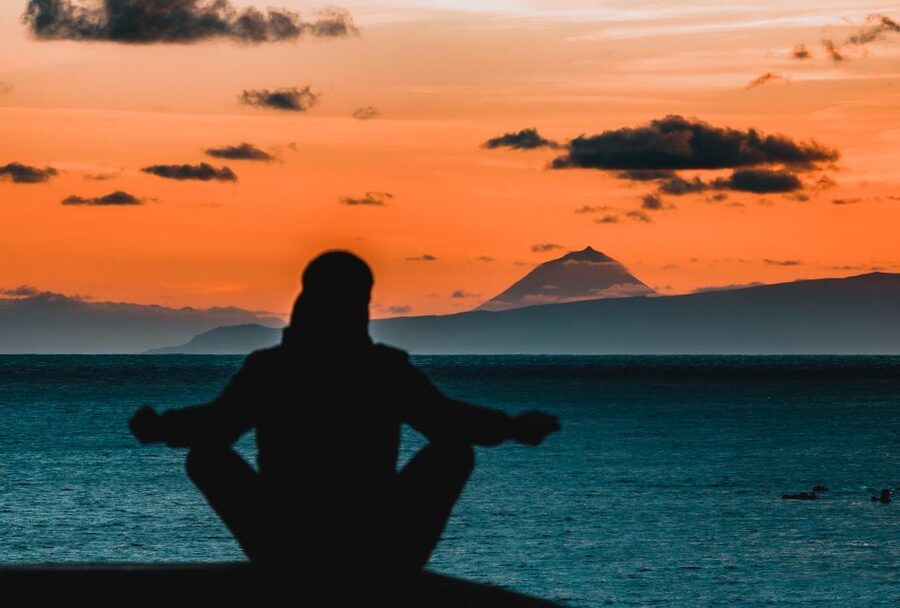
You should consider it if you enjoy a physical challenge, have a solid level of fitness, and want a clear goal for your time on Pico. It suits people who prefer an active day to a short viewpoint visit.
It is not suitable for children under 12, pregnant women, people with back problems, mobility impairments, or wheelchair users. It is also not recommended for people with low fitness or people over 70.
A private tour may be worth considering if your group has widely different abilities. A shared group can be encouraging, but different walking speeds may make the day feel longer for some people. The activity lasts about seven hours, and a slower group may spend more time on the mountain.
Guides such as Raisa and Isabel have been praised for motivation, humor, useful information, and handling the needs of a group. Still, the guide cannot remove the physical demands. Book this because you want the challenge, not because you expect the guide to make it easy.
You can cancel up to 24 hours in advance for a full refund, and you can reserve now and pay later. Those terms help if your Azores plans depend on weather or changing schedules, though you should still check the available start times before booking.
Should you book the Pico Mountain climb?
Book it if reaching Portugal’s highest point feels like a personal goal. The volcanic crater, permanent fumaroles, summit coffee, island views, and included photos give the day plenty of character.
Skip it if you dislike steep, uneven ground or want a gentle introduction to Pico. The seven-hour duration, 30 percent average slope, and demanding descent are not minor details.
For fit hikers who arrive prepared with warm layers, water, snacks, and proper hiking shoes, this is a strong-value mountain day. Go slowly, use the poles, listen to the guide, and save some energy for the way down.
FAQ
How high is the summit?
The summit of Piquinho is 2,351 meters high, making it the highest point in Portugal.
How long does the activity last?
The advertised duration is seven hours. Check the available start times when booking.
Where does the climb begin and end?
You meet the guide and check in at Casa da Montanha, or Mountain House, in Madalena. The activity ends back at the same meeting point.
What languages are available?
The live guide service is available in Portuguese, English, Italian, Spanish, and French.
Are walking sticks provided?
Yes. Walking sticks are included for comfort and safety.
What should I bring?
Bring warm clothing, weather-appropriate clothing, snacks, water, and hiking shoes. Personal equipment such as boots, a backpack, and jackets is not included.
Is the climb suitable for everyone?
No. It is not suitable for children under 12, pregnant women, people with back problems, mobility impairments, wheelchair users, people with low fitness, or people over 70.
Just added in Portugal
- Albufeira SUP Secrets: Discover Albufeira’s Hidden Gems★ 4.8 · 50 reviews
- Albufeira: Beginner Surf Lesson★ 4.8 · 321 reviews
- Quarteira: 2-Hour Surf Lesson at Falésia Beach★ 4.9 · 78 reviews
- Albufeira: Caves and cliffs Paddleboarding (SUP) Tour★ 4.9 · 80 reviews
- Albufeira: Sailing Boat Cruise BBQ & Open Bar on the Beach★ 4.9 · 51 reviews
- Albufeira: Off-Road Jeep Tour with Sunset★ 4.9 · 49 reviews
- Albufeira: Off-Road Buggy Adventure★ 4.6 · 248 reviews
- Albufeira: Old Town History Walking Tour with Tapas & Wine★ 4.7 · 96 reviews
Azores Island Hopping, compared.
Sao Jorge Castle Skip-the-Line Ticket with Guide
Read our review →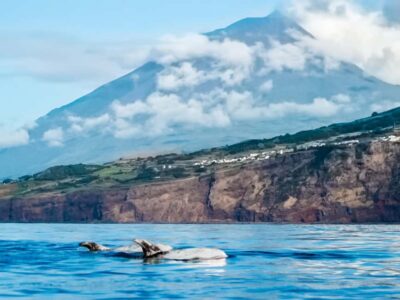
Browse the lists this tour appears in