
Reviewed · TOURS IN PORTO
Porto: Carvalhas cellar tour at Real Companhia Velha
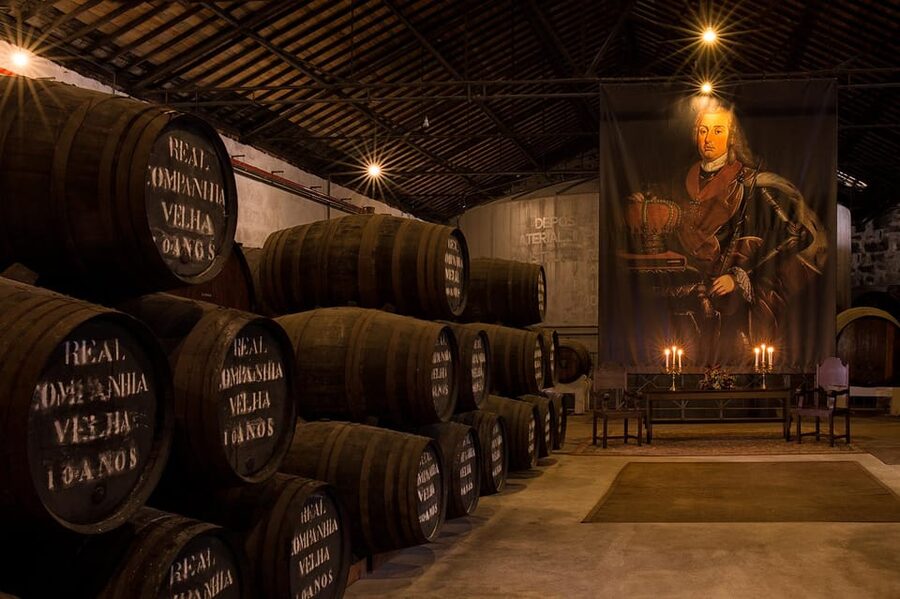
The most memorable part of this visit is not just the tasting. It is walking through a quiet, dark cellar where Port rests in large wooden casks, vats, and barrels, then seeing the Silva Reis family collection of more than 16,000 bottles. The oldest dates to 1765, which gives the hour a real sense of place.
I like the clear four-wine tasting, which lets you compare White Port with 10, 30, and 40-year Tawnies. I also like the small-group feel reported by several people, with guides such as Catarina explaining the company and winemaking in a warm, personal way. The main drawback is time: the visit is advertised as one hour, but one booking felt closer to 40 minutes of touring followed by tasting.
Key points
- A 1765 bottle collection: Enter the former private cellar of the Silva Reis family and see more than 16,000 bottles of rare Vintage Port.
- Four distinct Port styles: Taste White Port, then compare 10, 30, and 40-year Tawny Ports.
- A Gaia cellar with atmosphere: The cellar’s darkness, silence, and old wood give the visit a strong sense of place.
- A short walk from other cellars: Real Companhia Velha is about a 15-minute walk from several other Port houses in Vila Nova de Gaia.
- Four language options: Tours are offered in English, French, Portuguese, and Spanish.
- A good fit for curious drinkers: You get both basic Port-making instruction and a focused tasting without giving up half a day.
Why Real Companhia Velha Feels Different
Many Port cellar visits in Vila Nova de Gaia follow a familiar pattern: a guide explains the drink, you walk past barrels, and you taste a few glasses. Real Companhia Velha adds something more personal through its connection to Quinta das Carvalhas and the Silva Reis family cellar.
The company dates back to 1756, when it began as a wine control body. That history matters because Port is not simply a drink made in one modern winery. It developed through regulation, trade, aging, and careful control of quality across the Douro region.
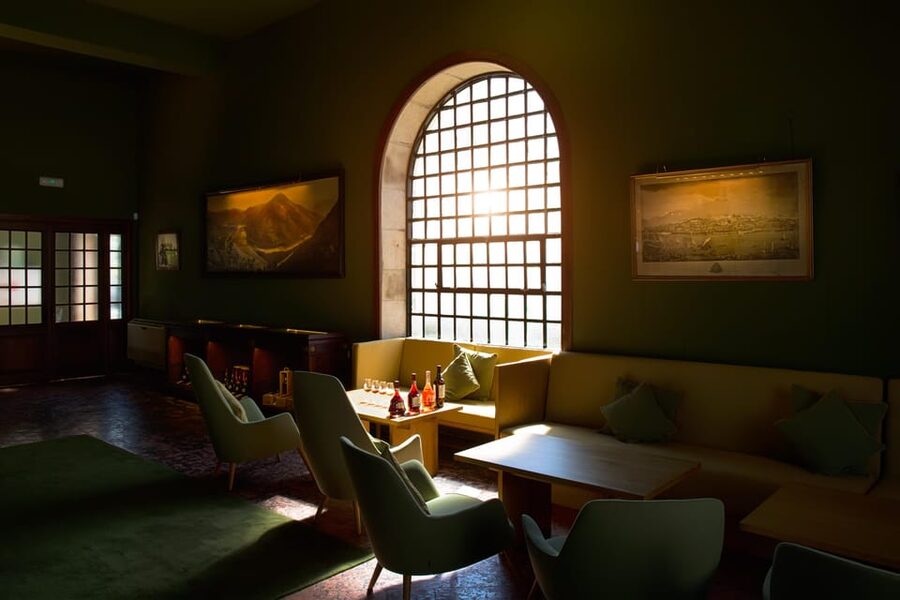
You begin at Real Companhia Velha in Vila Nova de Gaia, on the south bank of the Douro River. Porto is directly across the water, but the cellar itself has a different mood from the city streets. Inside, the light is low and the air is quiet. The wine rests in old wood, and the setting feels more like a working archive than a polished tasting room.
The company’s connection to Quinta das Carvalhas gives the guide a useful way to explain the Douro. You learn about the estate, the region, and the process that turns grapes into Port. The short tour does not try to cover every detail of Portuguese wine. Instead, it gives you enough background to understand what you are about to taste.
Other trips people book in Porto:
- The Unvanquished Tour in Porto City Center
★ 5.0 · 26,497 reviews - From Porto: Douro Valley w/ Boat Tour, Wine Tasting & Lunch
★ 4.7 · 19,061 reviews - Complete Douro Valley Wine Tour with Lunch, Wine Tastings and River Cruise
★ 5.0 · 12,920 reviews
Starting at the Gaia Gate
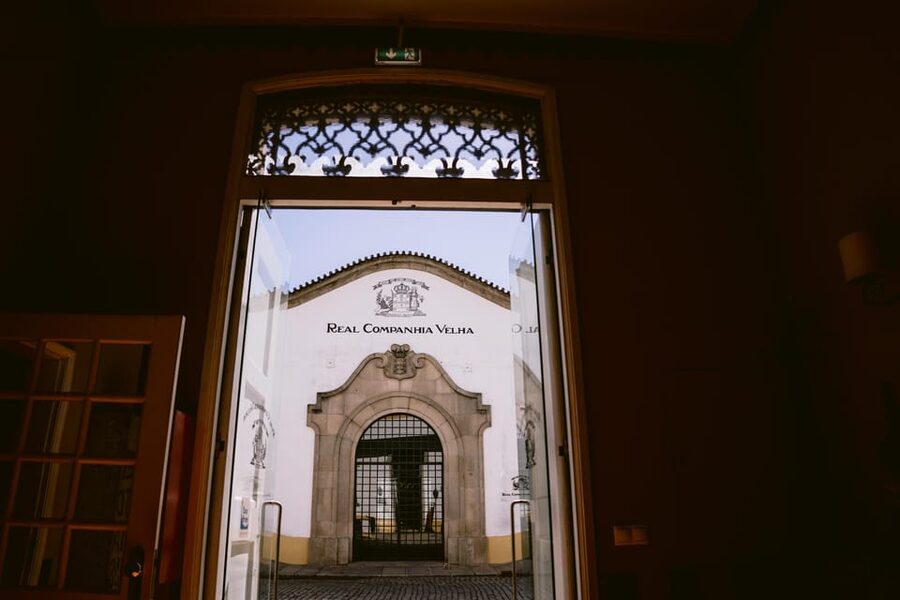
The meeting point is at the security gate at the address. This is a small detail, but it is worth noting because you do not want to arrive at the building and wait in the wrong place. Give yourself enough time to find the entrance, especially if you are walking from central Porto or from another cellar.
Real Companhia Velha sits away from some of the better-known Gaia tasting rooms. One person placed the walk at about 15 minutes from the other cellars. That distance is not a problem, but it does affect your planning if you hope to visit several houses in one afternoon.
Once the group gathers, a live guide leads the visit. Tours are available in English, French, Portuguese, and Spanish. The guide’s role matters here. The cellar is atmospheric, but the barrels alone will not explain why Port is aged in different ways or why a 10-year Tawny tastes so different from a 40-year Tawny.
Catarina received especially warm praise for her friendly, clear presentation. Another account identifies the guide as Katarina. Names aside, the useful point is that the experience depends heavily on the person leading it, and the supplied accounts repeatedly describe the guides as warm, engaged, and well informed.
Learning the Story of Quinta das Carvalhas
The first part of the tour introduces Real Companhia Velha and the Douro region. You learn how the company developed and how Port production works. This is basic information, but it gives the tasting a purpose.
The mention of Quinta das Carvalhas is important. The estate is presented as one of Real Companhia Velha’s prized properties, linking the Gaia cellar to the Douro vineyards where the story begins. You are not simply tasting wine from anonymous barrels. You are connecting the wine to a specific company and estate.
A good guide will help you keep the production stages straight. Port comes from the Douro, while much of the traditional aging and cellar activity associated with Port takes place in Vila Nova de Gaia. The tour makes that relationship easier to understand.
You also learn that maturation takes time. The guide explains how long different wines need to reach the right point of development and complexity. This is especially useful before the tasting, because the age statement on a Tawny Port describes a style built around time in wood, not simply a bottle sitting untouched for a certain number of years.
The explanations are not aimed at wine professionals. You can arrive with little Port knowledge and still follow the presentation. If you already know the basics, the old cellar, family collection, and tasting comparisons give you enough detail to keep the hour interesting.
The Old Wood and the Quiet Cellar
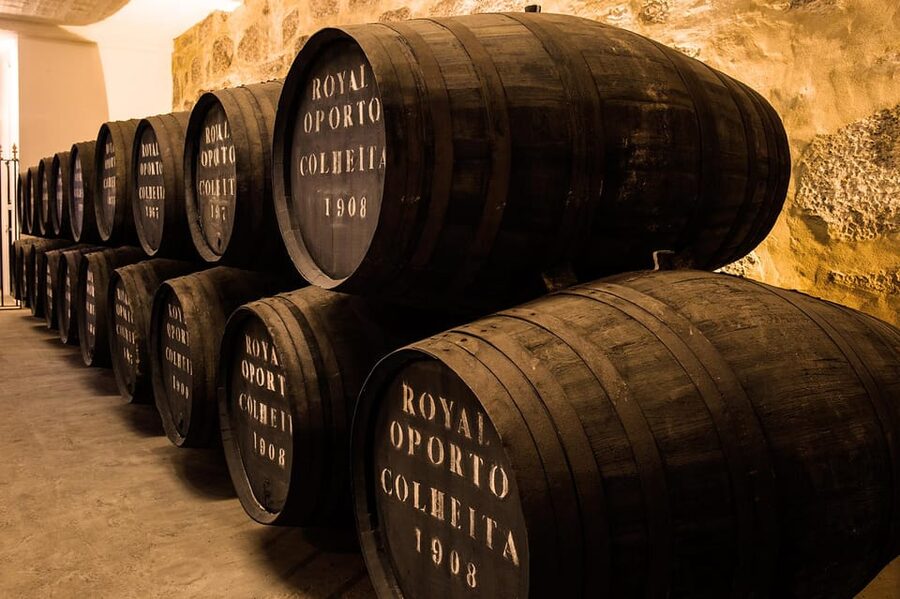
The cellar is one of the strongest parts of the visit. You see noble wooden casks, vats, and barrels where the wines rest and age. Their size and age make the process easier to picture than a talk in a bright tasting room would.
The atmosphere is intentionally subdued. The cellars are marked by darkness and silence, with the wooden vessels taking up much of the visual space. That mood suits Port. It slows the visit down and helps you pay attention to the idea that the wine is shaped by patient storage rather than quick turnover.
You should not expect an elaborate museum display. This is a cellar tour first. The appeal comes from seeing the actual storage environment and hearing how the wines change over time.
The tour is also fairly short. The official duration is one hour, including the tasting, and one person felt the guided cellar portion lasted about 40 minutes before the tasting took another 20 to 40 minutes. That variation is worth keeping in mind. If you want a long, technical examination of every stage of production, this may feel brief.
For most people, the compact format is an advantage. You get the essential story, see the barrels, visit the family collection, and taste four Ports without committing an entire morning or afternoon.
Same base, a different kind of day out:
- Porto: Six Bridges Cruise
★ 4.2 · 11,680 reviews - Porto: Live Fado Show with Glass of Port Wine
★ 4.8 · 6,498 reviews - Porto: 6 Bridges Douro River Cruise
★ 4.3 · 6,472 reviews - Porto: Torre dos Clerigos Entrance Ticket
★ 4.6 · 6,395 reviews
Inside the 16,000-Bottle Family Cellar
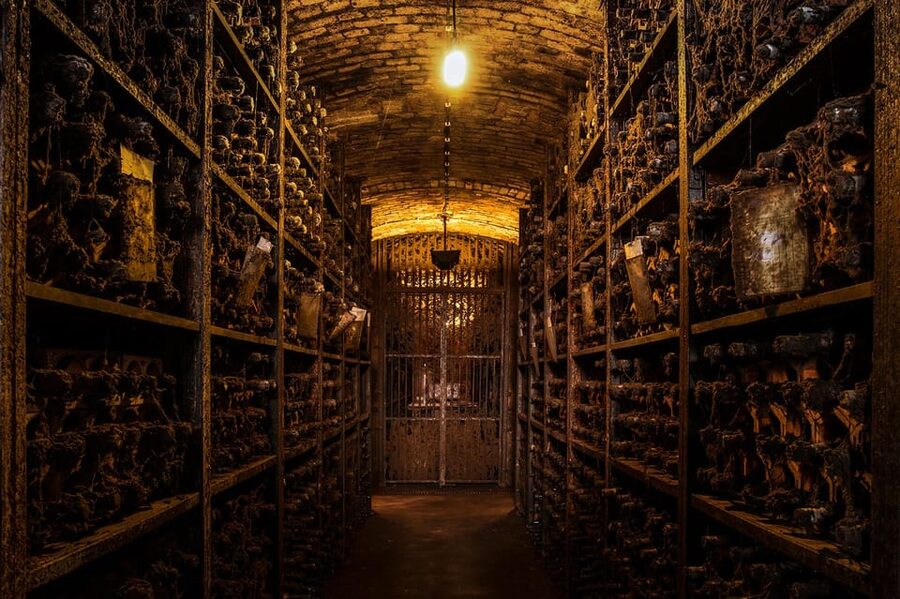
The private cellar of the Silva Reis family is the visit’s most unusual feature. You see more than 16,000 bottles of rare Vintage Ports, with the oldest dating to 1765.
That collection gives you a direct sense of Port as a wine meant to be kept, catalogued, and remembered. A bottle from 1765 is not just an old object. It is evidence of how long Port has been part of the company’s story and how much value has been placed on preserving selected vintages.
The collection also changes the tone of the visit. The barrels show Port in the process of aging, while the bottles show the finished wine as a historical record. You get both sides of the subject: active maturation in wood and long-term preservation in glass.
The cellar is described as a private family collection, so you should treat this part as a privilege rather than a standard shop display. The focus is on seeing the bottles and understanding their place in the company’s story, not on browsing a large retail selection.
This is also where the experience earns its place among Porto’s more distinctive Port visits. You can taste Port at many cellars in Gaia. Far fewer visits pair the tasting with access to a family collection reaching back to the 18th century.
Tasting White Port and Three Tawnies
The tasting includes a White Port and three Carvalhas Tawny Ports aged 10, 30, and 40 years. That lineup is well chosen because it gives you a clear progression.
White Port offers a different starting point from the darker, wood-aged Tawnies. It helps you notice how style, color, and aging affect the drink. The Tawny sequence then lets you compare a younger expression with wines that have spent much longer developing in wood.
A 10-year Tawny gives you the first reference point. The 30-year and 40-year wines allow you to consider what additional time can bring. The guide explains the aging process before you taste, so you are not left guessing why the glasses differ.
Several people found the four samples worthwhile, and one tasting included crackers and nuts. Those small accompaniments help clear the palate, though the central point is comparison rather than a full meal. You should eat beforehand if you expect the tasting to replace lunch.
Take your time with each glass. Look for differences in color, aroma, sweetness, and length. You do not need specialist vocabulary. The useful question is simple: what changed as the Port spent more time aging?
The tasting is also where the price becomes easier to judge. At $70 per person, this is not a bargain cellar stop. You are paying for a guided visit, access to the private collection, the setting, and four selected Ports, including older Tawnies. If you care mainly about drinking one glass, the cost will feel high. If you want context and comparison, the value is stronger.
Some people have combined different tasting options and ended up trying eight wines, but the experience described here centers on four selections. Check the exact tasting level when booking so you know what is included.
How the One-Hour Format Works for Your Day
The visit is easy to fit into a Porto schedule because it lasts only one hour. You can pair it with a walk along the Gaia riverfront, another cellar visit, or time across the river in Porto.
The one-hour limit also means the guide has to move at a steady pace. One person felt the guide spoke a little fast and that the tour was shorter than expected. If you like to ask many questions, use the tasting period to continue the conversation.
A small group can make a big difference. A four-person group was reported, and another booking involved a private tour with one other couple. Smaller groups give you a better chance to hear the guide and ask about the wines without waiting through a large crowd.
Still, group size can vary. The activity information does not promise a private tour, so do not book expecting a one-to-one experience. The strongest choice is to arrive ready to listen and ask focused questions.
The walk from the main cluster of Gaia cellars is the main location issue. It is about 15 minutes, according to one account. That is manageable, but wear shoes you can walk in and allow extra time for the security gate.
Who Will Get the Most From This Visit
I would recommend this experience to you if you want more than a quick Port sample. It suits first-time visitors who need a clear introduction, as well as wine drinkers who want to compare ages and styles in one sitting.
It is particularly good for:
- People interested in the history of Port and the Douro region
- Wine drinkers who want to compare 10, 30, and 40-year Tawny Ports
- Visitors who enjoy old cellars, barrels, and historic bottle collections
- Couples or small groups looking for a short, focused activity
- Anyone who wants a Gaia cellar visit with a family connection
I would be more cautious if you dislike guided explanations or want a long technical tour. The visit covers the essentials, but it does not promise an extended study of vineyards, fermentation, or every part of the Port-making process.
It may also be less appealing if your main goal is the cheapest possible tasting. The $70 price makes sense only if you value the private collection, the company background, and the four-wine comparison.
Booking Details Worth Knowing
You can cancel up to 24 hours before the activity for a full refund. You can also reserve now and pay later, which helps if your Porto schedule is still changing.
The tour is offered in English, French, Portuguese, and Spanish. Confirm your preferred language when choosing a time, since the quality of the explanation is central to the experience.
The meeting point is at the security gate at the stated address. Real Companhia Velha is in Vila Nova de Gaia, across the Douro from Porto. Plan on a short walk from other Gaia cellars rather than assuming it is in the middle of the main group.
Should You Book the Carvalhas Cellar Tour?
Book it if you want a compact but substantial introduction to Port, with a four-wine tasting and access to a 16,000-bottle family collection. The 1765 bottle, the quiet wooden cellar, and the comparison between 10, 30, and 40-year Tawnies give the hour more substance than a basic tasting-room stop.
At $70, it is best for people who care about the story behind the glass. The short duration and occasional fast pace are the main limitations, but the format works well in a busy Porto itinerary. If you want a memorable Gaia cellar visit and can spare an hour, Real Companhia Velha is a strong choice.
FAQ
Where does the Carvalhas cellar tour take place?
The tour takes place at Real Companhia Velha in Vila Nova de Gaia, in Portugal’s Norte Region, across the Douro River from Porto.
How long does the activity last?
The stated duration is one hour. The guided cellar portion and the tasting together make up the visit, though the exact timing can vary.
What wines are included in the tasting?
The tasting includes one White Port and three Carvalhas Tawny Ports aged 10, 30, and 40 years.
Can I see old Port bottles?
Yes. You can visit the private Silva Reis family cellar, which contains more than 16,000 bottles of rare Vintage Ports. The oldest dates to 1765.
What can I see in the cellar?
You can see wooden casks, vats, and barrels used for aging Port, along with the family collection of bottled Vintage Ports.
Which languages are available?
The live tour guide can conduct the activity in English, French, Portuguese, or Spanish.
Is the tour in Porto or Vila Nova de Gaia?
It is in Vila Nova de Gaia, directly across the Douro River from Porto.
Is Real Companhia Velha close to other Port cellars?
It is about a 15-minute walk from several other cellar areas in Vila Nova de Gaia.
How much does the tour cost?
The listed price is $70 per person.
Can I cancel the booking?
You can cancel up to 24 hours in advance for a full refund. You can also reserve now and pay later.
Just added in Porto
- Wine experience with a sommelier★ 5.0 · 55 reviews
- Winery Tour and Wine Tasting Quinta da Portela de Baixo in Lamego★ 5.0 · 81 reviews
- Porto: Tuk tuk Tours with Port Wine Tasting★ 4.5 · 65 reviews
- The Beautiful Story of Porto: Guided Tour with Entry Tickets★ 4.8 · 111 reviews
- Porto: Royal Oporto Tour na Real Companhia Velha★ 4.8 · 395 reviews
- Porto: Entry Ticket at WOW – The Wine Experience Museum★ 4.7 · 356 reviews
- Porto: Luxury Yacht Tour of the 6 Bridges and Douro Estuary★ 4.9 · 521 reviews
- Porto Wine Tasting Experience with Portuguese Tapas Plate★ 4.7 · 356 reviews
Tours in Porto, compared.

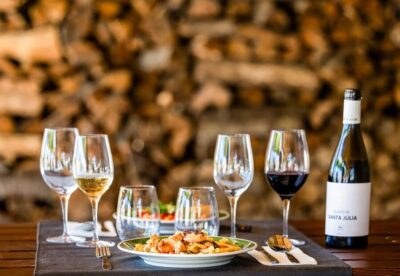
Douro Valley w/ Boat Tour, Wine Tasting & Lunch
Read our review →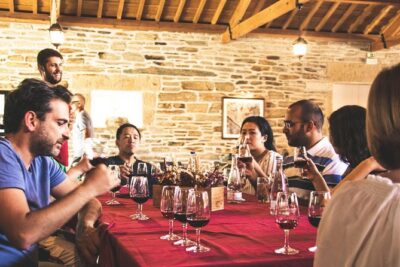
Complete Douro Valley Wine Tour with Lunch, Wine Tastings and River Cruise
Read our review →

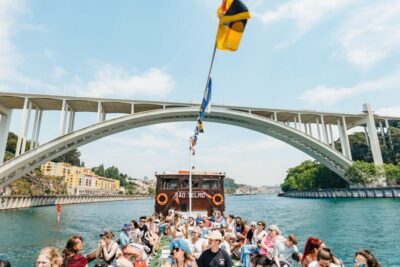
Wine Tour with Lunch, Tastings & River Cruise
Read our review →Browse the lists this tour appears in