

Reviewed · WALKING TOURS
Lisbon: 3-Hour The Slave Trade – An Historical Walking Tour
Lisbon’s grand squares, churches, and old streets tell a beautiful story, but they also hide a painful one. This three-hour historical walk connects the city’s familiar sights with Portugal’s central role in the Atlantic slave trade, a subject still easy to miss on a standard city tour.
I like the small group format and the chance to ask questions as you go. I also like that Rui Fernandes brings an African perspective and links Lisbon’s past to colonialism, economics, racism, and the present day. The main drawback is the amount of information: this is not a light sightseeing stroll, and some visitors may find the subject emotionally demanding.
Key points to know before you book
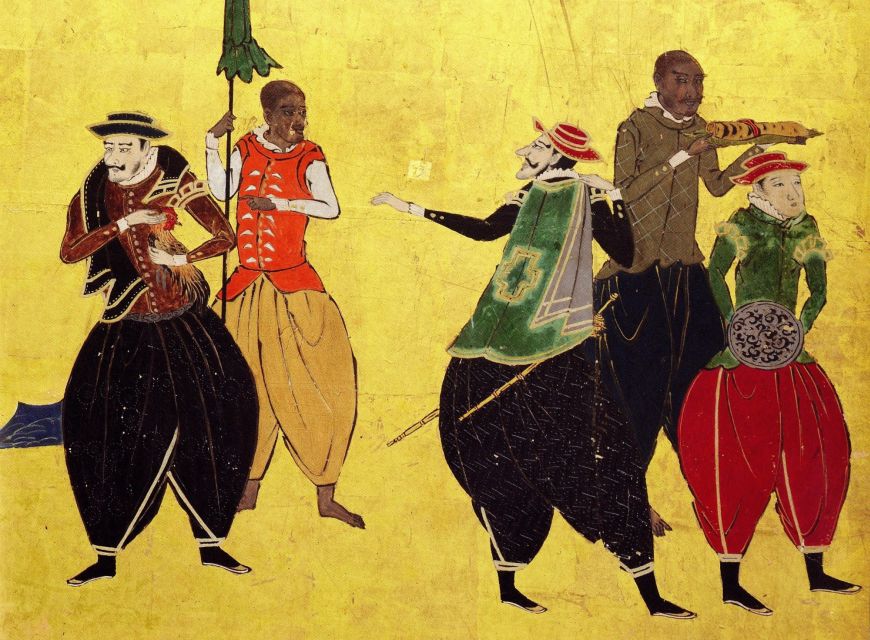
- A serious look at Lisbon’s past: The tour explains how Portugal helped begin the Atlantic slave trade and how slavery shaped the country’s wealth and development.
- Led by Rui Fernandes: Rui is a licensed local guide with a background in history, political science, and economics.
- Starts in Alfama: Meet at Largo do Chafariz de Dentro, in Lisbon’s oldest district, then follow the story through streets, monuments, churches, and public squares.
- Small and discussion-friendly: The group is listed as limited to six participants, though another booking detail gives a maximum of eight, so check the current number when reserving.
- A useful mid-tour pause: One coffee and one restroom break are included, with a café stop that may include a pastel de nata.
- Good value for history-minded visitors: At $35 per person, the tour costs less than many private walks while offering a focused subject and room for questions.
Why this history belongs in your Lisbon itinerary

Many visitors arrive in Lisbon for tiled façades, hilltop views, seafood, and the Age of Discovery. Those things are real parts of the city, but the familiar story can feel polished if it leaves out the human cost behind Portugal’s overseas expansion.
This tour puts that missing part of the picture at the center. In the first half of the 15th century, Portugal began the system now known as the Atlantic slave trade under the direction of Prince Henry the Navigator. Over roughly four centuries, between 12 and 14 million Africans were sold into slavery and transported across the Atlantic to the Americas.
The walk does not treat this as a distant subject belonging only to museums or textbooks. You’ll learn how slavery affected Lisbon itself, including the city’s economy, buildings, daily life, religious institutions, political choices, and connections with Brazil and Portuguese colonies in Africa.
I find the format especially useful because the history is explained where it happened or where its effects could be seen. Instead of hearing a list of dates in a classroom, you’ll look at old streets, public spaces, and grand buildings while considering who benefited from the trade and who suffered under it.
Other guided walks in Lisbon:
- Lisbon: History, Stories and Lifestyle Walking Tour
★ 4.8 · 10,902 reviews - Best of Lisbon Small-Group Guided Walking Tour
★ 5.0 · 4,869 reviews - Lisbon: Food and Wine Small Group Walking Tour
★ 4.9 · 4,082 reviews
Starting in Alfama at Largo do Chafariz de Dentro
Your meeting point is Largo do Chafariz de Dentro, a square in Alfama. This is a practical starting place because Alfama is Lisbon’s oldest district and its winding streets offer an immediate sense of the city’s long layers of settlement and change.
The walk begins with the wider background: slavery in the Iberian Peninsula before the Atlantic system, the rise of Portuguese maritime expansion, and the creation of a trade that moved African people by force across the ocean. Rui then places Lisbon inside that story.
Do not expect the tour to be a checklist of famous viewpoints. The point is to reconsider ordinary places. Street names, building features, former uses of major structures, and the layout of old neighborhoods can all help explain how slavery was present in the city.
The Alfama start also gives the tour a strong sense of place. You begin among cobbled streets and old buildings rather than at a modern museum or an isolated memorial. That makes the subject harder to keep at a comfortable distance.
From old streets to Lisbon’s public face
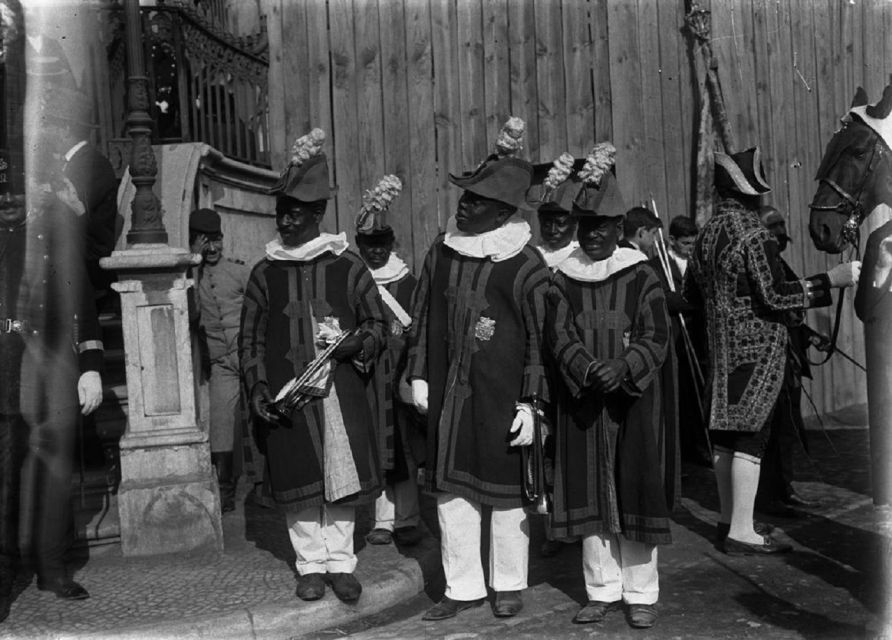
As you move through back streets and main avenues, Rui connects the city’s public image with the less comfortable history beneath it. The route includes monuments, churches, and public squares, though the supplied details do not provide a fixed stop-by-stop list. That means the exact sequence may vary, so book this for the interpretation rather than for a specific monument count.
You’ll hear about the Age of Discovery, Portugal’s overseas expansion, and the financial and political systems that supported the trade in human beings. The tour also looks at the role of religion and the moral arguments used to justify or challenge slavery.
This part matters because Portugal’s role was not limited to ships crossing the Atlantic. Slavery involved merchants, officials, landowners, religious bodies, port activity, colonial administration, and consumers. A walking tour through central Lisbon can show how a city’s prosperity was connected to decisions made far beyond the waterfront.
Rui uses visual material during parts of the walk, including relevant pictures to help explain people, places, and events. That is useful when a building has changed purpose or when the historical appearance of a site is no longer obvious.
The pace is described as relaxed, with little steep uphill walking. Some cobbled surfaces and urban walking are still part of the experience, so comfortable shoes are essential. The route is not presented as a difficult hike, but Lisbon’s streets can still be tiring after several hours.
What daily life meant for enslaved people in Lisbon
One of the tour’s most valuable sections deals with the everyday life of enslaved Africans in historical Lisbon. This moves the discussion beyond dates and trade routes.
You’ll consider what it meant to live as an enslaved person in the city, rather than hearing only about merchants, explorers, kings, and colonial administrators. That change in focus gives the subject a human scale and helps you understand slavery as a system that shaped daily routines, work, movement, family life, and social status.
The tour also addresses the presence of the Black community in Lisbon. That is important because the city’s African connections are often presented only as part of Portugal’s overseas story, not as part of life in Lisbon itself.
Rui’s own background as an African guide adds a personal and social dimension to the subject. The tour information also notes that he connects parts of the discussion with family history. He does not simply recite a prepared script. He welcomes questions, takes time with difficult points, and works to include everyone in the group.
That approach is particularly helpful for visitors with family connections to slavery or African history. The discussion is difficult, but the guide is described as sensitive and inclusive rather than theatrical or sensational.
Same base, a different kind of day out:
- Lisbon City Center Tour – The Unmissable Lisbon
★ 5.0 · 22,234 reviews - Lisbon: Sintra, Pena, Regaleira, Cabo da Roca & Cascais
★ 4.7 · 19,656 reviews - Lisbon: Jerónimos Monastery Entrance Ticket
★ 4.1 · 14,164 reviews - Lisbon: Sunset Boat Party Cruise with DJ and Open Bar
★ 4.5 · 10,378 reviews
Brazil, abolition, and Portugal’s African colonies
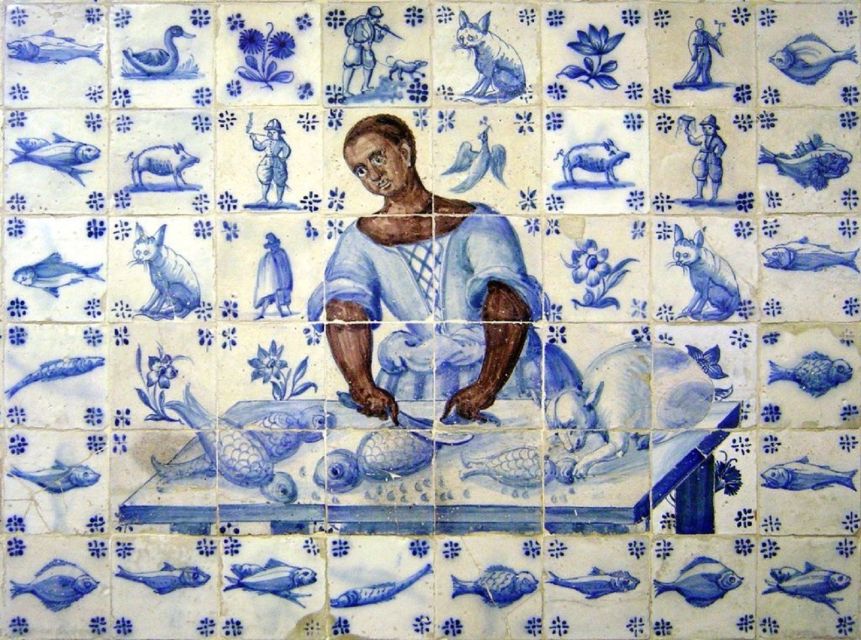
The middle and later parts of the walk widen the focus beyond Lisbon. Brazil receives special attention because it was central to Portugal’s colonial economy and to the Atlantic slave system.
You’ll examine the links between Portugal, Brazil, trade, wealth, and forced labor. This helps explain why Lisbon’s prosperity cannot be separated from events across the Atlantic. The tour also covers the abolition of the slave trade in Portugal, Portuguese colonies in Africa, and the later struggle for liberation led by African nationalists.
That wider timeline is one of the best reasons to choose this experience early in your stay. It gives you a framework for understanding other sights, museums, and conversations during your time in Portugal.
At the same time, three hours is not enough to explain every aspect of slavery in Iberia, Brazil, Africa, the Caribbean, and the wider Atlantic world. Rui aims for depth, but the subject is vast. If you ask a lot of questions, the route may run longer than the advertised three hours. Several experiences have lasted closer to three and a half hours, so leave some space afterward.
Rui Fernandes and the value of a small group
The guide is a major part of this experience. Rui Fernandes is presented as a licensed local guide with training in history, political science, and economics, and he leads the tour in English.
His strongest qualities are clarity, patience, and command of the subject. He speaks at an even pace, makes room for questions, and can explain how historical events connect to politics and economics without turning the walk into a lecture full of jargon.
The small group is more than a marketing detail. With a maximum of six participants according to the main information, you can ask about a building, pause over a difficult point, or connect the material to your own background without shouting across a crowd. Another activity detail lists a maximum of eight, so confirm the current group cap when booking.
Rui also remembers participants’ names and works to make the discussion inclusive. That may sound minor, but on a serious subject it changes the mood. You are more likely to ask a question when the guide knows who you are and gives you time to finish your thought.
The small group also makes the tour flexible. Rui can spend more time on a point that interests everyone, answer questions about present-day Portugal, or offer suggestions for food, shops, and public transportation after the walk.
The café pause and practical comfort
A coffee and restroom break are included. The stop is short, but it is well timed for a three-hour walking tour, especially in warm weather.
The pause may include a café and a pastel de nata, giving you a small taste of ordinary Lisbon rather than another formal attraction. It also gives you time to absorb the subject before the tour moves into later periods of Portuguese colonial and African history.
Wear comfortable shoes. Cobblestones can be hard on your feet, even when the route has few steep slopes. In hot weather, bring water and use the break to get out of the sun. The guide has adjusted the pace and looked for shade during warm walks, but weather remains a factor.
Pets are not allowed. Hotel pickup and drop-off are not included, so you need to reach Largo do Chafariz de Dentro on your own and make your own way back afterward.
Is $35 a fair price?
At $35 per person, this is good value if you want a focused historical experience rather than a quick introduction to Lisbon’s headline sights.
The tour lasts three hours, includes a live English-speaking guide, local taxes and fees, a café and restroom break, and a small group setting. A private guide would normally cost much more, while a large general city tour would not offer the same time for questions or the same attention to this subject.
The value comes from the interpretation. You are not paying simply to walk through Alfama. You are paying for a guide who can connect places, events, economics, colonial history, and modern consequences.
Still, the price may not feel worthwhile if you want a relaxed orientation tour with lots of photo stops. The emphasis is education, context, and discussion. You should also expect a serious mood rather than a cheerful sightseeing circuit.
Free cancellation up to 24 hours before the start gives you some flexibility, and the reserve-now-pay-later option can help if your Lisbon schedule is still changing.
Who should take this walking tour?
I would choose this tour if you are interested in Portuguese history, the Atlantic slave trade, colonialism, African history, or the way cities remember difficult events.
It also suits visitors who have already seen Lisbon’s basic sights and want a stronger understanding of what made the city wealthy and powerful. The tour works for solo visitors, couples, families with older children, and small groups who enjoy asking questions.
It may be less suitable for young children or anyone expecting an entertaining sightseeing show. The subject includes the forced sale, transport, and exploitation of millions of Africans. You need to be ready for an honest discussion of cruelty, racism, political power, and long-term harm.
The relaxed pace makes it manageable for many ages, and the route includes little steep uphill walking. Still, it remains a three-hour walk on city streets, so anyone with mobility concerns should ask for current route details before booking.
Should you book it?
Yes, if you want to understand Lisbon beyond its postcard image. The tour explains Portugal’s role in the Atlantic slave trade with care, connects that history to the places around you, and leaves time for real questions.
Book it early in your Lisbon stay if possible. Rui’s advice on public transportation, nearby food, shops, and other sights can help shape the rest of your visit. Just reserve enough time afterward, wear good shoes, and arrive ready for a serious subject.
Skip it only if you want a light, general sightseeing walk. For everyone else, this is a thoughtful way to see Lisbon more honestly, with the city’s beauty and its painful past in the same frame.
FAQ
How long does the tour last?
The advertised duration is three hours. Some walks may last closer to three and a half hours, especially when the group has many questions.
What language is the tour conducted in?
The tour is conducted in English.
Who leads the tour?
The tour is led by Rui Fernandes, a licensed local guide with a background in history, political science, and economics.
Where does the tour meet?
Meet your guide at Largo do Chafariz de Dentro, a square in Alfama.
What is the main subject of the walk?
The tour focuses on Portugal’s role in the Atlantic slave trade and how slavery shaped Lisbon, Portugal, Brazil, Portuguese Africa, and later struggles for liberation.
How large is the group?
The tour information describes a small group limited to six participants. Another booking detail lists a maximum of eight, so confirm the current group limit when booking.
Is a coffee break included?
Yes. One coffee and one restroom break are included. The stop may take place at a café.
Does the tour include hotel pickup or drop-off?
No. Hotel pickup and hotel drop-off are not included.
What should I bring?
Bring comfortable shoes for walking on Lisbon’s streets and cobblestones.
Can I cancel for a refund?
Yes. You can cancel up to 24 hours in advance for a full refund. The reserve-now-pay-later option also lets you hold a place without paying immediately.
More Historical Tours in Lisbon
- Lisbon: Live Fado Show with Port Wine in Historic Center
★ 4.7 · 4,166 reviews - Lisbon: Fado Show with Wine in a Historic Venue
★ 4.8 · 1,294 reviews - Explore Lisbon by Tuk Tuk: History and Viewpoints
★ 5.0 · 840 reviews - Lisbon: Daytime or Sunset Boat Cruise with History and Wine
★ 4.9 · 819 reviews
Just added in Lisbon
- Half day Spa Water Therapy experience at THE SPA at Corinthia Lisbon★ 4.5 · 51 reviews
- Lisbon Cinematic Photoshoot with Top-Rated Photographer★ 5.0 · 76 reviews
- Central Lisbon E-Bike Tour★ 5.0 · 168 reviews
- Small-Group Sailing Tour on the Tagus River from Lisbon★ 5.0 · 78 reviews
- Lisbon Sailing Catamaran Public Cruise with drinks★ 5.0 · 304 reviews
- Alfama and the Castle of Saint George Skip the line Tour★ 5.0 · 53 reviews
- City Centre Run in Lisbon★ 5.0 · 164 reviews
- Boat tours in the Óbidos Lagoon★ 5.0 · 100 reviews
Walking Tours, compared.
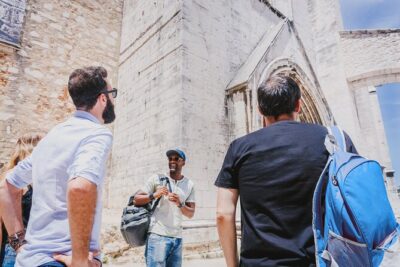
Best of Lisbon Small-Group Guided Walking Tour
Read our review →
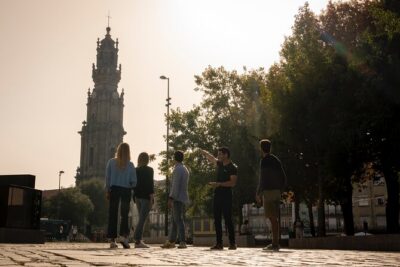
Porto Walking Tour, Lello Bookshop, River Cruise and Cable Car
Read our review →
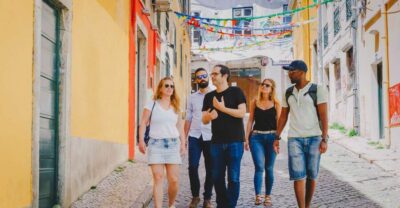
Best of Lisbon Walking Tour: Rossio, Chiado & Alfama
Read our review →
Experience Porto’s Charm: 3-Hour Guided Walking Tour
Read our review →
Browse the lists this tour appears in