
Reviewed · DOLPHIN WATCHING
Horta: University Startup Whale and Dolphin RIB Boat Trip
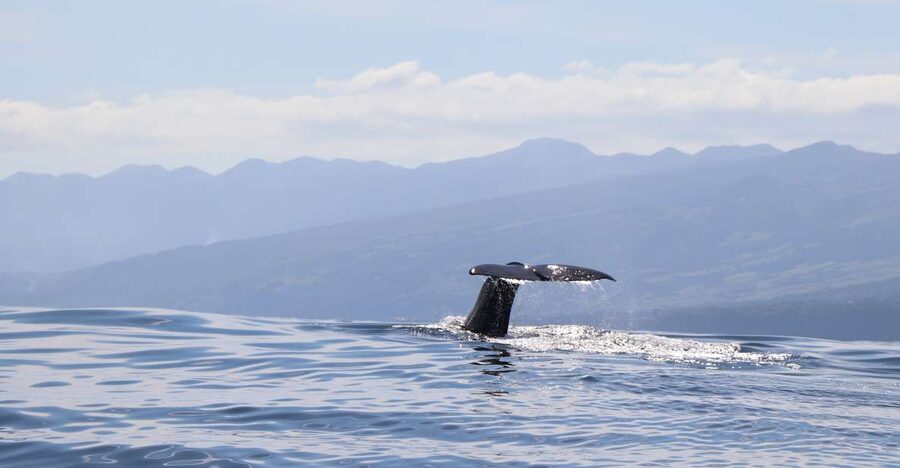
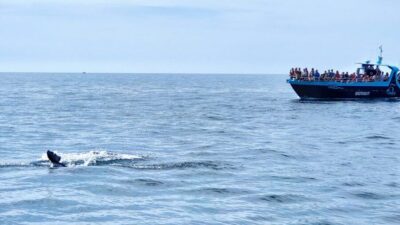
A sperm whale surfacing beside a small RIB is the sort of sight that makes the Azores feel wonderfully wild. This three-hour trip from Horta uses land-based whale spotters and puts a University of Lisbon and Azores marine researcher on board, so you get more than a quick animal sighting.
I like the mix of serious field work and hands-on excitement. I also like the small, fast boat, waterproof clothing, and careful approach to wildlife. The trade-off is simple: a semi-rigid boat can feel rough, and one trip cannot promise whales. Weather may also force a change of date.
Key points to know before you book
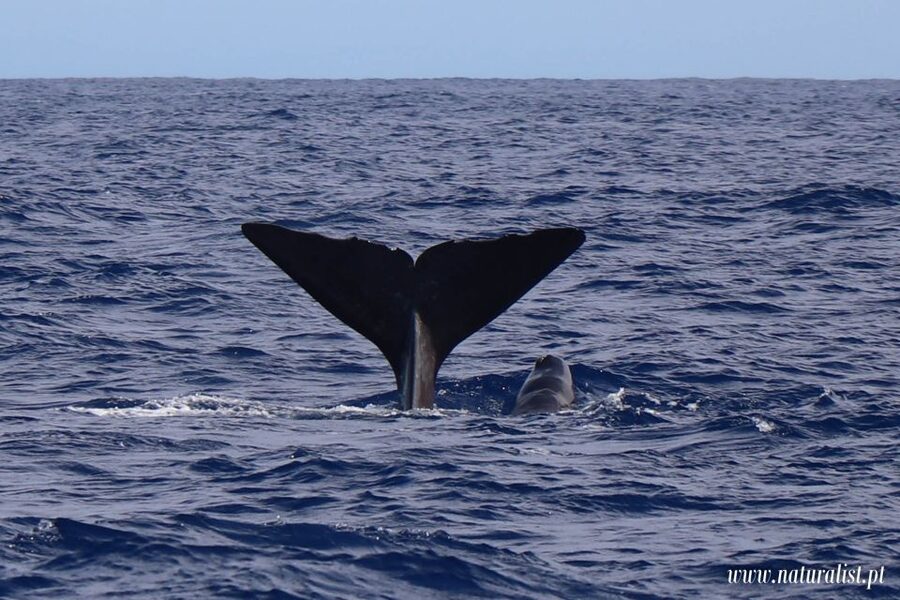
- Resident sperm whales: You have a year-round chance to see these large, powerful whales around Faial and Pico.
- Seasonal whale variety: Blue and fin whales are most associated with spring, while sei, humpback, and Bryde’s whales may appear at other times.
- A marine biologist rides along: Guides such as Anna and Cristiana have explained animal behavior, identification, and conservation during past trips.
- Fast RIB transport: The 16-person boat covers water quickly, but the ride can be bumpy and wet, especially near the front.
- More than whales: Dolphins, loggerhead turtles, seabirds, flying fish, squid, sharks, and sunfish may all turn up.
- Research with your excursion: Part of the value comes from joining a company that supports marine research while taking you outdoors.
Why this Horta whale-watching trip feels different
Many whale trips are mainly about getting out to sea and hoping for a sighting. Here, the search begins before the boat leaves. Naturalist, Science & Tourism works with whale spotters on Faial and Pico, who watch from land and help direct the boat toward active areas.
That matters in the Azores. The sea is broad, and wildlife is not placed on a schedule. A skilled spotter can save time and help the skipper choose a better route. It does not guarantee a whale, but it gives your three hours a stronger purpose than simply heading offshore at random.
The company also places a marine researcher or biologist on the RIB. That person helps explain what you are seeing, why the animals behave as they do, and how species are identified at a distance. Anna and Cristiana have both led trips described as especially informative, and the researchers may also collect data during the outing.
I like this approach because it turns a sighting into a lesson. A dorsal fin, blow, or brief surfacing becomes part of a larger story about migration, feeding, social behavior, and the Azorean marine environment.
Other days on the water around Azores:
- Boat Trip to Corvo and Island Sightseeing Tour
★ 4.8 · 141 reviews - Faial Island: Unique boat tour to the Capelinhos volcano
★ 4.9 · 50 reviews - From Porto: Douro Valley w/ Boat Tour, Wine Tasting & Lunch
★ 4.7 · 19,061 reviews
Leaving Horta Marina in a 16-person RIB
You meet at Naturalist, Science & Tourism Whale Watching in Horta Marina. Arrive 15 minutes before departure, at 8:45 a.m. for the 9 a.m. trip or 1:45 p.m. for the 2 p.m. departure.
The outing begins with a safety briefing of about 10 minutes. Listen closely. The boat is a semi-rigid inflatable, often called a RIB, and the crew needs everyone to understand seating, movement, and basic safety before the engines start.
The boat holds up to 16 people. Actual group size can be smaller. One past outing had 11 passengers and two marine biologists, a comfortable arrangement that left room for good viewing without making the trip feel crowded.
You receive waterproof jacket and trousers. This is important, not decorative. Open-water spray and changing conditions can leave you wet, especially if you sit toward the bow. Wear shoes that can handle water or dry quickly. Food and drinks are not included, so eat beforehand and bring anything you need within the operator’s rules.
The RIB is part of the fun. It can move quickly between sightings and gives you a low, close position on the water. But speed comes with motion. The ride may feel turbulent in rougher weather, and the front seats take the most spray and bouncing.
The search for whales and dolphins
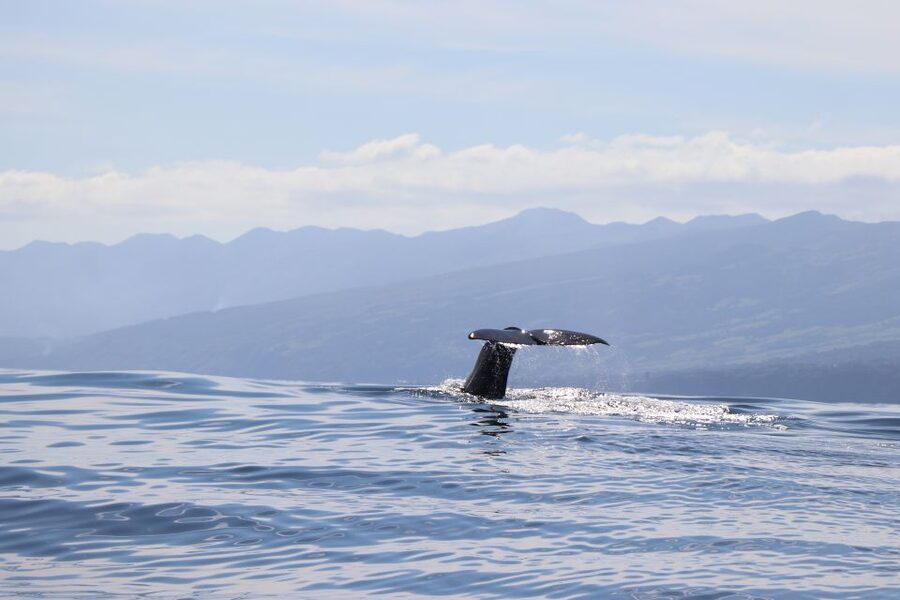
Once offshore, the crew uses information from the land-based spotters and watches the water for signs of life. The marine researcher helps interpret the scene while the skipper positions the boat with care.
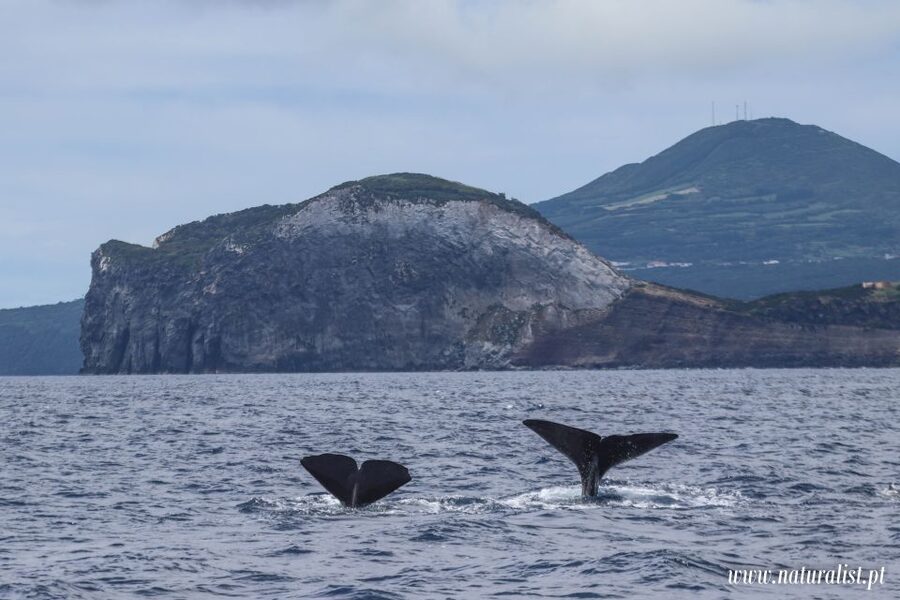
The Azores have more than 25 cetacean species in the wider region. A normal outing may produce two or three different species, though nature can offer more. The most dependable large whale is the sperm whale, which lives in the area throughout the year.
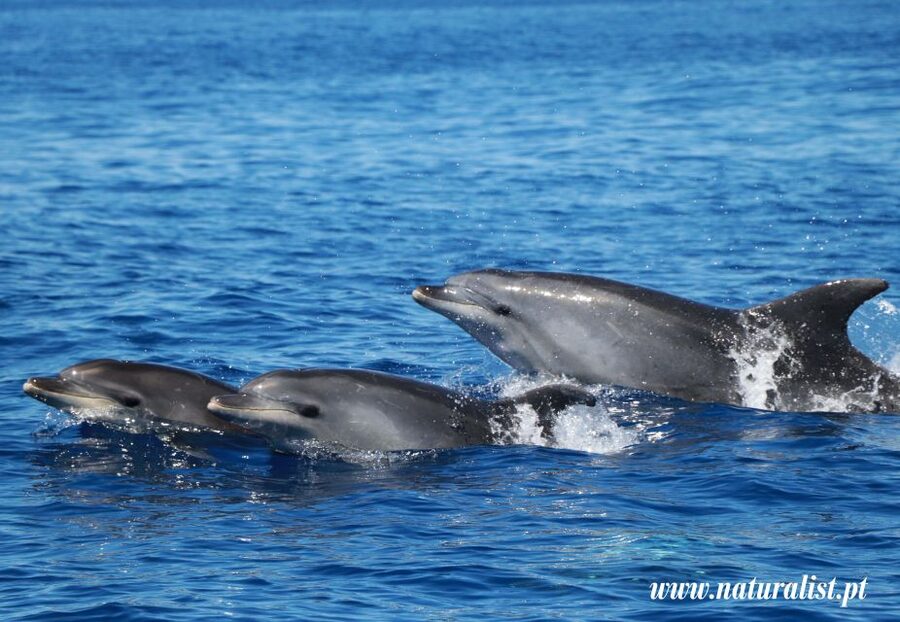
Season changes your chances and the possible cast of animals. Blue and fin whales are associated with spring migration. Sei whales and Bryde’s whales can occur in summer, and humpback whales also pass through as migratory animals. Dolphin species, including bottlenose, Risso’s, and common dolphins, are resident, with additional species moving through.
This is not a show with a set performance time. You may see a whale surface, breathe, and disappear before returning. Dolphins may travel in groups, ride near the boat, or remain farther away. The crew’s job is to give you the best respectful view available without chasing or crowding the animals.
Past outings have included three types of whales, sperm whales with large groups of dolphins, and combinations such as sperm, sei, and humpback whales. Another trip produced sei and Bryde’s whales alongside several dolphin species. Those are strong possibilities, not promises, and you should book with that distinction clear in your mind.
What the wildlife encounters can look like
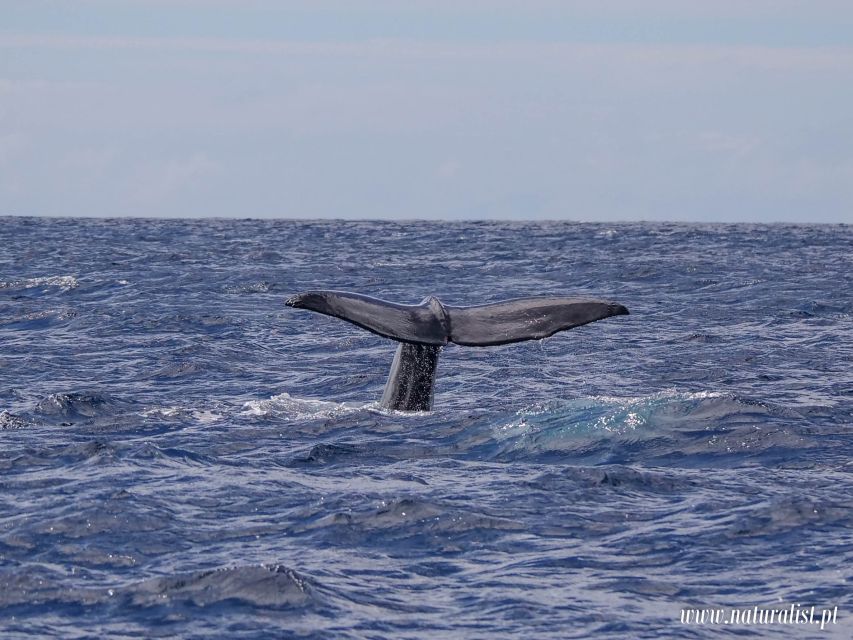
The main goal is whale and dolphin watching, but the Azorean sea can offer a much wider list.
Sperm whales are the regular headline species. Their large bodies and distinctive blows can make them easier to identify than smaller cetaceans, although the first sighting may still be brief. Seeing several together, as happened on one spring outing, is a memorable stroke of luck.
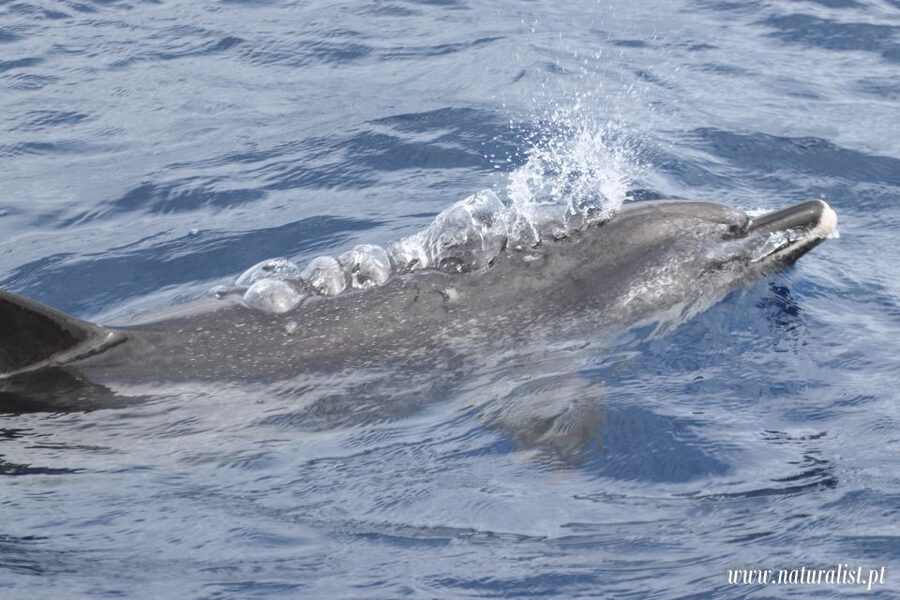
Dolphins often add movement to the trip. Bottlenose, Risso’s, and common dolphins live around the islands, and migratory species may also appear. Groups can number in the dozens or more. If they approach the RIB, you may see them moving through the wake or surfacing close to the boat, but the crew cannot control their direction.
Turtles are another possibility. Loggerhead and green turtles live in the Azores, while leatherback and Kemp’s ridley turtles may also occur. A loggerhead sighting is not a substitute for a whale, but it gives the trip a wider ecological focus.
Keep watching between major sightings. Flying fish, squid, octopus, hammerhead and blue sharks, and ocean sunfish can appear. The exact chance of seeing any one of these animals is not given, so treat them as possible extras rather than expected stops.
Birdwatching also fits naturally into the trip. Cory’s, great, and Manx shearwaters may pass overhead or sit on the water. Common and roseate terns are also possible. One autumn outing included shearwaters and tuna, showing how a good day can become a general marine wildlife trip rather than a single-species hunt.
Other trips out to look for dolphins from Azores:
- Terceira: Whale & Dolphin Watching | Best Wildlife Tour
★ 4.7 · 55 reviews - Terceira: Swimming with Wild Dolphins | Natural Habitat
★ 4.8 · 51 reviews - Albufeira: 2.5-Hour Benagil Caves & Dolphin Watching
★ 4.6 · 10,710 reviews - Albufeira: Benagil Caves & Dolphin Watching Speed Boat Tour
★ 4.6 · 6,316 reviews
A guide who explains what you are seeing
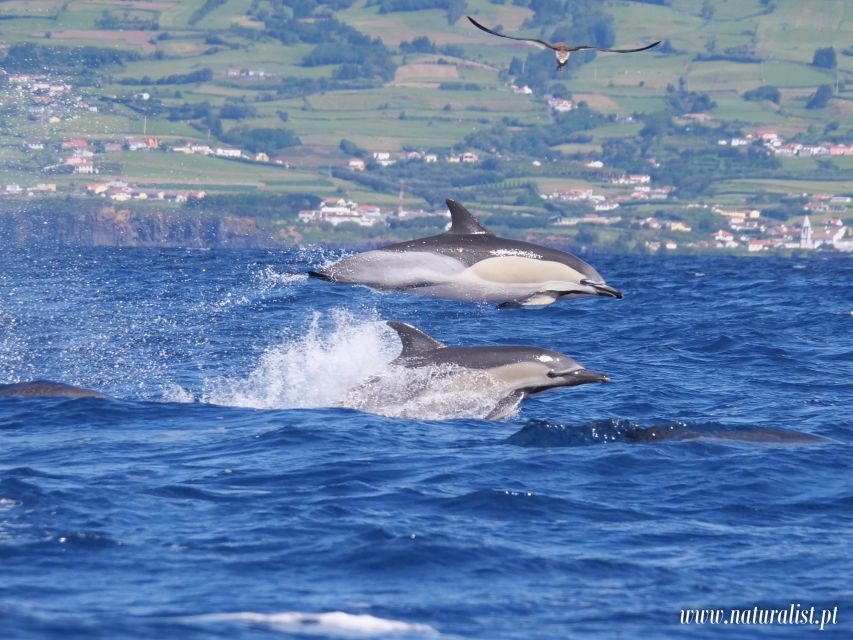
The strongest part of the experience is the science on board. A marine biologist can explain the difference between a sperm whale blow and another whale’s blow, identify dolphin species, and put seasonal sightings into context.
You are not simply handed a list of names. Good guiding helps you understand why an animal is there and what it is doing. When the boat waits, changes direction, or holds back, the researcher can explain the reason. That makes the operator’s emphasis on animal welfare easier to understand.
Anna has been praised for detailed explanations, and Cristiana has provided both identification and background during trips with two marine biologists. On some outings, a researcher has taken photographs of the animals and later supplied the best images as a complimentary extra.
The tours are conducted in English or Portuguese. The main activity information also notes Spanish availability and says French may be requested ahead of time, depending on staff availability. If language matters to you, confirm it before booking rather than assuming every departure has the same guide.
A short itinerary with real open-water time
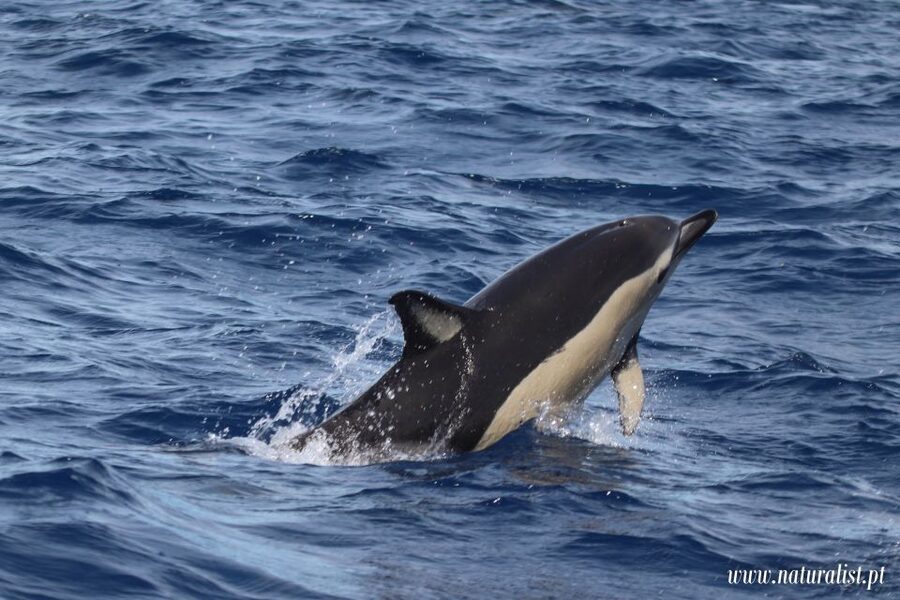
The formal itinerary is simple, but the experience has several distinct stages.
Safety briefing: Allow about 10 minutes at the marina. You receive instructions before boarding and get ready in waterproof clothing.
Boat departure and scenic run: The RIB heads out from Horta, giving you views across the water toward the surrounding islands and open sea. The fast ride is exciting, though rough conditions can make it tiring.
Wildlife search: This is the main part of the three-hour outing. The crew combines land-based information with direct observation. You may pause for whales, move toward dolphins, or shift position to find another active area.
Guided viewing and photography: The researcher discusses the animals while you watch. The crew may take photographs, and some trips have provided selected images afterward.
Return to Horta: The boat comes back after roughly three hours. Conditions can affect the exact route and timing, so keep the rest of your day reasonably flexible.
One detail worth noting: the published itinerary lists a 30-minute guided wildlife and photo stop, but the full expedition lasts about three hours. Think of that shorter listing as a named part of the program, not the total time at sea.
Is the $101 price fair?
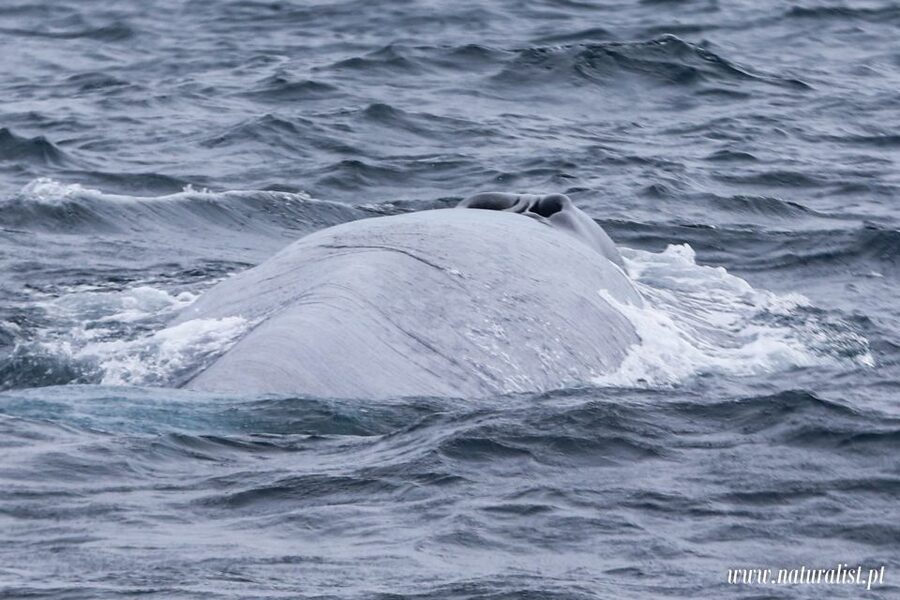
At $101 per person, this is not the cheapest way to look at the Atlantic. It is also not just a boat ride. Your price includes the marine researcher, safety insurance, waterproof clothing, and the introductory briefing about local animals.
The researcher adds real value if you care about learning, photography, conservation, or species identification. You are also supporting an operation connected with university research, which gives the outing a useful purpose beyond sightseeing.
The small RIB is another part of the price. It carries up to 16 people rather than a large crowd, and its speed allows the skipper to respond when wildlife is spotted. The downside is comfort. A larger vessel may offer a steadier ride, while this boat gives you a more direct feel for the sea.
I would call the cost reasonable for someone who wants a focused wildlife expedition with scientific guidance. If you only want a guaranteed close look at a whale, no operator can honestly provide that. The price buys a serious attempt, not certainty.
Weather, comfort, and the chance of no whales
Weather controls this activity. Trips can be rescheduled if conditions are unsuitable, with a full refund if the operator cancels. One storm led to a change of date and even made it possible for the group to start from Pico instead, with strong communication from the crew.
That flexibility is useful, but it also means you should avoid placing this outing on the final few hours of your Azores visit. Give yourself another possible date if you can.
The sea may be rough. A spring trip was described as turbulent during the ride, while an autumn trip had periods of rough water and a good chance of getting wet. The waterproof trousers and jacket help, but they do not turn a RIB into a calm viewing platform.
You should not book if you are pregnant, have serious back problems, have had recent surgery, or are bringing a child under five. These restrictions fit the boat and the motion. If you are prone to seasickness, the supplied information does not promise medication or a calm crossing, so ask the operator directly before reserving.
Most important, accept that wildlife is wild. One outing produced no whales, despite being considered a good experience overall. That is the honest risk. The dolphins, seabirds, turtles, tuna, and smaller marine life can still make the trip worthwhile, but you should not measure the day only by the number of whales.
Who will enjoy this trip most
I would choose this excursion if you want:
- A small-group boat rather than a large sightseeing vessel
- A fast, active ride across open water
- Detailed explanations from a marine researcher
- A chance to see several species, not only whales
- An activity connected with wildlife data and university research
- Flexible scheduling during a stay in Faial or Pico
It suits adults, older children over five who can handle the motion, wildlife photographers, birdwatchers, and anyone curious about marine science. It is less suitable if you need a smooth ride, guaranteed sightings, or a long, quiet viewing platform.
The morning and afternoon departures make it easier to fit around time in Horta. Still, keep your schedule open after the trip in case conditions change or the sea leaves you ready for a slower afternoon.
Should you book the Naturalist Horta whale tour?
Book it if you value expert interpretation, responsible wildlife viewing, and a small RIB adventure more than a guaranteed checklist of species. The land-based spotters, university researcher, waterproof gear, and careful skipper make this a well-rounded choice at $101.
I would skip it if rough water is a serious concern, if you have a medical reason to avoid a semi-rigid boat, or if your schedule cannot absorb a weather change. For everyone else, this is a strong way to meet the Azores at sea, with sperm whales possible year-round and a long list of dolphins, birds, turtles, and other marine life waiting beyond Horta.
FAQ
Where does the whale-watching trip leave from?
The tour leaves from Naturalist, Science & Tourism Whale Watching in Horta Marina, Faial. You should arrive 15 minutes before departure.
How long does the experience last?
The expedition lasts about three hours. Departures are scheduled for 9 a.m. and 2 p.m., subject to availability and weather.
What animals might I see?
Possible sightings include sperm, blue, fin, humpback, sei, and Bryde’s whales; bottlenose, Risso’s, and common dolphins; loggerhead and green turtles; seabirds; flying fish; squid; octopus; sharks; sunfish; and tuna.
Are whales present all year?
Sperm whales are resident year-round. Blue and fin whales are associated with spring, while sei, humpback, and Bryde’s whales can occur during other seasonal periods. Wildlife sightings are never guaranteed.
Is a marine biologist included?
Yes. A marine researcher from the University of Lisbon and the Azores is included on board to provide information and collect data. Guides named Anna and Cristiana have led previous trips.
What should I wear?
Waterproof clothing is provided. Wear shoes that are waterproof or dry quickly, since the RIB can create spray and conditions may be rough.
Who should not take this tour?
The activity is not suitable for children under five, pregnant women, people with back problems, or people who have had recent surgery. It uses a semi-rigid RIB boat.
More whale watching from Azores
- Pico Island: Whale Watching Experience from Lajes
★ 4.9 · 492 reviews - From Funchal: Ecological Catamaran Dolphin Whale Watching
★ 4.5 · 5,771 reviews - Funchal: Dolphin and Whale Watching Catamaran Cruise
★ 4.5 · 5,697 reviews - From Ponta Delgada: Whale and Dolphin Watching Trip
★ 4.7 · 4,109 reviews
Just added in Azores
- Faial Island: Full Day Tour – Nature and Local Culture★ 5.0 · 213 reviews
- Full-Day Private Tour of Faial★ 5.0 · 40 reviews
- Faial Island: Half Day Tour★ 5.0 · 99 reviews
- Terceira Island: Full Day Tour★ 5.0 · 63 reviews
- Wines and Moonshines of Terceira★ 5.0 · 55 reviews
- PHOTO TOUR (Full Day Private Tour- Sunrise to sunset)★ 5.0 · 68 reviews
- BEST VIEW TOUR(Full Day Private Tour)★ 5.0 · 106 reviews
- UNDERGROUNDTOUR (Full Day Private Tour)★ 5.0 · 52 reviews
Dolphin Watching, compared.
Benagil Caves & Dolphin Watching Speed Boat Tour
Read our review →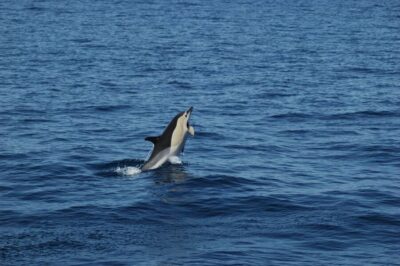
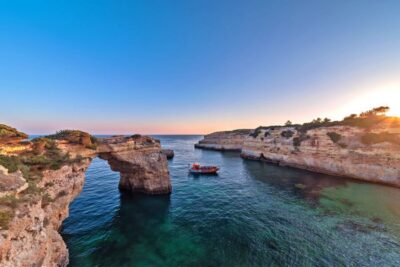
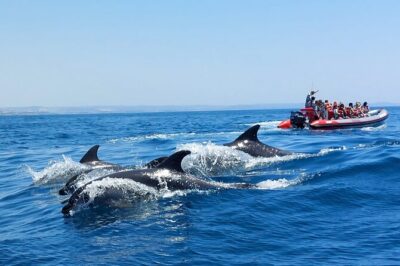
Dolphins Search and Benagil Caves from Albufeira
Read our review →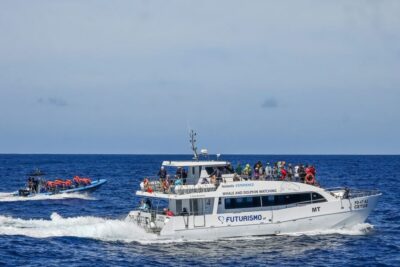
Benagil Caves & Dolphins Watching with Biologist
Read our review →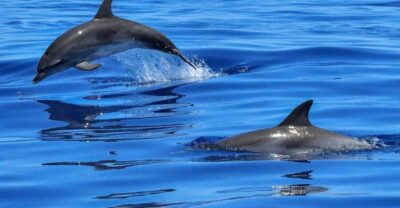
Tagus River Cruise to the Ocean & Dolphin Watching
Read our review →Browse the lists this tour appears in