
Reviewed · BRAGA & GUIMARÃES DAY TRIPS
Guimarães: Palace of the Dukes of Bragança Entry Ticket
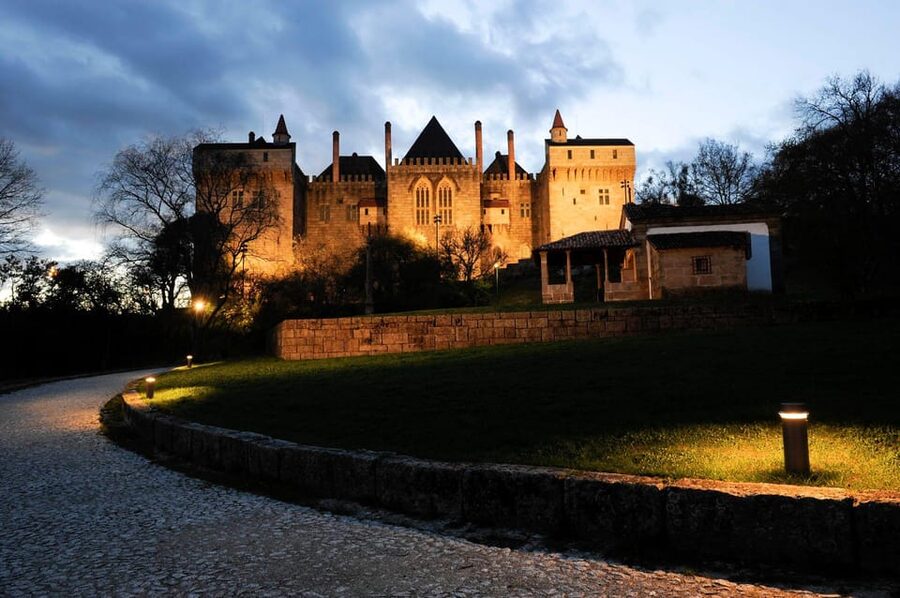
The Palace of the Dukes of Bragança gives you a close look at how a powerful Portuguese household was meant to live. Built in the 15th century by D. Afonso, the first Duke of Bragança, the palace now presents its rooms as a great home rather than a bare monument. I like the house-by-house layout, which makes the collections easier to understand, and the chance to see porcelain, paintings, furniture, weapons, and historic textiles in their original setting. The main drawback is that renovation work is under way, so some parts may not look their best.
At $5 per person, this is an easy addition to a day in Guimarães, especially since the ticket lasts for one day and includes the booking fee. You should know that there is no guided tour, the ticket is non-refundable, and the palace is not suitable for wheelchair users.
Key points to know before you go
- A 15th-century ducal home: The palace was founded by D. Afonso, the first Duke of Bragança, and is tied to the rise of the House of Bragança.
- Rooms arranged as a real residence: The permanent displays are set up so you move through halls and chambers as if visiting a noble household.
- Collections beyond paintings: Expect porcelain, furniture, sculpture, weapons, and historic textiles from the 17th and 18th centuries.
- A very low admission price: The $5 ticket includes entry, museum collections, and the booking fee.
- Renovation affects the visit: The reduced price reflects current work on the building.
- A useful central stop: After the palace, you can continue exploring Guimarães on foot from its central location.
Why the Palace of the Dukes matters
Guimarães is closely linked with the early story of Portugal, and this palace adds a more personal side to that story. Instead of focusing only on battles and rulers, it shows the setting in which a noble family worked, received visitors, stored possessions, and displayed its status.
D. Afonso, the first Duke of Bragança, built the palace in the 15th century. The House of Bragança later became one of Portugal’s most important royal families. That connection gives the building more weight than a simple old residence. You are seeing the birthplace of a family line that played a major part in Portuguese public life.
The building is described as a strong example of seigneurial architecture. In plain terms, it was made to project power. Its size, formal rooms, decorative objects, and military pieces all helped announce the importance of the household.
The palace you see today has been restored and arranged as a museum. Restoration can make an old building easier to read, though it also means the rooms are not untouched time capsules. I find the benefit greater than the drawback here because the furnished displays help you understand how the rooms were used.
Other Minho towns within reach of Braga:
- Braga: Tuk Tuk City Tour
★ 4.8 · 156 reviews - From Porto: Braga and Guimarães Small Group Tour with Lunch
★ 4.7 · 54 reviews - Sightseeing Tours by Electric Tuk-Tuk in Guimarães
★ 4.8 · 49 reviews
Entering the palace and finding your bearings
Your visit begins with the palace itself, not with a bus ride or a long walk from an outlying parking area. Its central position in Guimarães makes it a practical first stop before you continue into the city.
Allow yourself time to look up and around as you enter. The building’s value is not limited to individual objects. The scale of the rooms, the arrangement of doors and chambers, and the sense of moving through a formal residence all help explain how noble life was organized.
You do not need a full-day schedule for the palace alone, but your ticket is valid for one day. That gives you flexibility if you are combining this visit with other sights in Guimarães. It also means you do not need to rush through every room simply because your admission is tied to a narrow entry slot.
The opening hours are 10 a.m. to 6 p.m., with final admission at 5:30 p.m. I would arrive well before the final half-hour. A late entry leaves little room for the collections, especially if renovation changes the route or slows movement through the building.
Moving through the permanent exhibition
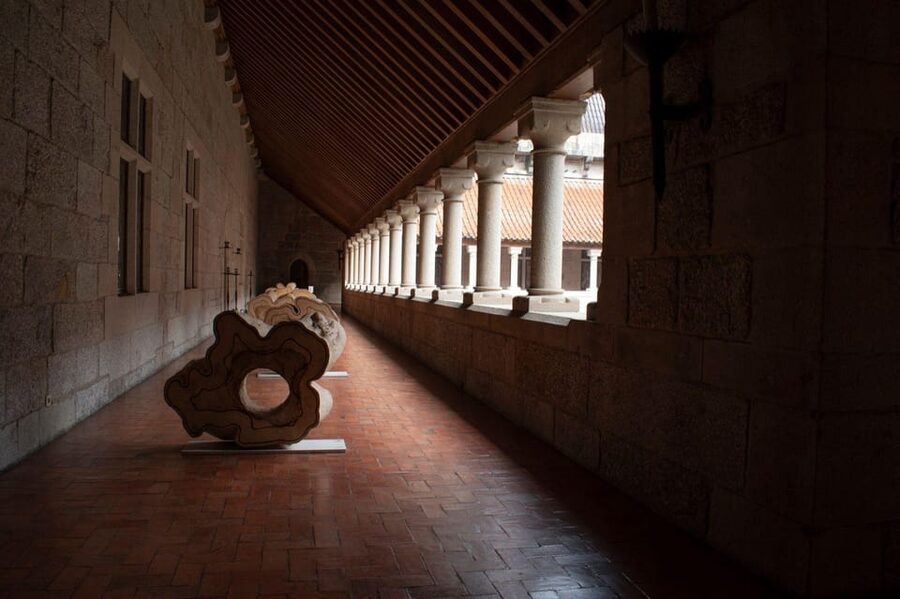
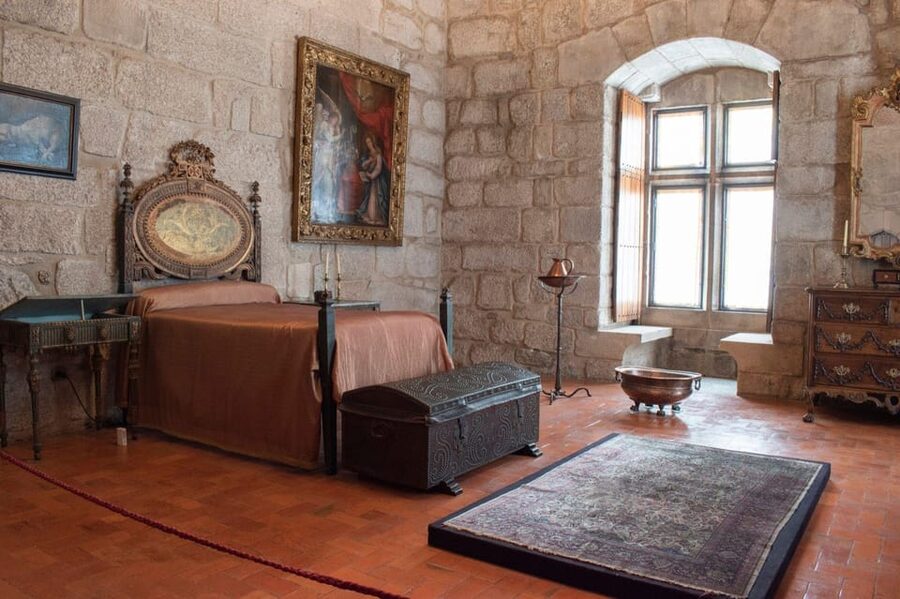
The permanent exhibition is arranged to feel like a home. This is one of the best ideas in the visit because it gives each object a job and a setting.
A piece of furniture is easier to understand when it sits in a furnished room. A painting has more impact when it appears among the objects that would have surrounded a noble family. Weapons also make more sense when you see them as part of a household shaped by rank, protection, and ceremony.
You will pass through different spaces with different purposes. The supplied information does not provide a room-by-room route, so you should not expect a fixed itinerary with named chambers or a formal performance by staff. Instead, think of the visit as a self-guided walk through a carefully arranged residence.
Take your time in the larger halls. These rooms help you read the palace as a place built for display and social power. Smaller rooms can be just as useful, since they give a sense of how a grand home was divided into public and private areas.
There is no guided tour included. That keeps the cost low and lets you move at your own pace, but it also means you will need to read the displays and build the story yourself. If you prefer a guide to explain every object, this ticket may feel spare. If you like stopping where something catches your eye, the format works well.
Porcelain, paintings, weapons, and historic textiles
The collection is broad enough to keep the visit from becoming a single-theme museum stop. You are not simply walking through empty rooms or looking at one long line of portraits.
Porcelain offers a glimpse into taste, trade, and formal dining. Fine ceramics were useful objects, but they also signaled wealth and access. Look for how they are displayed alongside furniture and other decorative pieces rather than treating them as isolated works.
The paintings help fill out the visual world of the palace. They bring people, religious subjects, and formal decoration into the rooms. You may find that the setting matters as much as the individual image, since the museum presents the works as part of a household collection.
Weapons add a harder edge to the visit. They remind you that noble status was tied not only to comfort and ceremony but also to military power. Their presence balances the softer furnishings and decorative objects.
Historic textiles, including large wall hangings, help explain how these rooms were made comfortable and impressive. They also show how decoration once served a practical purpose by adding warmth and color to large interiors. Since flash photography is not allowed, keep your camera flash off while photographing the displays.
Furniture and sculpture complete the picture. Together, the objects make the palace feel occupied, even though the residence is now a museum. That is the heart of the experience: you are not only looking at valuable things, you are seeing how those things worked together.
A few more things to do in Braga worth a look
- Sintra: Pena Palace and Park Entrance Ticket
★ 4.2 · 17,410 reviews - Lisbon: Jerónimos Monastery Entrance Ticket
★ 4.1 · 14,164 reviews - Lisbon: Oceanário de Lisboa Entrance Ticket
★ 4.6 · 9,943 reviews - Porto: Torre dos Clerigos Entrance Ticket
★ 4.6 · 6,395 reviews
What renovation means for your visit
The palace is currently under renovation and the admission price has been reduced. This is important to consider before booking. You are receiving a very inexpensive visit, but the building may have restricted areas, visible work, or displays that do not feel fully finished.
For some people, that will be a fair trade. At $5, the ticket is cheap enough that renovation will not ruin the value unless you expect every room to be open and polished. For others, especially visitors making a special trip to Guimarães mainly for the palace, the reduced presentation may be frustrating.
The information supplied does not specify which rooms are affected or how long the work will last. I would treat the palace as a worthwhile museum stop with renovation in progress, not as a promise of a completely open historic residence.
The building also includes a wing used as the official residence of the Presidency of the Republic. That gives the palace an unusual link between Portugal’s past and its present. You should not assume that every part of the presidential wing is open to museum visitors, but its presence adds a current civic role to the site.
Finishing in the palace gardens
The palace gardens offer a quieter end to the visit. After the formal rooms and collections, outdoor space gives you a chance to pause and take in the setting without another display label demanding your attention.
I would save a few minutes for the gardens rather than treating them as an afterthought. They help you see the palace as a complete residence, not only as a museum interior. They also make the visit feel less compressed if you have spent time studying the collections.
The gardens are not described as a separate guided attraction, so keep your expectations sensible. Their value is in the pause, the setting, and the chance to gather your thoughts before moving on through Guimarães.
Cost, timing, and practical value
The $5 price is the clearest reason to add this experience to your day. The ticket includes entrance to the palace, access to the museum collections, and the booking fee. Food and drinks are not included, but that is hardly a serious issue because this is an entry visit rather than a packaged day tour.
The ticket is valid for one day, and the stated duration is one day. That does not mean you need to spend an entire day inside. It means your admission is tied to that calendar day, giving you room to fit the palace around other plans.
The lack of a guide keeps the price down. You will not receive a guided explanation, scheduled commentary, or a named guide as part of this ticket. Plan to explore independently and allow extra time if you like reading every display.
The activity is non-refundable. That matters more here because renovation may change the experience, and the palace can close on specific dates. Check the date carefully before paying.
The palace is closed on January 1, Easter Sunday, May 1, June 24, which is Guimarães’ city holiday, and December 25. It is open from 10 a.m. to 6 p.m. on operating days, with last admission at 5:30 p.m.
Who will enjoy this palace most
I would recommend this visit to anyone interested in Portuguese dynasties, historic homes, decorative arts, or the way museum displays can recreate domestic life. It is also a good pick if you want a low-cost indoor stop in central Guimarães.
Families may appreciate the weapons and the sense of moving through a real palace, though younger children may lose interest if they do not enjoy rooms filled with furniture and objects. The house-style presentation gives you more to look at than a bare architectural tour, but it is still a museum visit.
Independent sightseers are the best match. Since no guide is included, you can set your own pace and spend more time with the objects that interest you.
I would be cautious if you use a wheelchair. The experience is specifically listed as unsuitable for wheelchair users, and no accessibility details are provided beyond that warning.
Photography is allowed without flash. That is useful if you want a visual record of the visit, but respect the no-flash rule around the collection.
Should you book the Palace of the Dukes of Bragança?
Book it if you want a modestly priced, self-guided look at one of Guimarães’ major historic buildings. The $5 admission gives you access to restored rooms, a varied collection, the gardens, and a building tied to the House of Bragança. Its central location also makes it easy to fit into a wider day in the city.
Think twice if you require a fully open palace in perfect condition or a guided explanation at every turn. Renovation is under way, and the ticket is non-refundable. For most visitors who accept those limits, the price makes this a sensible and rewarding stop, especially when you take time to read the palace as a home rather than rushing through it as a monument.
FAQ
How much does the Palace of the Dukes of Bragança ticket cost?
The ticket costs $5 per person. The price includes the booking fee.
How long is the ticket valid?
The ticket is valid for one day.
What are the palace opening hours?
The palace is open from 10 a.m. to 6 p.m. Last admission is at 5:30 p.m.
Is a guided tour included?
No. The ticket includes entry and access to the museum collections, but not a guided tour.
What can I see inside the palace?
You can see restored rooms arranged like a noble home, along with collections of historic textiles, porcelain, paintings, furniture, sculpture, and weapons.
Is photography allowed?
Yes. Photography is allowed, but flash photography is not permitted.
Is the palace wheelchair accessible?
The experience is listed as unsuitable for wheelchair users.
Is the palace currently under renovation?
Yes. Renovation work is under way, and the admission price is currently discounted.
When is the palace closed?
The palace is closed on January 1, Easter Sunday, May 1, June 24, and December 25.
Just added in Braga
- Canyoning Tour From Porto★ 5.0 · 79 reviews
- Water Canyoning★ 5.0 · 47 reviews
- Private Culture and Wine Tourism Tour★ 5.0 · 43 reviews
- KAYAK TOUR: Descend the Beautiful Lima River★ 5.0 · 82 reviews
- Peneda-Gerês Hiking & Sightseeing: Private Experience★ 5.0 · 67 reviews
- Ponte de Lima Guided Buggy Tour★ 5.0 · 68 reviews
- Full-Day Braga & Guimarães Guided Semi-Private Tour with Lunch from Porto★ 5.0 · 43 reviews
- Sightseeing Tours by Electric Tuk-Tuk in Guimarães★ 4.8 · 49 reviews
Braga & Guimarães Day Trips, compared.

Best of Braga and Guimaraes Day Trip from Porto
Read our review →
Guimarães & Braga Tour with Entry Tickets and Lunch
Read our review →




Braga & Guimarães Tour: Small Historical Group Tour
Read our review →Browse the lists this tour appears in