
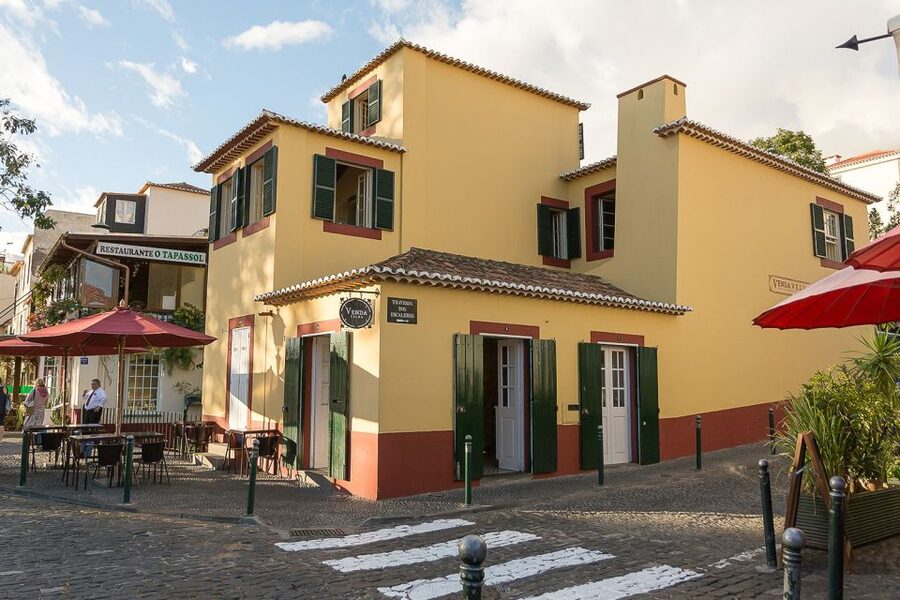
Reviewed · WALKING TOURS
Funchal: Old Town Walking Tour
Funchal’s story comes together on foot: sugar money built the city, floods shaped its fortifications, and Madeira wine still threads through daily life. This two-hour walk links the market, old streets, churches, city halls, and wine trade in a sensible route.
I like the small groups and the way guides such as Annabelle, Elias, Hugo, and Elea make room for questions. I also like that your $19 helps fund University of Madeira student programmes. The main drawback is the route itself: cobbles and gentle inclines mean it is not ideal for anyone with limited mobility.
Key points to know before you go
- Begin inside the Jesuits’ College: Find the Gaudeamus Shop at the University of Madeira Rectory, not the church entrance.
- See more than the postcard sights: The route includes a sweet factory, market, old fortification ruins, Santa Maria Street, and painted doors.
- Get a useful first look at Funchal: The walk covers central landmarks while explaining sugar, embroidery, flooding, wine, and church power.
- Expect a relaxed small-group pace: Guides stop for photos and questions, and groups can be very small.
- Leave time for the market afterward: You may want to return for food, local produce, or a closer look at the stalls.
- Plan for the surface: Wear comfortable shoes, bring sun protection or rain gear, and leave large luggage behind.
Why this two-hour walk works as a first look at Funchal
At $19, this is a low-cost introduction to central Funchal, especially if you are arriving for the first time or have only a short stay. You are not paying for transport or a long list of admissions. You are paying for a local route, a guide who gives the streets a story, and access to places you could easily pass without noticing.
The route is especially useful because it connects subjects that can otherwise feel scattered. The market makes more sense after you hear about Madeira’s farming economy. The old streets make more sense after you learn about sugar wealth and flooding. The churches make more sense after you understand how important Funchal once was to the wider Atlantic world.
I would book it near the start of your stay. You get practical orientation, restaurant and food pointers, and a better sense of which places deserve a second visit. One person used the tour to return to the market for local produce and bollo de caco, a good example of how the walk can shape the rest of your time in town.
The tour has a 4.7 rating from more than 3,200 bookings, and the praise centers on the guides, clear explanations, friendly manner, and manageable pace. That matters more than a packed sightseeing list on a walking tour. A poor guide can turn two hours into a history lecture. Here, the guide is the main attraction.
Other guided walks in Madeira:
- Madeira: Food and Wine Walking Tour in Funchal
★ 4.8 · 469 reviews - Lisbon: History, Stories and Lifestyle Walking Tour
★ 4.8 · 10,902 reviews - Best of Lisbon Small-Group Guided Walking Tour
★ 5.0 · 4,869 reviews
Finding the Jesuits’ College meeting point
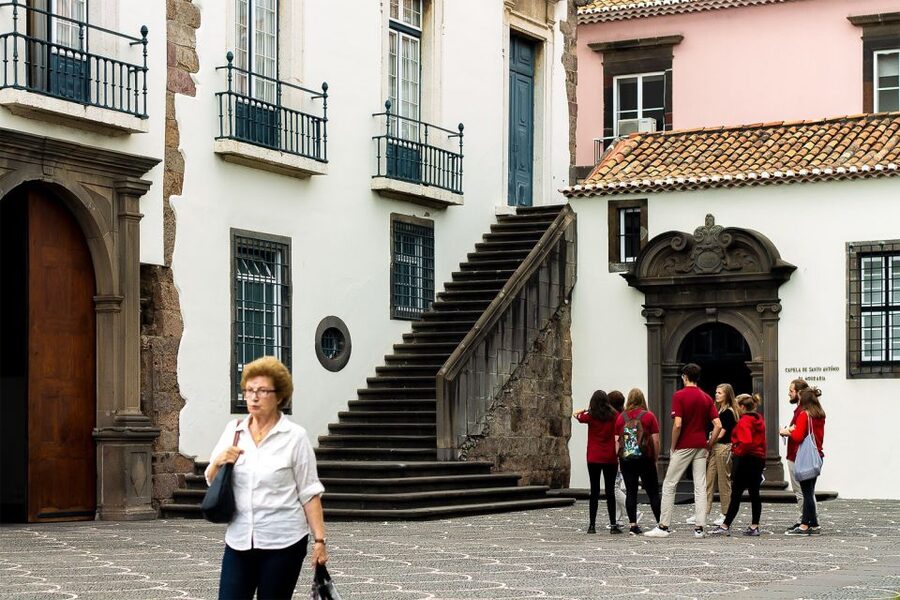
Your starting point is the former Jesuits’ College of Funchal, now home to the University of Madeira Rectory. Look for the Gaudeamus Shop and the glass doors with University of Madeira signs on Rua dos Ferreiros.
This detail matters. The meeting point is beside the Jesuits’ Church, but not inside or outside the church itself. Arrive about 10 minutes early so you have time to locate the entrance and check in.
The college gives the tour a fitting start. King Sebastian of Portugal founded it in the 16th century, and the building lets you begin with Funchal’s links to education, religion, and royal power. You also return here at the end, so the walk has a clear beginning and finish rather than leaving you somewhere unfamiliar.
Guides speak English, German, or French. If you have a strong language preference, state it when booking. The guide team changes, but names that have received particularly warm mention include Annabelle, Elias, Hugo, Elea, Hannah, Evelina, and Sara. The exact guide depends on the date.
City Hall, a sweet factory, and the street that tells Funchal’s commercial story
The first stop is a lesser-known interior at Funchal City Hall, described as a photo stop. It is a short opening visit, but it helps place you in the civic center of the city.
The walk then continues to a traditional sweet factory founded in the 19th century. This is a useful change of pace from grand buildings. Madeira’s food culture is not just about restaurants and market fruit. Old bakeries and sweet makers show how commercial life developed around local ingredients and long-standing habits.
You then reach Rua Dr. Fernão de Ornelas, one of the city’s busy central streets. The guide uses this stretch to explain the early days of Madeira’s embroidery industry. That is the sort of detail you will miss if you simply follow a map between the cathedral and the market.
The route is not designed as a shopping tour, so you should not expect long browsing stops along this street. Its value is the explanation: you see how work, trade, and everyday movement shaped the center.
The Farmers’ Market is the tour’s liveliest stop
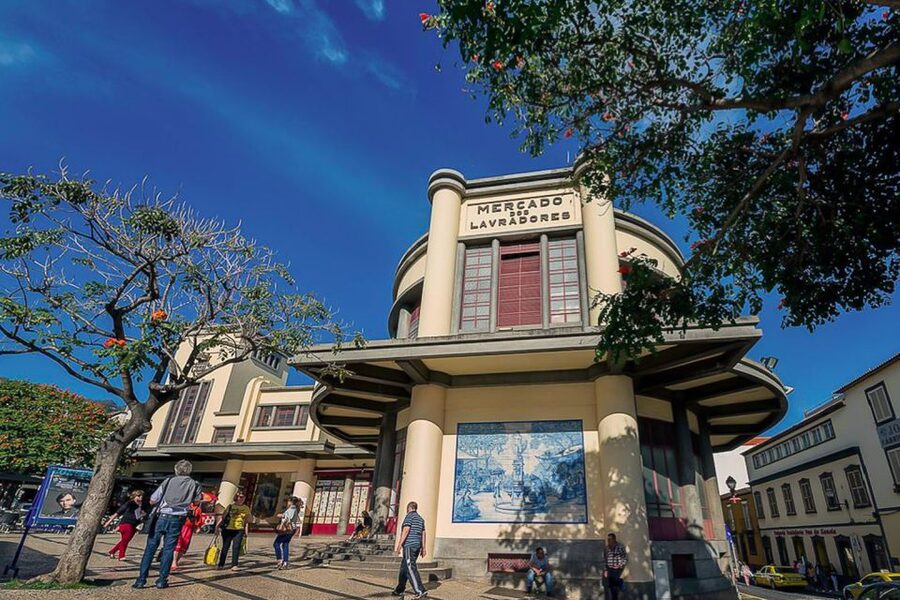
Funchal’s Farmers’ Market is one of the most useful stops on the walk. You enter with context rather than wandering in cold. The guide explains what you are seeing, then gives you some time to look around on your own.
The market is a good place to notice Madeira’s mix of produce, flowers, fish, and local food traditions. The tour does not include food or drinks, so bring money if you want to buy something. You may also prefer to return later, when you can browse without needing to keep up with the group.
Several visitors have found the market worth revisiting after the tour. I agree with that advice. Use the guided visit to learn the layout and identify foods you want to try, then come back for a slower look.
Do not expect a full market tasting programme. The emphasis is on orientation and explanation. That makes this tour different from a dedicated food walk, and one recent participant specifically noted that the historical information overlaps with the food-tasting version. If you are choosing between the two, compare the main focus before booking both.
Same base, a different kind of day out:
- From Funchal: Ecological Catamaran Dolphin Whale Watching
★ 4.5 · 5,771 reviews - Madeira: Skywalk, Porto Moniz, Seixal, and Fanal 4WD Tour
★ 4.9 · 5,732 reviews - Funchal: Dolphin and Whale Watching Catamaran Cruise
★ 4.5 · 5,697 reviews - Funchal: Enchanted Terraces, Porto do Moniz & Fanal 4WD Tour
★ 4.8 · 4,930 reviews
Santa Maria Street and Funchal’s old defensive edge
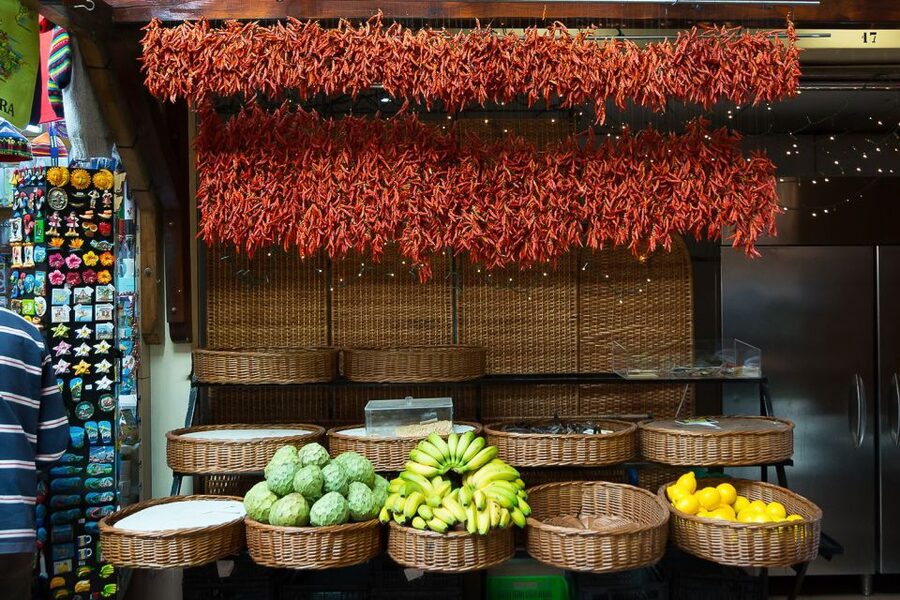
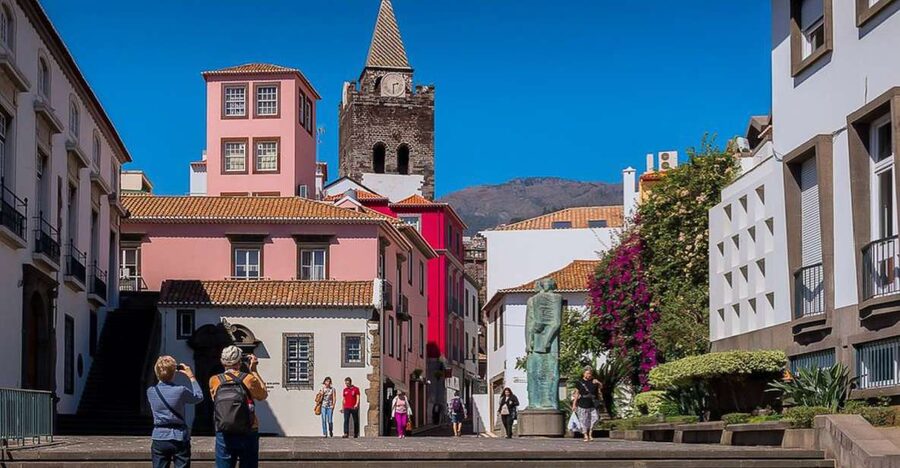
From the market, the group heads through Rua de Santa Maria, the medieval street in Funchal’s old quarter. This area is known for its painted doors and older stone buildings, and it gives you a stronger sense of the city’s character than the wider modern streets.
The guide then leads you toward Admiral’s Garden and the remains of an old fortress. The location near the riverbeds is important. Funchal had to protect itself not only from human threats but also from sudden water flow and flooding. The rivers and channels were once walled in, so the fortifications were part of the city’s practical defenses.
This is one of the best parts of the tour for understanding how Funchal developed around its natural setting. You are not just looking at ruins. You are seeing the city’s response to water, trade, and limited space.
The route includes cobbled streets and slight inclines. Most people describe the pace as easy, but the surface still matters. Wear shoes with a firm sole, and do not bring a large suitcase or bulky bag. The tour is listed as wheelchair accessible, yet the cobbles and slopes may make it unsuitable for some people with limited mobility. Ask for specific route advice before booking if that is a concern.
Colombo Square and Madeira’s sugar connection
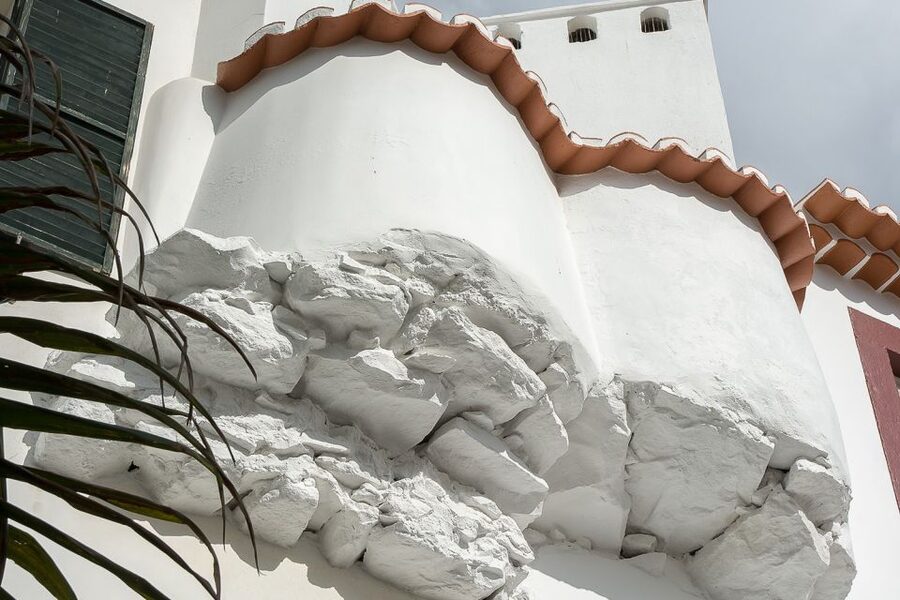
At Colombo Square, the guide turns to the sugarcane trade. Sugar was central to Madeira’s early wealth, and this stop gives you a clearer idea of how the island became tied to wider Atlantic commerce.
The discussion also includes Christopher Columbus, who lived on Madeira for a period and had a connection to the island’s sugar industry. That link adds a surprising layer to the story. Funchal was not an isolated island port. It was tied to exploration, plantation economics, shipping, and European power.
This is where the tour earns its price for history-minded visitors. The guide does not simply point out a statue or square. The stop links a person, an industry, and the city’s role in Atlantic exchange.
The subject can be uncomfortable, as sugar wealth depended on hard labor and colonial systems. The supplied tour details present the industry as a key part of Madeira’s past, and the guide’s role is to give you context rather than a glossy postcard version.
The Legislative Assembly and the cathedral
The route continues to the Regional Legislative Assembly of Madeira. This stop brings the story into the present, showing how the island is governed today while keeping the focus on historic Funchal.
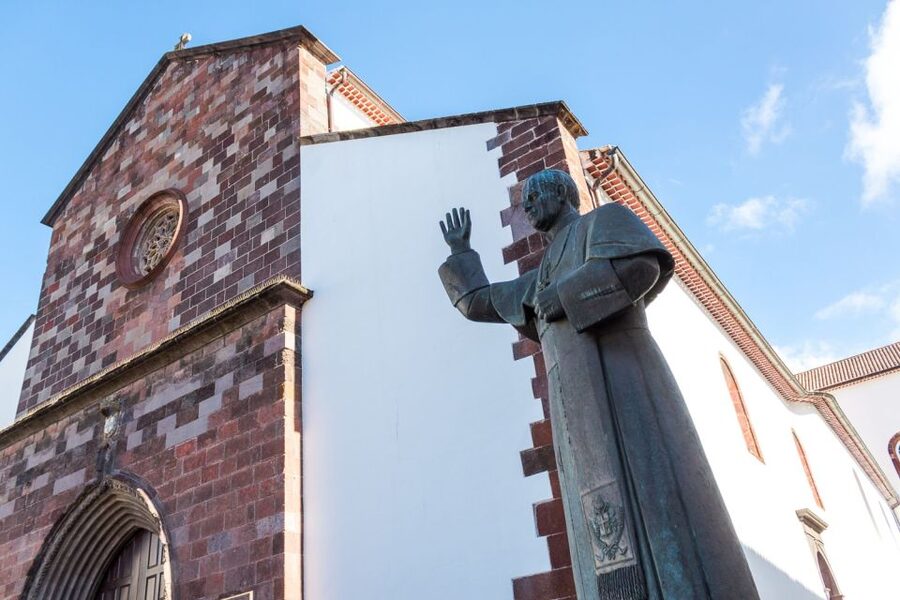
You also visit Funchal Cathedral, one of the city’s major landmarks. In the 16th century, it served as the seat of what was then the largest diocese in the world. That fact helps explain why a relatively compact island city has such substantial religious buildings.
The cathedral visit is not just a quick exterior photo. You get a chance to see the building and hear how religion, royal authority, trade, and the growth of the city were connected. The tour also visits the Jesuits’ Church, so you see two important religious spaces rather than only one.
If you want a long, quiet church visit, this may feel brief. The walk covers several stops in two hours, so the format favors a clear introduction over extended time at each building.
Municipal Garden, wine, and a final taste of Madeira
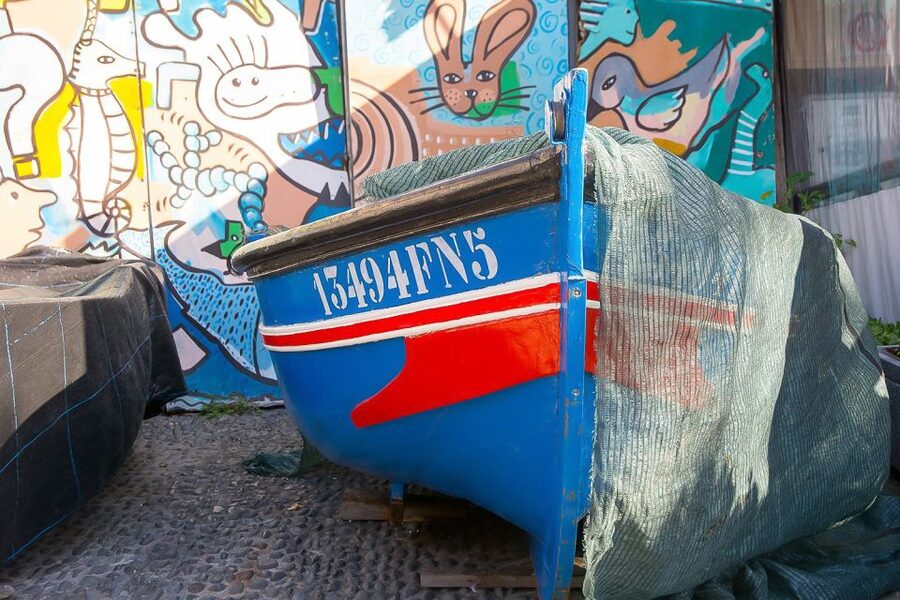
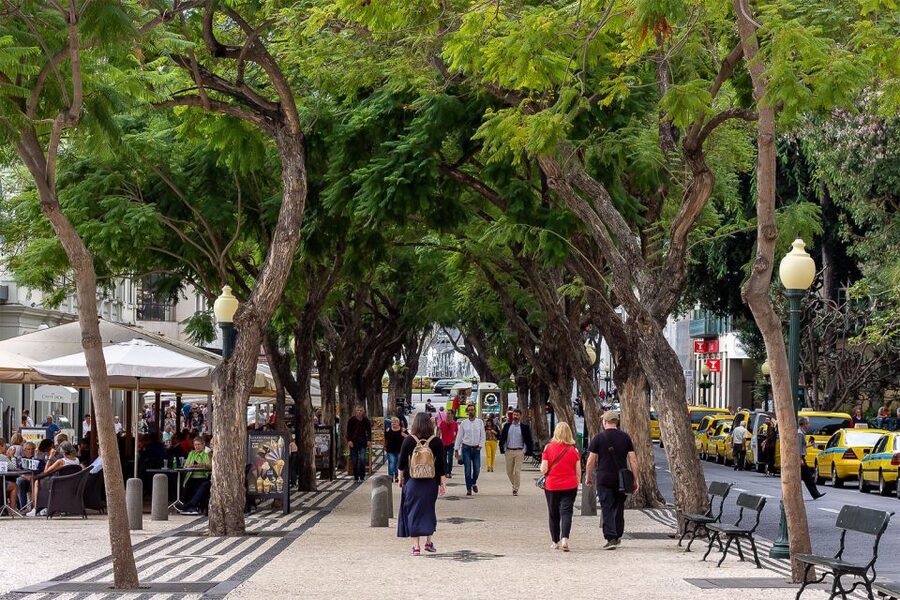
Near the end, the route passes the Municipal Garden and a traditional Wine Lodge. Madeira wine is one of the island’s signature products, and the stop gives you a simple introduction to that tradition.
The exact format can vary, but the experience includes a visit to a traditional lodge and is commonly finished with a small Madeira wine tasting. If you do not drink, the wider history remains useful, and food and beverages are not otherwise included in the tour price.
The Municipal Garden provides a calmer contrast to the market and old streets. It is a pass-by rather than a long garden tour, so keep your expectations in check. You are seeing the garden as part of a city route, not booking a dedicated botanical experience.
The walk also passes the Madeira Photography Museum, Atelier Vicente’s. This is another example of the tour’s style: you get a quick introduction to places that may deserve a later visit, rather than spending most of the two hours inside one attraction.
The Jesuits’ Church brings the route back to its start
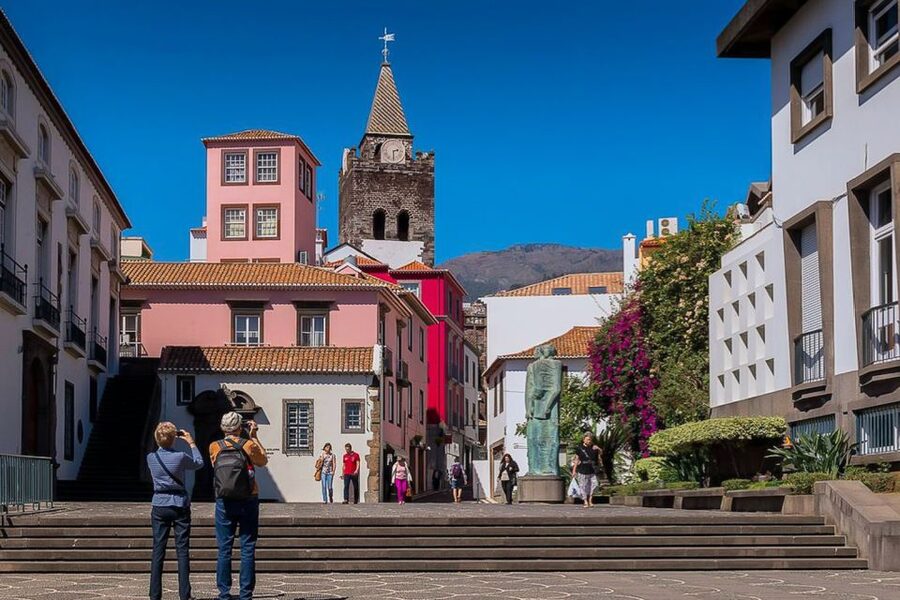
The final major stop is the Jesuits’ Church, followed by a return to the former Jesuits’ College. The loop works well because you finish where you began, with the city’s educational and religious story tied together.
You can usually end near the Municipal Garden or at the Jesuits’ College. That gives you useful flexibility. The college is better if you want to continue exploring the old center, while the garden area may suit you if you are heading toward another central stop.
The end of the tour is also a good time to ask about places to eat, return visits, and practical sights for the rest of your stay. Guides have offered tips on restaurants, bollo de caco, the market, and places worth seeing again.
The guide makes or breaks this experience
The strongest part of the tour is the guide’s ability to keep the history clear and human. Annabelle has been praised for her friendly approach and strong command of the city’s story. Elias has been noted for setting a good pace and giving useful explanations. Hugo has led very small groups, including one with only four people.
Elea has been described as patient, willing to stop for photos, and good at bringing local stories to life. Hannah has given people time to explore on their own, while Evelina has guided small groups with a mix of history and practical tips. Guides may be students, volunteers, or people on a gap year, and their backgrounds can vary.
That variety is part of the character of the programme. You may get a young guide who has lived in Madeira for a shorter time but has prepared carefully and speaks several languages. You may also get someone with more time in the city. Either way, the small-group format allows questions and makes the experience feel less scripted.
Group size can be very small, sometimes just one or two people, though you should not book assuming a private tour. The small groups are valuable because crowded streets and market stalls are easier to manage when the guide does not have to herd a large crowd.
What to bring and who should book
Wear comfortable shoes and check the forecast. The tour runs in most weather, so sun protection or rain gear may be useful. Leave large luggage behind, since it is not allowed.
Children aged 10 and older are well suited to the walk, and younger children can attend with supervision. The route is short enough for most people who are comfortable walking on cobbles, but it is not the right choice for someone seeking a fully flat route or a long indoor museum visit.
I would book this if you want:
- A first orientation to central Funchal
- History tied to real streets and buildings
- A small group and plenty of questions
- A market visit without committing to a full food tour
- A low-cost activity that supports student programmes
- Practical ideas for the rest of your Madeira stay
I would skip it if you mainly want a food tasting, extended church visits, or a private vehicle tour. The experience is built around walking, explanation, and a broad sample of central sights.
Should you book the Funchal Old Town Walking Tour?
Yes, if you want a friendly and affordable start to Funchal. For $19, you get two hours of well-connected city history, the Farmers’ Market, old streets, churches, fortification remains, sugar-industry stories, and a wine lodge visit. The small groups and student-support mission make the value even better.
Book it early in your stay, arrive at the University entrance rather than the church, and leave room in your schedule to return to the market afterward. If your mobility is limited, check the cobbled route first. For most visitors who enjoy a steady walk and a good story, this is a sensible way to meet Funchal.
FAQ
How long does the Funchal Old Town Walking Tour last?
The tour lasts two hours.
Where does the tour start?
It starts at the Jesuits’ College of Funchal, at the University of Madeira Rectory on Rua dos Ferreiros. Look for the Gaudeamus Shop, glass doors, and University of Madeira signs.
Does the tour enter the Jesuits’ Church?
Yes. The route includes a visit to the Jesuits’ Church and entrance to the Jesuits’ College of Funchal.
What languages are available?
The tour is available in English, German, and French. You can state a strong language preference in advance to help with guide planning.
Is the Farmers’ Market included?
Yes. The tour includes a guided visit to the Farmers’ Market in Funchal.
Is wine tasting included?
The tour includes a visit to a traditional Wine Lodge. A small Madeira wine tasting is commonly part of the ending, but food and beverages are not otherwise included.
Is the route suitable for wheelchair users?
The activity is listed as wheelchair accessible, but the route has cobbled streets and slight inclines. It may not suit people with limited mobility, so ask for route details before booking.
Can I cancel the tour?
You can cancel up to 24 hours before the scheduled start for a full refund. You can also reserve now and pay later.
Just added in Madeira
- Skywalk with Wines Tasting and Vineyards Half day 4×4 Adventure★ 5.0 · 520 reviews
- Funchal: Monte Toboggan and Old Town Tour by Tuk-Tuk★ 4.9 · 225 reviews
- Funchal: Monte Tropical Garden & Toboggan Ride by Tuk Tuk★ 4.8 · 227 reviews
- Funchal: Guided Tuk Tuk Tour to Toboggan Rides & Old Town★ 4.9 · 308 reviews
- Madeira: Food and Wine Walking Tour in Funchal★ 4.8 · 469 reviews
- Funchal: Best Viewpoints Guided Tuk Tuk Tour★ 4.9 · 402 reviews
- Madeira: PR 9 – Levada do Caldeirão Verde Hike Transfer★ 4.8 · 620 reviews
- Funchal: Sunrise Pico do Arieiro & Ruivo/Larano HikeTransfer★ 4.8 · 597 reviews
Walking Tours, compared.
Best of Lisbon Small-Group Guided Walking Tour
Read our review →
Porto Walking Tour, Lello Bookshop, River Cruise and Cable Car
Read our review →
Best of Lisbon Walking Tour: Rossio, Chiado & Alfama
Read our review →
Experience Porto’s Charm: 3-Hour Guided Walking Tour
Read our review →

Browse the lists this tour appears in