Reviewed · TOURS IN MADEIRA
Hidden Funchal: Stories & Secrets Tour
Funchal’s best stories are often found away from the postcard stops. This $17 walking tour leads you from the Jesuits’ College through quiet lanes, old noble districts, the English quarter, and up to a fine city viewpoint. Along the way, you hear about French attacks, British families, cloistered nuns, foreign princesses, and the island’s first settlers.
I like the small-group format, which lets guides such as Sabrin, Sabrina, Laura, Daniel, Len, and Hannah adjust the pace and answer questions. I also like that the fee supports free school visits and social programmes for students at the University of Madeira. The main drawback is the route itself: cobbles and slight hills can make the walk tiring, and access inside the English Church may not always be available.
Key points at a glance
- Start at a 400-year-old college: The Jesuits’ College, now part of the University of Madeira, gives the tour a meaningful opening.
- See Funchal’s English quarter: Learn how British families shaped the island’s trade, culture, and daily life.
- Follow stories of nuns and nobles: Santa Clara Monastery and old manor houses reveal a less familiar side of Madeira.
- Reach a classic city viewpoint: Quinta das Cruzes offers broad views near the former home of João Gonçalves Zarco.
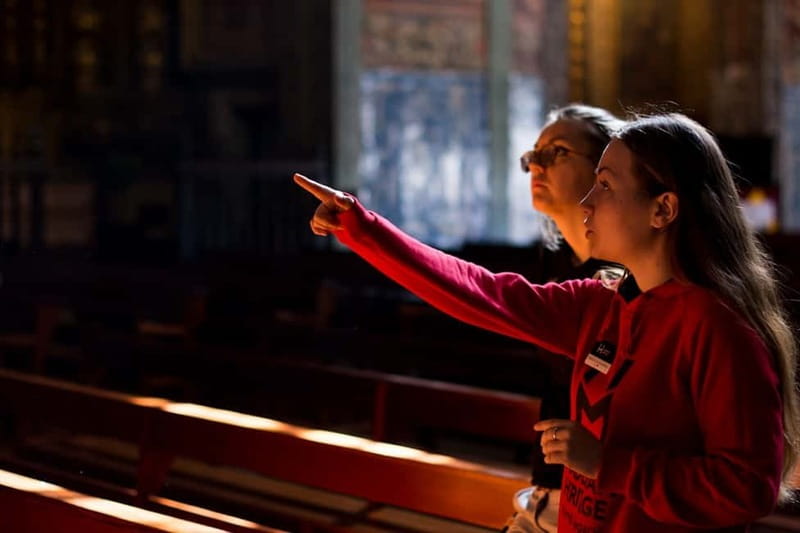
- Expect student-led storytelling: Guides are trained through a university programme, with past guides including Sabrin, Sabrina, Laura, Daniel, and Len.
- Support education while sightseeing: Tour income helps fund school visits and aid for university students.
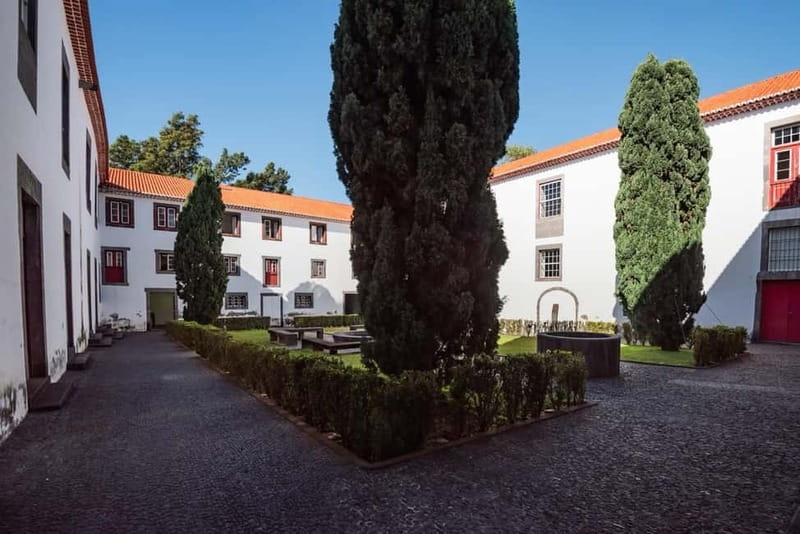
Starting at the Jesuits’ College in central Funchal
The tour begins at the Jesuits’ College of Funchal, on Rua dos Ferreiros. This is not simply a convenient meeting point. The building has more than four centuries of history and now forms part of the University of Madeira, giving the walk an unusual link between the city’s past and its present.
You should look for the university entrance beside the Jesuits’ Church, near D’Oliveiras Madeira Wine. The meeting point is at the glass doors with University of Madeira signs. It is not inside the church and not at the church entrance, a detail worth noting because one person nearly missed the start while looking in the wrong place.
Arrive about 10 minutes early. You do not need transport, hotel collection, or a taxi to the start. The tour begins and ends in central Funchal, so you can easily continue with lunch, shopping, or another city sight afterward.
The opening story concerns the dramatic French attack on Funchal in 1566. It is a strong way to begin because it shows that Madeira’s calm streets have not always been so peaceful. The guide uses the college and surrounding streets to set up the larger story of power, faith, trade, and foreign influence.
Other trips people book in Madeira:
- From Funchal: Ecological Catamaran Dolphin Whale Watching
★ 4.5 · 5,771 reviews - Madeira: Skywalk, Porto Moniz, Seixal, and Fanal 4WD Tour
★ 4.9 · 5,732 reviews - Funchal: Dolphin and Whale Watching Catamaran Cruise
★ 4.5 · 5,697 reviews
Through quiet streets and Funchal’s English quarter
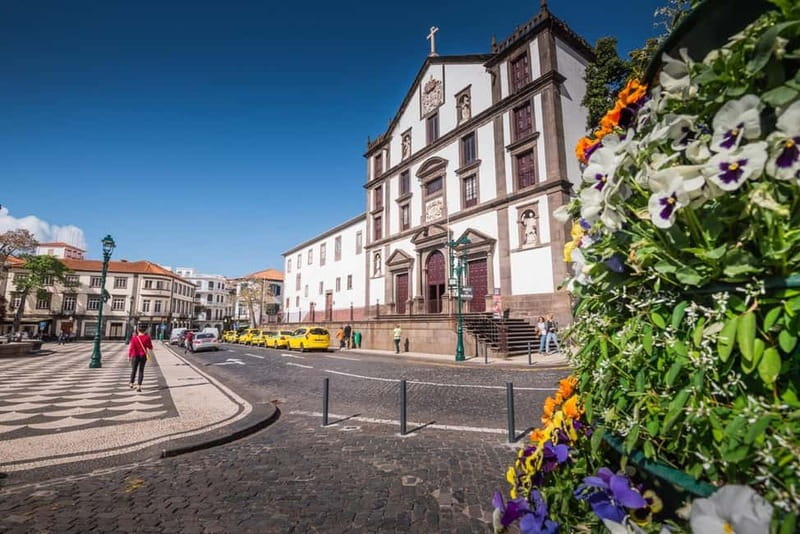
From the college, the route turns into historic streets that many people pass without a second look. This is where the walk earns its name. You are not simply checking off monuments. You are learning how buildings, streets, and neighbourhoods connect.
The English quarter is one of the tour’s most useful stops. Madeira attracted British families over many generations, and their presence helped shape the island’s identity. Your guide explains this influence through the streets and buildings rather than giving you a detached list of dates.
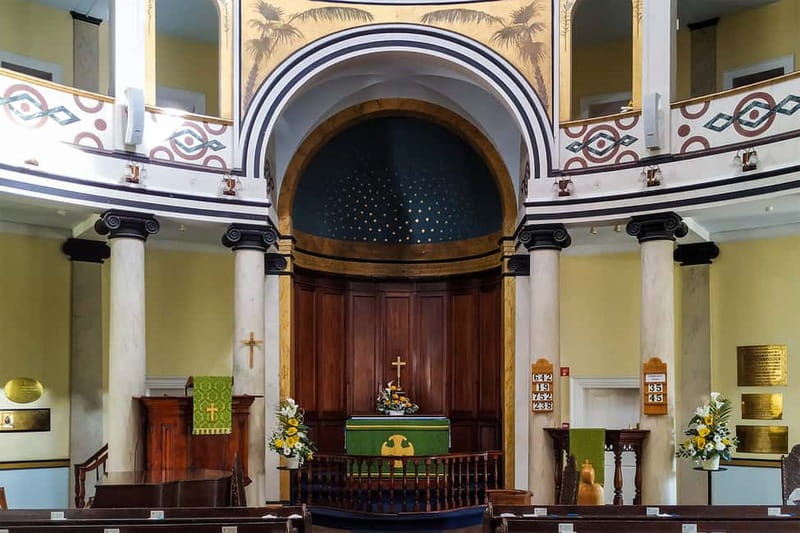
The English Church is a key highlight. Its setting and connection with the British community make it an important counterpoint to Funchal’s Portuguese churches and convents. The route includes the church, but you should not assume that you will always enter the interior. Access can vary, and one tour ended without an inside visit.
That matters if you have your heart set on seeing the church’s interior. If you are mainly interested in the building’s place in Funchal’s foreign community, the stop still adds useful context. Ask your guide at the start if interior access is planned that day.
Manor houses and the city’s old elite
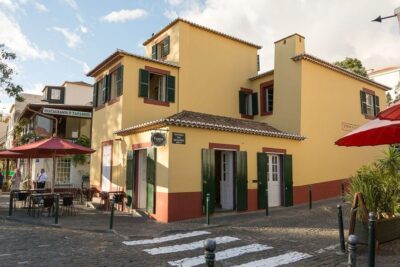
The walk also passes manor houses built by Madeiran elites. These homes offer clues about the people who gained wealth and status on the island, and they help explain why Funchal has a more polished, formal side beyond its market streets and waterfront.
The guide points out architectural details and connects them to the families who commissioned the buildings. That approach is more useful than simply hearing that a house is old. You begin to see Funchal as a city shaped by social rank, family networks, religious foundations, and links with other countries.
The route winds through older districts, leafy squares, convent walls, and narrow backstreets. You may find some of the stops more interesting for their stories than for their grand appearance. That is part of the appeal. This is a walking tour for people who like to notice small details and ask why a particular church, house, or square is where it is.
Guides have different personalities and storytelling styles. Sabrin and Sabrina were praised for clear explanations and warm conversation. Laura was noted for a lively manner, practical suggestions, and an eye for gardens and flowers. Daniel and Len were described as friendly and well prepared. The student-led format means your guide may be young, but the training and enthusiasm can make the tour feel personal rather than scripted.
Quinta das Cruzes and the view over Funchal
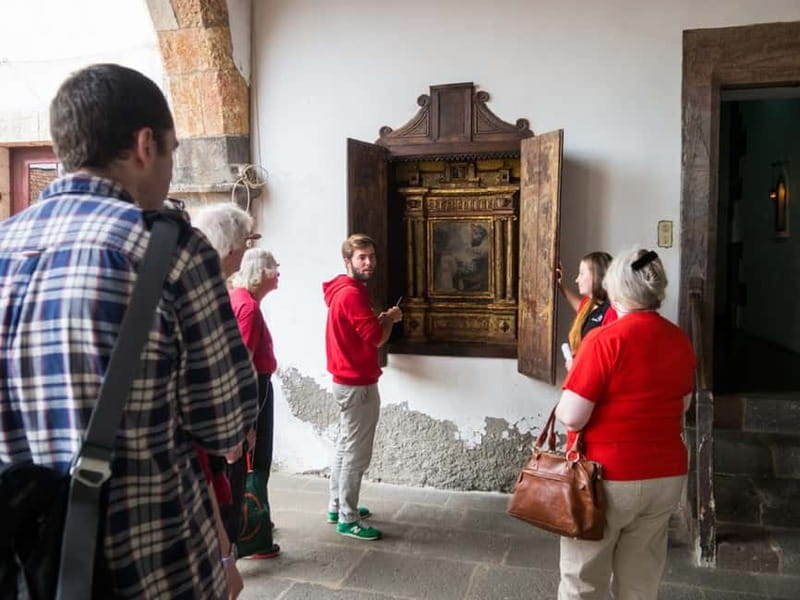
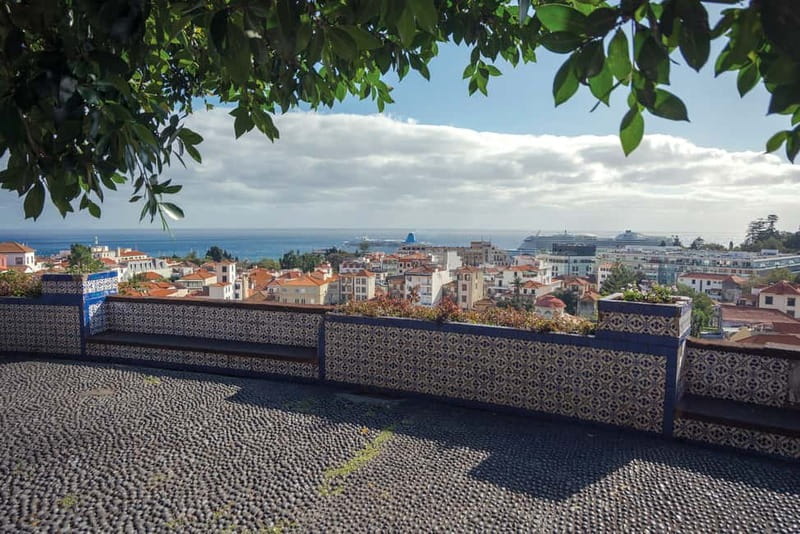
One of the route’s visual rewards comes at the Quinta das Cruzes viewpoint. From this hill, you get a broad look across Funchal, making it easier to understand the city’s steep setting and layered neighbourhoods.
The viewpoint is near the former home of João Gonçalves Zarco, the naval captain who led the early Portuguese settlement of Madeira in the 15th century on behalf of the Portuguese king. This gives the stop both a view and a historical anchor.
You should expect a little uphill walking. The route includes slight inclines and cobbled streets, so comfortable shoes are essential. The effort is not extreme according to the tour details, but the combination of slopes, uneven paving, and warm weather can affect your pace.
This is also a good point to bring water and sun protection. The tour runs in most weather, so you should carry rain gear if the forecast calls for showers. Funchal’s weather can change, and a pleasant viewpoint is less enjoyable if you are unprepared.
Same base, a different kind of day out:
- Funchal: Enchanted Terraces, Porto do Moniz & Fanal 4WD Tour
★ 4.8 · 4,930 reviews - Porto Moniz, Seixal, Fanal Forest, Cliff Skywalk in Open Roof 4X4
★ 5.0 · 3,631 reviews - From Funchal: Best of Madeira’s West Tour
★ 4.7 · 3,463 reviews - Madeira: Best of the East Tour from Funchal
★ 4.7 · 3,364 reviews
Santa Clara Monastery and the stories behind the walls
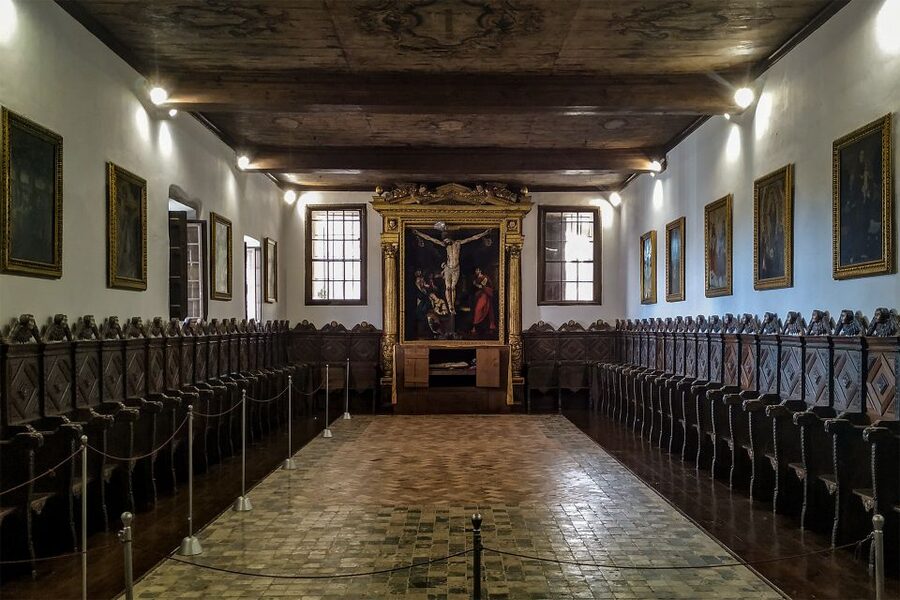
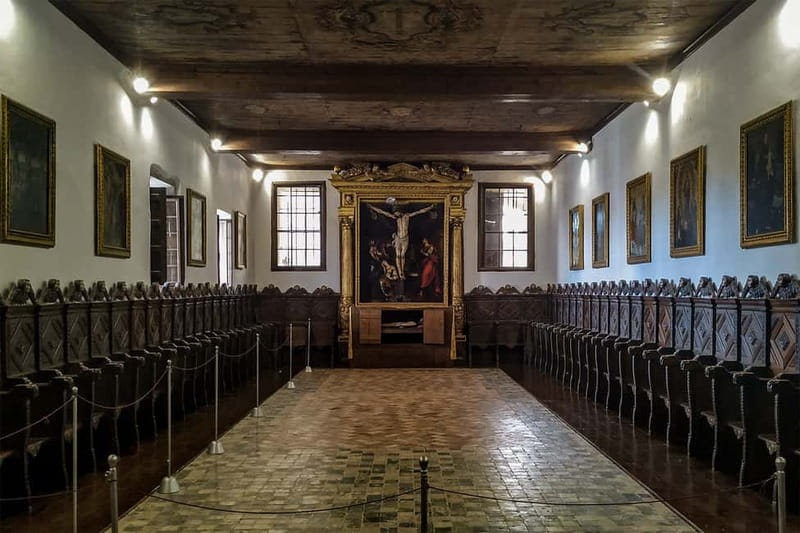
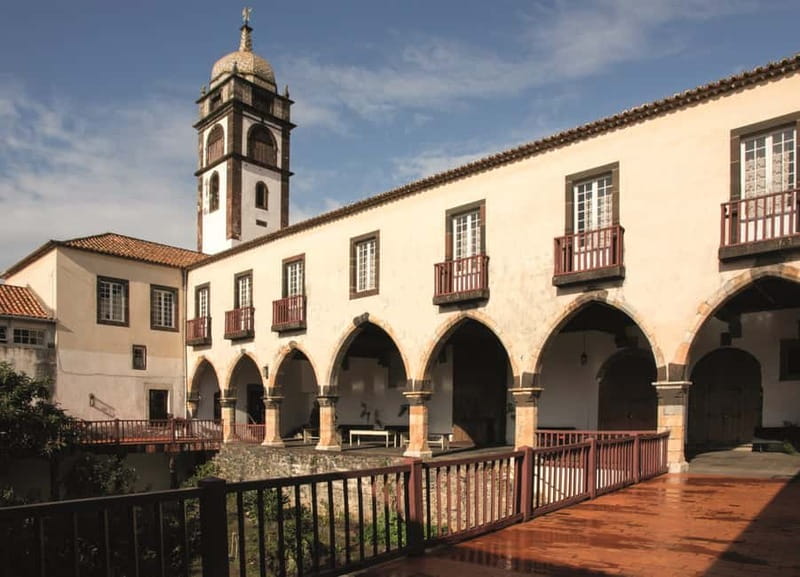
Santa Clara Monastery brings a different tone to the tour. Its walls introduce the world of cloistered nuns, religious life, and the curious ways that secluded communities became part of Funchal’s public story.
The stories connected with the nuns are not limited to church history. You hear about how they became a tourist attraction and about royal visitors who came to taste the island’s famous cakes, known as queijadas. Details like this make the stop memorable because they connect religion, food, tourism, and social life.
You also hear about foreign princesses and churches built by noble families. These details show that Madeira was not isolated from the wider world. Its buildings and customs reflect links with Portugal, Britain, royal households, merchants, religious orders, and families who wanted to leave a mark on the city.
I especially like this part of the route for first-time visitors who want more than a standard list of major sights. You get a sense of how people lived and what they valued. The stories also give you useful background for later visits to churches, convents, and historic houses around Funchal.
A two-hour walk with room for questions
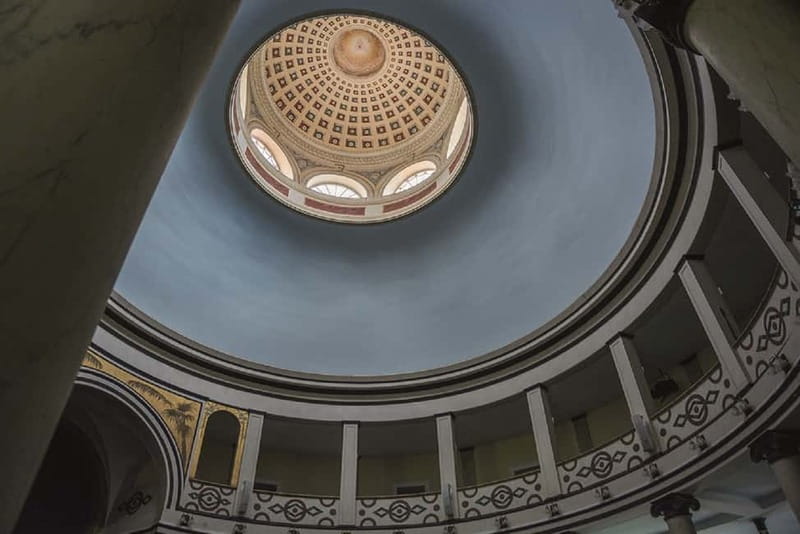
The advertised duration is two hours, but the actual pace can vary. Some tours take longer when the group stops for photographs or questions. One reported experience lasted only about an hour and 20 minutes, so it is sensible to allow flexibility rather than schedule a tight appointment immediately afterward.
Most of the feedback points to a relaxed pace. Guides have been praised for not rushing, waiting when people needed a pause, and allowing time for questions. That matters on a city walk because the best parts are often the small explanations you get when you stop beside a building.
The experience works best in a small group. The tour is designed for a more personal format, and some departures have had only a few people. A smaller group makes it easier to hear the guide in narrow streets and easier to ask about a detail that catches your eye.
The standard language is English. If you need another language or have a strong preference, state that when booking so guide availability can be planned. The guide selection may be arranged by language, and one tour had only a few people in the English group.
What the student-led format adds
This experience is part of the Madeiran Heritage programme, developed through the University of Madeira. Guides are students and volunteers trained through a university-led programme. The fee does more than cover a city walk. It helps fund free educational visits for schools and social support programmes for university students who need assistance.
That purpose gives the tour a practical advantage. You are not paying for a polished sightseeing product built only around famous names. You are supporting a local education project while meeting young people connected with the university.
The guides can bring a fresh energy to the stories. Sabrin and Sabrina received especially strong praise for their preparation, friendly manner, and ability to answer questions. Laura was singled out for her humour and useful local suggestions. Carlos was described as able to explain the history of almost every building along the route.
There is some variation, as you would expect with a student and volunteer programme. One person felt the tour could have linked the stories together more clearly and included more unusual anecdotes. That is a fair caution. You may get a highly polished storyteller, or a guide whose strength is conversation and enthusiasm rather than a perfectly structured presentation.
Price, pace, and practical value
At $17 per person, this is inexpensive for a two-hour guided walk in a European capital. The value is strongest if you are arriving in Funchal for the first time and want to understand the city before exploring it on your own.
The route gives you more than a basic orientation. You receive historical context for the Jesuits’ College, the English community, Santa Clara Monastery, noble houses, and the city’s hilltop setting. Several people found the walk useful for getting their bearings and choosing what to see next.
It is also a good addition to a standard Funchal walking tour. The route focuses on places that are less likely to appear on a quick introduction to the market, cathedral, waterfront, and main shopping streets. It does not replace those sights, but it adds the social and architectural backstory that helps them make sense.
The fee does not include food, drinks, hotel transfers, or personal expenses. Some tours have ended with a Madeira wine tasting, but that is not listed as a guaranteed inclusion, so do not book the walk solely for that possibility.
Free cancellation is available up to 24 hours before the start, and you can reserve now and pay later. Those terms are useful if your Funchal schedule depends on weather or cruise timing.
Who should book this Funchal walk?
I would choose this tour if you enjoy history, architecture, local stories, and quiet streets more than a fast march between famous sights. It suits couples, solo visitors, families with older children, and anyone who wants a gentle introduction to Funchal’s layout.
Children aged 10 and older are specifically suited to the tour, while younger children can attend with supervision. The stories about attacks, nuns, nobles, royal visitors, and explorers can work well for curious children, though the hills and cobbles may test younger legs.
You should think twice if you have limited mobility. The activity is described as wheelchair accessible, but the route includes cobbled streets and slight inclines and may not suit people who find uneven surfaces difficult. Ask for current route details before booking if this is important for you.
Wear comfortable shoes. Leave large bags and luggage behind, and do not bring pets. Bring water, sun protection, or rain gear depending on the forecast.
Should you book Hidden Funchal?
Yes, if you want an affordable, story-led introduction to Funchal that goes beyond the main tourist streets. The combination of the English quarter, Santa Clara Monastery, manor houses, and Quinta das Cruzes gives you a useful view of how religion, wealth, foreign settlement, and royal connections shaped the city.
Book it early in your stay so the guide can help you find your way around and suggest what to visit next. Go with realistic expectations about the walking surface and the possibility that the English Church may be viewed from outside.
The strongest reason to choose it is the blend of sightseeing and purpose. For $17, you get a small-group walk, a trained English-speaking guide, city views, and a direct contribution to school and student programmes. If you prefer a highly formal tour with guaranteed interior access at every stop, this may not be the right fit. If you want a friendly, useful look at Funchal’s lesser-known stories, it is a smart buy.
FAQ
Where does the Hidden Funchal tour start?
The tour starts at the Jesuits’ College of Funchal, which is part of the University of Madeira, on Rua dos Ferreiros in the city centre. Look for the glass doors and University of Madeira signage beside the Jesuits’ Church, near D’Oliveiras Madeira Wine.
Where does the tour finish?
The walk finishes back at the same meeting point at the Jesuits’ College.
How long does the tour last?
The planned duration is two hours. The pace can vary, and you should allow extra time if the group stops for questions or photographs.
What language is the tour in?
The standard tour language is English. If you have a strong preference for another language, indicate it in advance so guide availability can be arranged.
Is the route suitable for wheelchair users?
The activity is listed as wheelchair accessible, but the route includes cobbled streets and slight inclines. It may not be suitable for people with limited mobility, so ask for current route details before booking.
What should I bring?
Wear comfortable shoes and bring sun protection or rain gear according to the forecast. Pets, luggage, and large bags are not allowed.
Does the tour include food or drinks?
No. Food, drinks, hotel collection, hotel drop-off, and personal expenses are not included. A Madeira wine tasting has occurred after some tours, but it is not a guaranteed part of the activity.
Just added in Madeira
- Private Dolphin and Whale Watching Tour in Madeira★ 5.0 · 539 reviews
- Small Group West Tour Waterfalls & Fanal Forest Tour★ 4.5 · 397 reviews
- Adventure Trikes Private Tour in Madeira★ 5.0 · 159 reviews
- Responsible Whales and/or Dolphins Watching Tour★ 5.0 · 237 reviews
- West Madeira 4×4 Tour with Local Guide★ 5.0 · 156 reviews
- West 4×4 Experience: Skywalk, Porto Moniz Pools and Fanal Forest★ 5.0 · 49 reviews
- West Tour★ 4.5 · 48 reviews
- West Side Private Full Day Tours around Madeira Island★ 5.0 · 274 reviews
Tours in Madeira, compared.
Skywalk, Porto Moniz, Seixal, and Fanal 4WD Tour
Read our review →
Enchanted Terraces, Porto do Moniz & Fanal 4WD Tour
Read our review →
Porto Moniz, Seixal, Fanal Forest, Cliff Skywalk in Open Roof 4X4
Read our review →